
Picture this: you're trying to enjoy your backyard, maybe grilling with family or letting your kids play, when you step in something that's not quite what you expected. Not a leaf or a twig, but something much more unpleasant. That's the reality many dog owners face when their yards become overrun with canine waste. It's not just about the smell – it's about maintaining a safe, clean environment for everyone who uses the space.
Dog poop in the yard isn't just a minor inconvenience – it's a serious issue that affects health, safety, and the overall enjoyment of outdoor spaces. Whether you have one dog or several, managing waste properly becomes essential. The problem extends beyond simple cleanup; it involves understanding how dog waste impacts soil, water systems, and even your neighbors' properties. Let's explore what happens when your yard turns into a dog waste haven and how to fix it.
Understanding the Impact of Dog Waste
Dog waste might seem harmless at first glance, but it contains dangerous bacteria and parasites that can spread quickly. When dogs defecate in yards, they deposit pathogens like E. coli, Salmonella, and roundworms directly onto grass and soil. These organisms can survive for months, especially in moist conditions. Think about it – your children playing in the sandbox, pets sniffing around, even the lawn mower cutting grass contaminated with dog waste. It's not just gross; it's risky.
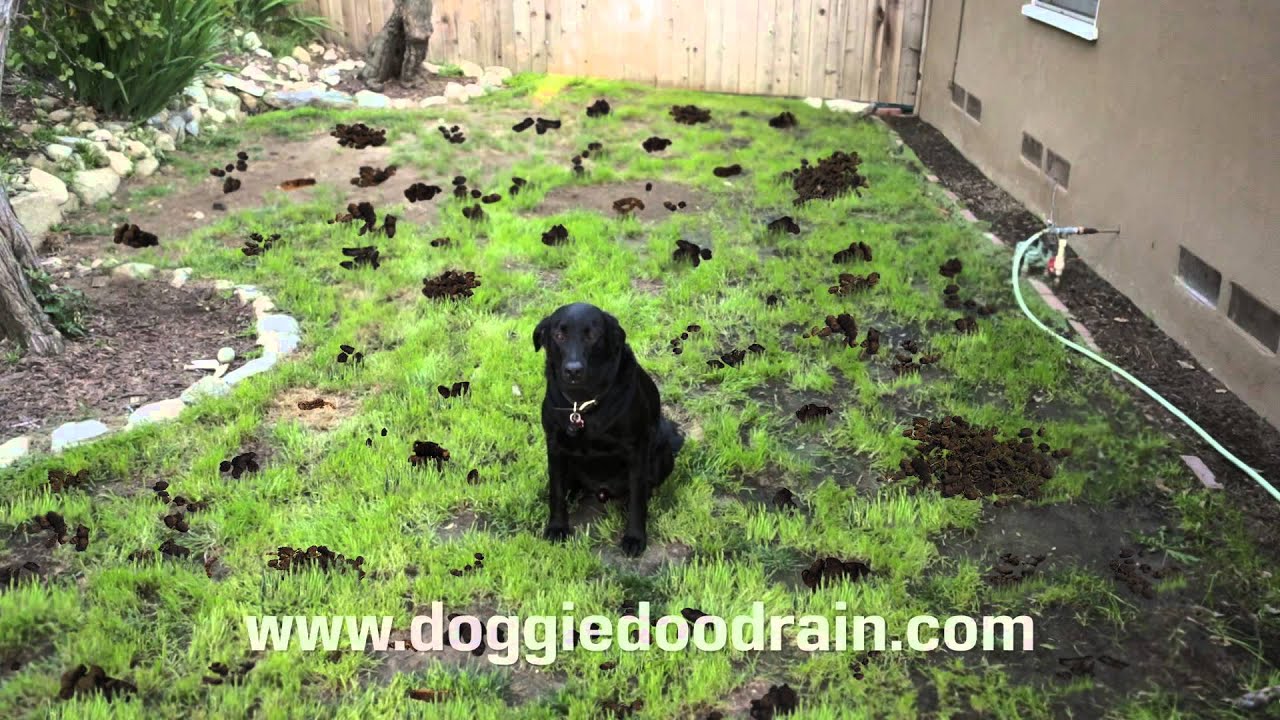
The environmental consequences are equally concerning. When dog waste runs off during rain, it can contaminate local streams and groundwater. This pollution affects aquatic life and can make nearby water unsafe for swimming or drinking. A single dog can produce over 100 pounds of waste annually, adding up quickly in residential areas.
Immediate Cleanup Solutions
The first step in addressing dog poop problems is knowing how to clean it up effectively. You'll want to grab a scoop or bag immediately after your dog goes. Many pet owners prefer biodegradable bags because they break down faster than regular plastic ones. The key is to remove waste as soon as possible – the longer it sits, the more it spreads odor and bacteria.
Here are some effective cleanup techniques:
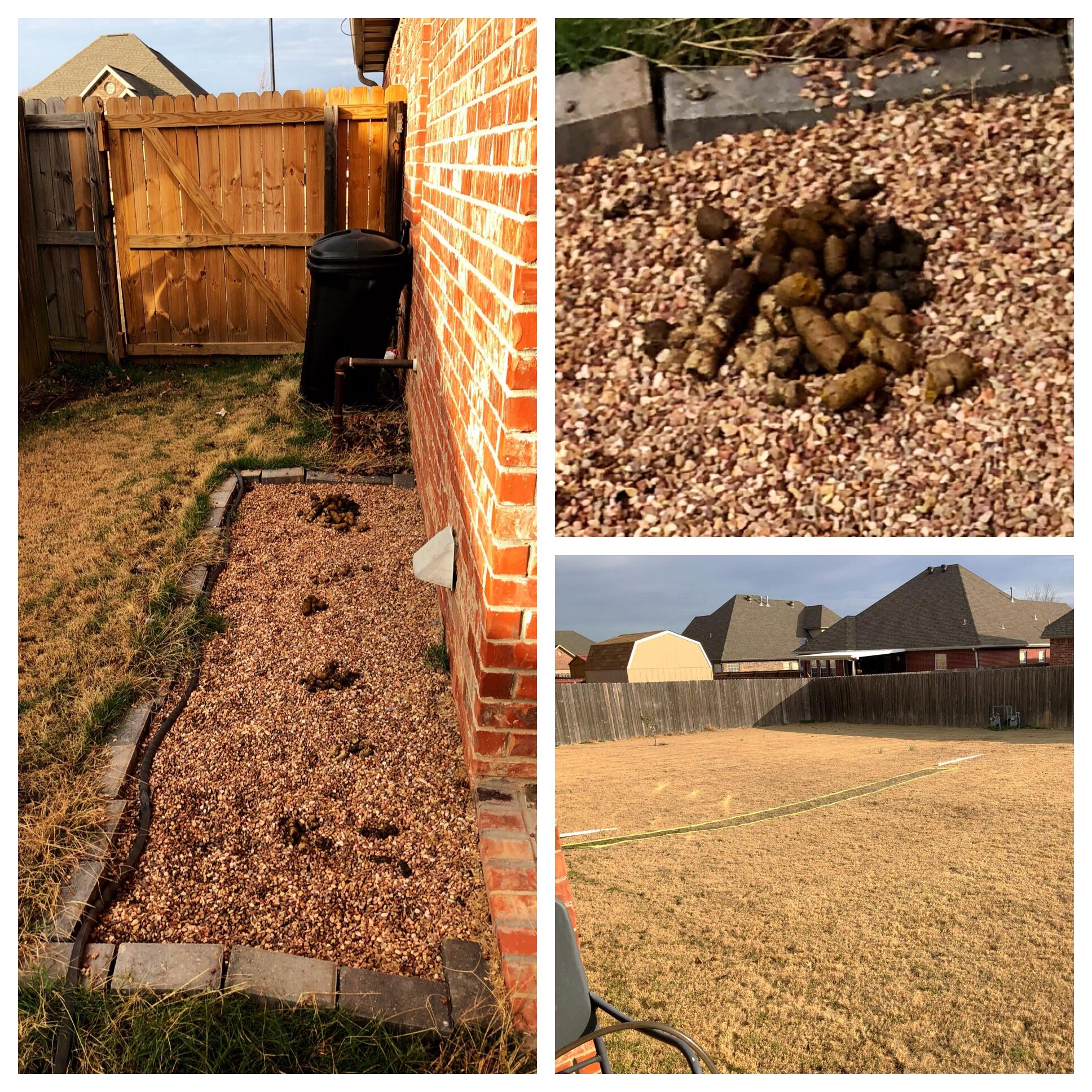
Some people find success with specialized tools like portable scoops or even homemade solutions like vinegar and water mixtures to neutralize smells on the spot.
Long-Term Prevention Strategies
Prevention is always better than cure, especially when it comes to yard waste management. Start by establishing designated potty spots in your yard. Training your dog to go in specific areas makes cleanup much easier. Most dogs respond well to consistency – if they know exactly where to go, they'll stick to it.
Consider these prevention methods:
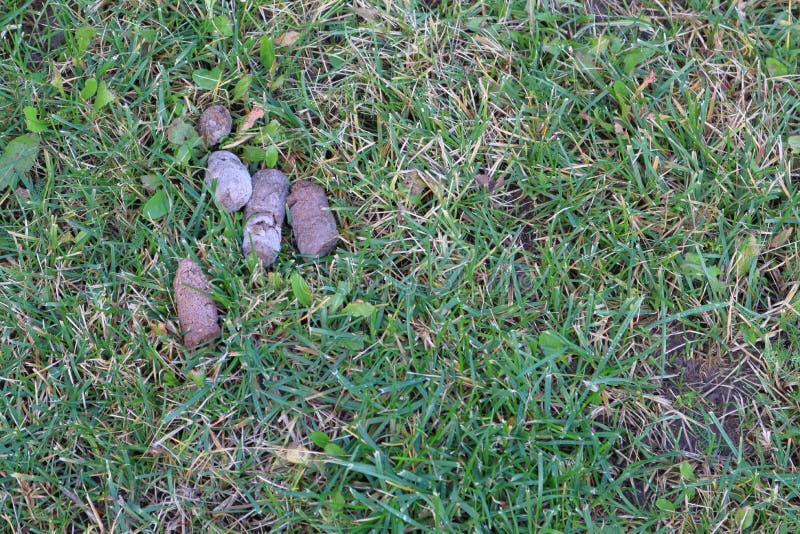
Regularly changing the location of potty spots helps prevent soil compaction and nutrient buildup in one area.
Natural Remedies and Alternatives
If you're looking to avoid harsh chemicals, there are plenty of natural alternatives that work surprisingly well. Enzyme-based cleaners break down organic matter without harming plants or animals. These products are available commercially or can be made at home using ingredients like baking soda, white vinegar, and essential oils.
Some gardeners swear by:
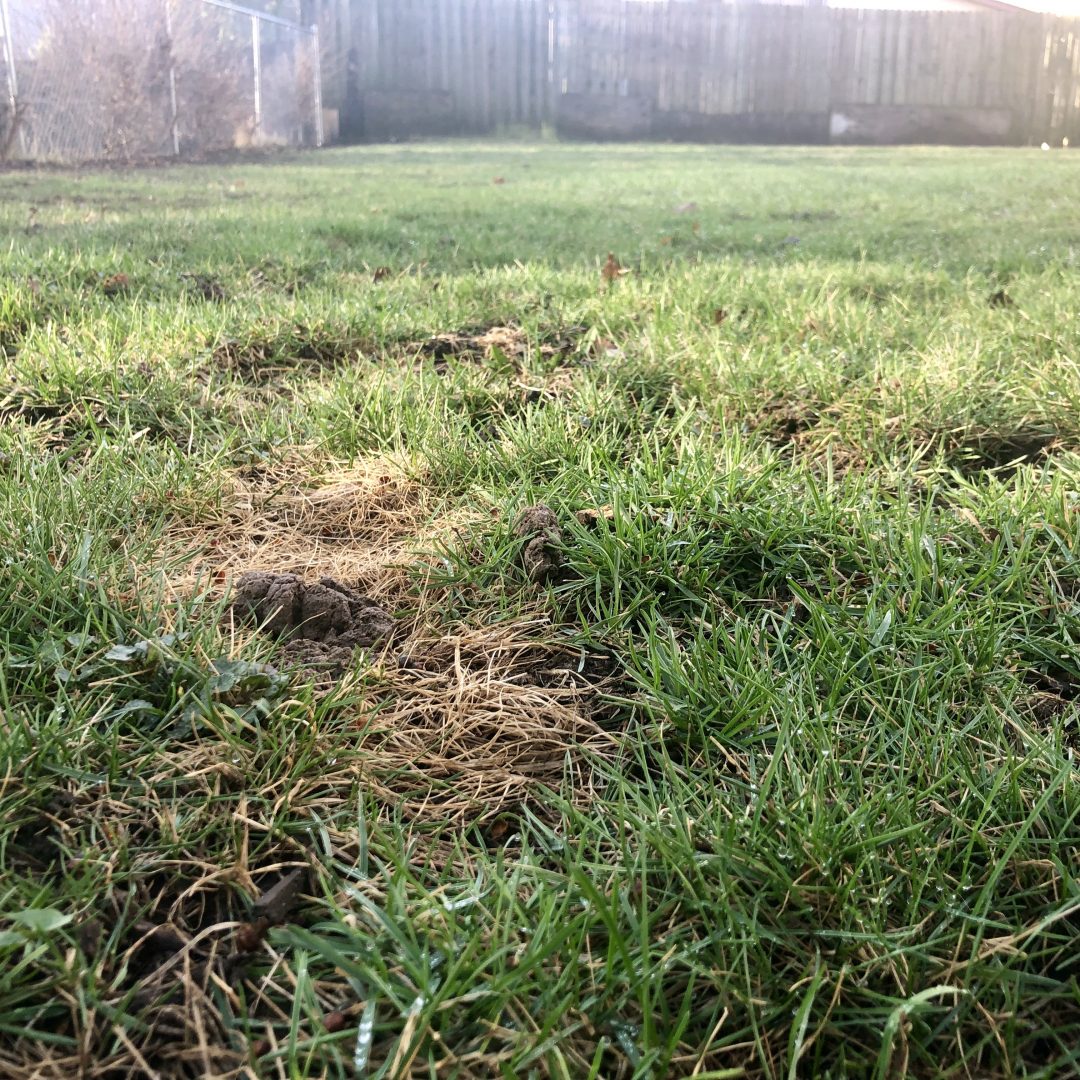
Keep in mind that while some natural remedies are effective, they may not work for all situations. Always check with local regulations before composting dog waste, as many areas prohibit it due to health concerns.
Safety and Health Considerations
The health risks associated with dog waste go beyond simple hygiene issues. Children, elderly people, and immunocompromised individuals face higher risks from exposure to parasites and bacteria found in dog feces. A study showed that nearly 70% of dog waste samples contained harmful bacteria that could cause illness if ingested or inhaled.
Key safety practices include:
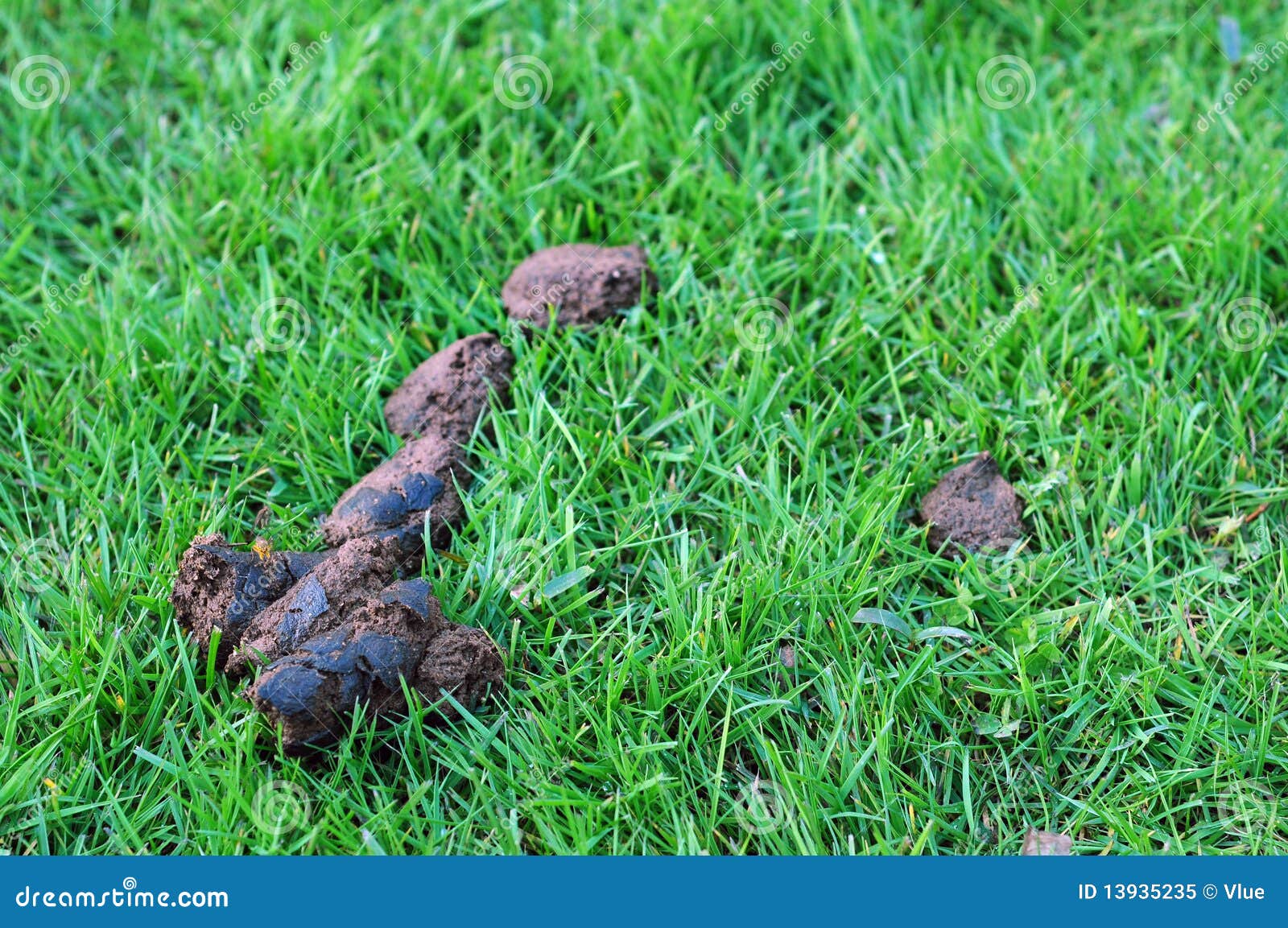
If you notice persistent issues with dog waste in public areas or shared spaces, contact local authorities. Many communities have ordinances specifically addressing pet waste management.
Community and Neighbors
Dog waste problems often extend beyond individual yards and into neighborhood relationships. When one person's dog leaves waste on common property or in shared areas, it affects everyone. Communication is crucial here – neighbors who are considerate about their pets' waste management typically foster better community relations.
Effective neighbor strategies include:
In some neighborhoods, residents have successfully lobbied for improved waste stations or designated dog waste areas in parks and common spaces.
Dealing with dog waste in your yard isn't just about cleanliness – it's about protecting health, preserving the environment, and maintaining good relationships with neighbors. The key is taking action early and consistently. Whether you're dealing with a few stray droppings or a full-blown mess, remember that every bit of waste matters. By combining immediate cleanup efforts with thoughtful prevention strategies, you can transform your outdoor space from a waste wonderland back into a place of enjoyment. It takes effort, but the results are worth it – a healthier yard, safer environment, and happier community. After all, we all want our dogs to be happy, but we also want to keep our yards safe for everyone to enjoy.


