
Picture this: you've finally found the perfect spot for your new television, right above your fireplace. It looks amazing, doesn't it? But before you start drilling holes and hanging your precious screen, there are some important things to consider. Is it even safe to mount a TV directly over a fireplace? What about heat damage, safety concerns, and the best way to do it? This guide covers everything you need to know to make the smartest choice for your home.
Many homeowners dream of creating a stunning focal point in their living room by mounting a television directly above their fireplace. It's an elegant solution that can make a space feel more sophisticated and modern. However, this setup isn't as simple as it might seem. There are several factors that need careful consideration before you begin. From potential heat damage to mounting safety issues, there are good reasons why many experts advise against placing a TV directly over a fireplace. Let's explore both sides of this debate to help you make an informed decision.
The Heat Factor: Understanding TV Safety
One of the biggest concerns when mounting a TV above a fireplace is heat exposure. TVs aren't designed to handle the intense heat that can radiate from fireplaces, especially gas and wood-burning units. The internal components of your television can suffer damage from prolonged exposure to high temperatures. This heat can cause several problems:
Modern flat-screen TVs generate significant heat during operation, and when placed near a fireplace, they face a double threat - the ambient heat from the fire plus the heat from the TV itself. Many manufacturers specify maximum operating temperatures for their devices, and exceeding these limits can void warranties. The typical range for most TVs is between 32°F to 104°F (0°C to 40°C). When a fireplace is active, temperatures can easily exceed these safe limits.
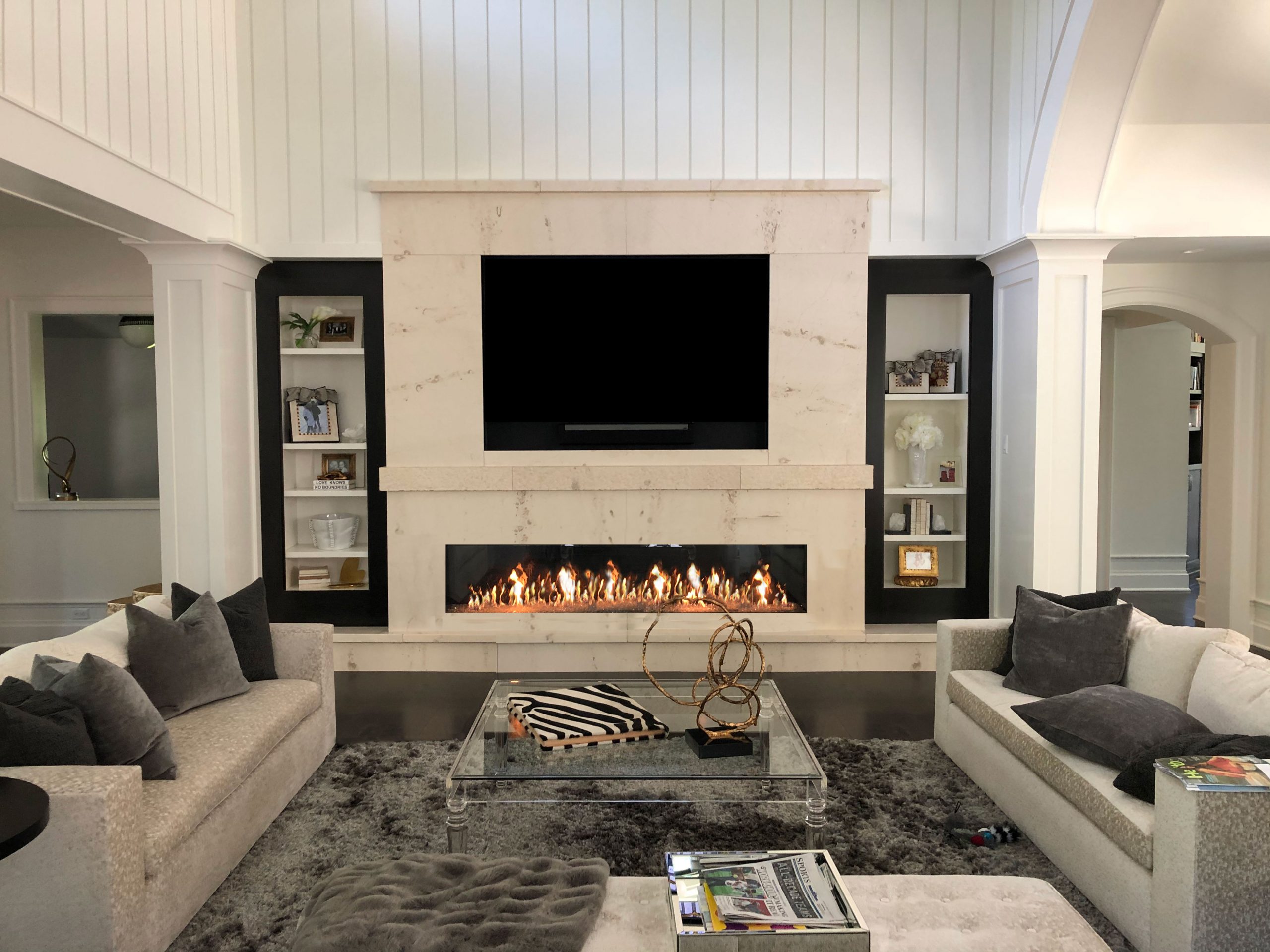
This is particularly concerning with older wood-burning fireplaces, which can produce temperatures well above 100°F. Even modern gas fireplaces can create enough heat to potentially harm your electronics. Consider how much heat builds up in your fireplace area when it's running.
Safety Concerns and Installation Risks
Beyond the heat issue, there are numerous safety considerations to keep in mind. Mounting hardware failures can lead to serious accidents, especially when dealing with heavy televisions. The weight of modern TVs, combined with the added stress of being positioned in a potentially unstable location, creates risk factors that many people overlook.
Let's talk about the actual risks:
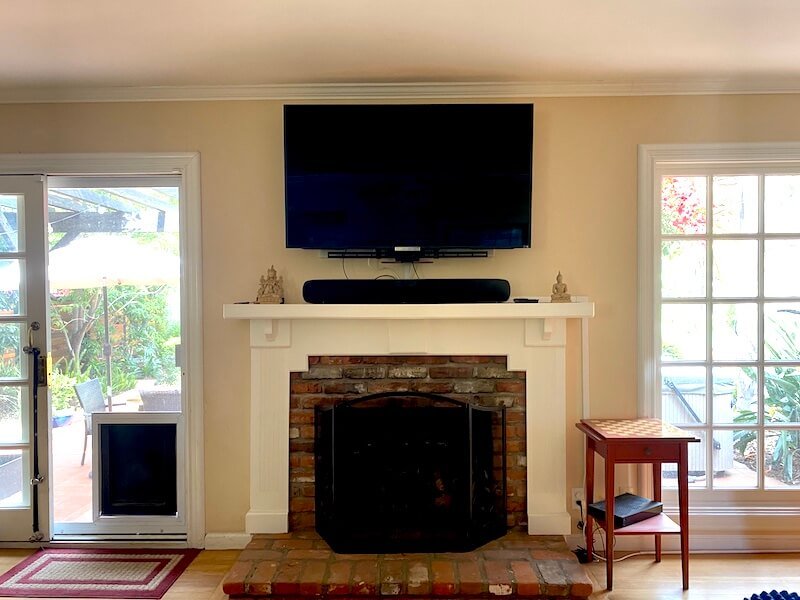
Another major concern is the stability of the mounting surface. Fireplaces often have unique construction elements that may not support the weight and stress of a mounted television. The masonry, brick, or stone used in fireplace construction varies greatly in strength and load-bearing capacity. Some materials can crack or shift under pressure.
Additionally, the positioning of your TV above a fireplace means you'll likely have to deal with different viewing angles and distances than normal. If you're sitting too close to the screen, you might experience neck strain from looking upward constantly. This is especially true if you have a large screen and low seating arrangements.
The Best Alternatives to Consider
If you really want that dramatic look of a TV above your fireplace, there are several alternatives that can work better and safer. These options allow you to maintain the aesthetic appeal while protecting your investment.
Here are some excellent alternatives:
Many homeowners find that a TV mounted on the wall just above the fireplace mantel works perfectly. This keeps the screen away from direct heat sources while maintaining the visual connection to the fireplace. The key is finding a balance between aesthetics and functionality.
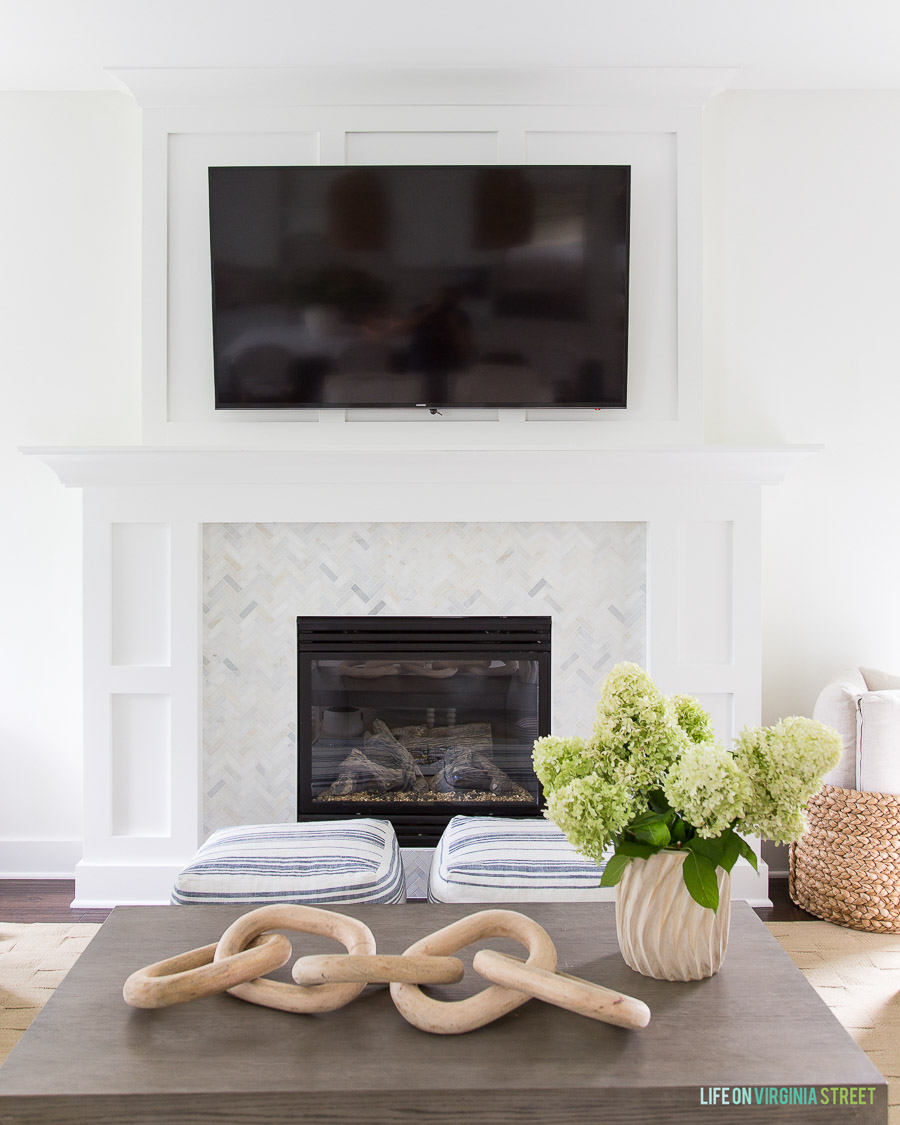
Consider also using a wall-mounted bracket that allows for some adjustability. This way, you can fine-tune the angle and height to suit your viewing preferences while keeping the screen at a safe distance from the heat source.
When It Might Actually Work
There are situations where mounting a TV directly over a fireplace can actually work well. It's not always a hard rule against it, but rather depends on several variables. If you're very careful about the setup, some installations can be successful.
The conditions that make this possible include:
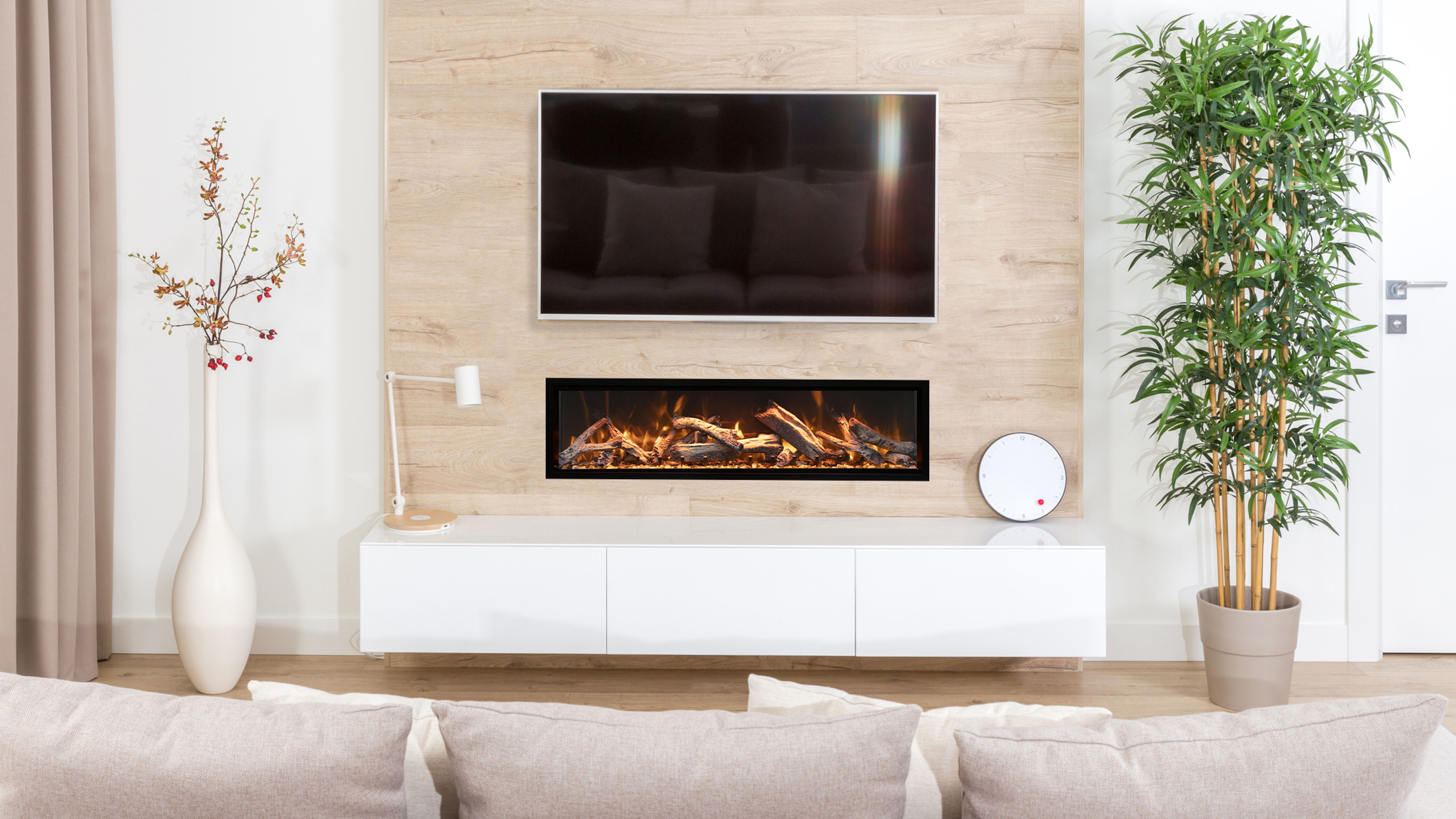
Some people successfully mount TVs over fireplaces when they use electric fireplaces exclusively. These units typically operate at much lower temperatures and produce minimal heat radiation. They're also more consistent in their heat output compared to wood or gas fireplaces.
Professional installation becomes even more critical in these cases. A skilled installer can determine the best mounting method based on your specific situation, including the type of fireplace, the size of your TV, and the structural integrity of the surrounding area. They'll also ensure that all electrical connections are properly handled and that the mounting hardware is appropriate for the weight and placement.
Technical Requirements and Measurements
If you decide to go ahead with mounting a TV above your fireplace, there are specific technical requirements you must follow. Proper measurements and planning are crucial for both safety and effectiveness.
Key measurements to consider:
The mounting bracket you choose matters enormously. Look for brackets specifically designed for overhead mounting, as these have additional safety features. They should be rated for the weight of your specific TV model and include proper anchoring systems for your wall type.
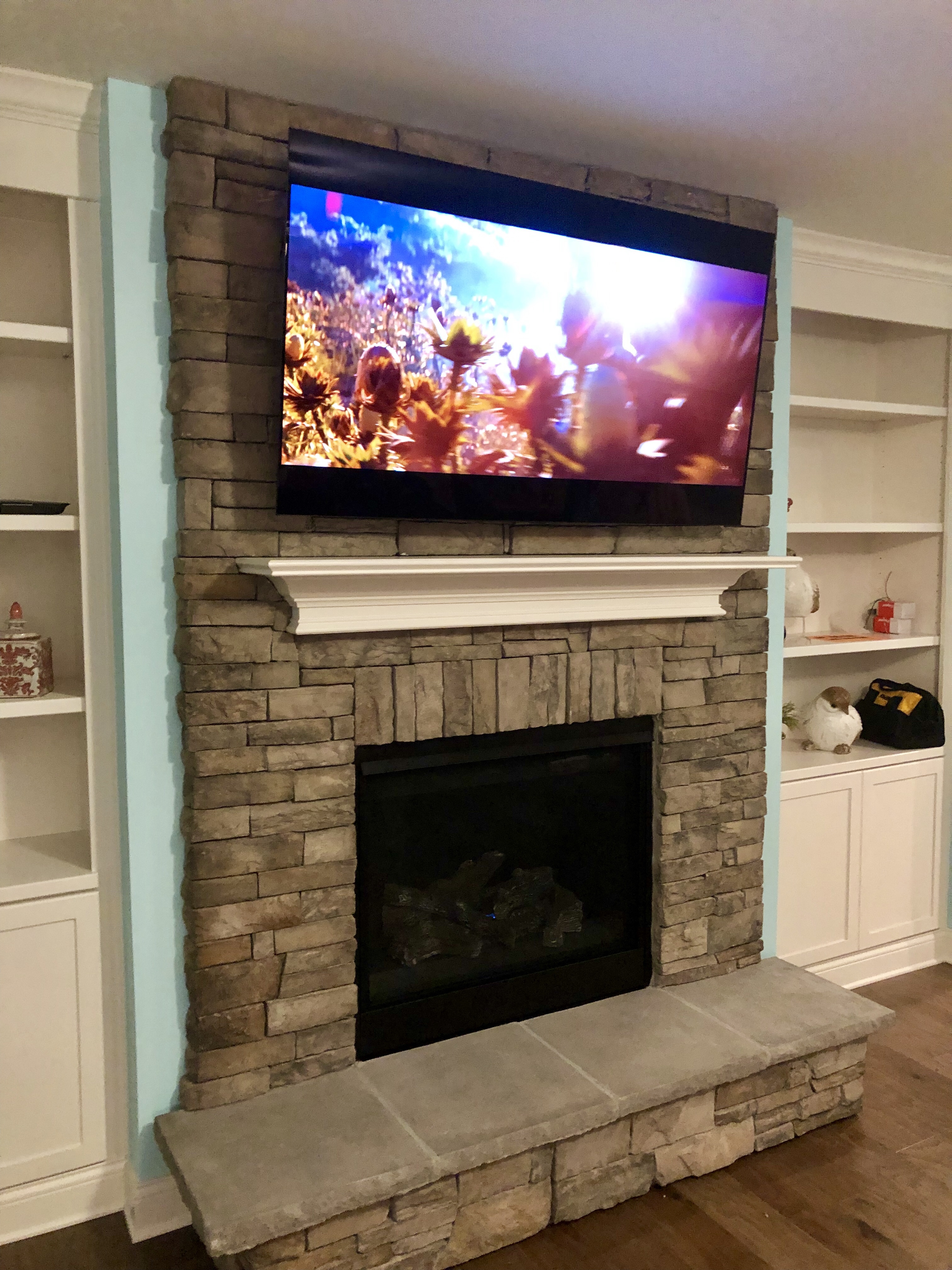
Another important factor is the type of fireplace. If you have a traditional masonry fireplace, the construction materials will impact how securely you can mount anything. Brick, stone, and concrete are generally stronger than drywall or plaster. Always check with a professional if you're unsure about your wall's ability to bear the load.
Professional Installation vs. DIY Approaches
While some people enjoy tackling home improvement projects themselves, mounting a TV above a fireplace is one of those jobs where professional help often pays off. The combination of electrical work, structural considerations, and safety requirements makes this a job best left to experienced technicians.
Why professionals matter:
DIY approaches can save money, but they come with significant risks. Without proper knowledge of electrical systems and wall structures, you could end up with a dangerous installation. There's also the risk of damaging your expensive television during the process.
Consider the cost of professional installation versus the potential costs of repairs or replacement if something goes wrong. A quality installation typically costs between $100-$300, depending on complexity. Compare this to the potential repair costs if you damage your TV or cause structural issues.
Also remember that many insurance policies require professional installation for certain types of mounting setups. Check with your homeowner's insurance provider to see if they have specific requirements or restrictions for TV installations above fireplaces.
Mounting a television above a fireplace can certainly be done safely and stylishly, but it requires careful planning, proper equipment, and often professional assistance. While the visual impact is undeniable, don't let aesthetics override safety considerations. The heat from fireplaces poses real risks to your electronics that shouldn't be ignored. Before making your final decision, evaluate your specific fireplace type, usage patterns, and the overall layout of your living space. Consider whether alternative mounting solutions might offer the same visual appeal with fewer risks. If you do decide to proceed with the installation, invest in quality mounting hardware and professional installation. Your television and your safety are worth the extra effort and expense. Ultimately, the best approach balances your design goals with practical safety measures. Whether you choose to mount directly over your fireplace or opt for a safer alternative, the key is making an informed decision based on your unique circumstances and priorities. Remember, a beautiful home should never compromise your safety or the longevity of your valuable electronics.


