
Imagine watching your beloved feline stretch out in the sunshine, chasing butterflies, and exploring every corner of your backyard. It's a dream many cat owners share, but it comes with its own set of challenges. How do you balance your cat's natural instincts with their safety? The answer lies in thoughtful planning and understanding.
There's something magical about watching a cat discover the world outside your home. Whether it's a curious kitten or an experienced adult, cats have an innate desire to explore. But when we let our feline friends venture into the great outdoors, we open up a whole new world of possibilities – and responsibilities. The good news? With the right approach, you can create a safe haven where your cat can enjoy the benefits of outdoor time while staying protected from potential dangers. This guide will walk you through everything you need to know to make your yard cat-friendly and secure.
Understanding Your Cat's Outdoor Needs
Every cat is different, but there are common elements that drive their desire to go outside. Some cats are naturally curious explorers, while others might be drawn to hunting opportunities or simply want to experience fresh air and sunlight. Understanding your cat's personality and behavior patterns is crucial.
Consider your cat's age and health. Younger cats tend to be more adventurous, while older cats might prefer smaller outdoor adventures. If your cat has health issues or is on medication, outdoor access might require special considerations.
Cats also have territorial instincts. They like to patrol their territory and mark boundaries. This is why many cats spend hours outside, not just for fun, but because it's part of their natural behavior. When you provide a safe outdoor space, you're actually helping satisfy their basic needs.
What does this mean for you? It means creating an environment that supports their natural behaviors rather than fighting against them.
Creating a Secure Outdoor Space
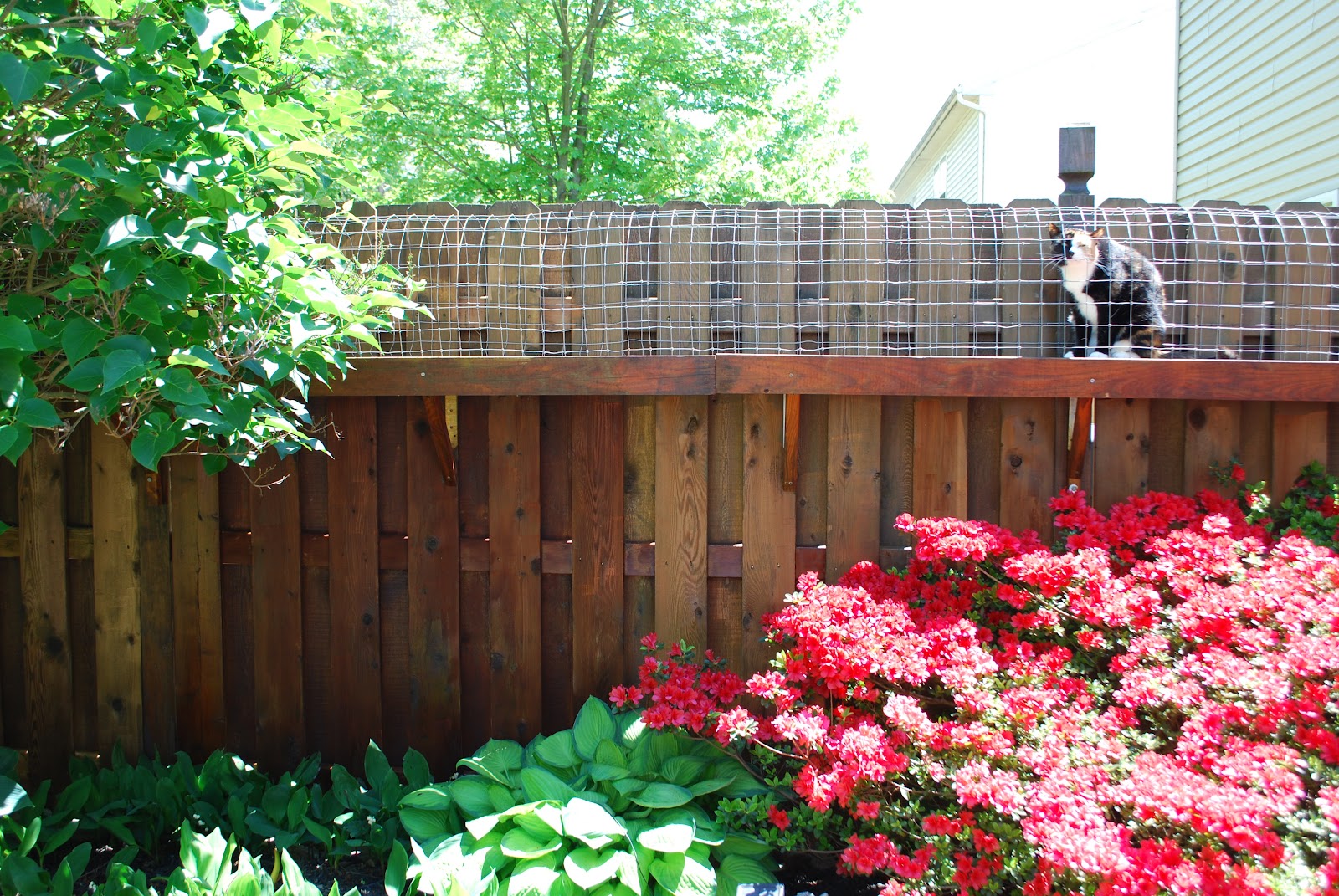
The first step in keeping a cat in your yard is making sure that space is safe for them. This starts with a proper fence that prevents escape and keeps predators out.
A solid fence should be at least 6 feet tall, with no gaps larger than 4 inches. Many cats are surprisingly good climbers, so consider adding chicken wire or mesh on the inside of the fence. Some cats might even try to squeeze through small spaces, so check for any potential escape routes.
If you have a large property, consider installing a cat-proof fence system. These often include features like electronic deterrents or specialized mesh materials designed specifically for pets.
But a fence alone isn't enough. You'll also want to think about the actual ground space. Remove any toxic plants, chemicals, or items that could cause harm. Check for holes in the ground where cats might get stuck or injured.
Some people create enclosed areas called "catios" or "cattails." These are essentially safe outdoor rooms built around existing structures or created from scratch. They give cats the freedom to explore while maintaining complete control over their environment.
Providing Essential Resources
When cats are outside, they still need all the basics that make them comfortable and healthy. Think about water, shelter, and food.
Water is essential. Cats drink less than dogs, but they still need fresh water available. Place multiple water bowls around the yard, especially in areas where your cat spends most time. Consider using water fountains designed for cats – they love the moving water.
Shelter is important too. Even if it's just a simple shelter or a covered area, cats appreciate having a place to rest and hide from weather or other animals. Look for options that offer protection from sun, rain, and wind.
Food should be kept away from areas where your cat might dig or disturb it. Feed your cat indoors during the day, then move their food bowl outside for evening meals. This helps prevent attracting unwanted wildlife to your yard.
Also consider providing toys and scratching posts. These help keep cats mentally stimulated and physically active, which is especially important when they're spending more time outside.
Managing Potential Dangers
Outdoor environments come with risks that indoor spaces don't have. Identifying these early can help prevent problems.
Chemicals and pesticides are one major concern. Many garden treatments, fertilizers, and pest control products can be deadly to cats if ingested or even touched. Always read labels carefully before applying anything to your yard.
Toxic plants are another danger. While some plants are safe, others like lilies, azaleas, and oleander can be fatal if eaten. Research which plants are safe in your area before planting anything.
Predators pose a serious threat. Dogs, birds of prey, and even larger cats can pose risks. Watch for signs of predators near your home, and consider installing motion lights or deterrents if necessary.
Insects and parasites are also common issues. Fleas, ticks, and mosquitoes can cause serious health problems. Regular vet checkups and preventative treatments are essential.
If you notice any signs of illness or injury in your outdoor cat, contact your veterinarian immediately. Early intervention can make all the difference.
Training and Socialization Techniques
Just like indoor cats, outdoor cats benefit from training and socialization. This helps them understand boundaries and behave appropriately in your yard.
Start with basic commands like 'come' or 'stay.' Use positive reinforcement techniques such as treats or praise when your cat responds correctly. Practice these regularly, especially when introducing them to new outdoor areas.
Gradual exposure is key. Don't drop your cat outside suddenly. Instead, start by letting them explore small sections of the yard first, gradually increasing the time and space.
Socialization matters too. If you have other cats or pets, ensure they get along well. Sometimes cats need time to adjust to each other's presence, especially if one is more territorial.
Consider your cat's comfort level with different surfaces. Some cats love soft grass, while others prefer concrete or tile. Pay attention to what they seem to enjoy most.
Remember that cats learn through repetition and consistency. The more structured your approach, the better your cat will adapt to outdoor life.
Monitoring and Maintenance
Once you've created a safe outdoor space, ongoing monitoring is vital. Regular checks help catch problems before they become serious.
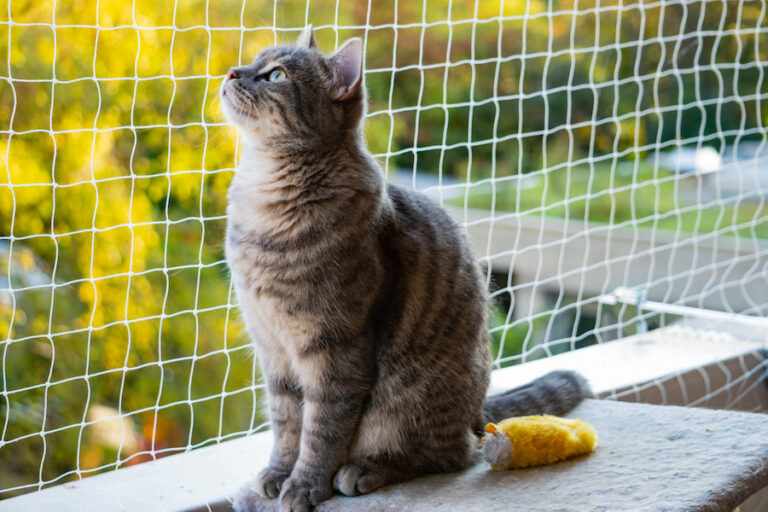
Check your fence regularly for damage or gaps. Weather conditions can weaken structures over time, and cats are always looking for ways to escape.
Keep an eye on your cat's behavior. Changes in appetite, energy levels, or activity patterns might indicate stress or health issues. Cats are masters at hiding illness, so pay attention to subtle changes.
Maintain cleanliness in the outdoor areas. Remove waste promptly, clean water bowls daily, and keep food areas free from debris. This prevents pests from being attracted to your yard.
Seasonal changes affect outdoor cats differently. During hot summer months, ensure there's plenty of shade and cool water. In winter, provide extra warmth and protection from the cold.
Keep records of your cat's outdoor activities, including any incidents or unusual behaviors. This information can be helpful if you ever need to consult with a veterinarian or animal behaviorist.
Letting your cat enjoy the outdoors can be one of the most rewarding experiences for both of you. It gives them the freedom to explore, hunt, and play in a safe environment. But remember, it's not just about letting them roam – it's about creating a thoughtful, secure space that meets their needs.
The key is preparation and ongoing attention. From building proper fencing to understanding your cat's individual personality, every step counts. Start slowly and watch how your cat adapts. What works for one cat might not work for another.
With the right approach, your outdoor cat can live a happy, healthy life while enjoying the best of both worlds – the comfort of home and the excitement of exploration. It's not about perfection, but about creating a loving, safe environment where your feline friend can thrive. The joy you see in their eyes when they're out in the sunshine, chasing butterflies or napping in the garden, makes every effort worthwhile. So take your time, stay observant, and most importantly, enjoy the journey together.


