
Have you ever looked at a beautiful home with a stunning stone fireplace and wondered if you could achieve the same look in your own space? The answer might be simpler than you think. Installing stone veneer over an existing brick fireplace can completely transform your living room's ambiance. This guide will walk you through everything you need to know about this popular renovation project.
The combination of natural stone and warm fireplace flames creates one of the most appealing focal points in any home. But what happens when you already have a brick fireplace? You might be surprised to learn that adding stone veneer over existing brick isn't just possible—it's often the preferred approach for many homeowners. It's like giving your fireplace a beautiful new skin while preserving all those charming brick details you love. This method allows you to enjoy the rustic appeal of stone without the hassle of removing your entire fireplace structure.
Why Choose Stone Veneer Over Brick?
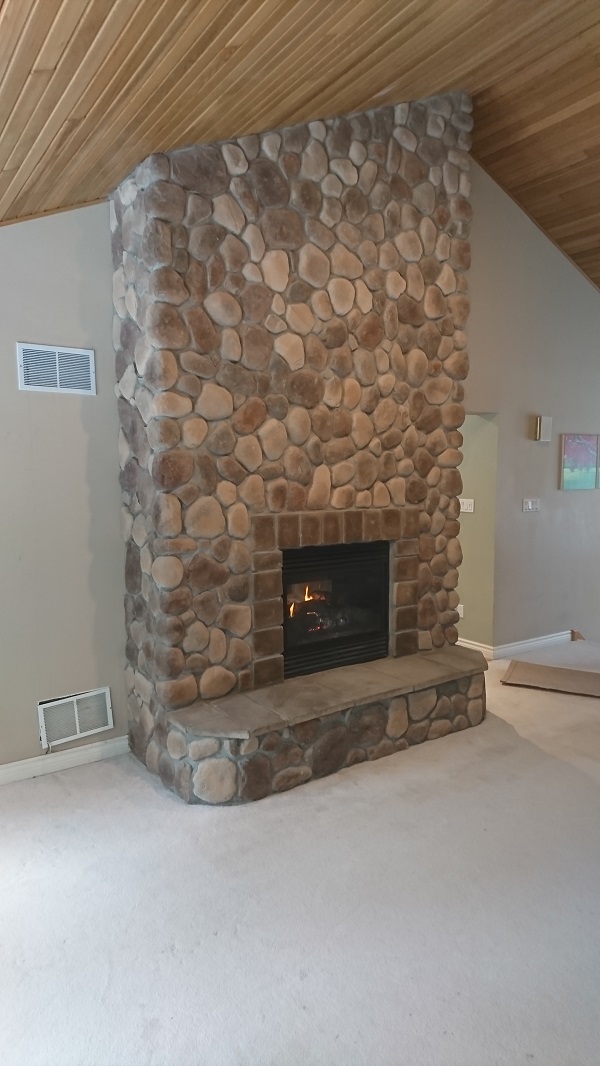
There are several compelling reasons why homeowners opt for stone veneer over existing brick fireplaces. First, stone veneer offers incredible versatility in design options. While brick comes in limited colors and textures, stone veneer provides endless possibilities with various natural stone types, sizes, and finishes. You can choose from limestone, sandstone, slate, or even manufactured stone that mimics the look of natural varieties.
The cost factor also plays a significant role. Installing new brick work can be quite expensive, requiring professional masons and specialized materials. Stone veneer installation is generally more budget-friendly while still delivering that premium stone appearance. Plus, the installation process is typically faster since you're working with lightweight panels rather than heavy brick units.
Another advantage is the ease of maintenance. Stone veneer requires less upkeep than traditional brick, which can develop mortar issues over time. The surface is easier to clean and doesn't require the same level of professional attention that brick masonry does.
Understanding Stone Veneer Types
Not all stone veneer is created equal, and understanding the different types available is crucial for your project success. Natural stone veneer includes genuine stone pieces that are cut and shaped to create a realistic look. These offer the most authentic appearance but come with higher costs and may require special handling during installation.
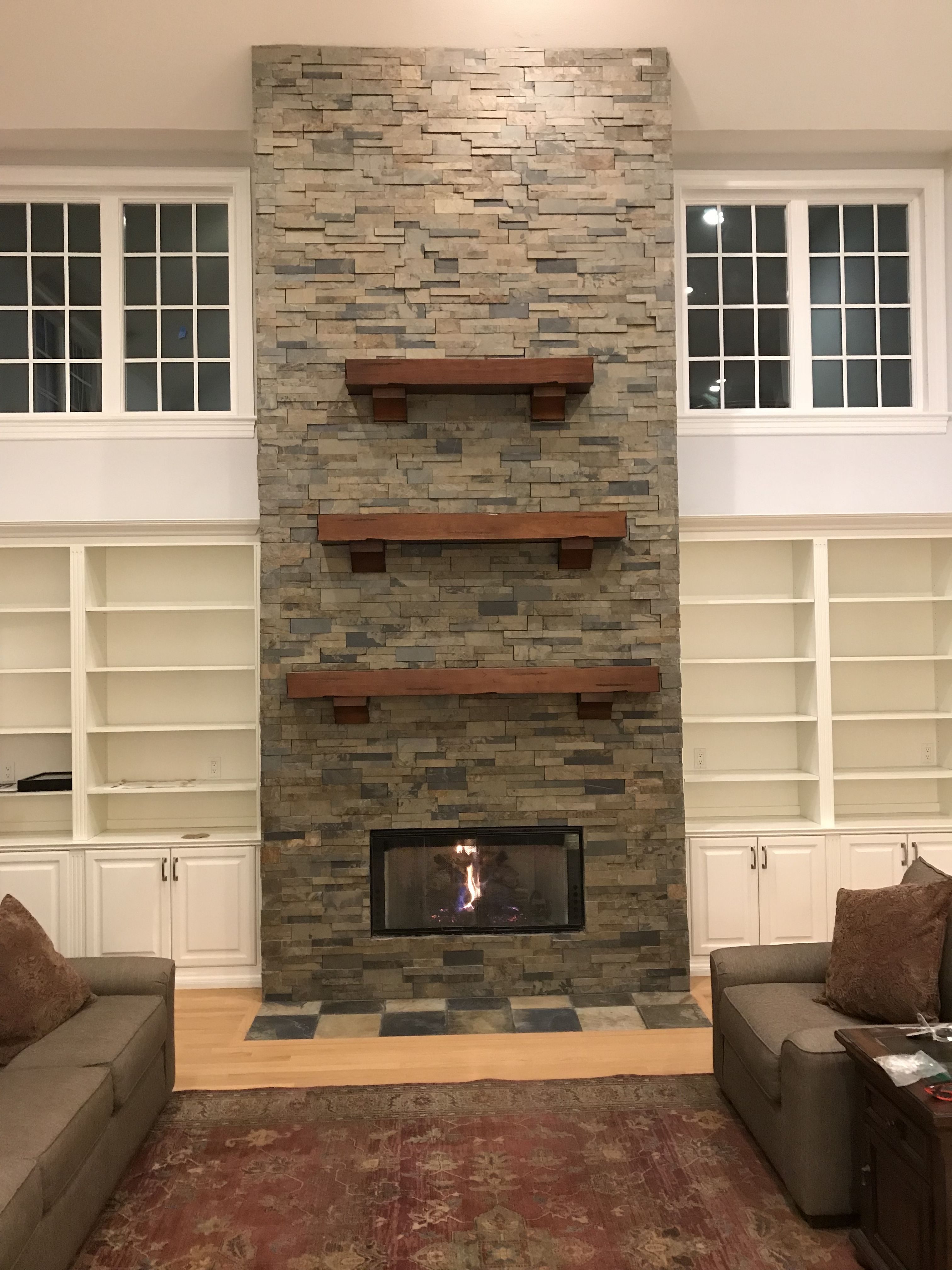
Manufactured stone veneer, on the other hand, is designed to mimic natural stone with computer-controlled cutting techniques. This option is often more affordable and consistent in appearance. Many manufacturers now produce high-quality replicas that are virtually indistinguishable from natural stone.
The thickness of stone veneer also matters. Standard veneer ranges from 3/8 inch to 1 inch thick. Thicker options provide better structural support but may require additional preparation of your existing brick surface. Thinner veneers are easier to install and work well when you want to maintain the original fireplace dimensions.
Preparation and Assessment
Before diving into installation, proper assessment of your existing brick fireplace is essential. Start by examining the condition of your current brick work. Look for cracks, loose mortar, or signs of water damage that might compromise the stability of your project. If the brick is in poor condition, you might need to address these issues first before proceeding.
Check the wall behind your fireplace for structural integrity. Stone veneer adds weight to the wall, so ensure the backing can support the load. If you're unsure, consult with a structural engineer or contractor familiar with masonry work. They can assess whether reinforcement is necessary.
Clean the existing brick thoroughly. Remove any loose material, dirt, or efflorescence (white salt deposits) that might interfere with adhesion. The surface needs to be dry and free of contaminants for optimal results. Some professionals recommend using a wire brush or pressure washer for thorough cleaning.
Installation Process Overview
Installing stone veneer over brick fireplace is a multi-step process that requires careful planning and execution. Begin by creating a detailed layout plan showing how you want the stone arranged. This helps visualize the final result and ensures even distribution of the stone pieces.
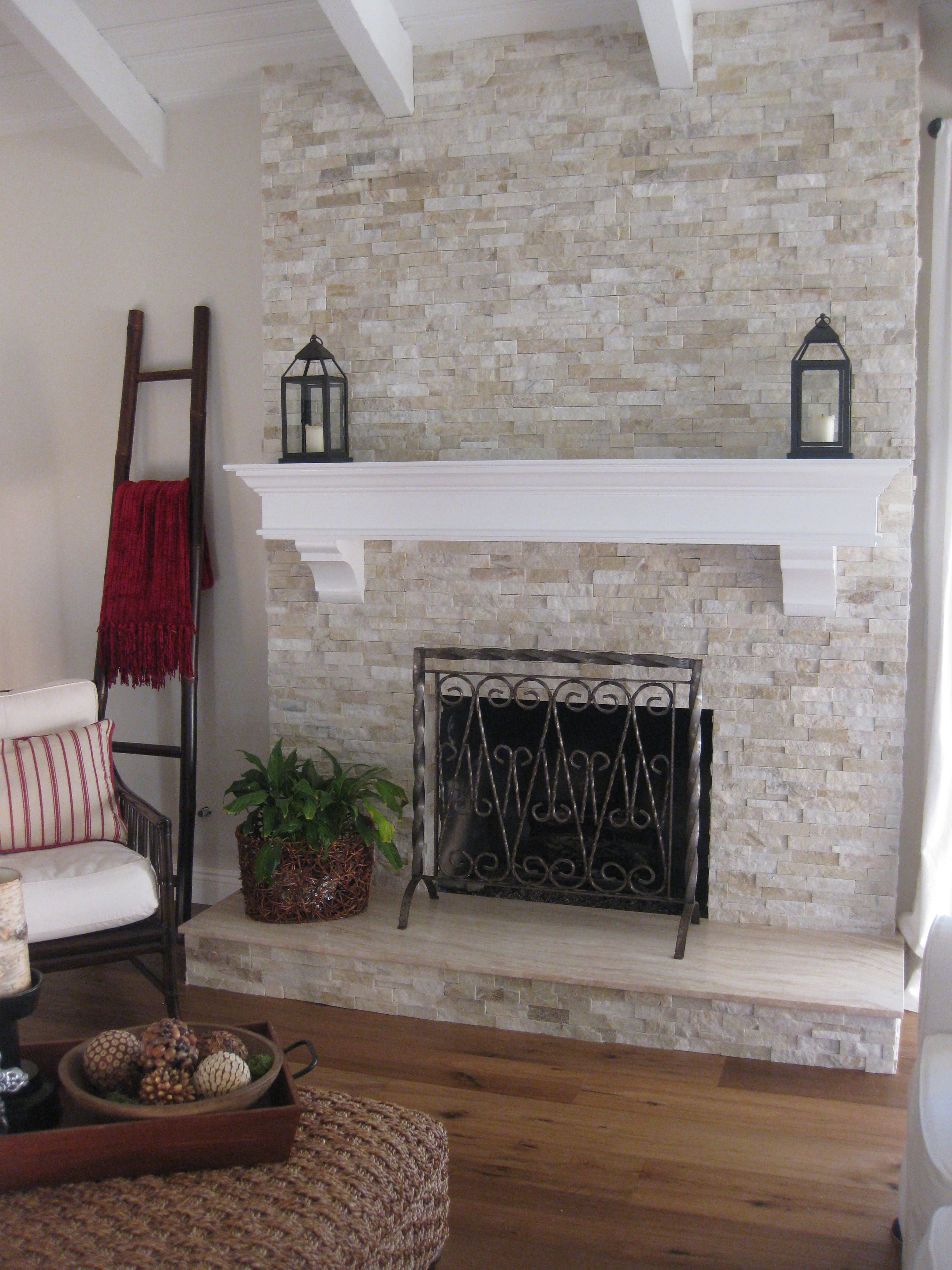
Apply thin-set mortar to the back of each stone piece according to manufacturer instructions. Press the stone firmly against the wall and check that it's level. Use spacers to maintain consistent gaps between stones for grout lines. These gaps typically range from 1/8 to 1/4 inch, depending on the stone type and desired look.
Work systematically from bottom to top, ensuring each row is properly aligned. The vertical joints should be staggered between rows for a more natural appearance. Pay special attention to corners and edges, which often require custom cuts to fit properly. Some installations benefit from using a laser level to maintain straight lines throughout the project.
Key Considerations and Challenges
While stone veneer installation over brick fireplaces can be rewarding, several challenges deserve attention. One common issue is dealing with irregular brick surfaces that may not provide a perfectly flat base for the veneer. In such cases, you might need to apply a leveling compound or use shims to create a smooth surface.
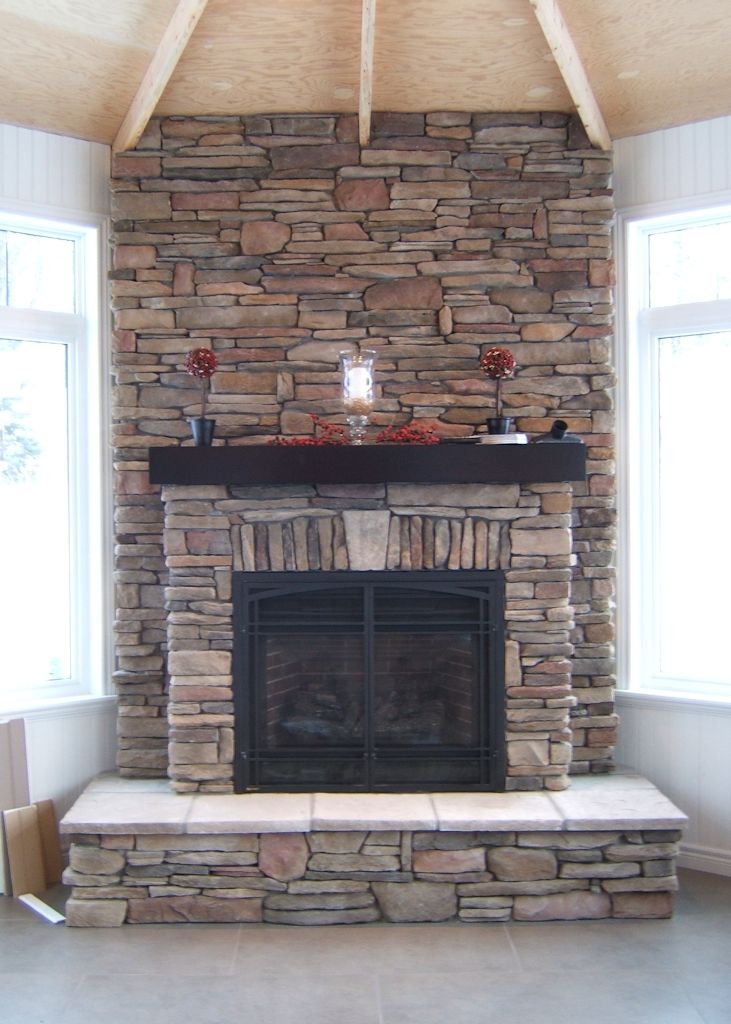
Weather exposure is another factor to consider, especially if your fireplace faces outdoor elements. Even though you're working indoors, some homes experience temperature fluctuations that can cause expansion and contraction. This stress can lead to cracking or loosening of the stone veneer over time.
Fireplace safety regulations must also be considered. Ensure that any installation meets local building codes and fire safety requirements. Some areas require specific clearance distances from heat sources, and certain stone types may not be suitable for direct contact with fireplace heat.
Maintenance and Longevity
Proper maintenance extends the life of your stone veneer installation significantly. Regular cleaning with mild soap and water helps preserve the appearance and prevent buildup of dirt or stains. Avoid harsh chemicals that might damage the stone surface or grout.
Annual inspection for loose stones or damaged grout lines is recommended. Address small issues promptly to prevent them from becoming larger problems. If you notice any cracks or gaps developing, re-grouting or replacing individual pieces is usually straightforward.
Consider applying a sealer to protect your stone veneer from moisture and staining. This treatment is particularly important for natural stone varieties that are more porous. Follow manufacturer recommendations for application frequency and maintenance schedule.
Adding stone veneer over an existing brick fireplace represents a smart investment in both aesthetics and functionality. This approach allows you to achieve that coveted natural stone look while preserving the structural integrity of your current fireplace. With proper planning, quality materials, and attention to detail, the transformation can be remarkable. Whether you're looking to modernize your living space or simply add a touch of elegance, stone veneer offers endless possibilities. The key lies in understanding the process, choosing appropriate materials, and addressing potential challenges before they become problems. Remember, a well-executed stone veneer installation can last decades with minimal maintenance, making it a worthwhile endeavor for any homeowner serious about improving their home's character.


