
When you're planning to install an above ground pool, you might think the main expenses are the pool itself and the surrounding decking. But there's another crucial aspect that often gets overlooked - the electrical installation. This isn't just about plugging in a few lights. It's about ensuring your pool area is safe, functional, and up to code. The electrical work can easily become one of the biggest expenses in your pool project, and understanding what goes into it can save you both time and money.
Let's face it - setting up an above ground pool is exciting. You've picked out the perfect location, chosen your favorite design, and now you're ready to dive in. But before you start filling that pool with water, there's something that many people forget about: electrical installation. It's easy to assume that since it's an above ground setup, you won't need much electrical work. Wrong! Proper electrical installation for above ground pools is critical for safety and functionality. Whether you're adding a simple light or upgrading to a full lighting system, the electrical components play a major role in how your pool area operates and looks. And let's be honest, when you're budgeting for this project, you want to know exactly what you're paying for, right? That's where we come in. We're going to break down everything you need to know about the typical costs associated with electrical installations for above ground pools.
Understanding Electrical Requirements for Above Ground Pools
Every pool area needs electricity, but the requirements vary depending on what you plan to do with your space. For above ground pools specifically, you'll typically need electrical service for:
The National Electric Code (NEC) sets strict guidelines for pool electrical installations. These rules exist to protect swimmers from electrical hazards. Let's talk about why these requirements matter so much.
Think about it - you're dealing with water and electricity in close proximity. That combination can be dangerous if not handled properly. The NEC requires GFCI protection, proper grounding, and adequate electrical capacity. This means that simply plugging in a regular outlet won't cut it. You need dedicated circuits and sometimes even specialized electrical panels. When you're planning your pool setup, consider how many electrical devices you'll have running at once. Will you have lights, a pump, and maybe a heater all operating simultaneously? If so, your electrical system needs to handle that load.

Let's take a real-world example. Sarah had a 16-foot round above ground pool and wanted to add LED lighting, a pool pump, and a small waterfall feature. She underestimated her power needs and ended up tripping circuit breakers regularly. Her solution? A professional electrician upgraded her electrical service to accommodate all her equipment. The cost was higher than she expected, but it saved her from potential safety issues and expensive repairs.
Factors That Influence Installation Costs
There are several variables that affect how much your electrical installation will cost. Understanding these factors can help you plan better and avoid surprises later.
The size and type of your pool play a big role. Larger pools generally require more electrical components. A 24-foot round pool will need different electrical setups compared to a 12-foot oval. The complexity of your pool features also matters. Simple lighting might cost less than a full LED system with programmable controls.
Location and accessibility are important too. If your pool is in a tight spot where electrical wires must be run through concrete or around existing structures, expect to pay more. Sometimes you'll need to trench underground cables, which adds labor costs.
Another key factor is whether you're doing a new installation or retrofitting an existing pool. New installations typically cost less because you can plan the electrical layout from scratch. Retrofitting often involves working around existing electrical infrastructure, which complicates things and increases costs.

Let's look at some numbers. For basic electrical needs like a simple pool light and pump connection, you might see costs between $200-$500. However, if you want a full lighting system with multiple fixtures and smart controls, the price tag could jump to $800-$1,500 or more. The exact amount depends heavily on your local labor rates, which vary significantly across different regions.
Breakdown of Common Electrical Components
Now let's get into the nitty-gritty of what actually goes into an electrical installation for an above ground pool. Here are the most common components you'll encounter:
It's worth noting that some people try to save money by doing electrical work themselves. While it might seem straightforward, electrical codes are strict, and improper installations can lead to serious safety issues. Plus, if you ever sell your home, buyers often want to see proper electrical certifications.
Average Cost Ranges Across Different Scenarios
Here's where things get interesting - costs can vary dramatically based on what you're trying to accomplish. Let's look at some realistic scenarios:
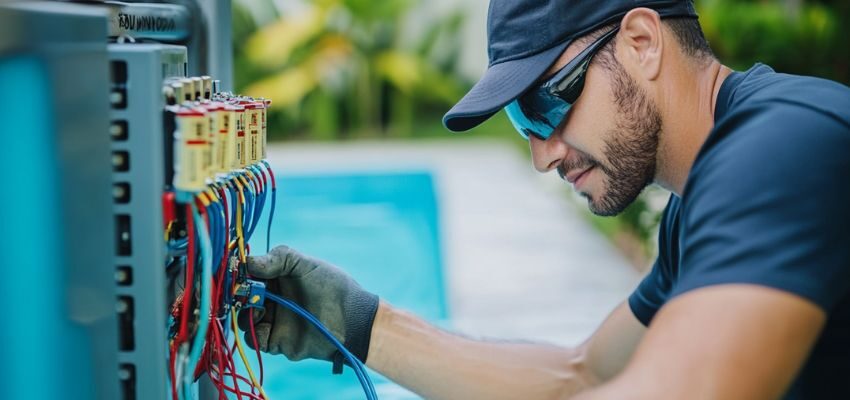
Basic Setup: A simple pool with basic lighting and a standard pump installation typically costs $400-$800. This includes GFCI protection, basic wiring, and one or two underwater lights.
Mid-Range Upgrade: If you're adding more features like multiple lighting zones, a timer system, and upgraded pump equipment, expect to pay $800-$1,500. This is where most homeowners fall in terms of their electrical needs.
Luxury Installation: For those wanting premium LED lighting systems, automated controls, heating elements, and advanced safety features, costs can reach $1,500-$3,000. This is for high-end pool setups that really showcase what's possible.
Retrofit Situations: If you already have a pool but need to add electrical components, expect to pay 20-30% more than a new installation. This is because you have to work around existing infrastructure.
Regional variations also impact pricing. In cities like New York or San Francisco, electrical labor rates can be 50% higher than in smaller towns. Similarly, rural areas might have fewer qualified electricians available, which can drive prices up.
One thing to remember is that while you're spending money upfront, proper electrical installation can increase your home's value. Potential buyers often view well-installed pool electrical systems as a desirable feature.

Tips for Saving Money Without Compromising Safety
You don't have to spend a fortune on electrical installation, but there are some smart ways to keep costs reasonable without cutting corners on safety.
Start by getting quotes from multiple electricians. Don't just go with the cheapest option - look for professionals who understand pool electrical requirements. Ask about warranties and guarantees on their work. A good electrician will stand behind their installation.
Consider timing your installation strategically. Many electricians offer seasonal discounts during off-peak months. Summer is typically the busiest time for pool installations, so winter or early spring might save you some money.
Do some research ahead of time. If you know exactly what you want to install, bring detailed plans or photos to your consultation. This helps electricians give you more accurate quotes and reduces the chance of unexpected costs.
Think about phased installation. Instead of installing everything at once, you might want to add components over time. This spreads the cost over several months or even years.
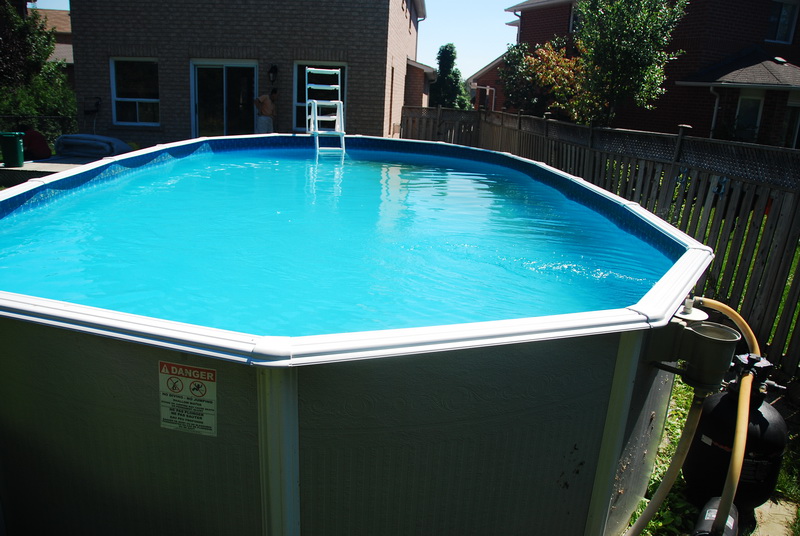
Don't skimp on safety features. Investing in quality GFCI protection and proper grounding is cheaper than dealing with electrical problems later. Remember, safety should never be compromised for savings.
Some homeowners choose to install only the basics first and upgrade later. This approach works well if you're unsure about your final preferences or budget constraints. You can always add more features when you're ready.
Red Flags to Watch Out For
While shopping for electrical installation services, be aware of warning signs that might indicate poor quality or overcharging.
If someone promises installation for under $200, they're likely cutting corners somewhere. Quality pool electrical work requires proper materials and skilled labor. Anything suspiciously cheap should raise concerns.
Be wary of electricians who don't ask about your specific pool setup. A knowledgeable professional will want to know about your pool size, planned features, and existing electrical infrastructure.
Beware of quotes that don't include specific details. If a quote only says 'pool electrical installation' without breaking down components, it might be hiding extra charges.
Watch out for electricians who refuse to provide references or documentation. Legitimate professionals should be happy to show past work and explain their process.
Also, be cautious if an electrician tries to sell you unnecessary upgrades. They should recommend what's truly needed for your situation, not what's most profitable for them.
Finally, never let anyone work without proper permits. Pool electrical installations often require permits, and unlicensed work can void insurance policies and create legal problems. If you're unsure, check with your local building department about requirements.
Installing electrical systems for above ground pools is a significant investment that shouldn't be taken lightly. From basic lighting to complex automation, the electrical components you choose will impact both the function and safety of your pool area. While costs can vary widely based on size, features, and location, understanding the typical ranges and requirements helps you make informed decisions. Remember that proper electrical installation isn't just about convenience - it's about protecting everyone who uses your pool. Don't let budget concerns compromise safety. Take the time to research, compare options, and choose qualified professionals. Your future self will thank you for making smart choices today. Whether you're planning a simple upgrade or a complete overhaul, knowing what to expect financially makes the whole process much smoother. And when you finally sit back and enjoy your beautifully lit pool, you'll appreciate that careful attention to electrical details made all the difference.


