
When it comes to fireplace design, one of the most important decisions homeowners face is determining the proper height for their mantel. This seemingly simple choice actually impacts the entire room's balance and aesthetics. The right mantel height can make your space feel cohesive and well-proportioned, while the wrong height can throw off your entire design scheme. Let's explore what factors influence mantel height and how to choose the perfect one for your home.
Picture this: you've just finished installing a stunning new fireplace, and everything looks perfect except for one thing – the mantel seems either too high or too low. It's a common problem that many homeowners encounter when designing their living spaces. The mantel isn't just decorative; it's a crucial element that affects the overall look and feel of your room. Whether you're building a new home or renovating an existing space, understanding how tall your fireplace mantel should be can transform your project from frustrating to flawless. The height of your mantel influences proportions, creates visual balance, and even affects how people move through the room. It's not just about personal preference – there are established principles that guide these decisions.
Understanding Basic Proportions
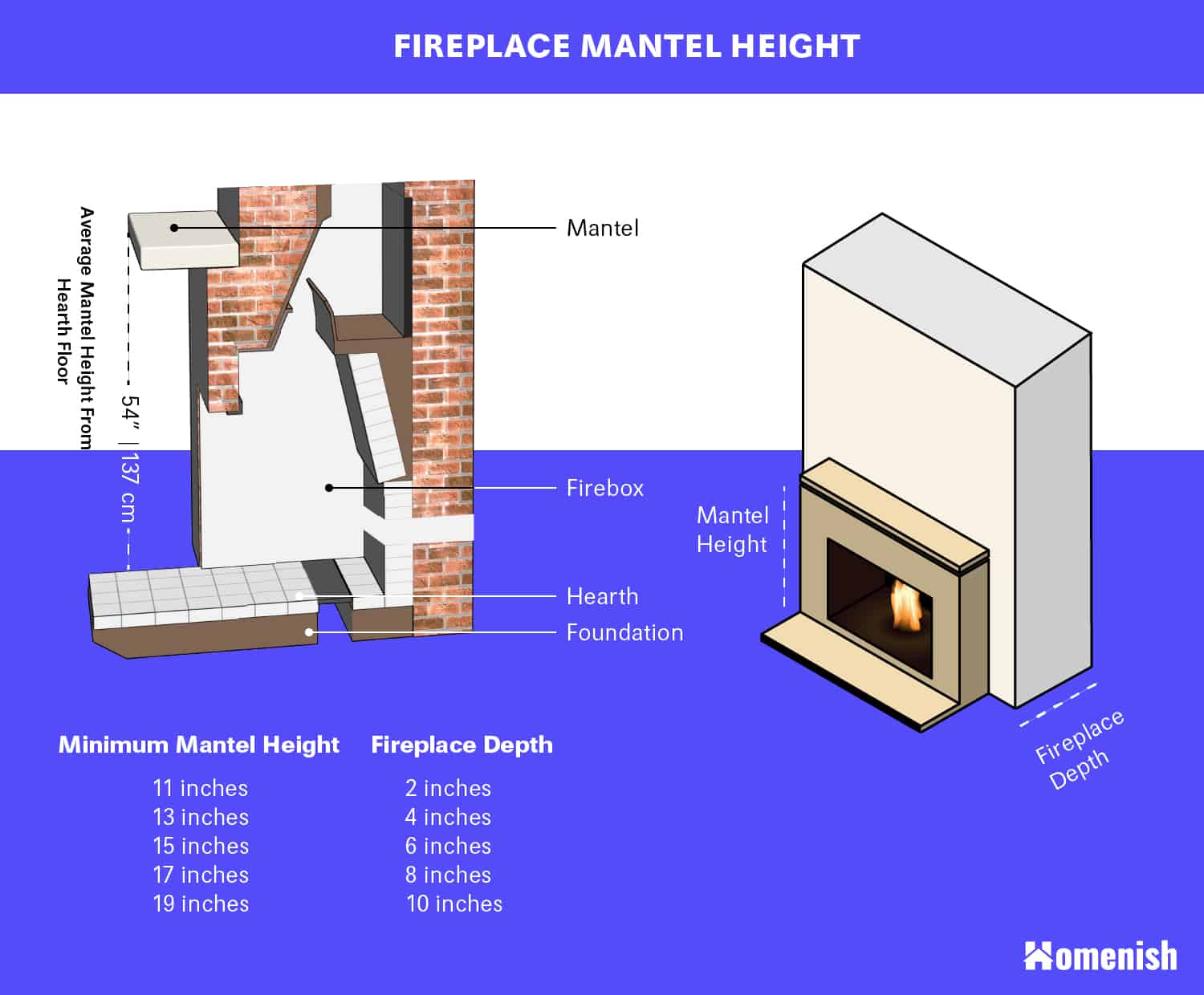
The relationship between your mantel height and your fireplace dimensions matters more than you might think. When selecting a mantel, consider the overall scale of your fireplace opening. For standard fireplaces, a mantel typically ranges from 18 to 36 inches in height. But the exact measurement depends on several factors including the width of your fireplace and the ceiling height in your room. Think about it like this: if your fireplace is wide and tall, you might want a taller mantel to maintain visual balance. Conversely, a smaller fireplace might benefit from a more modest mantel height. The golden rule is to keep the mantel proportional to the fireplace itself. If you're unsure, measure your fireplace opening and then add about 6 to 12 inches to determine a good starting point. This approach helps prevent the mantel from looking disproportionate or awkwardly placed.
Room Ceiling Height Considerations
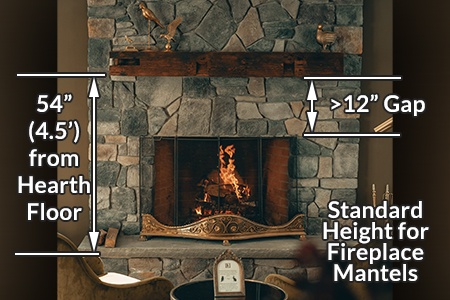
Ceiling height plays a huge role in determining mantel size and placement. In rooms with standard 8-foot ceilings, you'll want to ensure your mantel doesn't overwhelm the space. A general guideline is to keep the mantel no higher than 1/3 of the room's total height above the fireplace. So for an 8-foot ceiling, your mantel should ideally sit around 2 to 3 feet above the fireplace opening. Higher ceilings offer more flexibility, allowing for larger mantels that can serve as focal points. However, don't go overboard – even in high-ceiling rooms, the mantel should feel connected to the fireplace rather than floating away. Consider the room's purpose as well. A living room might accommodate a taller mantel, while a bedroom might benefit from something more intimate. The key is creating harmony between all elements in the room.
Standard Measurements and Guidelines
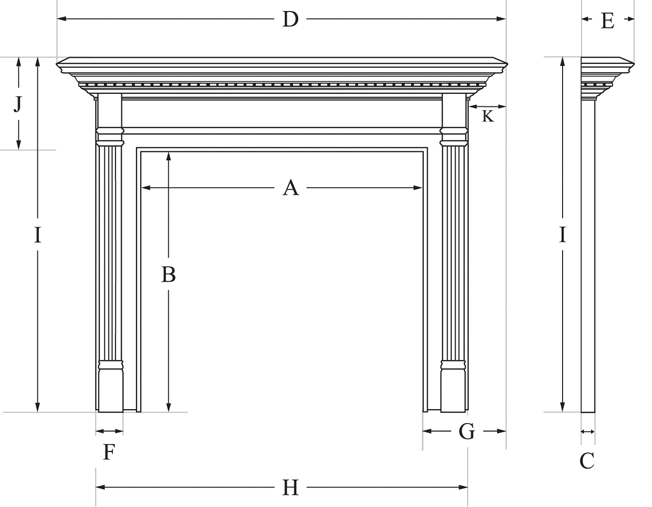
There are some established rules that most designers follow when choosing mantel heights. Most traditional mantels range from 18 to 30 inches in height, which works well for most standard fireplaces. For larger fireplaces, 30 to 36 inches often feels appropriate. The exact measurements depend on your specific situation. Here are some helpful benchmarks to consider:

These numbers aren't set in stone, but they provide a solid foundation for decision-making. Many people find success using the 1/3 rule – placing the mantel about one-third of the way up from the floor to the ceiling. This mathematical approach often results in visually pleasing proportions.
Functional vs. Decorative Mantels
Not every mantel needs to be purely decorative. Some serve functional purposes beyond aesthetics. If your mantel will hold items like books, candles, or family photos, you'll want to consider both height and depth. Functional mantels often require more vertical space to accommodate various objects. Think about how you plan to use the space above your fireplace. Will you display artwork? Keep it simple with a shorter mantel. Do you have a collection of vintage items? You might need extra height to showcase them properly. The height also affects how easily people can reach items on the mantel. A mantel that's too low means constant bending, while one that's too high makes it difficult to access. Striking the right balance ensures both beauty and practicality. Consider adding a small shelf or ledge if you need extra storage space.
Personal Style and Design Preferences
While there are technical guidelines, your personal style ultimately matters most. Some homeowners prefer bold, statement-making mantels that draw attention upward. Others favor subtle, understated pieces that blend seamlessly with their decor. Modern homes often feature clean lines and minimal mantels, while traditional spaces might call for ornate, detailed designs. Your furniture arrangement also influences the final choice. If you have large sectional sofas or tall bookcases nearby, you might want a shorter mantel to avoid overwhelming the space. The overall aesthetic of your home should guide your decision. A farmhouse-style home might benefit from a rustic, medium-height mantel, while a contemporary space might call for something sleeker and lower. Don't ignore what feels right for your unique taste and lifestyle.
Practical Tips for Measurement and Installation
Before making any final decisions, take careful measurements. Start by measuring the width of your fireplace opening and the height of your mantel base. Then decide how much additional height you want to add. Remember that the mantel should appear balanced when viewed from eye level. This means considering where people will be standing when looking at the fireplace. If you're unsure, ask someone to stand in the typical viewing position and assess the proportions. Many professionals recommend measuring from the floor to the top of the mantel and ensuring it's no more than 30-36 inches from the fireplace opening. Also consider the thickness of the mantel itself – a thicker piece might require adjusting your calculations. Professional installation can make a big difference, especially for larger or more elaborate mantels.
Choosing the right fireplace mantel height is both an art and science. While there are general guidelines to follow, the best approach combines these principles with your personal style and practical needs. Remember that the mantel should enhance rather than compete with your fireplace, and it should feel proportionate to the room. Take time to measure carefully, consider how the space will be used, and trust your instincts. Don't let the process stress you out – the right mantel height can make your fireplace the true centerpiece of your home. Whether you opt for a modest 18-inch mantel or a dramatic 36-inch piece, the key is achieving harmony between all elements. Your fireplace deserves a mantel that complements its beauty while serving your lifestyle perfectly. With thoughtful planning and consideration, you'll end up with a stunning focal point that brings joy to your home for years to come.


