
Picture this: a cozy evening, crackling flames dancing in the hearth, warmth spreading through your home. That's the magic of a wood burning fireplace. But before you start dreaming about that perfect winter evening, there's something important to consider – the cost of installation. Yes, that's right, even the most beautiful fireplace comes with a price tag. Let's dive into what really goes into making your fireplace dream a reality.
Installing a wood burning fireplace isn't just about buying the stove itself. It's a whole project that involves planning, permits, materials, and professional labor. The costs can vary wildly depending on your location, the complexity of your setup, and whether you're doing it yourself or hiring experts. Some folks think they can save money by skipping professional installation, but that's often a costly mistake. The reality is, a properly installed fireplace is not just about aesthetics – it's about safety, efficiency, and longevity. So let's break down exactly what you're looking at when you plan to bring that fireplace home.
Understanding Installation Basics
Before we get into the numbers, let's talk about what actually happens during installation. This isn't just about placing a stove in your living room. It's a process that includes chimney work, ventilation requirements, building code compliance, and sometimes structural modifications. Think of it like building a house within a house – everything has to fit together perfectly.
The first step is typically assessing your existing chimney. Many homes have old, damaged, or inadequate chimneys that need upgrading or replacement. This can be one of the biggest expenses in the project. A masonry chimney might need cleaning, repairs, or even complete rebuilding if it's in poor condition. For those with newer homes, a new chimney might be necessary.
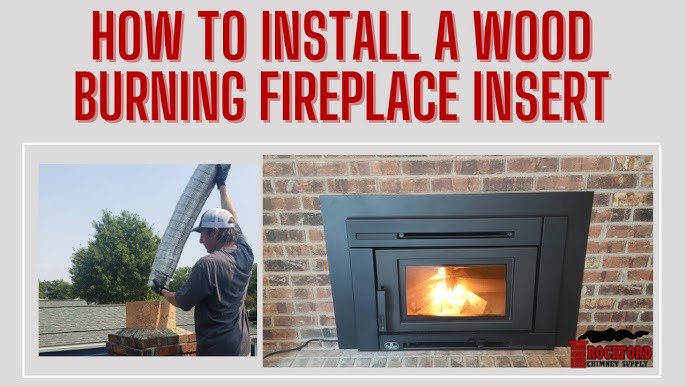
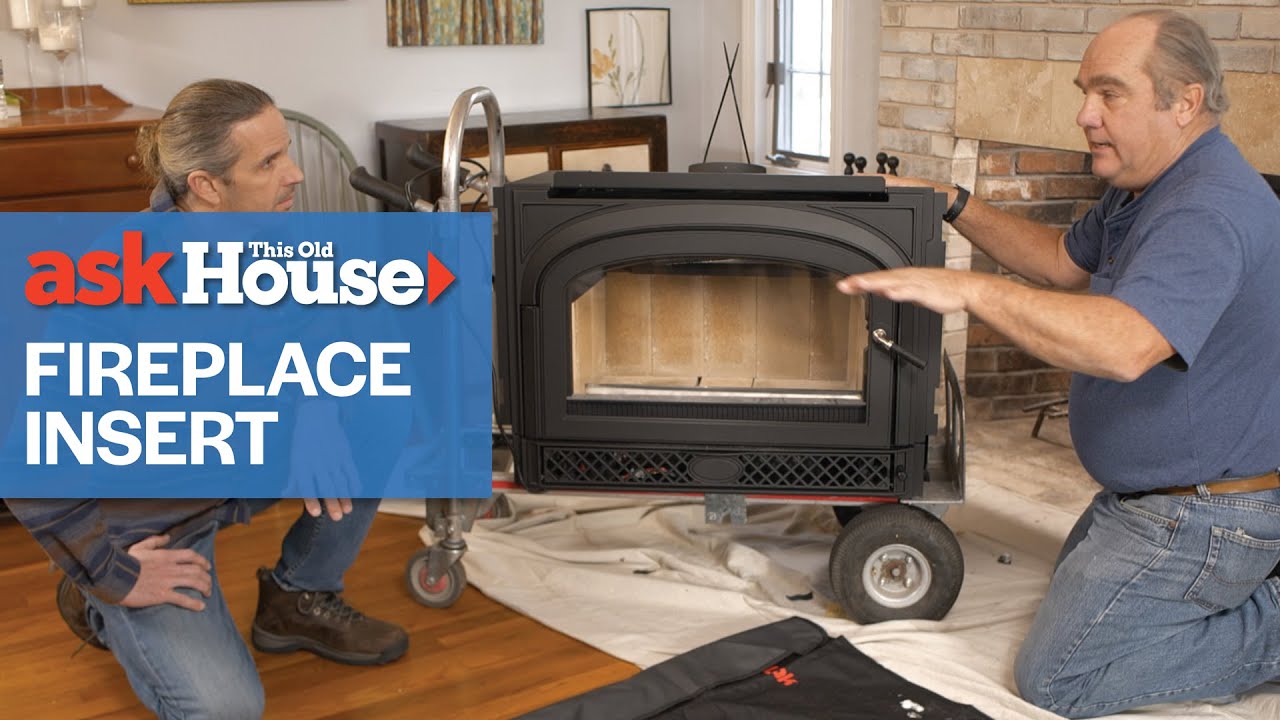
Next comes the actual fireplace installation. This includes mounting the unit, ensuring proper clearances, creating adequate ventilation, and meeting local building codes. Each state and city has different requirements, and some areas are stricter than others. The type of fireplace you choose also affects the installation complexity – a simple insert versus a full masonry fireplace requires very different approaches.
Fireplace Type and Its Impact on Costs
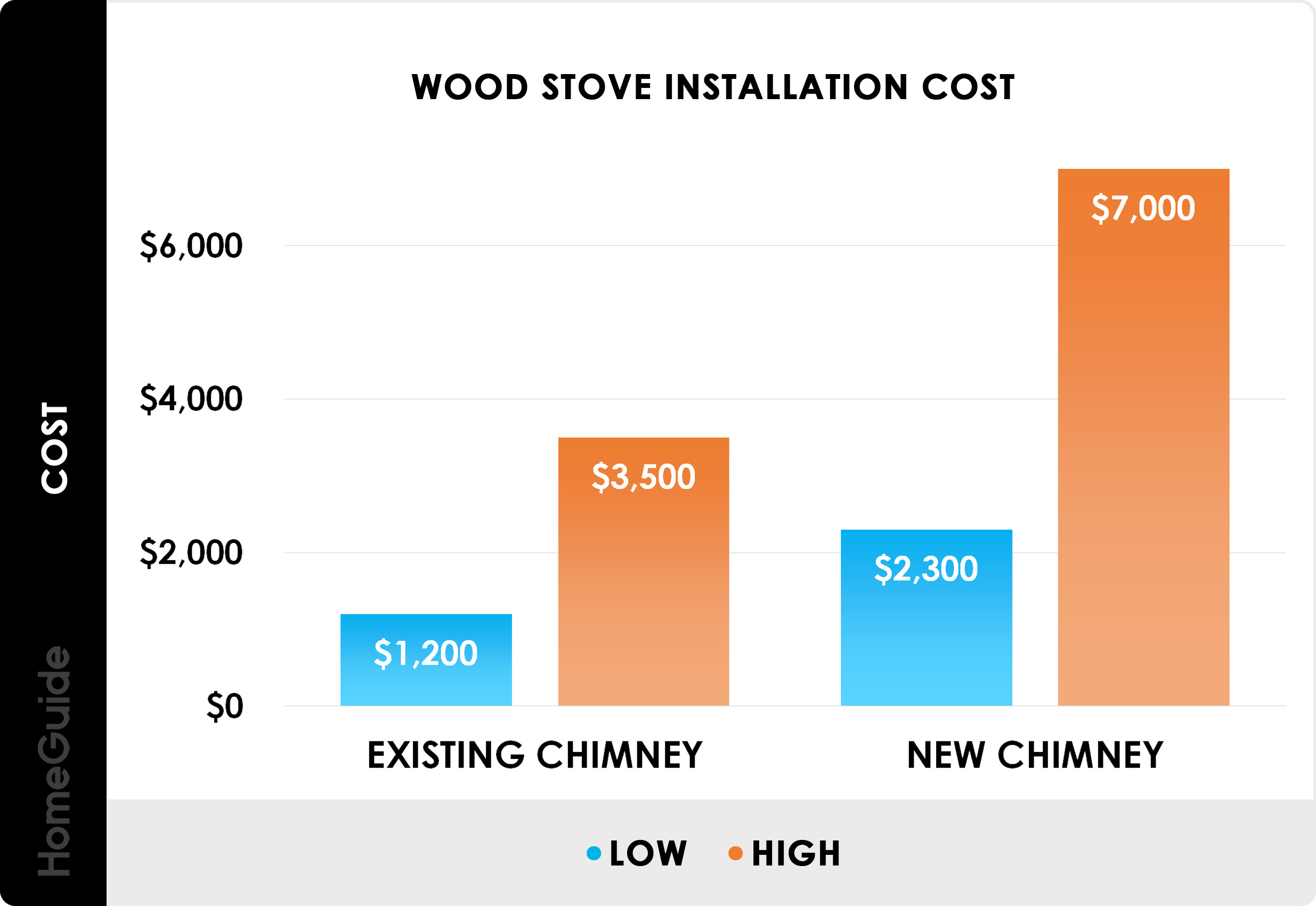
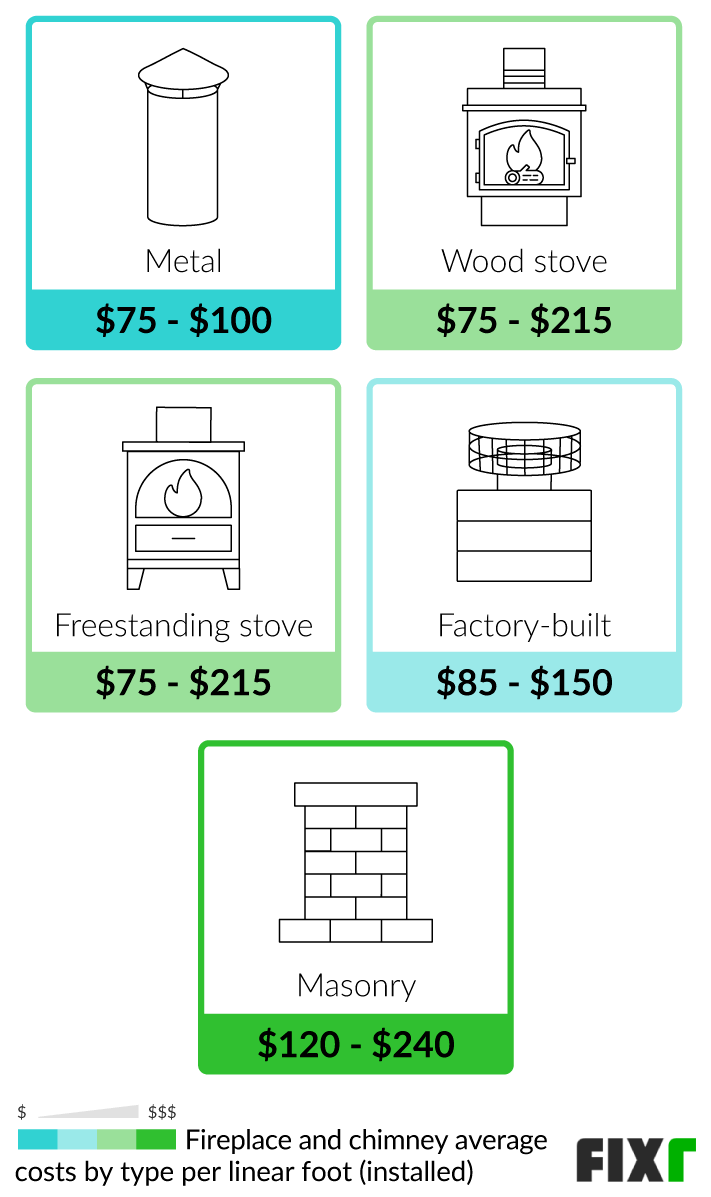
Not all fireplaces are created equal, and that makes a big difference in pricing. Here's what you need to know:
The type you choose directly impacts how much time and money you'll spend on the installation process. Each option has its pros and cons, and understanding these helps set realistic expectations.
Chimney Requirements and Upgrades
One of the most overlooked aspects of fireplace installation is chimney work. Your chimney is essentially the lifeline of your fireplace system, and it needs to be in excellent condition. If you're lucky enough to have a well-maintained chimney, that's great news. However, many homes have chimneys that need attention.
Common chimney issues include:
These problems can add anywhere from $500 to $3,000 to your total installation cost. Sometimes, the chimney work alone can cost more than the fireplace itself. It's crucial to have a professional inspect your chimney before starting any installation project.
If your home doesn't have a chimney at all, you'll need to build one from scratch. This is a significant investment, especially if you're adding a new chimney through an existing wall. The cost for a new chimney ranges from $2,000 to $5,000, depending on materials and complexity. It's also worth noting that building codes may require specific chimney heights and clearances that could impact your overall design.
Permits, Inspections, and Legal Requirements
Here's something that catches many people off guard: you'll likely need permits for your fireplace installation. Building departments across the country require permits for fireplace installations, and for good reason. Fireplaces aren't just decorative items – they're heating appliances that must meet strict safety standards.
Permit costs vary significantly by location but typically range from $50 to $200. Some cities charge additional fees for inspections, which can add another $100 to $300 to your project. These inspections happen at multiple stages during installation to ensure everything meets local codes.
What happens if you skip the permit process? You could face serious consequences. Not only could you be fined, but insurance companies might refuse to cover damages if something goes wrong. Plus, you'll be unable to sell your home legally if the installation wasn't done according to regulations.
Local codes also dictate things like minimum clearances from walls and furniture, required ventilation, and specific installation heights. These rules exist to protect you and your family from fire hazards. Understanding these requirements early in the process can save you both time and money later on.
Professional Labor and Expertise
This is where most people underestimate costs. Hiring professionals isn't just about paying someone to do the work – it's about ensuring safety and quality. Professional installation is especially important for wood burning fireplaces because improper installation can lead to dangerous situations like carbon monoxide leaks or chimney fires.
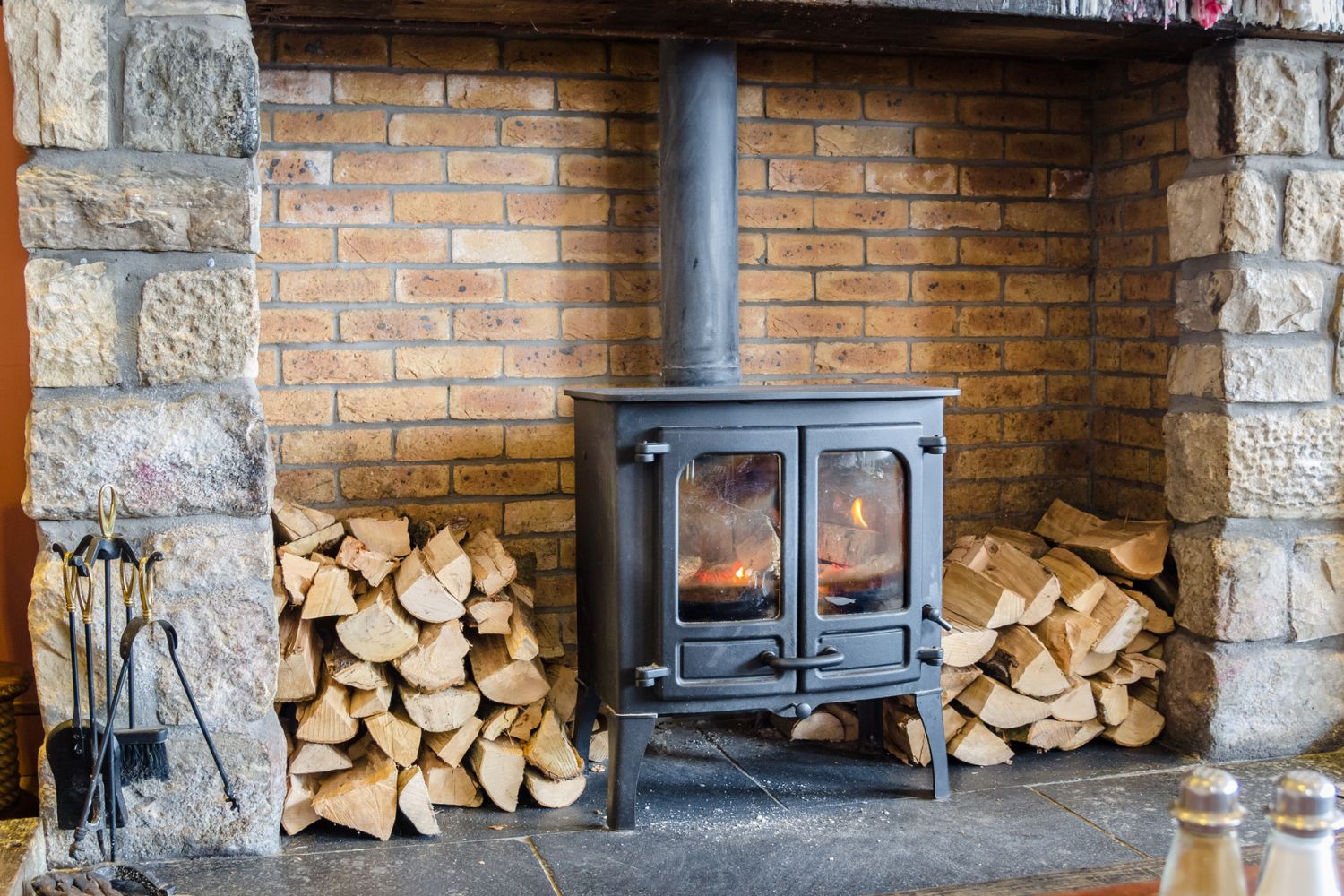
Labor costs vary widely based on region and experience level. In major metropolitan areas, you might pay $80 to $150 per hour for skilled fireplace installers. In smaller towns, rates might be closer to $50 to $100 per hour. Most installations take between 4 to 8 hours, depending on complexity.
For a basic insert installation, expect to pay $800 to $2,000 for labor alone. More complex projects, such as full masonry installations, can easily reach $3,000 to $6,000 for labor costs. It's worth noting that experienced professionals can spot potential problems before they become costly issues.
Many installers offer package deals that include both materials and labor. These can sometimes save you money compared to shopping for each item separately. However, always verify that the installer has proper certifications and insurance. A good installer will also provide warranties and ongoing maintenance support.
Additional Costs to Consider
There are several hidden expenses that can catch homeowners off guard. Here's what to budget for:
Don't forget to factor in the cost of wood storage if you plan to burn logs regularly. A typical wood storage area might cost $500 to $1,500 to set up properly.
It's also wise to set aside 10-20% of your total budget as a contingency fund. Construction projects rarely go exactly according to plan, and unexpected issues can arise during installation.
Money-Saving Tips Without Compromising Safety
While you don't want to cut corners on safety, there are ways to manage costs effectively:
Remember, the cheapest option isn't always the best value. Investing in quality materials and experienced installation will pay dividends in safety, efficiency, and longevity. A poorly installed fireplace can cause more problems than it solves, leading to expensive repairs or even safety hazards down the road.
Regional Variations in Pricing
Location plays a huge role in determining final costs. Here's how geography affects your fireplace installation budget:
Regional differences in contractor rates can vary dramatically. A simple installation in one area might cost $2,500, while the same job in another region could cost $5,000. Always research local market rates and get multiple quotes before committing to any installation project.
Timeline and Project Management
Installation timing matters more than most people realize. The entire process from start to finish typically takes 2-4 weeks, though this varies based on complexity and permit approval times.
Here's a typical timeline:
Some projects extend beyond this timeline due to weather delays, permit issues, or unexpected discoveries during installation. Weather can particularly impact outdoor chimney work, which might delay your project by a week or more.
Effective project management can help keep costs down and avoid surprises. Setting realistic timelines helps you budget better and allows for proper planning of other home activities during the installation window.
Long-Term Value and Benefits
When you consider the total cost of installation, it's important to think about long-term benefits. While the upfront investment might seem steep, wood burning fireplaces offer several advantages:
The return on investment varies, but many homeowners find their fireplace pays for itself over time through energy savings and increased property value. Additionally, the emotional value of having a real fireplace – the sound of crackling logs, the warmth, the ambiance – can't be measured in dollars alone.
Installing a wood burning fireplace is a substantial investment that requires careful planning and realistic budgeting. From chimney work to permits, from labor costs to regional variations, there are many factors that influence the final price tag. But remember, this isn't just about buying a stove – it's about creating a safe, functional, and beautiful addition to your home.
The key is to approach this project with thorough research and realistic expectations. Don't let the initial cost discourage you from enjoying the warmth and beauty that a properly installed fireplace brings. Whether you're choosing a simple insert or a full masonry masterpiece, the investment in quality installation will serve you well for years to come. After all, a fireplace isn't just a heating source – it's a gathering place, a focal point, and a source of comfort in our increasingly digital world. The cost of installation might seem high, but the value it brings to your home and family makes every penny worthwhile.


