
There's something deeply satisfying about a clean, well-maintained brick fireplace. It's not just about aesthetics though – a properly cleaned fireplace can actually improve your home's air quality and safety. Whether you've had it for decades or just installed a new one, understanding how to care for your brick fireplace is essential.
Let's face it – brick fireplaces are beautiful, but they also tend to collect dust, soot, and grime over time. Without proper attention, they can look dingy and uninviting. The good news? With the right approach and some basic supplies, anyone can master the art of brick fireplace cleaning. It's not rocket science, but it does require a few key steps and considerations. We'll walk you through everything you need to know, from simple weekly maintenance to deep cleaning when things get really grimy.

Understanding Your Brick Fireplace
Before diving into cleaning methods, it's important to understand what kind of brick you're dealing with. Some bricks are more porous than others, which means they absorb dirt and stains differently. Common types include clay bricks, concrete bricks, and natural stone bricks. Clay bricks tend to be more delicate and may require gentler treatments. Concrete bricks are usually more durable and can handle stronger cleaners. Natural stone bricks might need special attention to avoid damage. Check if your fireplace has any sealers applied – these can affect how you clean and what products you should use. If you're unsure, look for manufacturer labels or consult a professional. What matters most is knowing that not all cleaning approaches work for every type of brick.

Essential Tools and Supplies
Having the right equipment makes all the difference in achieving a clean fireplace. You'll want a soft-bristled brush, a vacuum with a hose attachment, and a mild detergent mixed with warm water. For tougher spots, you might need a specialized brick cleaner or even a pressure washer – but only if your brick is designed to handle it. Always test any cleaning solution on a small, hidden area first. Other useful items include old towels, rubber gloves, and a drop cloth to protect your floor. Don't forget to have a good flashlight handy – you'll be looking in dark corners where dirt tends to hide. What you choose depends on how dirty your fireplace is and how much time you want to invest.
Weekly Maintenance Tips
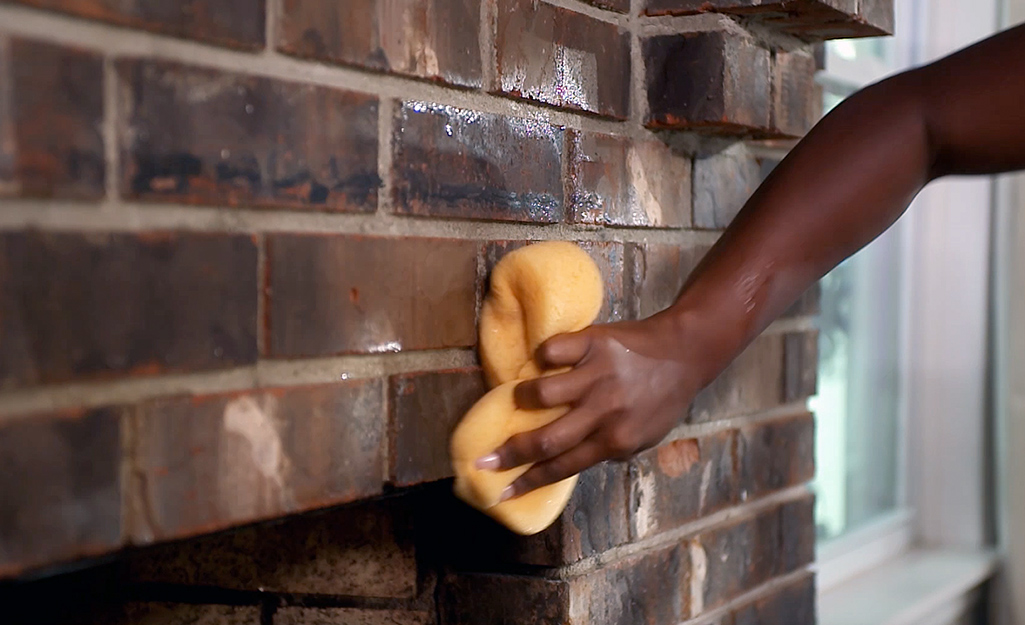
Regular upkeep prevents major cleaning sessions later. Wipe down the hearth and surrounding areas with a damp cloth after each use. Remove ash and debris from the firebox using a small shovel or brush. Vacuum the crevices and corners where dust accumulates. These simple actions can keep your fireplace looking fresh between deeper cleanings. Consider placing a screen in front of the fireplace to prevent sparks from landing on nearby surfaces. Also, check that the damper opens and closes smoothly – this helps prevent smoke buildup. Remember, a little effort now can save you hours of scrubbing later. Plus, regular maintenance keeps your fireplace functioning safely.
Deep Cleaning Process
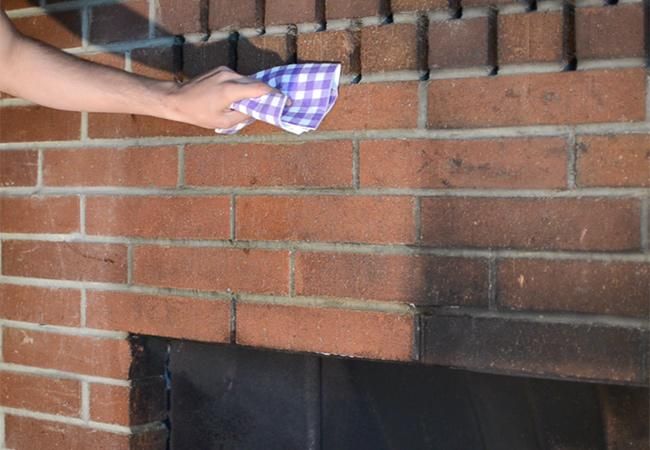
When your fireplace needs a thorough going-over, start by removing all removable items like the mantel and any decorative elements. Clear out ashes completely and remove any soot buildup with a vacuum. Then apply your chosen cleaner according to manufacturer instructions. Work in small sections, applying gentle pressure with a soft brush. Rinse thoroughly with clean water and allow to dry completely before using again. This process can take several hours, but it's worth it for a truly spotless fireplace. If you notice loose mortar or damaged bricks, consider consulting a mason for repairs. Don't rush this step – taking time ensures you don't miss anything important.

Safety Precautions and Best Practices
Cleaning a fireplace involves potential hazards, so safety should always come first. Wear protective gear including gloves and eye protection. Never mix different cleaning chemicals together – they can create dangerous fumes. Make sure your fireplace is completely cool before starting any cleaning work. If you're using power tools like a pressure washer, be extra careful about moisture getting into electrical components. Keep children and pets away from the cleaning area. Finally, always check local regulations about fireplace cleaning – some areas have specific requirements for wood-burning fireplaces. Following these practices protects both you and your home.
Troubleshooting Common Issues
Sometimes things don't go as planned during a cleaning session. Stains that won't budge often require special treatment or multiple attempts. Black soot marks are common and can be removed with a mixture of baking soda and water. Rust stains from metal components might need vinegar or citric acid solutions. If your brick starts to look dull or faded after cleaning, it could mean you used too strong a product. In such cases, try a milder cleaner or consult a professional. Some stains are permanent, especially those caused by prolonged exposure to smoke or water damage. Knowing what to expect helps manage expectations and find the best solutions.
Cleaning a brick fireplace is an investment in both beauty and safety. While it might seem daunting at first, breaking the process into manageable steps makes it achievable for anyone. Regular maintenance keeps the job light, while deep cleaning brings back that original charm. Remember to respect the material you're working with, follow safety rules, and don't hesitate to seek professional help when needed. Your fireplace deserves the care it gets, and with these tips, you'll be able to enjoy it for years to come. The satisfaction of a spotless fireplace is unmatched, and it starts with understanding how to properly care for it.


