
When it comes to transforming your outdoor area, pavers offer a durable and attractive solution. But before you start planning your dream patio or walkway, it's important to understand the financial side of things. How much will those beautiful stones cost you? The answer isn't always straightforward, but we're here to break it down for you.
Pavers have become increasingly popular for homeowners looking to enhance their outdoor living spaces. Whether you're dreaming of a stone pathway, a backyard patio, or a driveway, the cost factor plays a major role in your decision-making process. The price tag per square foot can vary dramatically based on several factors, from material type to installation complexity. Understanding these costs helps you plan better and avoid unpleasant surprises later on. Let's dive into what affects paver prices and how you can budget accordingly.
What Factors Influence Paver Prices?
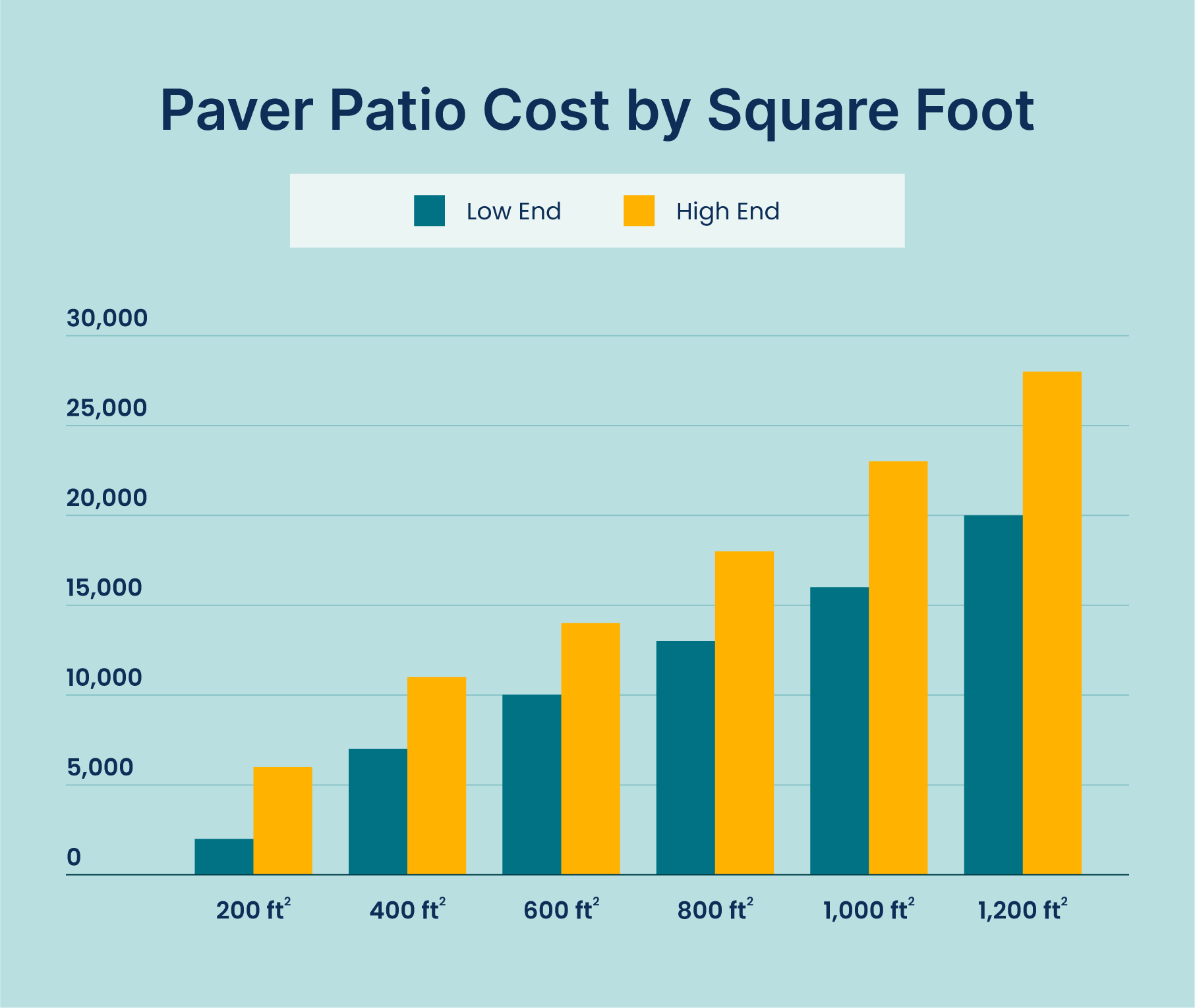
Several elements contribute to the final cost of your paver project. Material quality is one of the biggest influencers. Higher-grade materials like natural stone typically cost more than manufactured brick or concrete pavers. The size and thickness of each paver also matter - larger pieces often command higher prices. Additionally, the color and texture options available can impact cost, with some specialty finishes being more expensive. Location matters too; labor costs vary significantly across different regions, affecting overall project expenses.
Material Types and Their Price Ranges
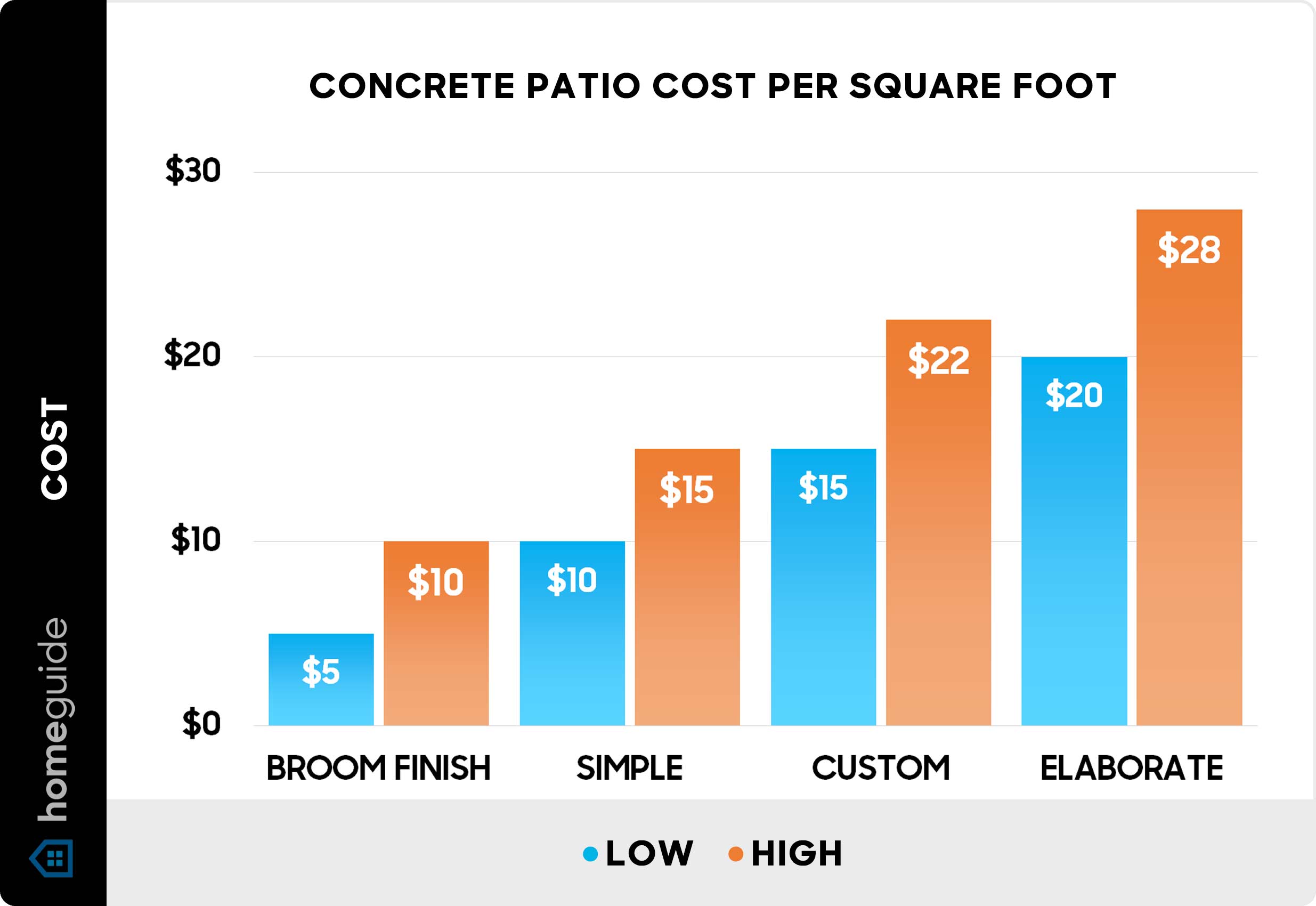
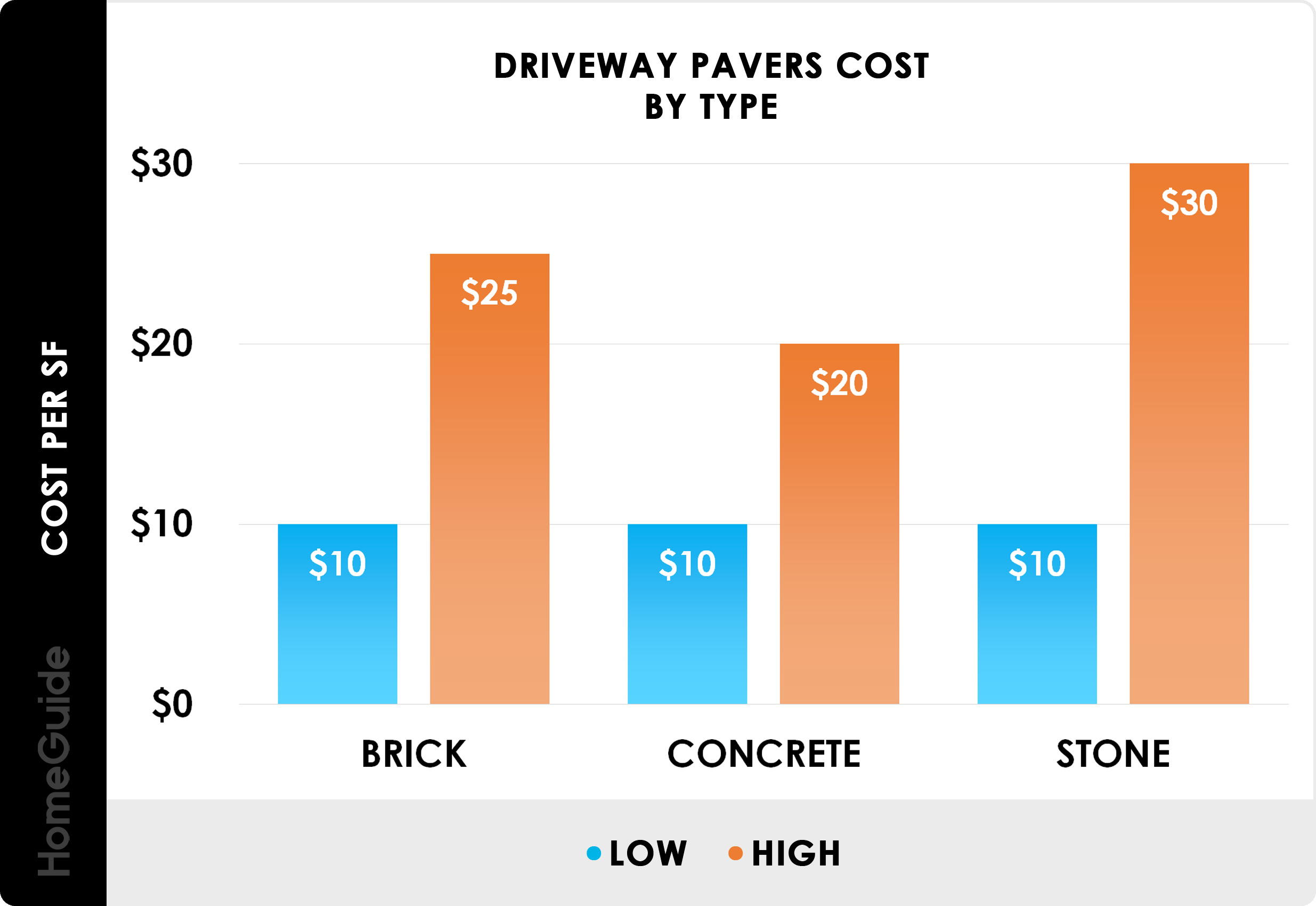
Different paver materials come with varying price tags. Concrete pavers are generally the most affordable option, ranging from $3 to $8 per square foot for basic varieties. Clay brick pavers fall in the middle range, typically costing $6 to $12 per square foot. Natural stone pavers, such as limestone or granite, can cost anywhere from $10 to $25 per square foot. The premium end includes exotic stones or custom designs, which may reach $30 or more per square foot. It's worth noting that while natural stone offers elegance, concrete pavers provide excellent durability at a fraction of the cost.
Installation vs. Material Costs
Many people focus solely on the price of the pavers themselves, but don't forget about installation. Professional installation can add 50% to 100% to your total project cost. Labor alone might range from $5 to $15 per square foot depending on complexity and location. Simple projects like small patios might only require basic installation, while intricate designs with curves or multiple levels demand more skilled work. Sometimes, DIY installation can save money, but it requires time, skill, and proper tools. Consider whether the savings justify the effort, especially if you're tackling a large area.
Regional Variations in Pricing
The cost of pavers varies significantly based on where you live. In urban areas with high labor costs, such as New York or San Francisco, expect to pay more for both materials and installation. Rural areas often offer lower prices due to reduced overhead costs. Some regions have abundant local stone sources, making natural stone more affordable than in areas where materials must be shipped. Weather conditions also play a role - areas with harsh winters might see higher costs due to the need for frost-resistant materials. Always get quotes from local suppliers to understand regional pricing trends.
Additional Expenses to Consider
Beyond the main paver costs, there are several hidden expenses to account for. Base preparation, including excavation and leveling, usually costs $2 to $4 per square foot. Gravel base layers add another $1 to $3 per square foot. Mortar or adhesive used for bonding pavers can cost $1 to $2 per square foot. Drainage solutions, if required, might add $3 to $5 per square foot. Finally, permits or inspections could cost anywhere from $50 to $200 depending on your local regulations. These additional costs can easily increase your total project expense by 20-30%.
Tips for Budgeting and Saving Money
Planning ahead can help you save significantly on your paver project. Start by getting multiple quotes from different suppliers and contractors to compare prices. Buying during off-seasons might result in better deals, as many vendors offer discounts to fill slower business periods. Consider ordering materials in bulk when possible, as this often reduces per-unit costs. Also, think about the design complexity - simpler layouts cost less to install and maintain. Lastly, don't overlook the importance of proper planning. Poor initial planning leads to costly mistakes and rework later on. Investing time upfront in design and measurement pays off in the end.
Understanding paver costs per square foot is crucial for any outdoor renovation project. While prices vary widely based on material choices, location, and installation needs, knowing what to expect helps you make informed decisions. Remember that the cheapest option isn't always the best value over time. Quality materials and proper installation may cost more initially but offer better longevity and fewer maintenance issues. With careful planning and research, you can create beautiful outdoor spaces within your budget. The key is balancing aesthetics with practicality, ensuring your investment brings joy for years to come. Whether you're building a simple walkway or an elaborate patio, taking time to understand these costs will help you achieve your vision without breaking the bank.


