
Picture this: you're enjoying your backyard, maybe having a barbecue with family, when suddenly you notice tiny black dots scurrying across your patio. Those aren't just regular insects – they're ants, and they've taken over your outdoor sanctuary. It's frustrating, isn't it? You've probably seen them marching in perfect lines, building little mounds, and generally making themselves at home where you want to relax. But what's really happening here? Why do ants come to our yards in the first place? And more importantly, how do we get them out?
Ants might seem like insignificant pests, but when they overrun your yard, they can become major annoyances. These tiny creatures are actually quite smart and organized, which makes them both fascinating and challenging to deal with. They're attracted to food sources, moisture, and shelter – all things that exist in most yards. What starts as a few ants can quickly turn into a full-blown infestation if not addressed properly. The good news? There are many ways to manage ant populations in your outdoor space without resorting to harsh chemicals. Understanding their behavior, identifying the types of ants you're dealing with, and knowing exactly where they're coming from will help you develop a strategy that works.
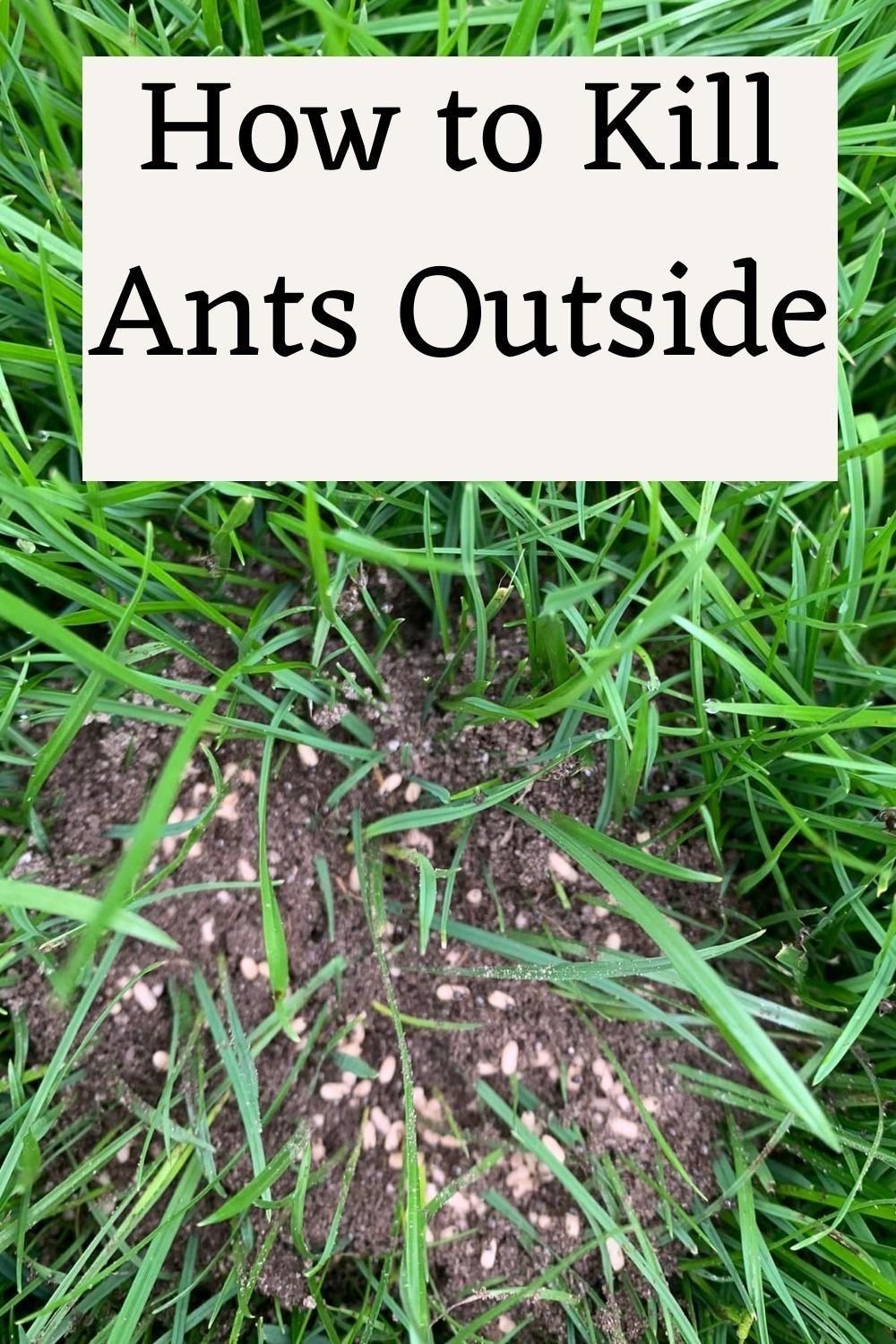
Understanding Why Ants Are in Your Yard
Before diving into solutions, it's important to know why ants are showing up in your yard. Ants are attracted to several factors that most homeowners provide without even realizing it. Sweet substances like spilled soda, fruit juice, or even pet food left outdoors can draw them in. They also love moisture, so areas around sprinkler systems, leaky pipes, or damp spots become prime hunting grounds. If you have gardens, compost bins, or areas where food scraps accumulate, those become feeding stations. Some ants prefer to nest under rocks, mulch, or woodpiles, while others burrow directly into soil. Understanding which type of ant you're dealing with helps determine the best approach to eliminate them. For instance, fire ants create large mounds and can be aggressive, while carpenter ants prefer moist wood and may cause structural damage. Knowing these behaviors gives you a fighting chance against them.
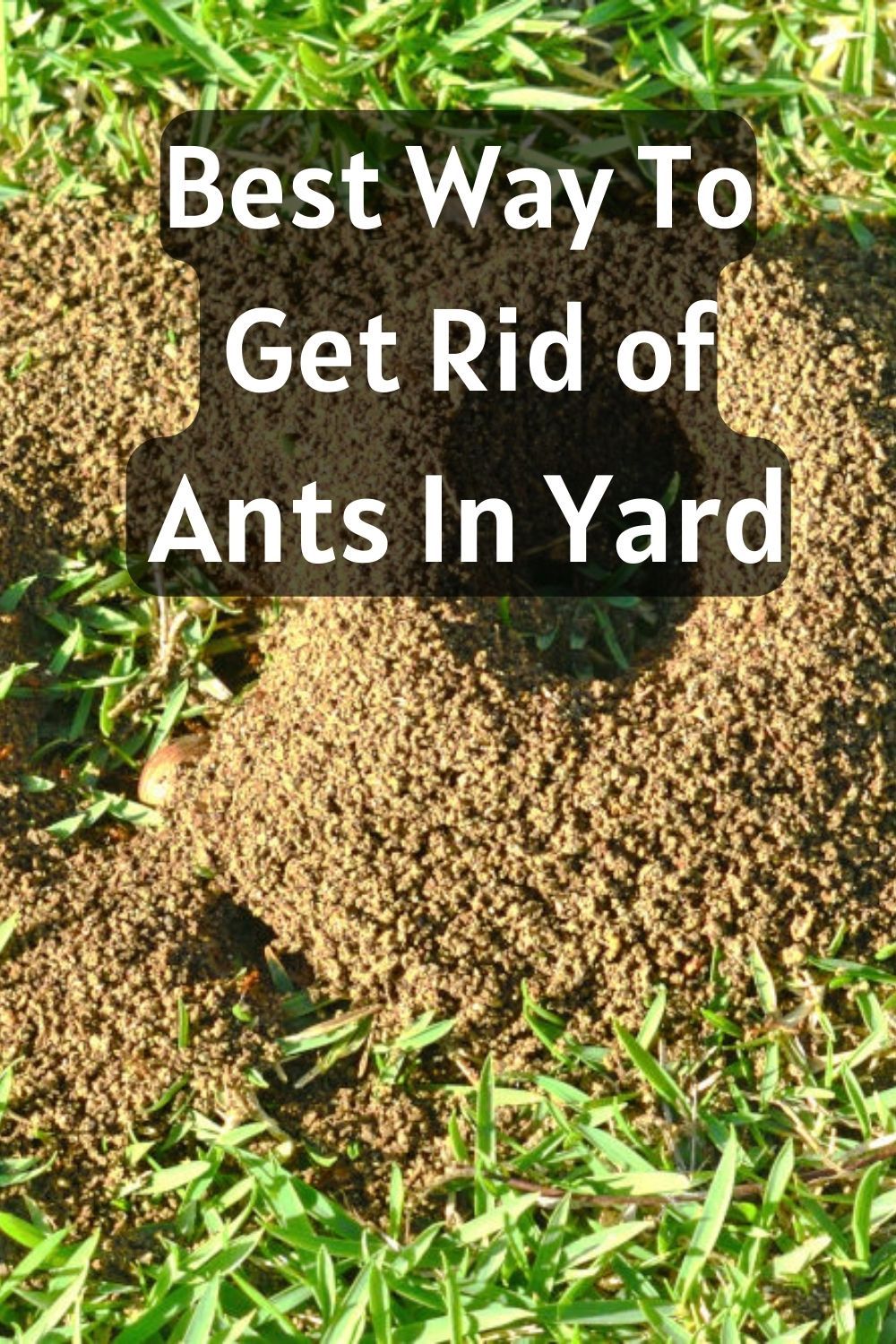
Natural Remedies That Actually Work
The first thing to try should always be natural remedies before jumping to chemical treatments. Many of these solutions are simple, cost-effective, and safe for children and pets. Here are some proven methods:
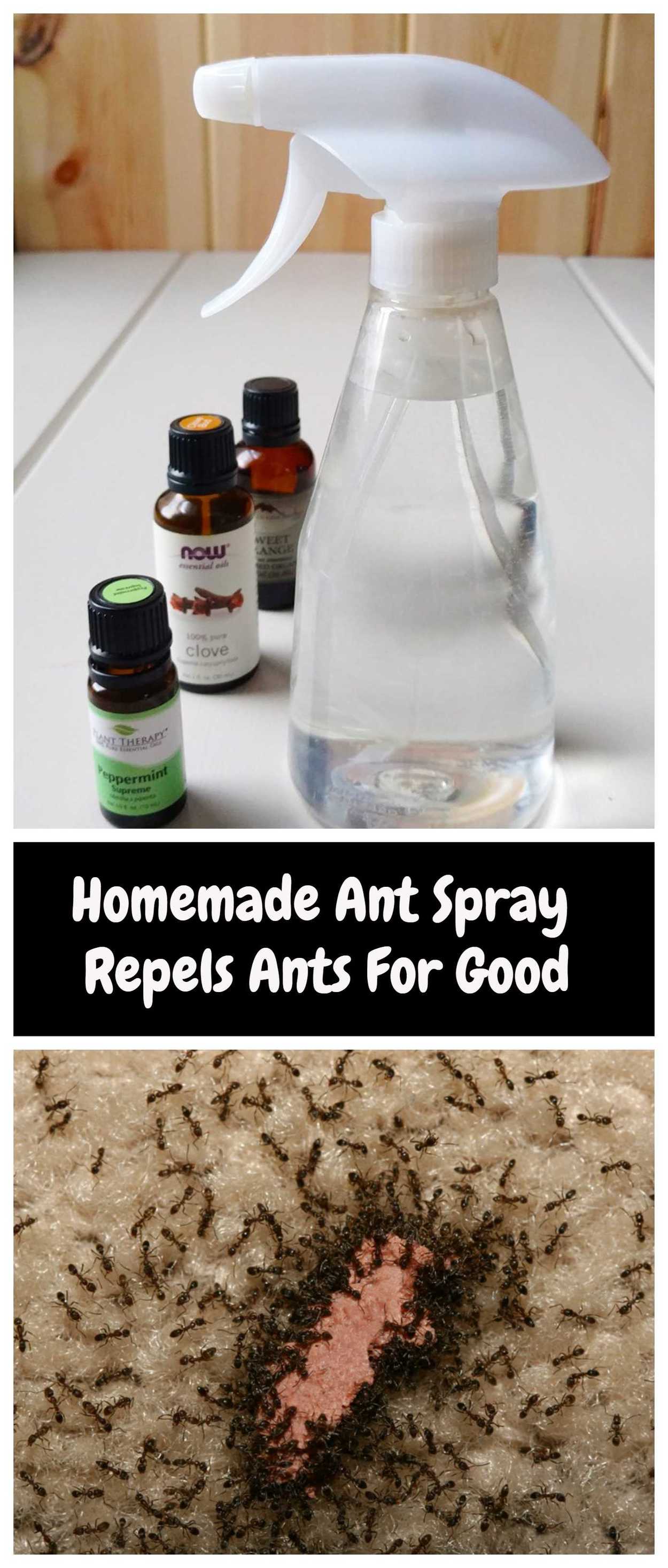
These methods work because they either interfere with ants' ability to communicate or create barriers they find difficult to cross. The key is consistency – you won't see results overnight, but with regular application, these remedies can significantly reduce ant populations.
Identifying Different Types of Yard Ants
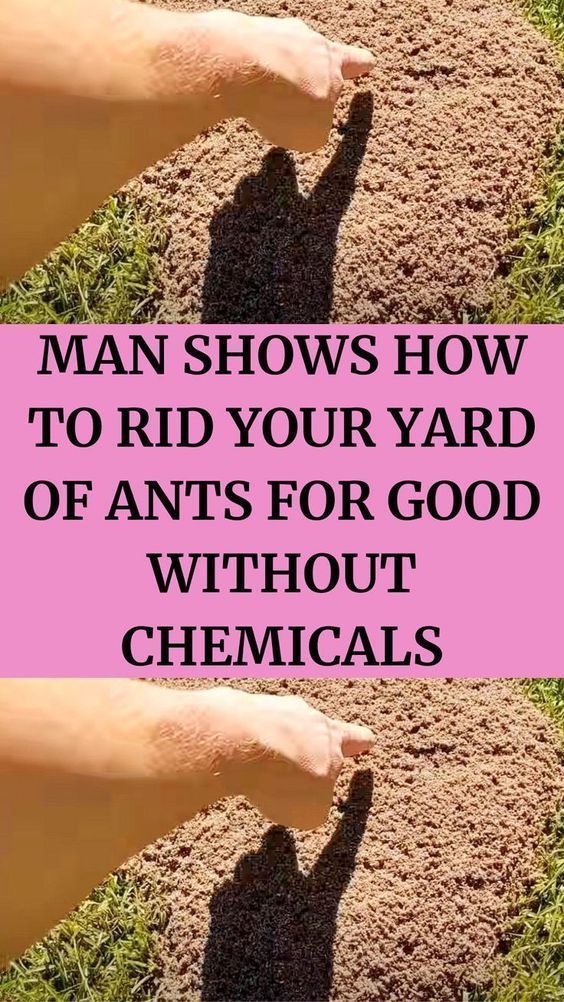
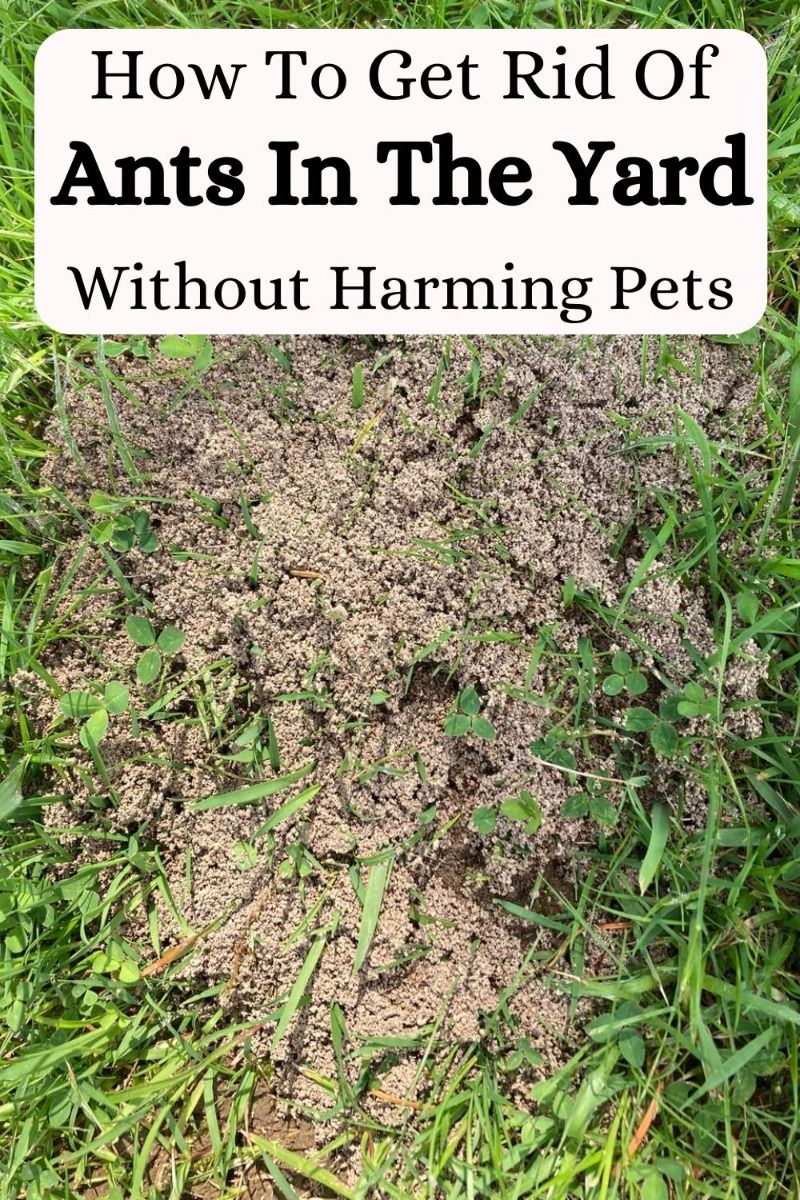
Not all ants are created equal. Each species has unique characteristics that affect how they behave and how best to treat them. Fire ants are typically red or brown and build large, dome-shaped mounds. They're aggressive and can sting, making them particularly concerning for families with children. Carpenter ants are larger and often found in wood structures, especially where moisture has caused decay. They don't eat wood but excavate tunnels for nesting. Odorous house ants are small and emit a distinct smell when crushed – they're usually attracted to sweet foods. Pavement ants prefer to nest under stones, sidewalks, and concrete slabs. Knowing which type you're facing helps tailor your elimination efforts. For example, if you have carpenter ants, you'll want to focus on eliminating moisture sources rather than just applying baits. Identifying the species also prevents wasting time and resources on ineffective treatments.
Prevention Strategies for Long-Term Success
Prevention is always better than cure when it comes to pest management. Once you've dealt with an ant problem, implementing preventive measures stops future infestations. Start by sealing cracks and gaps where ants could enter. Regularly clean up crumbs, spills, and food debris outside. Keep pet food indoors or in sealed containers. Address moisture issues promptly – fix leaky faucets, improve drainage, and avoid overwatering plants. Remove potential nesting sites like piles of wood, stones, or debris. Trim vegetation away from your home's foundation to prevent ants from using it as a bridge. Store firewood off the ground and away from your house. These steps might seem simple, but they form the backbone of successful ant prevention. Think of them as building blocks for a pest-free environment.
Chemical Treatments When Natural Methods Fail
Sometimes, despite your best efforts, natural remedies just aren't enough. In such cases, chemical treatments can be necessary. However, they should be used carefully and strategically. Ant baits containing insecticides are often the most effective option. These work by allowing worker ants to carry poison back to the colony, killing the queen and her workers. Choose products labeled for outdoor use and follow directions precisely. Granular treatments can be applied around ant trails and entry points. Liquid sprays offer quick knockdown effects but don't eliminate colonies completely. Always read labels carefully, especially regarding safety for children and pets. Consider professional pest control services if the problem persists after multiple attempts. Remember, chemicals should be a last resort, not the first line of defense. Overuse of pesticides can harm beneficial insects and contaminate soil and groundwater.
Maintaining Your Ant-Free Yard
Getting rid of ants is one thing, but keeping them away is another challenge entirely. Regular maintenance is crucial for long-term success. Schedule weekly checks of areas where ants were previously active. Look for new trails, fresh mounds, or signs of reinfestation. Reapply natural treatments monthly during peak seasons. Keep your yard clean and organized. Continue monitoring moisture levels and addressing any issues immediately. If you notice ants returning, don't wait – act quickly before they establish new colonies. Create a routine that includes cleaning outdoor eating areas, storing food properly, and maintaining landscaping. A healthy, well-maintained yard naturally deters many pests. Remember, prevention requires ongoing attention, but the payoff is worth the effort.
Dealing with ants in your yard doesn't have to be an overwhelming battle. By understanding their habits, using appropriate treatments, and maintaining vigilance, you can reclaim your outdoor space. Start with natural remedies and work your way up to stronger options only when necessary. Prevention remains the most powerful weapon in your arsenal, so keep your yard clean and well-maintained. The key is consistency and patience – ant problems don't disappear overnight, but neither do they persist forever with proper care. Whether you're dealing with a few curious ants or a full-blown colony, taking action early and staying committed to your strategy will give you the results you're looking for. Your backyard deserves to be a peaceful retreat, not a battlefield for tiny invaders. With the right approach, you can restore that peace and enjoy your outdoor space again.


