
Picture this: It's a sweltering summer afternoon, the sun beats down mercilessly, and you're trying to enjoy your outdoor oasis. Your gazebo, meant to be your sanctuary, becomes a furnace. What's the solution? A good outdoor fan. But not just any fan – the right one for your specific gazebo setup. This guide will walk you through everything from types of fans to installation tips, ensuring your outdoor space stays comfortable all season long.
When you think about creating the perfect outdoor living space, few things are more important than keeping it comfortable. Gazebos, those charming outdoor structures that provide shelter while maintaining an open-air feel, can quickly become unbearable during hot weather if they lack proper ventilation. The good news is that outdoor fans designed specifically for gazebos can transform your uncomfortable patio into a pleasant retreat. Whether you're planning a new gazebo or looking to upgrade your existing one, understanding the ins and outs of outdoor fan selection is crucial. These powerful devices aren't just about moving air – they're about creating a space where you actually want to spend time, even when temperatures soar.
Understanding Different Types of Outdoor Fans
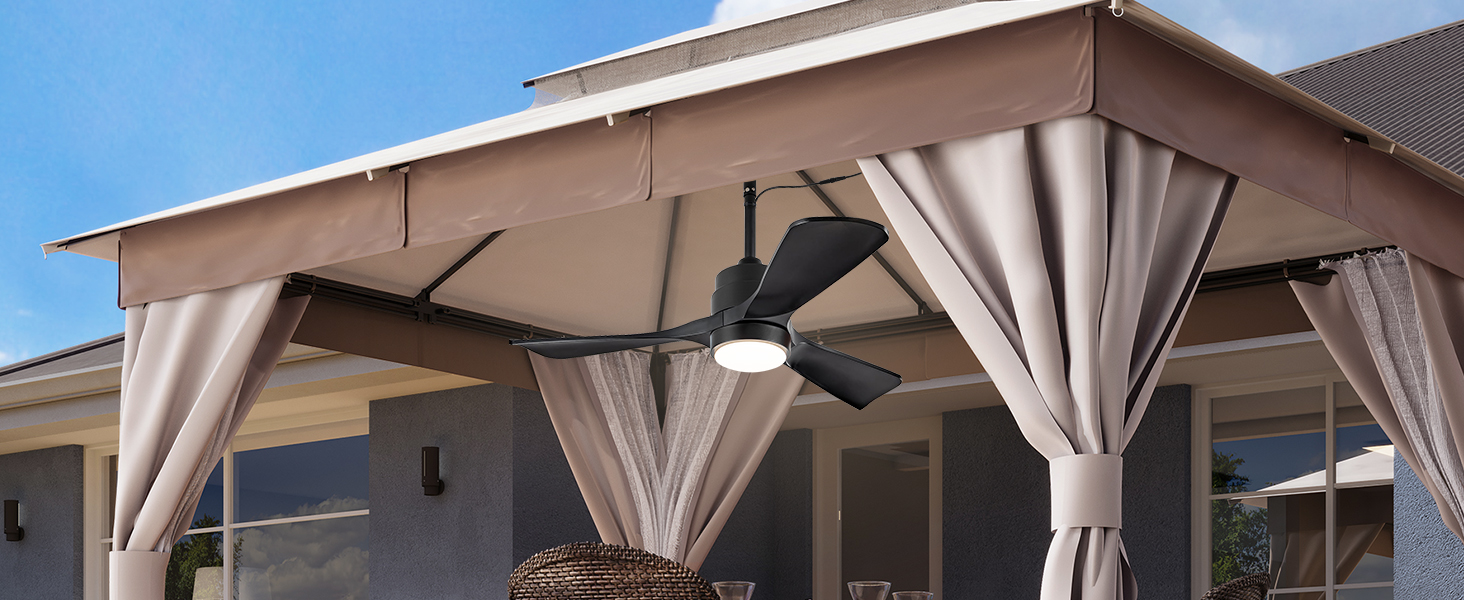
There are several types of outdoor fans available, each with their own advantages and disadvantages. Ceiling fans are perhaps the most popular choice for gazebos because they're designed to handle outdoor conditions and can be mounted directly overhead. They come in various sizes, from small 36-inch models to large 56-inch options that can cover significant areas. The key is choosing a fan rated for outdoor use with appropriate weather protection. Wall-mounted fans offer another option, especially when ceiling mounting isn't feasible. They can be particularly effective in smaller gazebos or when you want to direct airflow toward specific seating areas. Patio fans, often used outdoors, provide a different approach altogether. They're typically freestanding units that can be moved around as needed. While less permanent, they offer flexibility for temporary setups or when you're unsure about the best placement. Each type has its place, and the decision often comes down to your specific gazebo design, size, and intended use.
Essential Features to Look For
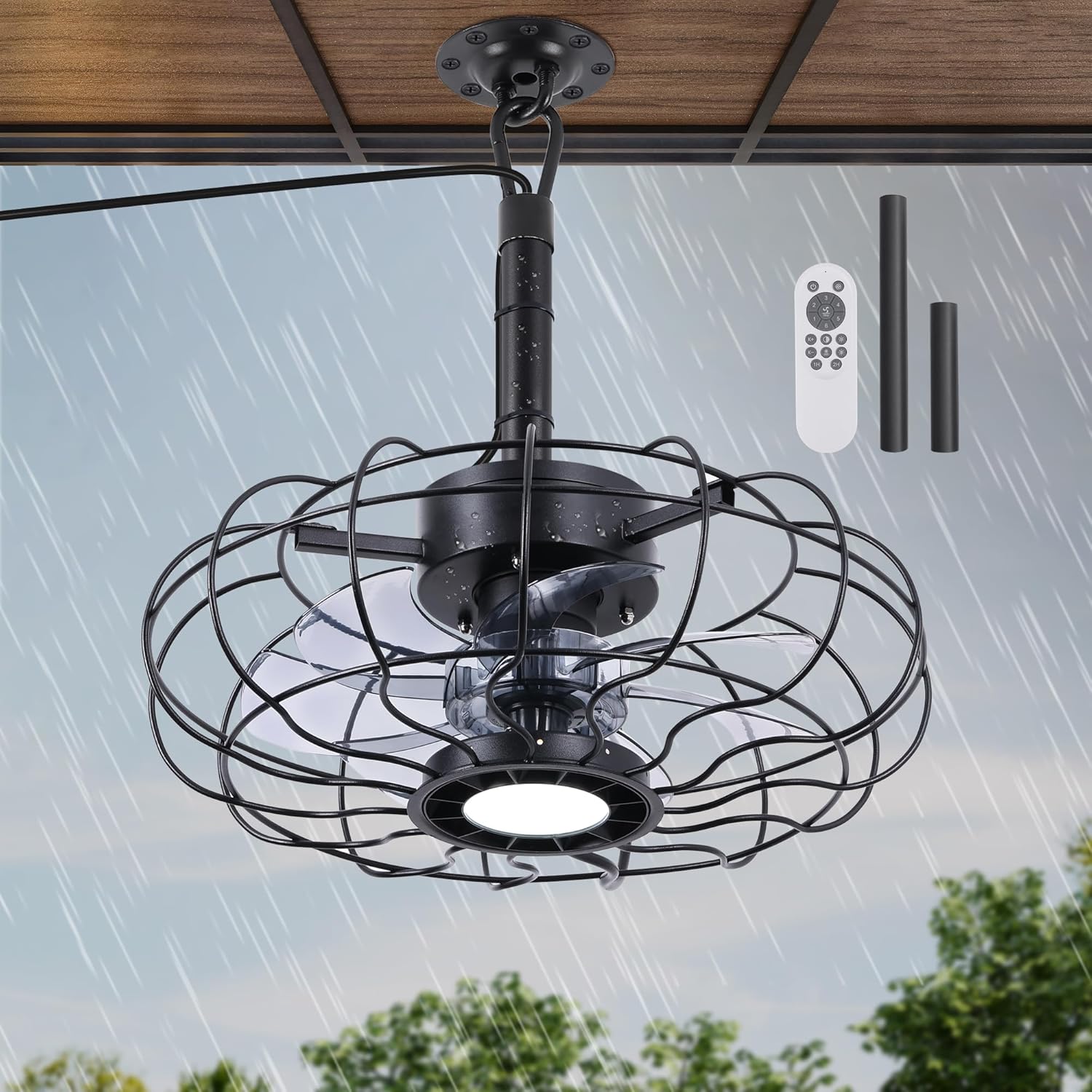
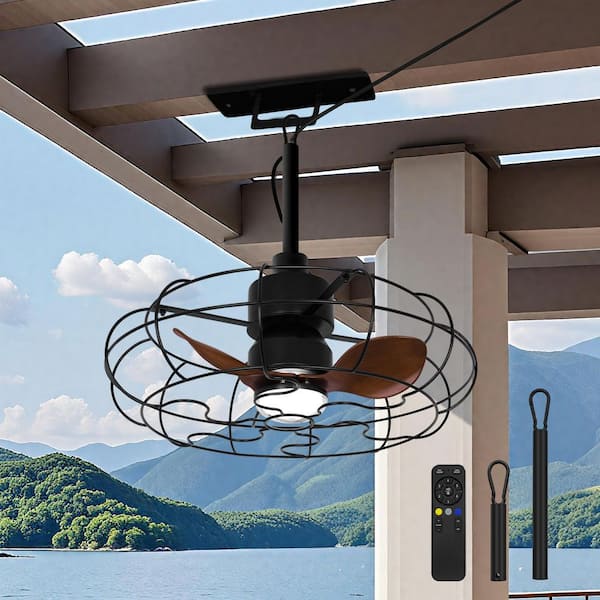
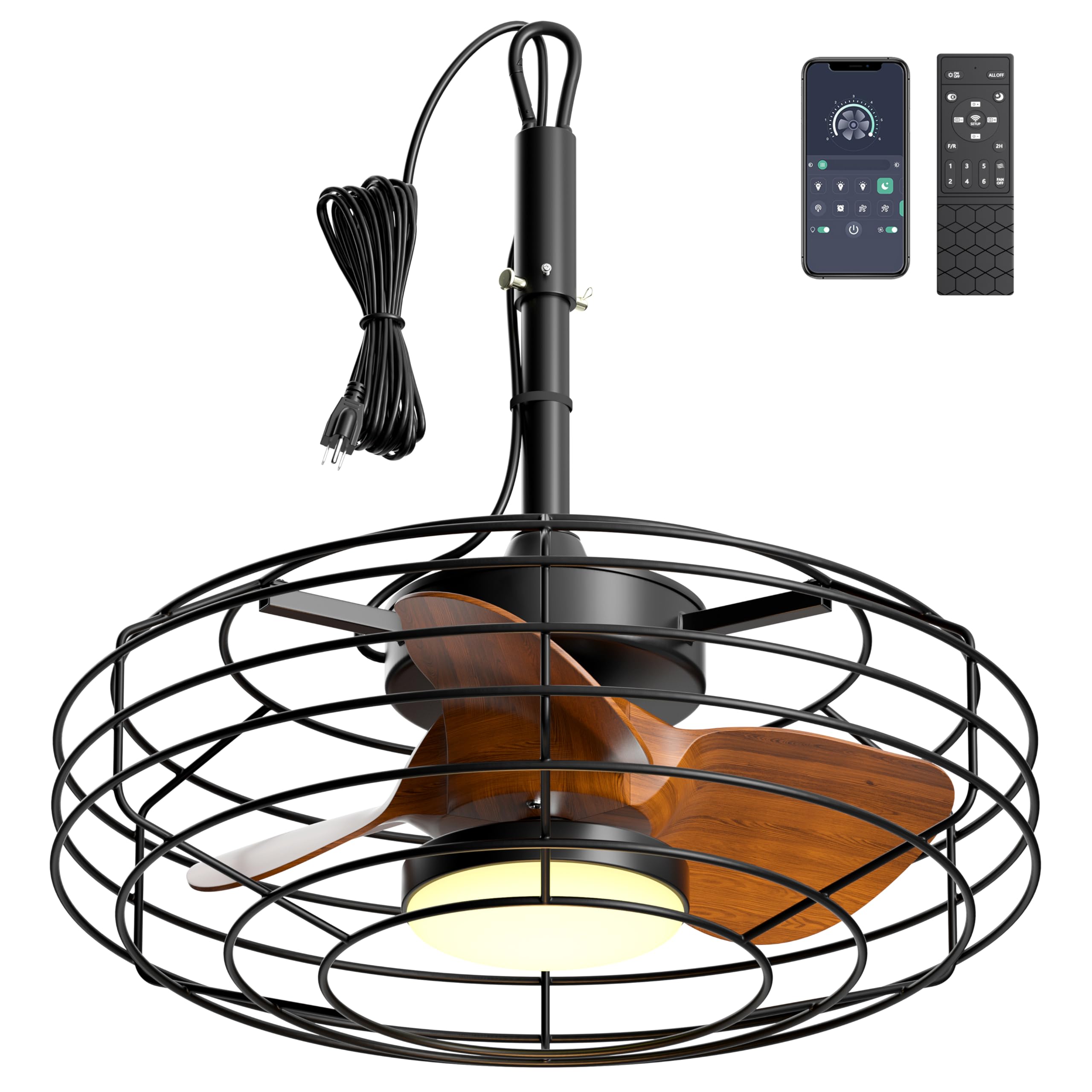
Not all outdoor fans are created equal. When shopping for a gazebo fan, pay attention to several critical features. First, look for fans with an IP rating of at least IP44, which protects against splashing water and dust. This is crucial since your fan will be exposed to the elements. The motor quality matters significantly too – look for fans with high-quality motors that can handle continuous operation in outdoor conditions. Blade design is also important. Some fans have curved blades that move air more efficiently, while others feature straight blades for a different airflow pattern. Consider the fan's ability to operate quietly, especially if your gazebo is near bedrooms or dining areas. Many modern fans offer multiple speed settings, allowing you to adjust airflow based on conditions. Additionally, check if the fan includes a remote control or smart connectivity features for added convenience. Some fans even come with built-in lighting, which can be a bonus for evening use. These features might seem like extras, but they can make a huge difference in your overall satisfaction with the purchase.
Size and Coverage Considerations
One of the most common mistakes people make when choosing outdoor fans is selecting a model that's either too small or too large for their space. The size of your gazebo directly affects the fan requirements. A small gazebo measuring around 10x10 feet might only need a 36-inch ceiling fan, while a larger structure could require a 56-inch or even bigger model. The general rule of thumb is that a 36-inch fan covers about 75 square feet, while a 56-inch fan covers roughly 100 square feet. But don't rely solely on these numbers – consider the height of your gazebo as well. If you have a high ceiling, you might need a fan with a longer downrod to ensure proper airflow reach. Another factor is the shape of your gazebo. Round or square structures may benefit from different fan configurations compared to irregularly shaped gazebos. It's worth noting that multiple fans might be necessary for larger spaces, especially if you want consistent airflow throughout the entire area. Sometimes, a combination of ceiling and wall-mounted fans works better than relying on a single large unit.
Installation Requirements and Safety
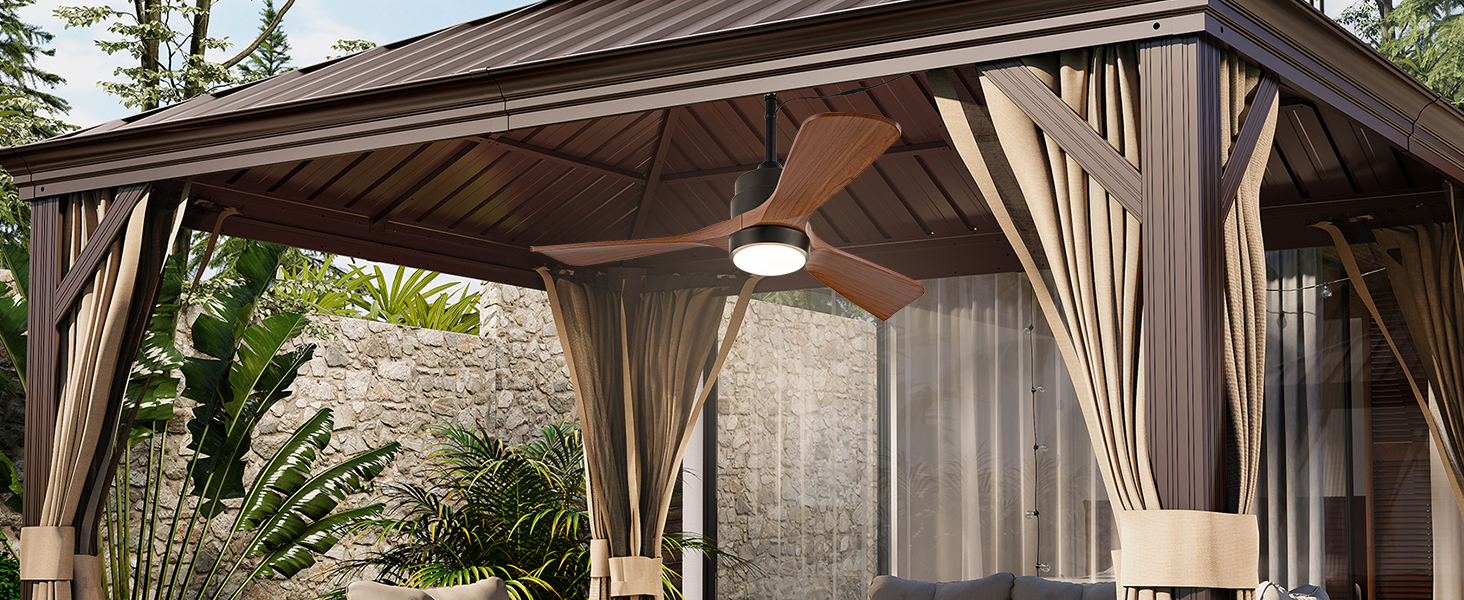
Proper installation is critical for both safety and performance. Before purchasing, assess whether your gazebo structure can support the weight of the fan. Most ceiling fans weigh between 10 and 30 pounds, depending on size and features. Check the mounting hardware specifications and ensure your gazebo's ceiling can handle the load. If you're unsure, consult a professional contractor. Electrical considerations are equally important. You'll need a dedicated electrical circuit for your fan, especially if you're adding multiple fans or a fan with additional features like lighting. Many gazebos don't have adequate electrical infrastructure, so plan accordingly. Some fans work with standard household outlets, while others require hardwiring. Consider hiring an electrician for the installation process, particularly if you're unfamiliar with electrical work. Weatherproofing is another crucial aspect. Make sure all electrical connections are properly sealed and protected from moisture. Proper mounting techniques and quality hardware are essential for long-term reliability. Remember that outdoor installations face unique challenges, including wind, rain, and temperature fluctuations, so choose hardware that can withstand these conditions.
Maintenance and Longevity Tips
Like any outdoor equipment, your gazebo fan requires regular maintenance to perform optimally and last for years. Cleaning is probably the most important maintenance task. Dust, debris, and even bird droppings can accumulate on fan blades, affecting performance and potentially causing imbalance. Clean the blades every few weeks during heavy usage periods, and give them a thorough cleaning at least once per season. Lubrication of moving parts helps prevent wear and tear. Most manufacturers recommend lubricating the motor annually, though some fans come with maintenance-free motors. Check for loose screws or bolts regularly, as vibrations can cause components to loosen over time. Keep an eye on the electrical connections, especially after severe weather events. Tighten any connections that appear loose. Inspect the fan blades for cracks or damage, and replace them if necessary. Proper storage during winter months can extend the life of your fan, particularly if you live in an area with harsh winters. Some people prefer to remove fans during off-seasons, while others simply cover them adequately. Regular maintenance not only extends the life of your investment but also ensures it continues to provide comfort when you need it most.
Cost Considerations and Value Factors
Outdoor fans range widely in price, from budget-friendly options to premium models with advanced features. Basic ceiling fans can cost anywhere from $50 to $200, while high-end models with smart controls, premium materials, and advanced features might set you back $400 to $800 or more. The key is balancing your budget with your needs. Consider the long-term value – a higher-priced fan with better build quality and energy efficiency might save money on electricity bills and replacement costs over time. Energy-efficient fans consume less electricity while providing the same level of comfort, which can add up over the course of a season. Look for fans with ENERGY STAR certification for guaranteed efficiency ratings. Also factor in installation costs, especially if you need electrical work or professional mounting. Some fans come with detailed installation instructions, while others might require professional installation. Warranty coverage is another important consideration. A good warranty often reflects the manufacturer's confidence in their product and can save you money on repairs or replacements. Remember that the cheapest option isn't always the best value – invest in quality when it comes to something you'll use regularly and expose to the elements.
Choosing the right outdoor fan for your gazebo is more than just picking something that moves air – it's about creating a comfortable environment that enhances your outdoor lifestyle. By understanding the different types of fans available, considering your specific space requirements, and investing in quality equipment with proper installation and maintenance, you can transform your gazebo from a heat trap into a cool sanctuary. The key is matching the fan's capabilities to your gazebo's dimensions and your personal preferences. Whether you opt for a simple ceiling mount or a sophisticated smart-controlled system, the right fan will make all the difference in how you enjoy your outdoor space. Don't let the heat keep you from making the most of your gazebo – with the right fan, you'll be able to stay outside longer and enjoy your outdoor investment year-round. The effort you put into selecting and installing the proper fan will pay dividends in comfort and enjoyment, making every summer day more pleasant and every evening more relaxing.


