
When homeowners decide to remove their pool, they often overlook the true expenses involved. The process isn't just about digging up concrete and hauling away water. It's a complex project that involves permits, environmental considerations, and specialized labor. Understanding what goes into the total cost helps families budget properly and avoid surprises.
Removing a pool from your property can seem like a straightforward task, but it's actually quite involved. Whether you're selling your home, dealing with an old pool that's no longer functional, or simply want to reclaim space, the costs go far beyond what most people expect. From permits and debris removal to environmental cleanup and site restoration, each step adds to the overall expense. Let's walk through exactly what you'll encounter when planning to take your pool out of service.
Understanding Pool Removal Basics
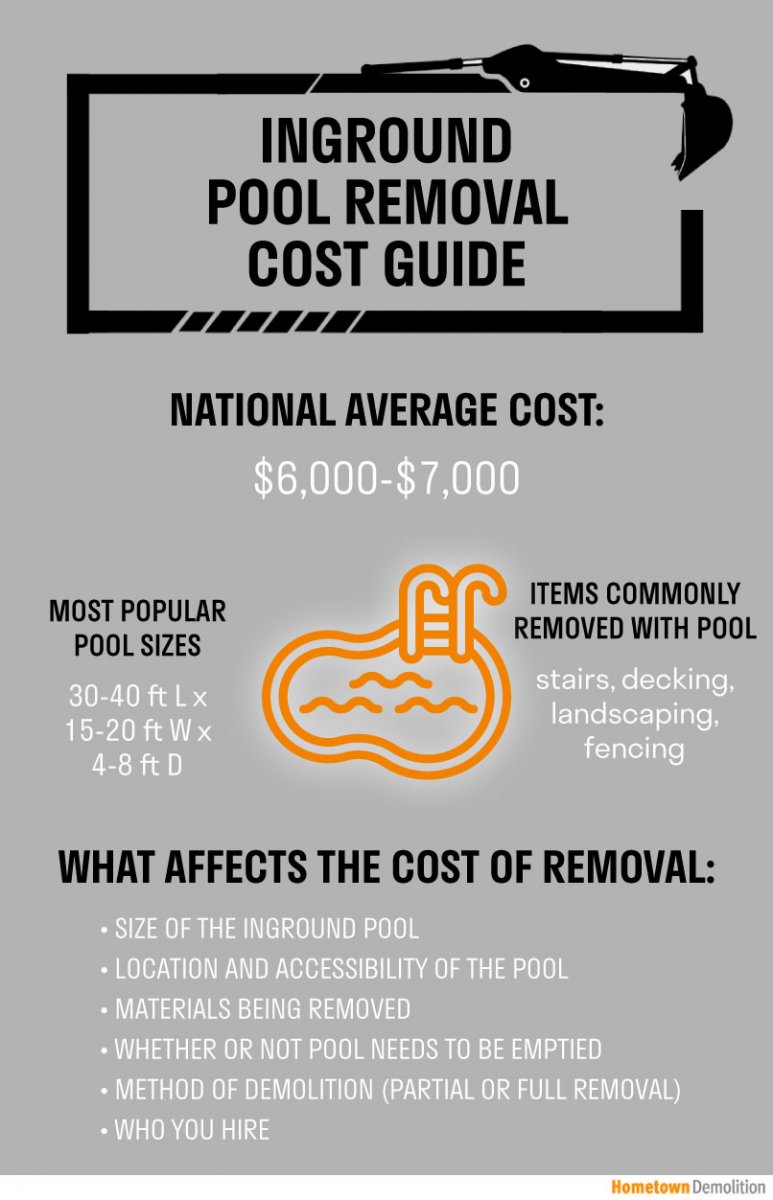
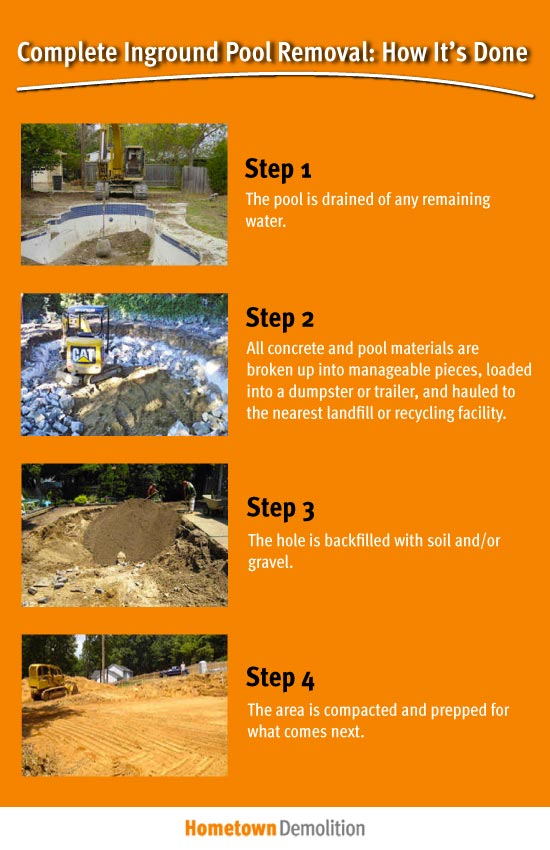
Pool removal is not just about taking something out of the ground. It involves several distinct steps that vary depending on the type of pool, its condition, and local regulations. First, there's the actual excavation work. Concrete pools require careful demolition since they're built to last. Vinyl liners might need special handling due to potential chemical contamination. The process also includes draining the pool, removing equipment, and clearing away debris. These tasks alone can cost anywhere from $2,000 to $8,000 depending on complexity and size. Some people think it's cheaper to do it themselves, but safety concerns and local codes often make professional removal necessary. Professional services ensure proper disposal and prevent environmental damage. Many contractors offer full-service packages that include everything from initial assessment to final cleanup. This approach helps homeowners avoid unexpected fees and ensures compliance with local laws.
Factors That Influence Pool Removal Prices
Several variables directly impact how much a pool removal will cost. The type of pool plays a major role. Concrete pools typically cost more to remove than vinyl or fiberglass ones because they're heavier and require more extensive demolition work. Size matters too – larger pools mean more material to handle and longer labor hours. Location affects pricing significantly. Urban areas often have higher labor costs and stricter regulations that increase expenses. Soil conditions can complicate matters if there are underground utilities or unstable ground. The age and condition of the pool also matter. Older pools may have structural issues that require extra care during removal. Some pools have been neglected for years, leading to hidden problems like rusted metal components or damaged electrical systems. Environmental concerns add another layer. If the pool area has soil or groundwater contamination, additional cleanup may be required, which can easily double the basic removal cost. Weather conditions also play a part. Heavy rain or freezing temperatures can delay work and increase overall time and expenses.
Permits and Legal Requirements
Before any removal work begins, you must obtain proper permits from your local government. These aren't optional – they're required for legal compliance and safety reasons. Permit costs vary widely between cities, ranging from $50 to $300. Some jurisdictions require environmental impact assessments, especially if the pool was installed before certain regulations existed. You might need to submit plans showing how the site will be restored after removal. In some cases, permits expire quickly, so timing becomes crucial. Local building departments often have specific requirements for pool removal that differ from standard construction permits. These might include restrictions on when work can happen or rules about where debris can be stored temporarily. Some areas even require pre-removal inspections to verify that all systems are properly disconnected. Failure to get proper permits can result in fines or even having to redo the entire removal process. It's always better to plan ahead and budget for permit fees rather than face unexpected delays or penalties.
What's Included in Professional Removal Services
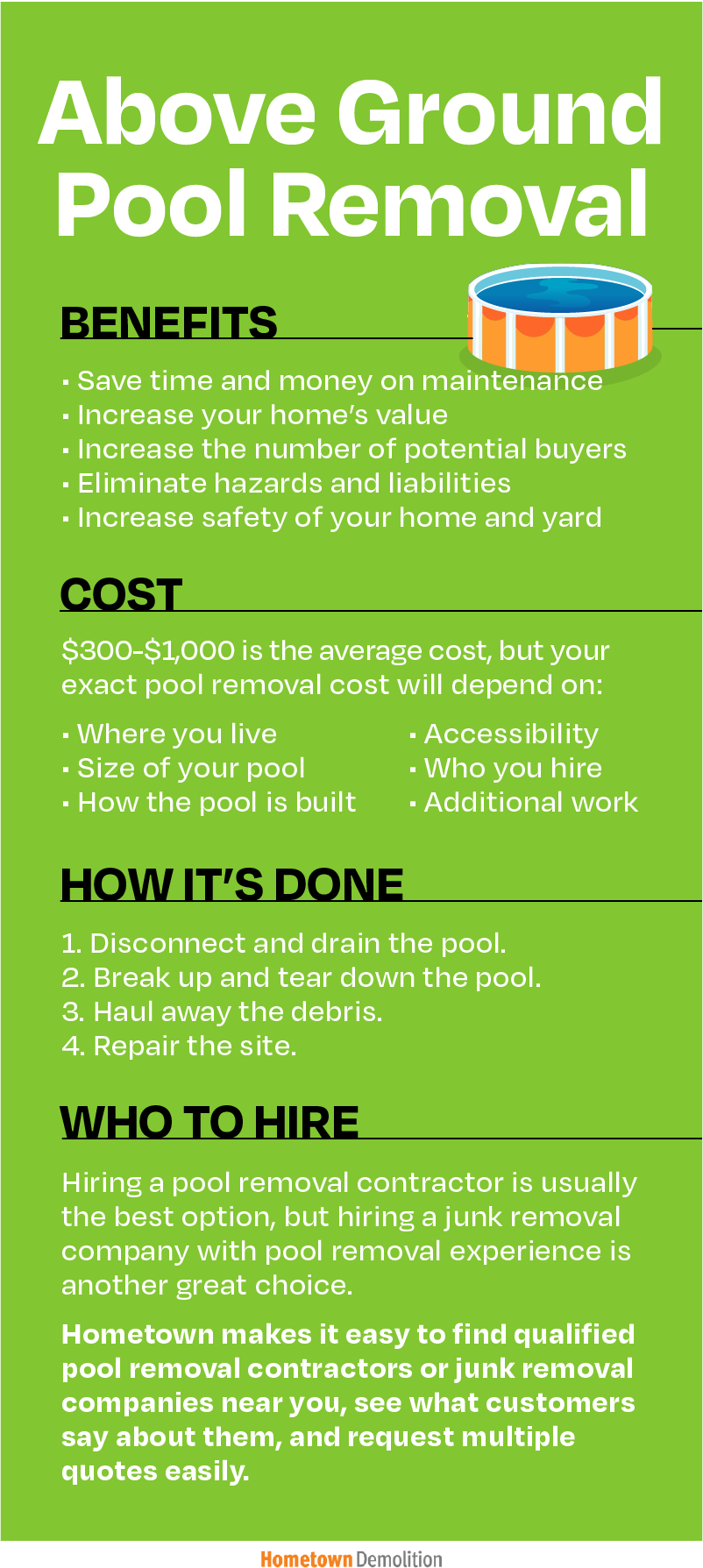
Professional pool removal companies usually provide comprehensive services that cover multiple aspects of the job. Most offer complete site assessment before beginning work. They'll check for underground utilities, inspect the surrounding area for potential hazards, and determine the best approach for removal. Equipment removal is standard practice. This includes pumps, filters, heaters, and any other accessories attached to the pool system. Debris clearance typically involves removing all concrete chunks, tile fragments, and leftover materials. Many companies also handle the disposal of these materials according to local regulations. Site restoration is often part of the package. Professionals might regrade the area, replace topsoil, or even plant grass seed to restore the landscape. Some contractors offer additional services like filling the hole with sand or gravel to prevent future settling issues. The quality of these services varies considerably, so comparing quotes carefully is essential. Look for companies that provide detailed breakdowns of what's included in their pricing and ask about warranties on their work. Not every company offers the same level of service, and some might cut corners on important aspects like proper disposal or site preparation.
DIY vs Professional Pool Removal
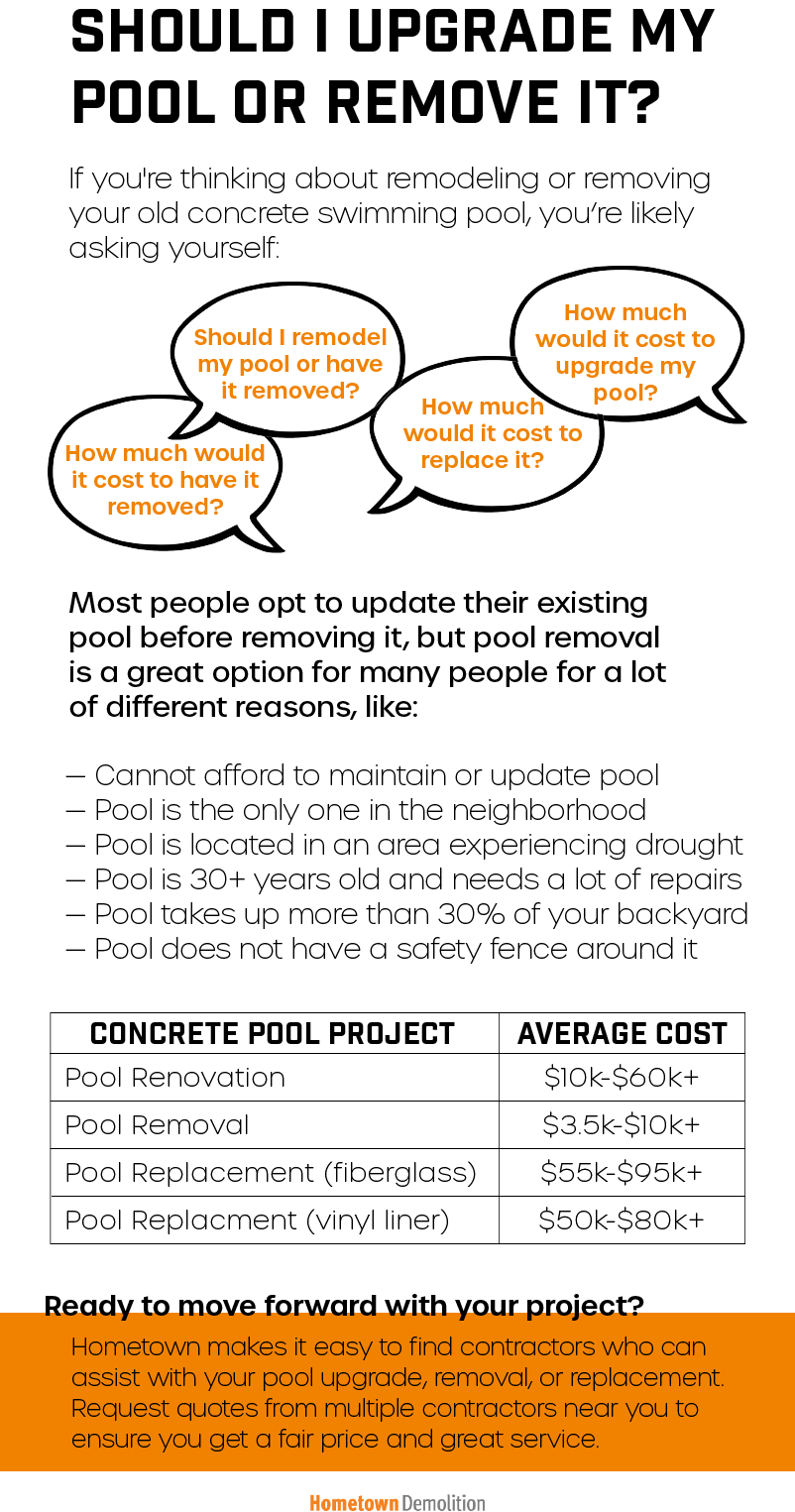
While some homeowners attempt DIY pool removal, it's generally not recommended for most people. The risks involved are significant, including electrical hazards, structural collapse, and environmental contamination. Professional crews have the right equipment and training to handle these dangers safely. DIY attempts often lead to costly mistakes that require expensive corrections later. For example, improper concrete breaking can damage nearby structures or utilities. The time investment is substantial too – what seems like a quick weekend project can take several days or weeks. Many people underestimate how much labor is required for proper removal. Additionally, local regulations often prohibit certain aspects of pool removal without proper licensing. Even if you could legally perform the work yourself, the cost savings rarely justify the risk. Professional services typically charge between $2,000 and $8,000 for most residential pools, which might seem high until you factor in the potential for accidents or legal issues with DIY work. The peace of mind that comes with professional handling often makes the investment worthwhile for most homeowners.
Budgeting Tips and Cost-Saving Strategies
Planning your pool removal budget wisely can save money and reduce stress. Start by getting multiple quotes from different contractors to compare prices and services. Be sure to ask about hidden fees and what's included in each estimate. Timing your removal strategically can help reduce costs. Avoid scheduling during peak seasons when labor rates are highest. Some contractors offer seasonal discounts or promotions that can save hundreds of dollars. Consider removing the pool during off-peak weather periods when demand is lower. If you're doing other landscaping work simultaneously, you might be able to negotiate a package deal that reduces overall costs. Don't forget to factor in the cost of filling the hole or preparing the area for new construction. Some people try to save money by skipping the site restoration phase, but this often leads to future problems with drainage or aesthetics. Budgeting for unexpected expenses is wise – things like utility line damage or soil contamination can add thousands to the total cost. Setting aside 10-15% of your estimated budget for unforeseen issues provides a buffer against financial surprises.
Environmental Impact and Cleanup Requirements
Modern pool removal processes must consider environmental protection and cleanup standards. Pools that have been in use for many years may contain chemicals or pollutants that require special handling. Chlorine residuals, algaecides, and other treatment products can contaminate soil or groundwater if not properly removed. Many jurisdictions now require environmental testing before and after pool removal. This testing can add several hundred dollars to the total cost but protects both the environment and future property owners. Proper disposal methods are crucial – concrete and other materials must go to approved landfills or recycling centers. Some areas offer programs to recycle pool materials, which can offset some costs. Soil remediation might be necessary if contamination is found during removal. This cleanup work can range from simple washing to complete soil replacement. Homeowners should research local environmental regulations early in the planning process. Some areas have strict requirements about how long pools can remain unused before removal, adding time and expense to the process. Understanding these requirements upfront prevents costly delays and ensures compliance with all applicable laws.
Timeline and Project Management
Pool removal projects typically take one to three days to complete, though complex situations might extend this timeline. The exact duration depends on several factors, including pool size, condition, and local requirements. Initial site preparation often takes the first day, involving utilities identification and safety setup. Actual removal work usually happens on the second day, with professionals carefully demolishing the structure and removing materials. Final cleanup and site restoration typically occur on the third day. Weather conditions can significantly impact scheduling. Rain or extreme temperatures might delay work, extending the project timeline. Some contractors prefer to work in specific seasons when conditions are optimal for excavation. Communication with neighbors and local authorities is important, especially if the work occurs near shared boundaries or public areas. Most reputable companies provide project timelines and regular updates throughout the process. Clear communication helps manage expectations and keeps everyone informed about progress and potential delays. Planning around your schedule and allowing flexibility for unexpected issues helps make the entire process smoother.
Common Mistakes to Avoid
Many homeowners make errors when planning pool removal that end up costing them more money. One common mistake is not getting proper permits before starting work. This can result in fines and forced project shutdowns. Another frequent error is underestimating the amount of debris that needs removal. Concrete pools generate massive amounts of material that must be properly disposed of. Skipping environmental testing can lead to expensive cleanup requirements later. Some people assume all pool removal is the same, but different types of pools require different approaches and equipment. Failing to account for site restoration costs means ending up with an unsightly hole or uneven ground. Not researching local regulations can cause delays and additional expenses. Choosing the cheapest contractor without considering experience or reputation is a recipe for problems. Poor communication with the removal company can lead to misunderstandings about scope of work or pricing. Avoiding the inspection phase and jumping straight into removal work often results in discovering hidden complications that weren't anticipated. Taking shortcuts in safety procedures puts everyone at risk and may violate local codes.

Finding the Right Contractor
Selecting the right pool removal contractor requires research and careful consideration. Start by checking online reviews and asking for referrals from friends or neighbors who've had similar work done. Look for companies with proper licensing and insurance to protect against accidents or damages. Ask about their experience with different pool types and sizes to ensure they can handle your specific situation. Request detailed written estimates that break down all costs and services included. Compare multiple quotes side-by-side to identify the best value. Check references from previous clients to verify their reliability and work quality. Pay attention to how they communicate – clear, responsive communication is a good sign of professionalism. Inquire about warranties on their work and what happens if problems arise after completion. Avoid companies that seem too cheap or promise unrealistic results. A reputable contractor will explain the process clearly and answer all your questions thoroughly. Schedule consultations with several companies to compare their approaches and pricing strategies. Take time to make an informed decision rather than rushing into a choice based solely on price.
Long-Term Benefits of Proper Removal
Proper pool removal creates lasting benefits that extend beyond the immediate project. The cleared space becomes available for other uses, whether that's landscaping, additional storage, or new construction. Good site restoration prevents future drainage problems and maintains property value. Removing a pool eliminates ongoing maintenance costs, which can be substantial over time. Many pools require annual chemical treatments, equipment repairs, and seasonal preparations that add up quickly. The removal process also addresses potential safety hazards associated with aging pools. Structural deterioration, cracked surfaces, and damaged equipment pose risks to people using the property. Proper disposal of pool materials protects the environment and prevents contamination of soil or groundwater. The restored area often increases curb appeal and property resale value. Homeowners who remove pools responsibly often find that the investment pays dividends in terms of reduced future maintenance and increased usable space. The peace of mind that comes from knowing the job was done correctly and legally is invaluable.
Final Thoughts on Pool Removal Costs
Pool removal costs vary significantly based on numerous factors, but understanding the basics helps homeowners make informed decisions. While the initial investment might seem steep, it's often less expensive than continuing to maintain an outdated or damaged pool. The key is planning ahead, getting proper permits, and choosing reliable professionals who understand local requirements. Remember that quality workmanship and proper disposal practices are investments in your property's future. Don't let budget concerns compromise safety or legal compliance. When you factor in all aspects of removal – from permits to environmental cleanup to site restoration – the total cost becomes clearer. Most importantly, view pool removal as an opportunity to improve your property rather than just a necessary chore. With proper planning and the right team, the process can be straightforward and rewarding.
Removing a pool is far more than just digging something out of the ground. It's a complex process involving permits, safety considerations, environmental compliance, and proper site restoration. The costs reflect all these elements, making it essential to plan carefully and budget appropriately. Whether you choose professional services or attempt a DIY approach, understanding the various factors that influence pricing helps avoid unpleasant surprises. The investment in proper removal creates long-term benefits for your property and peace of mind for future homeowners. By taking time to research options, compare costs, and select qualified professionals, you can navigate the pool removal process successfully. The end result is a clean, safe, and potentially more valuable property ready for whatever comes next.


