
Picture this: you're ready for a refreshing dip, only to discover your pool water has taken on a strange pink hue. This isn't just an aesthetic issue – it's a sign of pink algae, a persistent and often frustrating problem that can turn a peaceful backyard oasis into a maintenance nightmare. But don't panic. With the right knowledge and approach, you can tackle this challenge head-on.
Pink algae might sound like something out of a science fiction movie, but it's very much a reality for pool owners worldwide. This particular type of algae isn't actually pink in color – rather, it gets its name from the pinkish tint it can develop when exposed to certain conditions. What makes pink algae particularly challenging is its ability to hide in plain sight, appearing almost invisible until it's too late. The good news? Understanding how to spot it, prevent it, and treat it effectively can save you countless hours of frustration and expense. Whether you're a seasoned pool owner or someone new to pool care, this guide will walk you through everything you need to know about dealing with pink algae.
What Exactly Is Pink Algae?
Pink algae, technically known as Serratia marcescens, is a type of bacteria that thrives in aquatic environments. While it's commonly found in soil, plants, and even some food products, it becomes problematic in swimming pools when conditions are just right. The bacteria produces a pigment called prodigiosin, which gives it its characteristic pink or red coloration. However, in low concentrations, it may appear green or brown, making identification tricky. This microorganism is different from typical algae because it's actually a bacterium, not a plant-like organism. It tends to grow in areas with poor circulation, inadequate sanitation, or where organic matter accumulates. Unlike regular algae that typically grows on pool surfaces, pink algae often lives in the water itself and can be harder to detect and eliminate.
Why Pink Algae Appears in Pools
Several factors contribute to the development of pink algae in swimming pools. Poor water chemistry stands out as the primary culprit. When pH levels are too high or chlorine levels are insufficient, the environment becomes ideal for bacterial growth. Temperature plays a role too – pink algae thrive in warmer conditions, making summer months particularly challenging. Inadequate filtration systems or periods of low usage can also create the perfect storm for pink algae development. Additionally, organic debris such as leaves, hair, or sunscreen residue provides nutrients that support bacterial proliferation. Sometimes, the problem stems from using contaminated water sources or failing to properly sanitize pool equipment. The bacteria can also spread from nearby gardens or areas where it naturally occurs. Understanding these triggers helps pool owners take preventive measures before problems arise.
Identifying Pink Algae Signs
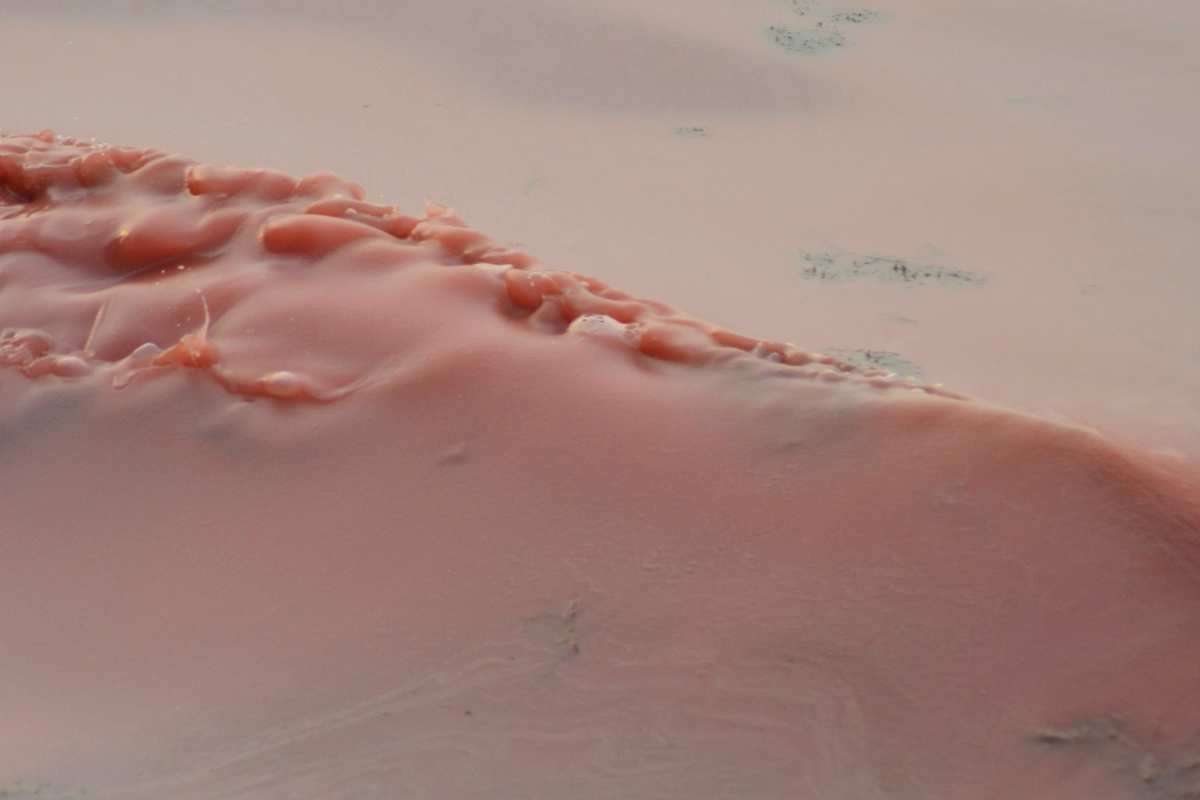
Spotting pink algae requires careful observation and attention to detail. The most obvious indicator is a pink or reddish tint in the pool water, though this might not always be visible. Look for:
Sometimes, pink algae looks more like green or brown algae, especially when present in small quantities. One helpful trick is to check for discoloration in areas where water stagnates, such as corners or behind pool equipment. If you notice something unusual that doesn't match typical algae behavior, it's worth investigating further. Early detection is crucial because pink algae can quickly spread and become difficult to manage if left untreated.
Prevention Strategies That Work
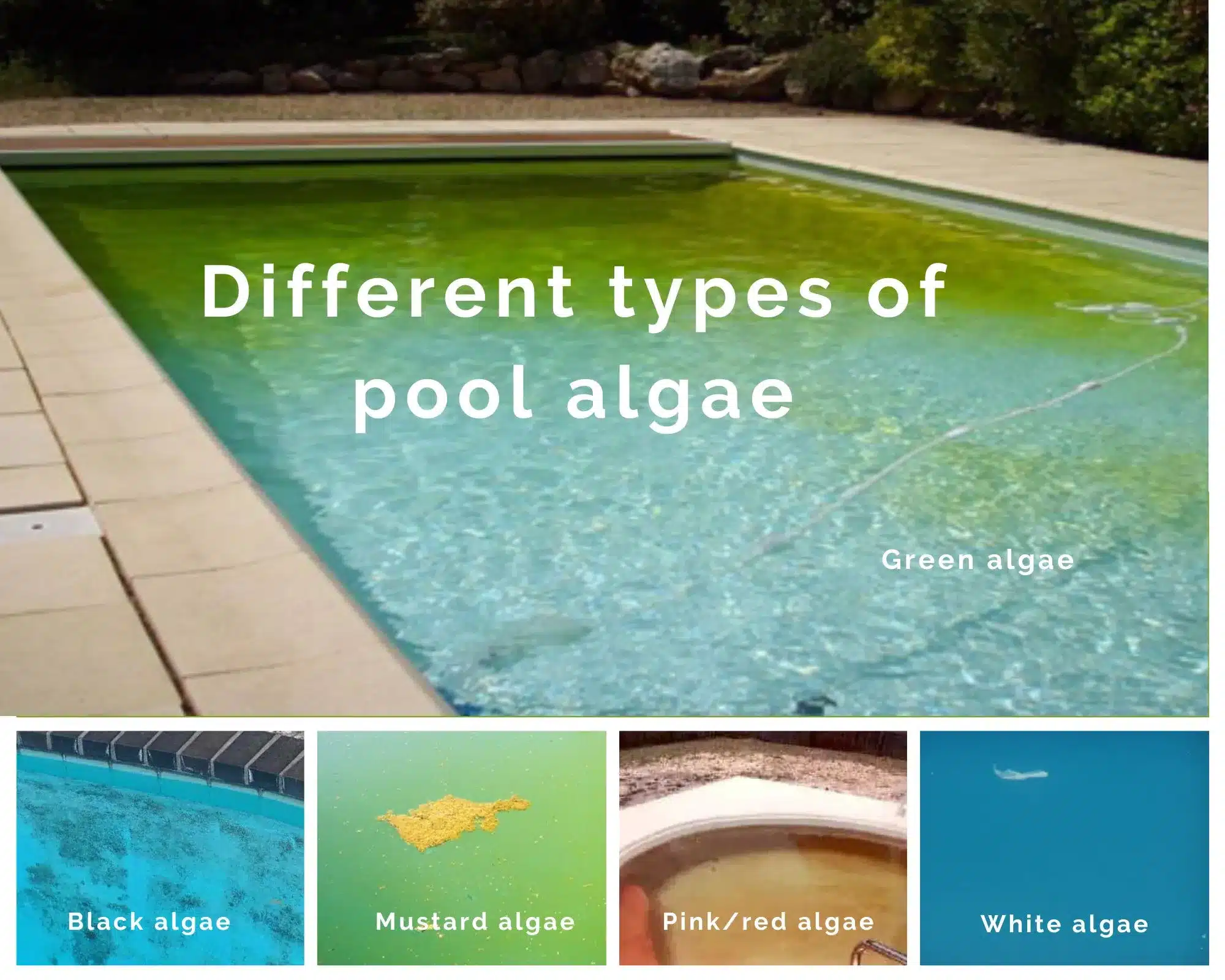
Prevention is far more effective than cure when it comes to pink algae. Here are key strategies that can keep your pool safe:
The key is consistency. Many pool owners think they can skip routine maintenance during off-seasons, but pink algae can survive year-round in suitable conditions. Think of pool care as a daily habit rather than a seasonal chore. Even during winter months, maintaining basic chemical levels prevents bacterial growth when spring arrives. Investing time in prevention pays dividends in reduced maintenance and fewer headaches down the road.
Treatment Approaches for Pink Algae
When pink algae does appear, quick action is essential. Here's how to tackle the problem:
One effective method involves using a combination of shock treatment and algaecide application. Start by testing your water chemistry and adjusting as needed. Then apply a high dose of chlorine shock to kill existing bacteria. Follow up with a targeted algaecide specifically formulated for bacterial growth. Scrubbing pool surfaces removes biofilm where bacteria might hide. It's important to note that pink algae can be stubborn and may require multiple treatment cycles. Patience and persistence are vital components of successful treatment.

Professional Help vs. DIY Solutions
Deciding whether to handle pink algae removal yourself or hire professionals depends on several factors. For small outbreaks, DIY approaches can work well if you have experience and proper equipment. However, severe cases or recurring problems often benefit from professional intervention. Professionals bring specialized knowledge, better chemicals, and experience with resistant strains. They can also identify underlying causes that might be contributing to the problem. Consider calling in experts if:
Remember that while DIY solutions can save money, improper treatment might worsen the problem. Professional pool technicians can provide both immediate relief and long-term prevention strategies tailored to your specific situation.
Long-Term Pool Health Maintenance
Once you've dealt with pink algae, maintaining healthy pool conditions becomes critical. This includes establishing a consistent maintenance routine that covers:
Creating a maintenance schedule helps prevent future outbreaks. Keep detailed records of treatments, chemical levels, and any unusual changes in pool appearance. This documentation proves invaluable for identifying patterns or potential problems early. Remember that a healthy pool environment doesn't just prevent pink algae – it creates conditions that support overall swimmer safety and enjoyment. The investment in regular care pays off in years of trouble-free swimming.
Pink algae in swimming pools might seem like a minor inconvenience at first glance, but it represents a broader challenge in maintaining aquatic environments. The key lies in understanding that this issue isn't just about aesthetics – it's about creating and sustaining healthy water conditions. Whether you're preventing an outbreak or treating one that has already occurred, the principles remain consistent: proper chemical balance, regular maintenance, and proactive monitoring. Remember, every pool owner faces challenges, but knowledge and preparation make all the difference. By staying informed and committed to regular care, you can ensure that your pool remains a source of joy rather than frustration. The fight against pink algae isn't about perfection – it's about consistency, awareness, and taking action when needed. With these approaches, you'll be well-equipped to handle whatever aquatic challenges come your way.


