
Corner lots have a special magic. They offer unique opportunities and challenges that make them both exciting and tricky to landscape. Whether you're a first-time homeowner or a seasoned gardener, understanding how to work with your corner lot's natural advantages can transform your entire neighborhood view.
There's something special about corner lots that makes them stand out in any neighborhood. They're often the most visible spots on a street, which means they get the most attention from passersby, potential buyers, and even local property inspectors. But let's be honest - corner lots also come with their own set of problems. The wind might blow harder there, the sun might hit differently, and sometimes they feel like they're getting overlooked by the rest of the yard. The good news? With thoughtful planning and smart design choices, corner lots can become the crown jewel of your entire block. You'll find that these spaces often provide the best opportunities for creating focal points, defining outdoor spaces, and adding that extra wow factor that makes people stop and take notice.
Understanding Corner Lot Challenges
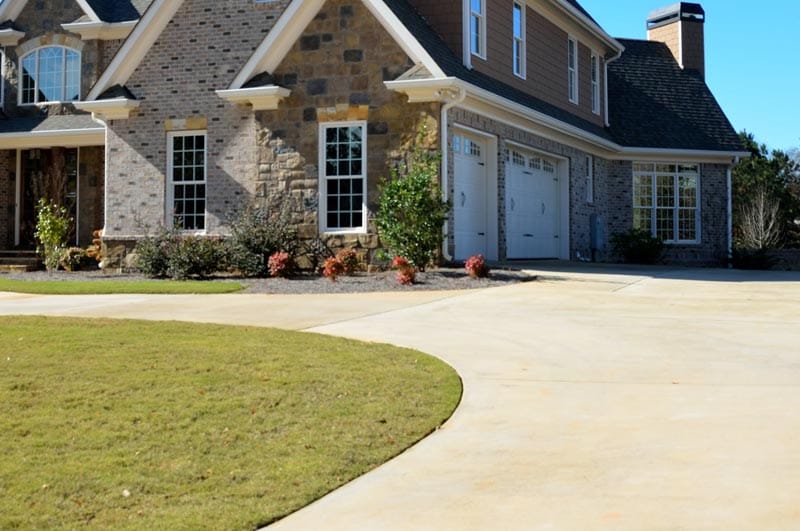
Corner lots present several unique obstacles that every landscaper needs to consider. First and foremost is the exposure problem. These areas typically experience more wind than other parts of your property. That means plants need to be chosen carefully, and protective barriers might be necessary. Another challenge is the way light hits a corner lot. Often, corners receive less direct sunlight, especially if they're located near buildings or trees. This can create shady spots that limit plant options. Then there's the issue of visibility from multiple angles. You're not just designing for one perspective - you're creating an attractive look from the street, from the front yard, and potentially from neighboring properties too. This multi-angle requirement can make it harder to achieve that perfect balance of beauty and functionality. Finally, corner lots often have unusual shapes that don't always follow standard landscaping patterns. Some are triangular, others may have odd angles or uneven edges that require creative solutions.
Maximizing Natural Light and Sun Exposure
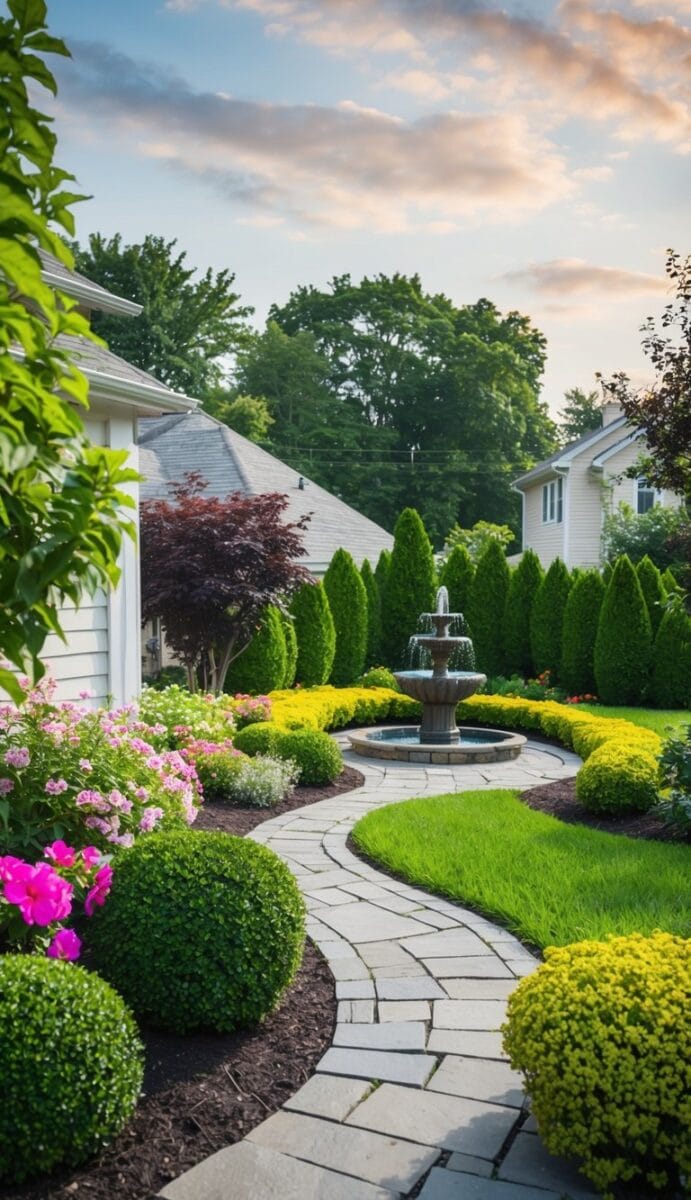
Light is one of the most important factors when designing any landscape, but it becomes even more crucial for corner lots. Start by observing how sunlight moves across your space throughout the day. Notice which areas get full sun, partial shade, and deep shade. This information will guide your plant selections and layout decisions. For sunny spots, consider drought-tolerant perennials like lavender, sedum, or ornamental grasses. These plants not only handle the heat well but also add texture and movement to your design. In shadier areas, focus on shade-loving plants such as hostas, ferns, or impatiens. Think about using containers or raised beds to create microclimates where you can grow different plants in varying light conditions. Sometimes, a cleverly placed mirror or reflective surface can bounce light into darker corners. You might also want to consider installing a small water feature, which not only adds visual interest but can also create a cooling effect that helps plants thrive in hot spots.
Creating Visual Interest Through Plant Selection
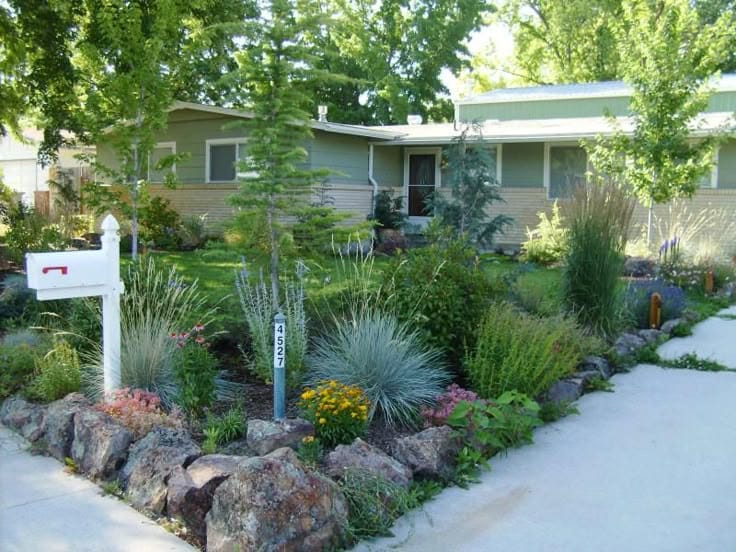
The key to successful corner lot landscaping lies in creating layers of interest through thoughtful plant choices. Think about using a combination of different heights, textures, and colors to create visual depth. Consider planting taller specimens at the back or center of your corner area, with medium-height plants in the middle, and shorter groundcovers or annuals in the foreground. This creates a natural hierarchy that draws the eye upward and makes the space feel larger. Evergreen shrubs like boxwood or holly can provide year-round structure, while flowering plants add seasonal color and attract beneficial insects. Don't forget about foliage color variations - plants with variegated leaves, purple stems, or interesting leaf shapes can create drama without requiring flowers. For example, Japanese maple offers stunning autumn colors, while coleus provides vibrant summer hues. Remember to plan for seasonal changes too - what looks great in spring might not be as appealing in winter, so choose plants that offer interest throughout the year.
Designing Functional Outdoor Spaces
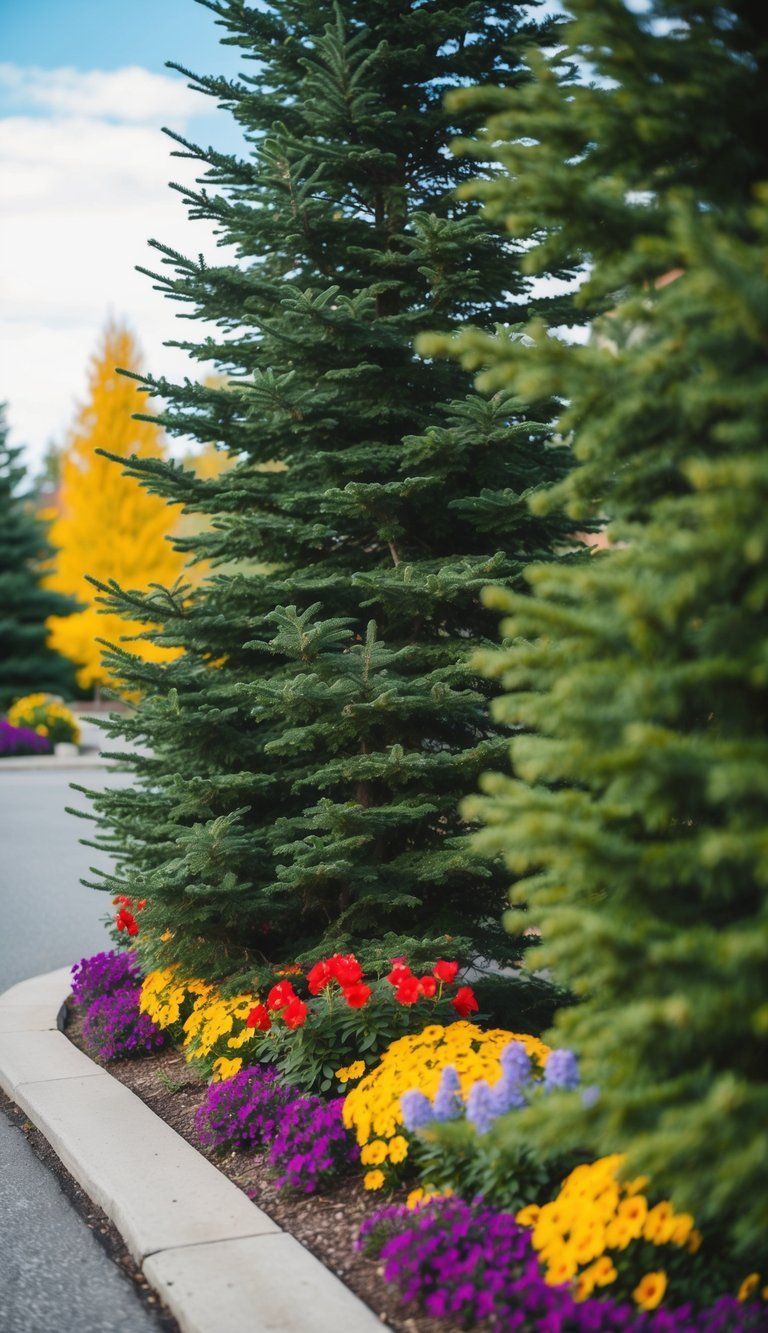
A well-designed corner lot isn't just about looking pretty - it's also about creating usable outdoor spaces. Start by identifying how you want to use the area. Is it primarily for entertaining guests? Does it need to serve as a quiet retreat? Or perhaps it's meant to be a play area for children? Once you know your intended use, you can begin to think about how to arrange furniture, pathways, and focal points accordingly. Consider creating distinct zones within the corner space. For instance, you might have a dining area near the house, a relaxation zone further back, and a garden area that's more private. Pathways are essential for making the space accessible and preventing foot traffic from damaging delicate plants. Pavers, gravel, or stepping stones can all work well, depending on your overall aesthetic. Don't overlook the importance of lighting either - strategic placement of lights can enhance safety and create ambiance after dark. Remember to leave enough room for maintenance activities like mowing or pruning, as well as for seasonal cleanup.
Practical Design Solutions for Unique Shapes
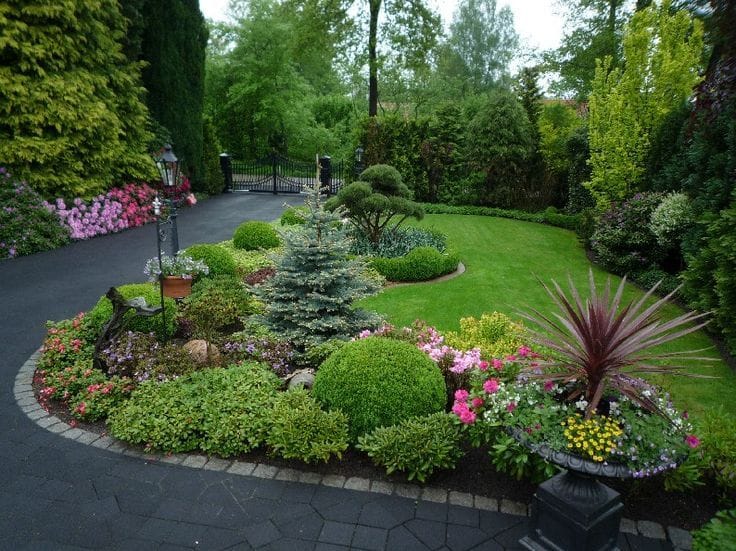
Many corner lots aren't perfectly rectangular, which means you'll need to get creative with your design approach. If you have a triangular corner, consider creating a circular or oval design element that follows the natural shape rather than fighting against it. This could be a circular flower bed, a curved patio, or even a winding pathway that flows naturally around the space. For irregularly shaped corners, think about using geometric elements like square or rectangular planters to create a sense of order within chaos. Sometimes, the best solution is to embrace the uniqueness rather than trying to fix it. A sharp angle might work perfectly for a modern sculpture or contemporary garden feature. Using containers can also help define spaces and make it easier to work with awkward shapes. When working with narrow corners, remember that vertical gardening techniques can be incredibly effective. Tall planters, trellises, or even vertical walls covered in climbing plants can make the most of limited horizontal space.
Maintaining Long-Term Success
The beauty of a well-planned corner lot landscape is that it can continue to improve over time. However, this success depends heavily on consistent care and attention. Start by establishing a regular maintenance routine that includes watering, fertilizing, pruning, and pest control. It's better to do small amounts of work regularly rather than trying to tackle everything at once. Consider investing in a drip irrigation system or soaker hoses, especially if your corner lot gets a lot of wind. These systems deliver water directly to the root zone while minimizing evaporation. Mulching is another essential practice that helps retain moisture, suppress weeds, and protect plant roots. Apply a 2-3 inch layer of organic mulch around your plants, keeping it away from the main stems. Don't forget to monitor for signs of stress or disease in your plants, and address issues quickly before they spread. Finally, be prepared to make adjustments as your plants mature and your landscape evolves. What looks perfect in year one might need some tweaks in year two or three.
Corner lot landscaping isn't just about following rules - it's about embracing the unique characteristics of your space and turning them into strengths. By understanding the challenges and opportunities that come with corner lots, you can create a landscape that not only looks beautiful but also functions well for your lifestyle. Remember that successful landscaping is a process, not a destination. It takes time to establish, patience to maintain, and creativity to continually improve. The investment you make in thoughtful corner lot design will pay dividends in increased property value, enhanced enjoyment of your outdoor space, and a stronger sense of pride in your home. Whether you're dealing with wind, shade, or unusual shapes, there's almost always a solution that works with your specific situation. The key is to start with careful observation, plan thoughtfully, and then implement your vision with consistency and care.


