
Picture this: you're sitting around a crackling fire pit on your concrete patio, watching the flames dance and feeling the warmth on your face. It's the perfect way to spend an evening with family and friends. But before you start planning that cozy gathering, there's something crucial you need to understand about placing a fire pit on concrete slabs. This isn't just about having a good time – it's about keeping everyone safe while enjoying the great outdoors.
When it comes to outdoor living spaces, few things bring people together quite like a well-planned fire pit. Whether you're looking to extend your entertaining season or simply want a place to gather during cooler evenings, fire pits offer endless possibilities. But what happens when your ideal location sits atop a concrete slab? Many homeowners find themselves wondering if they can safely install a fire pit directly on concrete, and if so, what precautions they need to take. The answer is yes, but with some important considerations. Understanding how concrete interacts with heat, what materials work best, and how to properly protect your surface can make all the difference between a magical evening and a dangerous situation. Let's dive into everything you need to know about fire pits on concrete slabs.
Why Concrete Slabs Are Popular for Fire Pits
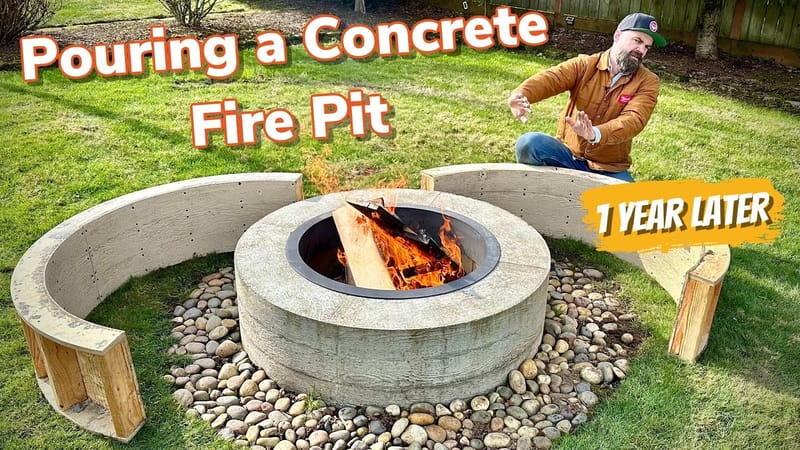
Concrete slabs have become increasingly popular for fire pit installations because they offer several advantages over other surfaces. First, concrete provides excellent stability and durability, creating a solid foundation that won't shift or move under the weight of a fire pit. Plus, many people already have concrete patios or decks that they'd prefer to utilize rather than build new foundations. The material also tends to be more affordable compared to alternatives like stone or brick. However, concrete does require special attention when it comes to heat management. Unlike natural ground surfaces, concrete can retain and radiate heat differently, which means careful planning is essential. The good news? With proper preparation and materials, you can enjoy your fire pit safely on concrete.
Understanding Heat Transfer and Concrete Properties
Concrete behaves differently under heat than most people expect. When exposed to high temperatures, concrete can expand and contract, potentially leading to cracks or damage over time. This is especially true for thin slabs or those made with certain types of aggregate. The key is understanding that concrete is actually a good insulator, but it's not immune to thermal stress. Think about it like this: when you leave a hot pan on a countertop, the surface gets warm, but it's not going to melt or burn. However, prolonged exposure to intense heat can cause deterioration. That's why it's crucial to consider not just the immediate heat from the fire pit, but also the radiant heat that bounces off the concrete surface. Different concrete mixes have varying resistance levels, so checking with your contractor or reading the specifications can save you headaches later.
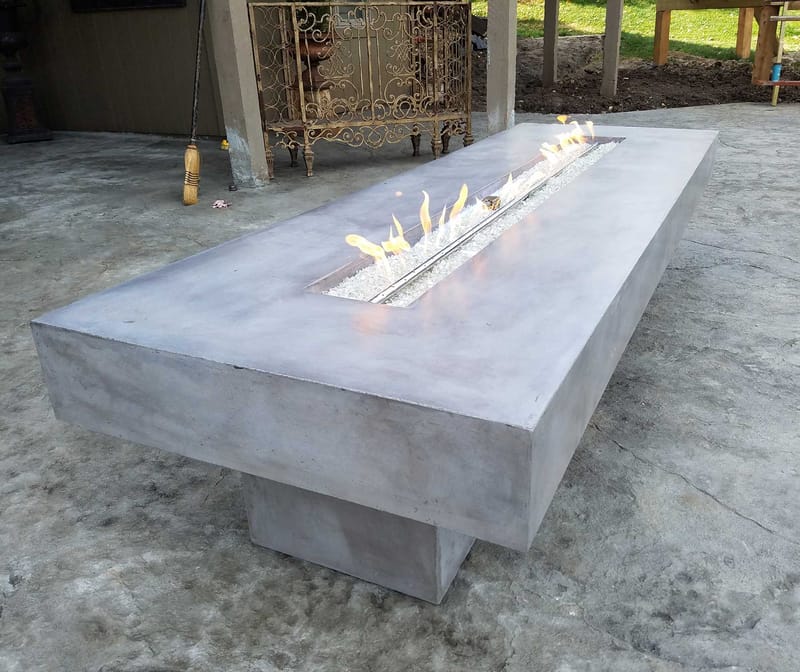
Essential Safety Considerations for Concrete Fire Pits
Safety should always come first when dealing with fire. Here are some critical points to remember:
These precautions might seem obvious, but they're easy to overlook when excitement takes over. The last thing anyone wants is a fire incident that damages their property or creates a safety hazard.
Choosing the Right Fire Pit for Concrete Surfaces
Not all fire pits are created equal, especially when it comes to concrete installations. Here's what to look for:
Some manufacturers even offer special mounting systems designed specifically for concrete applications. These often include heat-dissipating features that make them safer for direct contact with concrete surfaces. It's worth investing in quality equipment that's designed with your specific installation in mind rather than trying to force a standard model into a concrete setting.
Installation Best Practices and Preparation Steps
Proper preparation makes all the difference in ensuring your fire pit works correctly on concrete. Follow these steps carefully:
The process isn't complicated, but attention to detail matters. Even small issues like an uneven surface can lead to problems down the road. Some people prefer to add a layer of sand or gravel between the fire pit and concrete for extra protection, though this isn't always necessary with modern designs.
Maintenance and Long-Term Care Tips
Once your fire pit is installed, ongoing care keeps it functioning safely and extending its lifespan:
Concrete can handle regular fire pit use, but it's not indestructible. Taking care of your investment means protecting both your home and your enjoyment of the space. Many people find that maintaining their fire pit area regularly prevents bigger problems later on.
Installing a fire pit on a concrete slab doesn't have to be stressful or risky. With proper planning, the right equipment, and attention to safety guidelines, you can create a beautiful, functional outdoor gathering spot that will bring joy for years to come. The key lies in understanding how concrete reacts to heat, choosing appropriate fire pit designs, and following basic installation and maintenance practices. Whether you're renovating an existing concrete patio or planning a new outdoor space, remember that taking the time to do it right pays dividends in safety and enjoyment. So go ahead and plan that perfect evening around your fire pit – just make sure you've got the basics covered first. After all, the best fire pit experiences are those where everyone feels safe, comfortable, and ready to enjoy the moment.


