
When you think about outdoor security and property definition, few combinations are as reliable and versatile as wood posts with chain link fencing. These sturdy setups offer a perfect blend of durability, affordability, and visual appeal. Whether you're securing a large farm, protecting a residential yard, or creating boundaries for a commercial space, understanding how these components work together is crucial. Let's explore everything you need to know about this time-tested combination.
Picture this: you're standing at the edge of your property, looking out across a well-maintained area. The boundary isn't just a line in the dirt—it's a solid structure that clearly defines where your land begins and ends. This is what a wood post with chain link fence can accomplish. It's a simple yet powerful solution that many homeowners, farmers, and business owners rely on daily. But beyond the obvious benefits lies a wealth of knowledge about materials, installation techniques, and design choices that can make or break your project. This guide will walk you through every aspect of this classic fencing combination, helping you make informed decisions for your next boundary project.
Why Choose Wood Posts with Chain Link?
There's something special about the marriage between wood posts and chain link fencing. Wood provides strength and stability while chain link offers flexibility and visibility. Together, they create a system that can handle everything from livestock containment to property demarcation.
The main advantages include:
Think about it—how often do you see a fence that looks good, lasts long, and keeps things secure? That's exactly what you get with wood posts and chain link. The wood holds everything in place, while the chain link creates a barrier that's both functional and economical.
Understanding Wood Post Types
Not all wood posts are created equal. Choosing the right type makes a huge difference in how well your fence performs over time. Here's what you need to know:
Pressure-treated lumber is probably the most common choice for outdoor projects. It's infused with chemicals that protect against rot, insects, and weather damage. You'll find this in various grades, from standard to premium quality.
Cedar posts offer natural resistance to decay and insects. They're more expensive than treated lumber but require less maintenance. Cedar also has a beautiful natural appearance that many people prefer.
Pine posts are budget-friendly but may not last as long as other options. They're best suited for temporary installations or areas with minimal exposure to moisture.
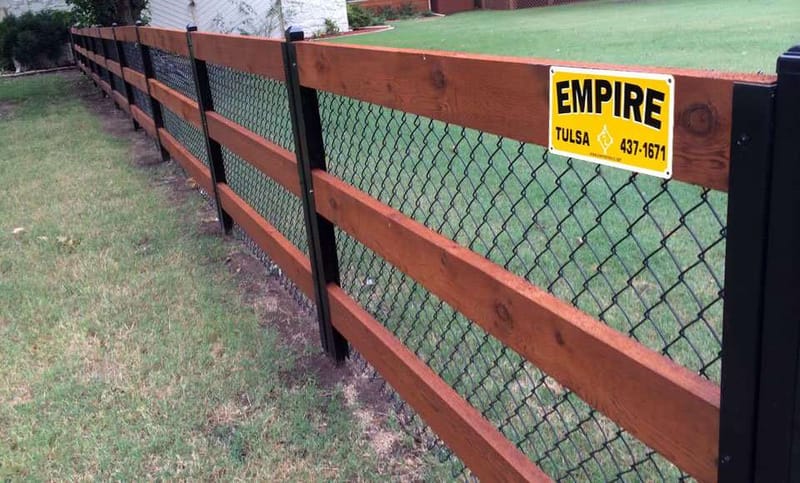
Composite posts are newer on the market and combine the strength of wood with synthetic materials. They resist rot, insects, and fading better than traditional wood types.
Consider the environment where your fence will go. If it's going in a high-moisture area like near a pond or in a rainy climate, pressure-treated lumber or composite posts might be your best bet. For drier climates, cedar could provide a beautiful, low-maintenance option.
Chain Link Fence Specifications
The chain link component of your fence isn't just decorative—it's a critical element that affects the entire structure's effectiveness. Understanding specifications helps you choose the right setup for your needs.
Key measurements to consider:
A 3x6 inch mesh works well for most residential applications, providing enough security while maintaining visibility. For agricultural uses, smaller mesh sizes might be necessary to keep livestock contained. The gauge of wire matters too—12-gauge wire is commonly used for residential purposes, while 10-gauge or heavier is preferred for commercial applications or areas with high traffic.
Consider how much visibility you want. Some people prefer the open look of chain link, while others might opt for privacy panels attached to the chain link framework.
Installation Process Overview
Installing a wood post with chain link fence requires careful planning and execution. Rushing through any part of the process can lead to problems down the road.
The basic steps include:
1. Planning and measurement - Determine exact dimensions and layout 2. Digging post holes - Depth should be one-third of the post height 3. Setting posts in concrete - This ensures stability and longevity 4. Attaching chain link panels - Proper tensioning is crucial 5. Finishing touches - Adding caps, gates, or additional features
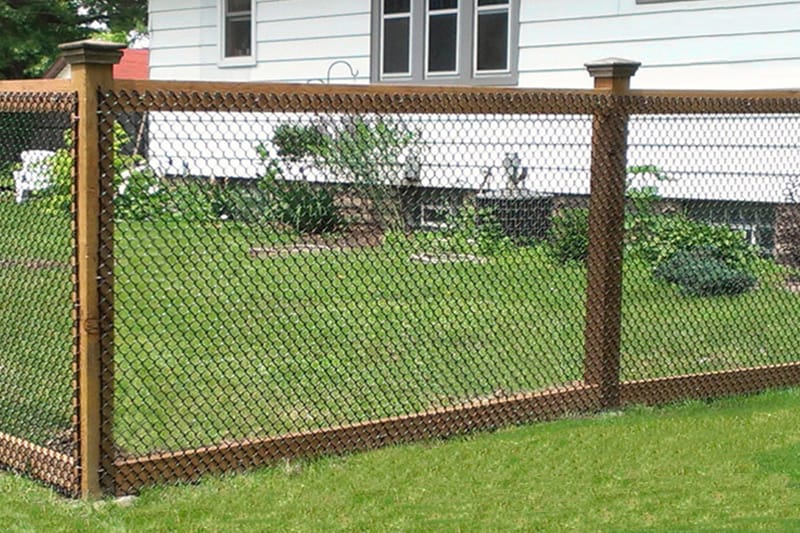
Proper hole depth matters enormously. You want your posts to be deep enough to withstand wind loads and ground movement. A general rule is to dig holes three times as deep as the post will be above ground. That means if your post will be eight feet tall, dig holes about two and a half feet deep.
Concrete sets the foundation for your fence's life. Using the right mix and allowing proper curing time ensures your posts won't shift or lean over time. Some installers use post anchors or metal brackets for added security, especially in areas prone to frost heaving or heavy winds.
Maintenance Tips for Longevity
Like anything else in life, a wood post with chain link fence needs care to perform its best. Regular attention prevents costly repairs and extends the life of your investment.
Essential maintenance tasks include:
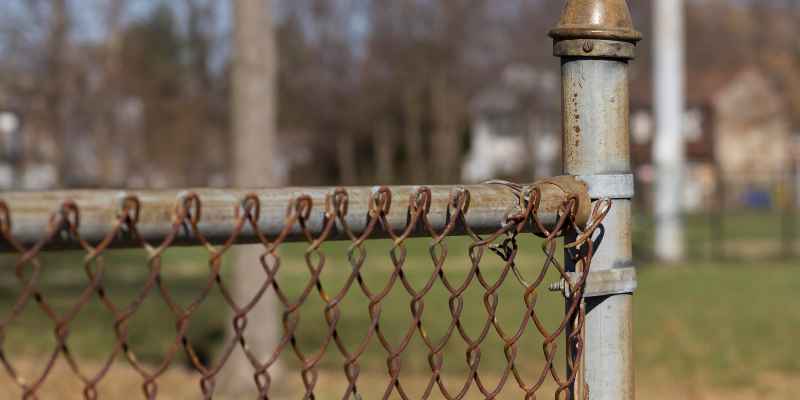
Rust is one of the biggest enemies of chain link fencing. Even though modern chain link is often galvanized, regular checks can catch issues early. Look for signs of corrosion, especially at connection points where water tends to collect.
Wood posts benefit from periodic treatment with sealers or preservatives. This is particularly important in harsh climates or areas with frequent rain. The goal isn't to completely prevent weathering, but to slow it down enough to maintain structural integrity.
Don't forget about the gate hardware. Gates experience more wear than fixed sections, so check hinges, latches, and handles regularly. A well-maintained gate adds to the overall appearance and functionality of your fence system.
Design Considerations and Customization
While function is important, aesthetics shouldn't be overlooked. A wood post with chain link fence can look both professional and attractive when designed thoughtfully.
Consider these design elements:
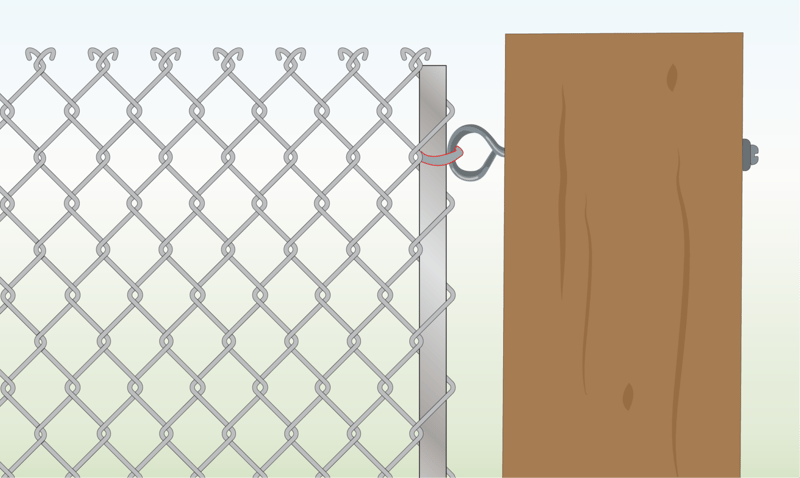
Some people love the clean lines of plain chain link, while others prefer to add visual interest. Privacy slats can be attached to the chain link to reduce visibility while maintaining the security benefits. These are especially popular in residential settings where neighbors might be concerned about privacy.
Lighting along the fence line can improve both safety and appearance. Solar-powered lights work well and require no electrical wiring. They're particularly useful for gates or areas where visibility is important after dark.
Remember that customization doesn't have to be expensive. Simple changes like matching post colors to your home's trim or adding a decorative post cap can make a big difference in the overall look.
Cost Analysis and Budget Planning
Understanding the costs involved helps you plan your project effectively. While prices vary significantly based on location, materials, and labor, having a realistic budget is essential.
Typical cost breakdowns include:
On average, expect to pay $15-$30 per linear foot for materials and installation combined. However, this can increase substantially for custom designs or high-end materials. For example, premium cedar posts will cost more than standard pressure-treated lumber.
If you're doing a DIY project, factor in time and potential mistakes. Sometimes, hiring professionals saves money in the long run, especially for larger installations or complex layouts. Consider getting quotes from multiple contractors to compare pricing and service quality.
Don't forget to budget for ongoing maintenance. Regular cleaning, touch-up painting, and hardware replacement can add up over time, but they're investments that extend your fence's lifespan significantly.
Common Mistakes to Avoid
Even experienced installers can make errors that compromise their fence's performance. Learning from others' mistakes can save you time, money, and frustration.
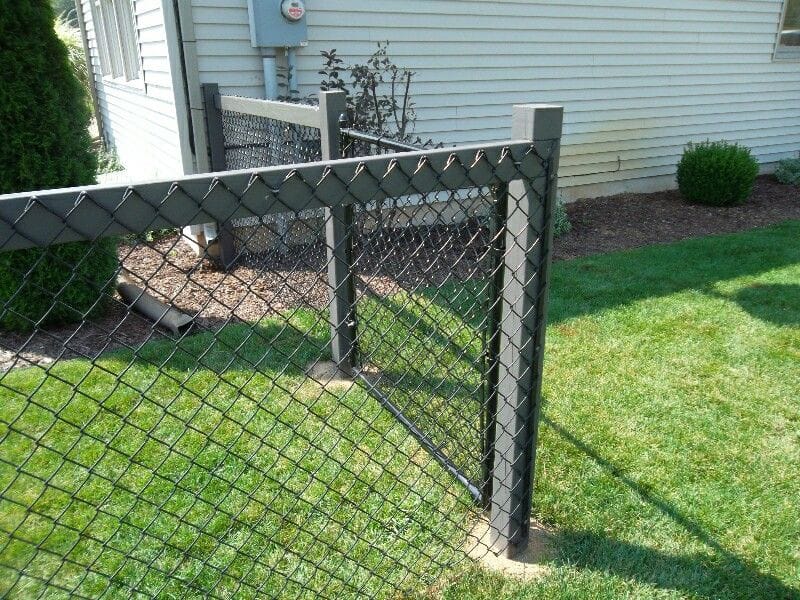
Frequent pitfalls include:
One of the most common mistakes is not digging holes deep enough. Many people assume that a shallow hole is sufficient, but this leads to posts that lean or even fall over during storms. Always follow the recommended depth guidelines.
Another frequent error is rushing the concrete setting process. Concrete needs time to cure properly before the fence is fully loaded with tension. Rushing this step can result in posts that move or settle incorrectly.
Chain link tension is another area where people often struggle. If the mesh is too tight, it can stretch and break. If it's too loose, it sags and looks unprofessional. Finding the right balance requires patience and attention to detail.
Finally, don't overlook local building codes and permit requirements. Some areas have strict regulations about fence heights, materials, and placement. Checking ahead of time prevents headaches later.
Environmental Impact and Sustainability
Modern construction practices increasingly focus on environmental responsibility. Wood posts with chain link fencing offers several sustainable advantages.
Benefits include:
Wood posts made from sustainably sourced lumber support responsible forestry practices. Many manufacturers now offer certified sustainable options that ensure trees are replanted and forests managed properly.
Chain link is highly recyclable, with many recycling centers accepting old fencing materials. When properly disposed of, these components don't end up in landfills.
The durability of this system means fewer replacements over time, reducing overall environmental impact. Unlike some materials that degrade quickly, a well-installed wood post with chain link fence can last decades with proper care.
Additionally, the minimal maintenance required reduces the need for chemical treatments and frequent repairs, contributing to a cleaner environment. This makes it an attractive option for environmentally conscious consumers.
Safety Considerations
Safety should always be a priority when installing any type of fencing. Wood posts with chain link systems present unique considerations that deserve attention.
Key safety factors include:
Chain link mesh can have sharp edges, especially at connection points. These need to be properly finished or covered to prevent cuts and injuries. This is particularly important if children play near the fence or if pets frequently interact with it.
Structural soundness is crucial. Posts must be securely anchored to handle wind loads, impacts, and other forces. In areas with severe weather, extra reinforcement might be necessary.
For accessibility, consider how people will move around the fenced area. Gates should open wide enough for wheelchairs or mobility aids. The height of the fence should accommodate the intended users appropriately.
Good visibility helps prevent accidents. If your fence blocks sight lines, consider adding reflective elements or ensuring adequate lighting. This is especially important for driveways or pathways where visibility is critical.
Wood posts with chain link fencing represents one of the most practical and enduring solutions for property boundaries and security needs. From choosing the right materials to understanding installation requirements and maintenance needs, this combination offers unmatched versatility and reliability. Whether you're protecting a small backyard or defining a large commercial property, the fundamentals remain consistent: proper planning, quality materials, and thoughtful execution.
The beauty of this system lies in its simplicity and adaptability. It works well in diverse environments, supports various design preferences, and provides excellent value for money. With proper care, these fences can serve you faithfully for decades, offering both security and visual appeal.
As you prepare for your next fencing project, remember that the details matter. Every post, every link, every connection contributes to the overall success of your installation. Take the time to plan carefully, choose quality materials, and consider consulting professionals when needed. Your investment in a well-built wood post with chain link fence will pay dividends in security, property value, and peace of mind for years to come.


