
Imagine walking up to a home where the very essence of Victorian grandeur greets you at the entrance. The wrap-around porch isn't just an architectural feature—it's a statement of style, comfort, and timeless beauty that has captivated homeowners for over a century.
There's something undeniably magical about stepping onto a Victorian wrap-around porch. These architectural marvels represent more than just a place to sit and sip tea—they're living testaments to a bygone era of craftsmanship and elegance. Whether you're restoring an old Victorian or planning a new build, understanding these porches opens the door to a world where every detail matters and every corner tells a story.
What Makes a Victorian Wrap-Around Porch Special?
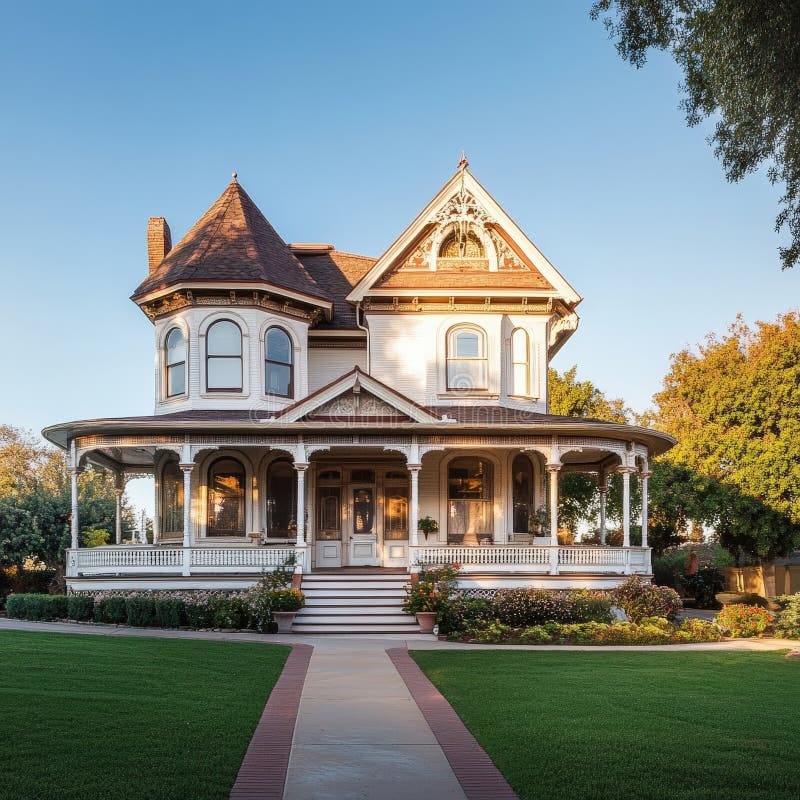
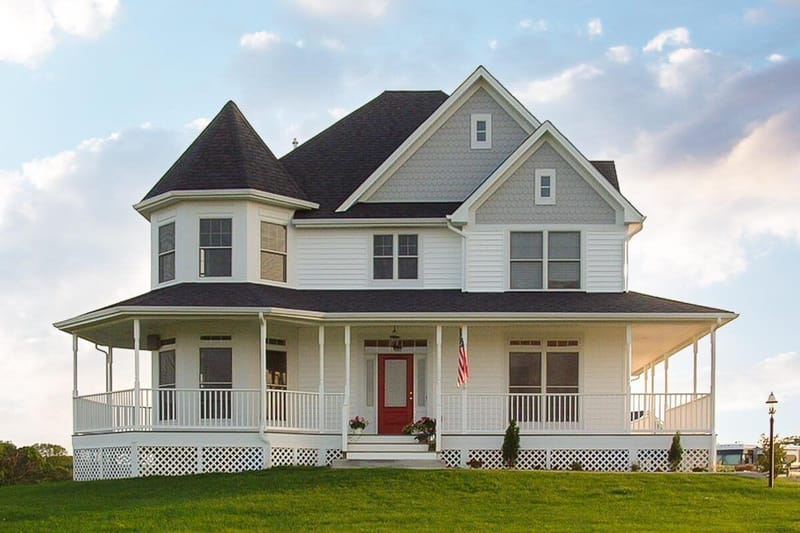
A Victorian wrap-around porch is more than just a covered area. It's a complete architectural experience that embraces the entire front facade of a home. These porches typically feature ornate woodwork, intricate trim details, and generous proportions that make them feel both welcoming and imposing. The design philosophy centers around creating a seamless transition between indoors and outdoors while maintaining the dignity of the house itself. The wrap-around nature means the porch extends along at least two sides of the building, often creating a sense of enclosure and intimacy. What sets these porches apart is their ability to showcase the finest details of Victorian craftsmanship while providing practical outdoor living space. The scale and scope of these structures demand careful attention to materials, proportions, and design elements.
Historical Origins and Cultural Significance
The Victorian wrap-around porch emerged during the height of the Victorian era, roughly spanning from the 1840s through the early 1900s. This architectural style reflected the social changes happening in America during this time. As families began to value outdoor living spaces more highly, architects responded by designing homes that celebrated the relationship between indoor and outdoor environments. These porches were more than functional—they were symbols of prosperity and taste. The Victorian period saw a boom in mass production of building materials, making elaborate designs more accessible to middle-class families. The porch became a social hub where neighbors gathered, families hosted events, and daily life spilled out into the fresh air. Many of these homes were built in neighborhoods where the porch served as a community gathering spot, reinforcing social bonds through shared outdoor experiences.
Key Design Elements and Features
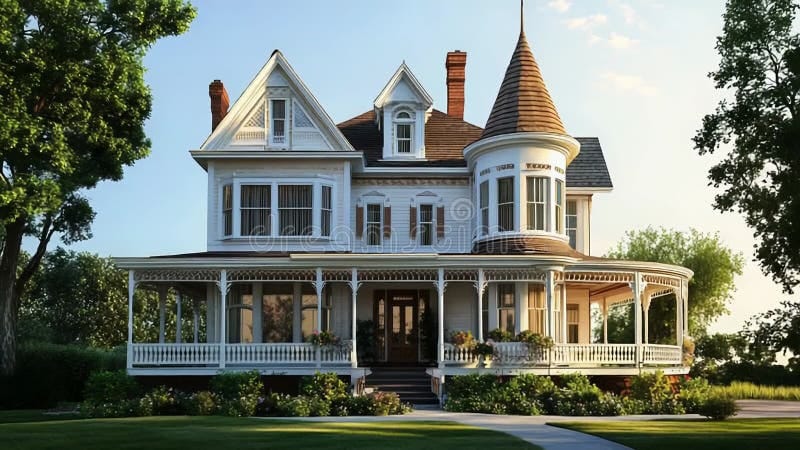
Victorian wrap-around porches are characterized by several distinct features:
These elements combine to create a sense of grandeur and sophistication that defines the Victorian aesthetic. The materials used are typically hardwoods like oak, pine, or cedar, chosen for their durability and ability to hold intricate carvings. The proportions are carefully calculated to ensure visual balance, with each element contributing to the overall harmony of the structure. Every detail, from the size of the columns to the spacing of the balusters, follows established design principles that have been refined over generations.
Materials and Construction Techniques
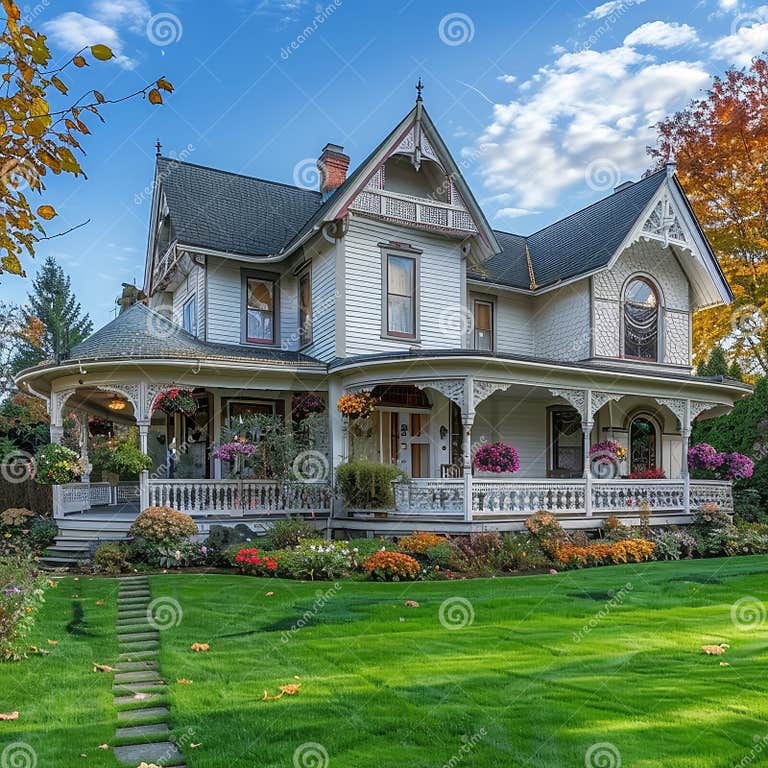
Building a Victorian wrap-around porch requires careful consideration of materials and construction methods that reflect the era's craftsmanship standards. Traditional materials include:
The construction process involves precise joinery techniques that were perfected over decades. Woodworkers used mortise and tenon joints, dovetail connections, and other traditional methods that created structures capable of lasting for generations. The craftsmanship required for these projects demanded skilled artisans who understood not just how to build, but how to create beautiful, functional spaces. Modern builders often struggle to replicate the quality of these historical structures because the techniques require years of practice and deep understanding of woodworking.
Maintenance and Preservation Challenges
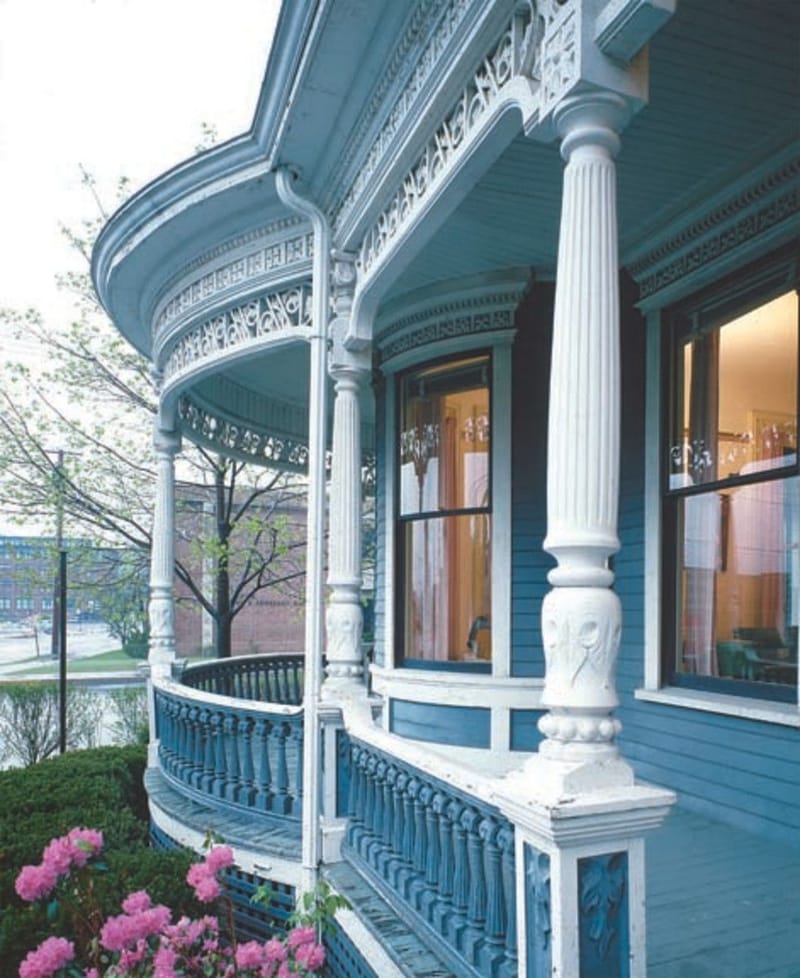
Maintaining a Victorian wrap-around porch requires dedication and knowledge of traditional techniques. These structures face unique challenges:
The key to successful maintenance lies in understanding that these porches were built to last, but they require ongoing care. Regular inspections, proper drainage, and timely repairs prevent small problems from becoming major issues. Many historic preservation societies offer guidance on appropriate restoration techniques. The challenge often lies in finding materials that match the original specifications while meeting current safety standards. Some homeowners find that consulting with preservation experts helps navigate the complexities of maintaining these special structures.
Modern Applications and Adaptations
Today's homeowners often adapt Victorian porch designs for contemporary living while respecting their historical significance. Modern interpretations might include:
These adaptations show that Victorian porch design principles remain relevant today. The emphasis on creating comfortable outdoor living spaces, the importance of architectural detail, and the desire to connect with nature continue to drive interest in these designs. Many modern builders incorporate Victorian elements into new constructions, blending historical inspiration with contemporary needs. The result is often homes that feel both timeless and current, appealing to those who appreciate classic design but want modern functionality.
The Victorian wrap-around porch represents far more than a simple architectural feature—it embodies a philosophy of home, community, and craftsmanship that continues to resonate today. Whether you're standing on a restored Victorian porch or planning a new design, these structures remind us of the importance of taking time to create spaces that bring joy and foster connection. They're living reminders that great design isn't just about appearance, but about creating places where life happens naturally. The enduring appeal of these porches speaks to our fundamental human desire for beautiful, functional spaces that tell stories and welcome others into our lives. Perhaps that's why they continue to capture hearts and minds across generations, serving as bridges between past and present, tradition and innovation.


