
Whether you're setting up a new patio or replacing an old umbrella, getting the right size matters more than you might think. It's not just about picking the biggest one that fits - it's about finding that sweet spot where shade meets comfort.
Picture this: you've finally created the perfect outdoor space, complete with comfortable seating and maybe even some potted plants. But when the sun starts beating down, you realize you're missing something crucial - proper shade. That's where measuring for patio umbrellas becomes essential. It's easy to assume that any umbrella will do, but the truth is, getting the right dimensions can make or break your outdoor experience. From backyard gatherings to quiet morning coffee sessions, the right umbrella size ensures you never have to squint or seek refuge under a tree again. This guide will walk you through everything you need to know about measuring for patio umbrellas, helping you make informed decisions that will last seasons.
Understanding Patio Umbrella Sizes
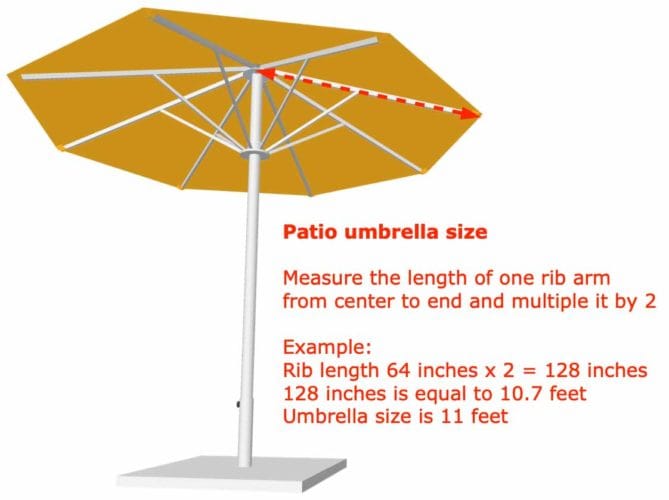
Patio umbrellas come in various sizes, typically measured by diameter. The most common sizes range from 8 feet to 12 feet in diameter. But what does this actually mean for your space? An 8-foot umbrella provides adequate shade for small tables or intimate seating areas. A 10-foot umbrella works well for medium-sized patios or groups of four to six people. The 12-foot option offers maximum coverage, perfect for larger gatherings or when you want to ensure everyone gets some shade. The key is matching the umbrella size to your specific needs. Think about how many people will typically use your space and how much area you want covered. For instance, if you have a small bistro set, an 8-foot umbrella will probably be plenty. But if you're hosting weekly barbecues with a large dining table, you'll want to consider going up to 12 feet. Size isn't just about coverage area - it's about creating the right atmosphere for your lifestyle.
Measuring Your Outdoor Space
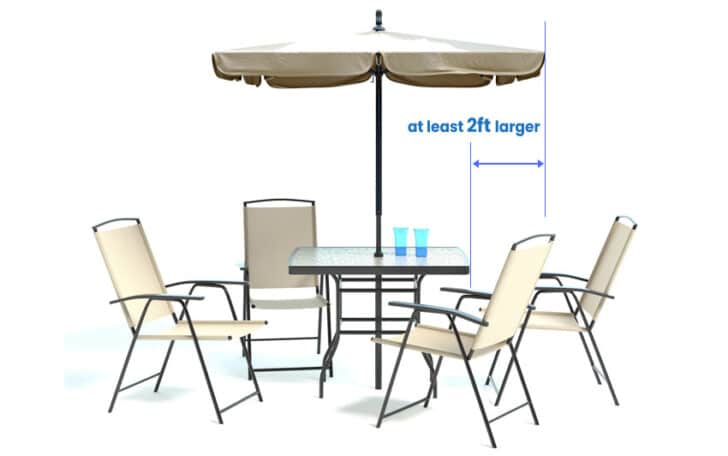
Before buying an umbrella, take careful measurements of your designated area. Start by measuring the length and width of your seating arrangement. If you have a rectangular table, measure both dimensions. Then add extra space around the edges. For example, if you have a 6-foot-long table, you'll want an umbrella that extends at least 2 feet beyond each end for full coverage. Consider the shape of your patio too. Round tables work best with round umbrellas, while rectangular tables often pair better with rectangular umbrellas. Don't forget about your seating area. Measure the distance between your chairs or the space where people will sit. A general rule of thumb is that your umbrella should extend at least 2 feet beyond the seating area on all sides. This prevents harsh shadows and ensures everyone stays comfortably shaded. It's also worth noting that some people prefer umbrellas that extend further, especially if they plan to use the space for activities like reading or dining.
Considering Sun Exposure and Weather Factors
Your local climate plays a big role in determining umbrella size. In areas with intense afternoon sun, you might want a larger umbrella to provide more extensive coverage. If you live somewhere with frequent wind, a smaller umbrella might be more practical. Think about how much shade you actually need. Do you want to shade just your table, or do you need to cover the entire seating area? Some people find that a 10-foot umbrella is perfect for their needs, while others prefer the extra coverage of a 12-foot model. Also consider the seasonality of your space. During summer months, you might need more coverage, but in spring or fall, a slightly smaller umbrella could suffice. Weather factors like rain and wind also matter. A larger umbrella may catch more wind, potentially causing damage. However, it also provides better protection during storms. Balancing these elements helps you choose the right size for your particular situation.
Seating Arrangement and Coverage Needs
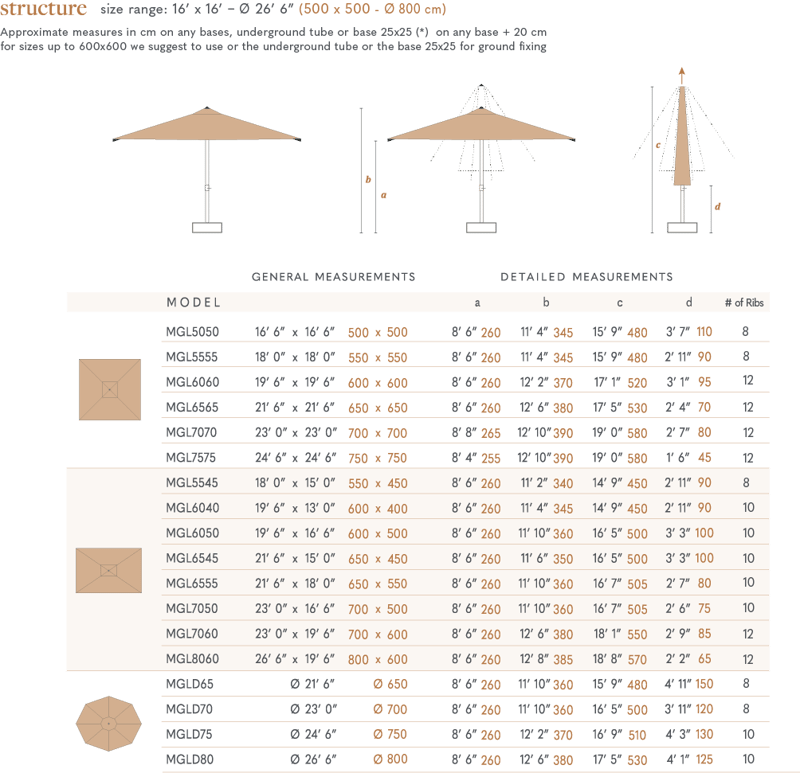
This is where things get personal. How many people do you usually entertain? A couple might only need an 8-foot umbrella, while a family gathering might require a 12-foot model. Think about the layout of your seating. If you have multiple seating areas, you might need several umbrellas. Or perhaps a single large umbrella that covers everything. Consider whether you use the space for dining, lounging, or both. Dining areas typically need more precise coverage, while lounging spaces can sometimes accommodate a bit more flexibility. Also factor in children and pets. If you have young ones running around, you might want extra coverage to prevent them from being exposed to direct sunlight. The goal is to create a comfortable environment where everyone feels protected from the elements. Sometimes the best approach is to measure your primary seating area first, then adjust based on how you actually use the space.
Umbrella Height and Mounting Options
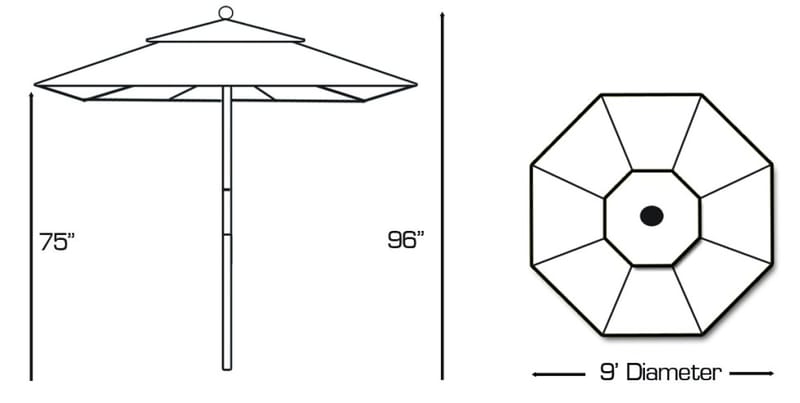
While we focus on diameter, don't overlook height and mounting options. Standard patio umbrellas are typically 7 to 9 feet tall, but some models can reach 10 feet. The height affects how much light is blocked and how well the umbrella functions in different weather conditions. Tall umbrellas often work better in windy areas because they allow air to flow through rather than creating a wind tunnel effect. When it comes to mounting, consider whether you want a freestanding umbrella or one that attaches to a table. Freestanding models offer more flexibility, allowing you to move them around as needed. Table-mounted umbrellas are more stable and often provide better wind resistance. The mounting type also affects how you measure for coverage. Freestanding umbrellas need more clearance around them, while table-mounted versions can be positioned closer to furniture. Make sure to account for the mounting hardware when calculating your final measurements.
Practical Tips for Accurate Measurement
Here are some simple steps to ensure you measure correctly:
Don't forget to measure twice and buy once. Many people make the mistake of assuming their current umbrella is the right size, only to discover it's too small after purchasing a new one. Take time to really think about your usage patterns and future needs. A good investment in proper measurement pays off in comfort and convenience for years to come. Some people even sketch out their patio space before shopping, which helps visualize the ideal umbrella placement and size.
Common Mistakes to Avoid
Many people fall into certain traps when measuring for patio umbrellas. One major mistake is not accounting for the umbrella's projection. People often buy an umbrella that looks big enough but forget that it needs to extend beyond their furniture. Another common error is choosing based solely on table size without considering the actual coverage needed. Some folks assume that bigger is always better, but a 12-foot umbrella might be overkill for a small patio. Additionally, ignoring the height of the umbrella can lead to problems with wind resistance and stability. Another pitfall is failing to consider the angle of the sun throughout the day. An umbrella that works great in the morning might not provide adequate shade in the afternoon. Finally, many people overlook the importance of the mounting system. A perfectly sized umbrella won't help if it can't stay put in windy conditions.
Making Your Final Decision
Once you've gathered all your measurements and considered your needs, it's time to make a choice. Remember that the right umbrella size depends on your specific situation. If you're still unsure, try visiting a store with your measurements to see how different sizes look in person. Sometimes a 10-foot umbrella looks much different than a 12-foot one when you actually see them side by side. Don't hesitate to ask for advice from knowledgeable staff members. They can often suggest solutions that you might not have considered. Also consider the material and design of the umbrella. Some fabrics provide better UV protection than others, and the style might affect how well it handles wind. Ultimately, the best measurement is one that makes you feel comfortable and confident in your outdoor space. Trust your instincts and don't be afraid to go a bit larger than you initially think you need.
Measuring for patio umbrellas might seem like a simple task, but it's actually quite nuanced. It requires balancing several factors - space dimensions, usage patterns, weather conditions, and personal preferences. The right size umbrella can transform your outdoor experience from uncomfortable to delightful. Whether you're planning a small evening dinner or a large weekend gathering, taking the time to measure properly will save you from future regrets. Remember, it's not just about covering your table - it's about creating a comfortable environment where you can truly enjoy your outdoor space. With these guidelines, you're now equipped to make informed decisions that will serve you well for many seasons to come. The key is to think about how you actually use your space and what kind of shade you really need. Don't let a poorly chosen umbrella steal your sunshine - get it right the first time.


