
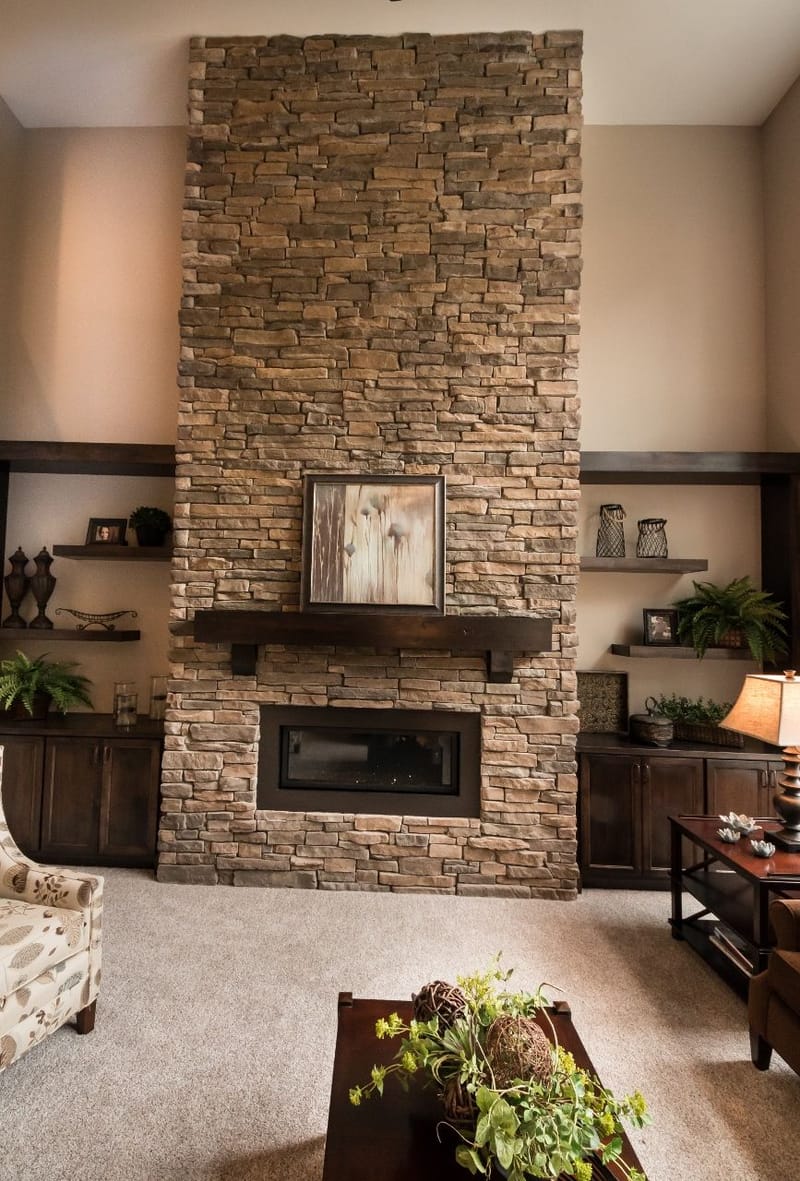
Picture this: You walk into a room and your eyes immediately gravitate toward a magnificent wall of natural stone that stretches from floor to ceiling. This isn't just a fireplace – it's a work of art that defines your entire living space. A floor to ceiling stone fireplace creates an instant focal point that draws people in and makes every room feel more substantial and sophisticated.
There's something undeniably captivating about a floor to ceiling stone fireplace. These impressive installations don't just provide warmth – they transform the very essence of a room. Whether you're building a new home or renovating an existing space, this type of fireplace offers both aesthetic appeal and functional benefits that few other options can match. The dramatic vertical lines create a sense of height and grandeur that makes even the smallest rooms feel more spacious and elegant.
What Makes Floor to Ceiling Stone Fireplaces Special
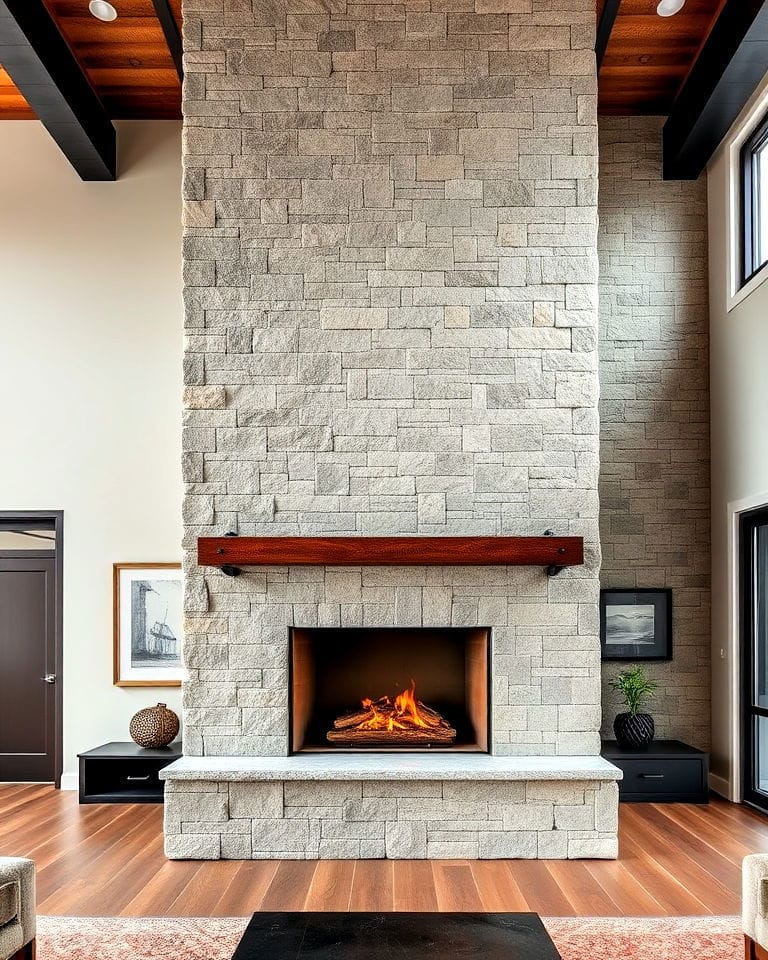
The magic of a floor to ceiling stone fireplace lies in its sheer presence. Unlike traditional fireplaces that sit atop a mantel, these installations dominate the entire wall space. The continuous flow of stone creates a visual journey from floor to ceiling, making the room feel more open and airy. Many homeowners find themselves drawn to these features because they offer a timeless quality that never goes out of style.
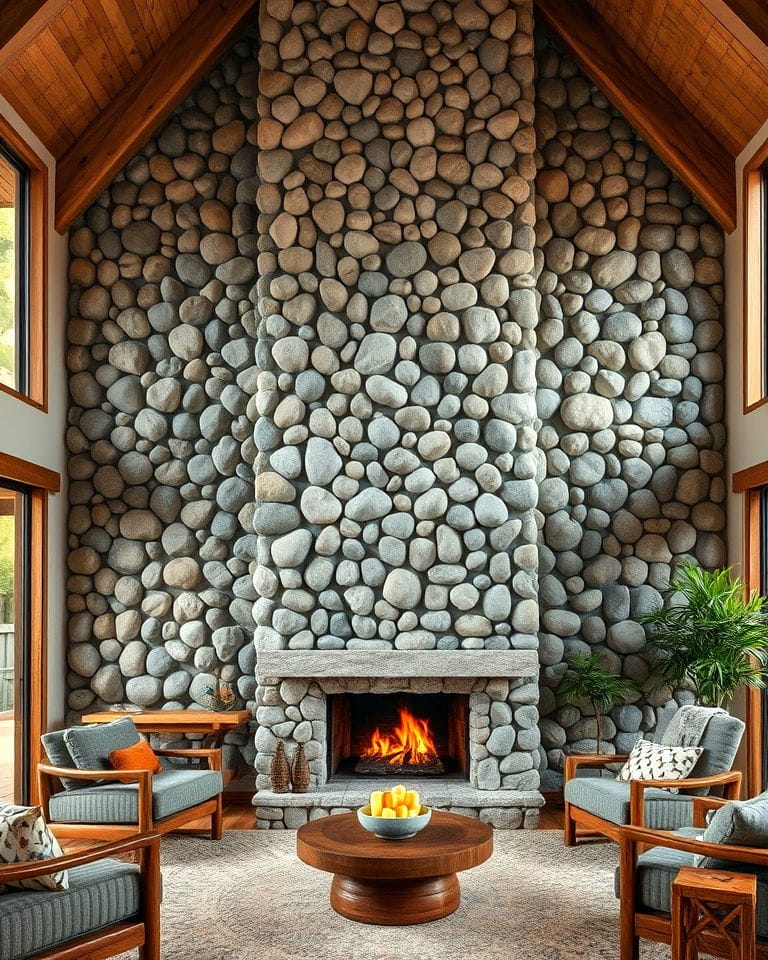
The natural texture and variation in stone create depth and character that's difficult to replicate with manufactured materials. Each piece of stone tells its own story, with unique veins, colors, and textures that make every installation one-of-a-kind. This organic quality brings a sense of authenticity and warmth to modern homes that artificial materials simply cannot match.
Consider how a large stone wall might make a small dining room feel more intimate, or how it could elevate a simple living area into a sophisticated gathering place. The psychological impact of such a feature is profound – it changes how people move through and experience the space.
Design Considerations and Layout Options
Before diving into installation, think carefully about placement and how the fireplace will interact with the rest of your room. The most common locations include:
The key is ensuring there's enough clearance around the fireplace for safety and comfort. You'll want to consider the room's proportions and how the vertical element will affect the overall balance. For example, a narrow room might benefit from a single, dramatic stone wall rather than multiple smaller elements.
Modern designs often incorporate built-in cabinetry or shelving that complements the stone structure. These additions can provide storage while maintaining the clean lines and natural beauty of the stone. Some homeowners choose to integrate lighting within the stone itself, creating a subtle glow that enhances the material's natural beauty during evening hours.
Think about traffic patterns too. Will people walk past the fireplace frequently? Is it positioned where it can serve as a natural gathering point? These practical considerations help ensure your investment serves both form and function perfectly.
Stone Selection and Material Choices
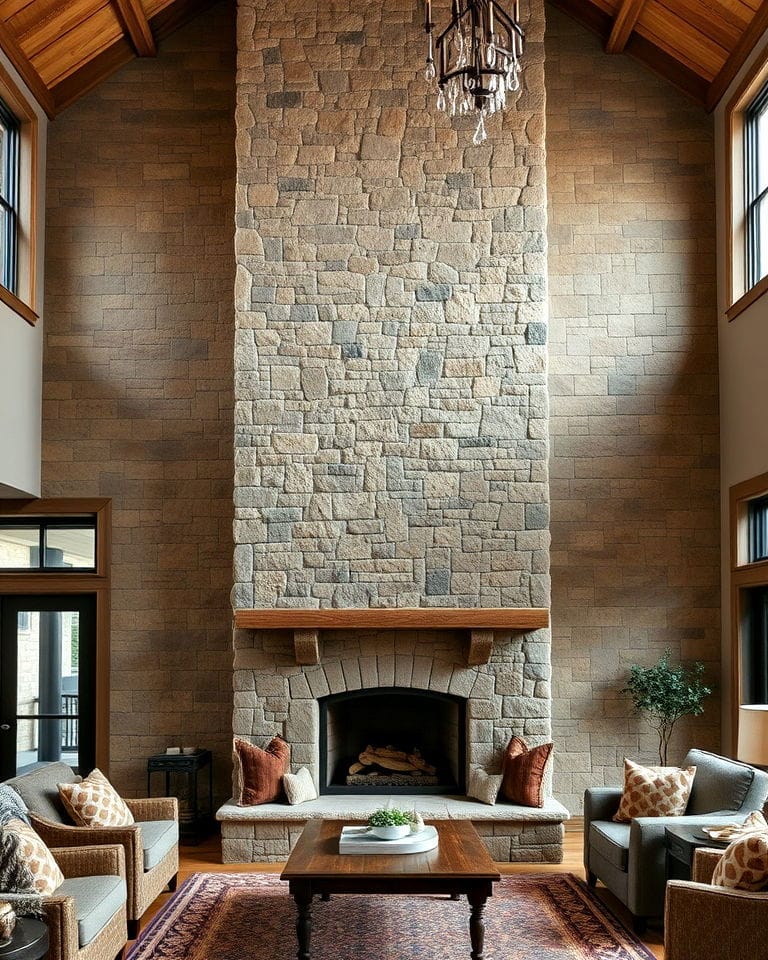
Choosing the right stone is crucial to achieving your desired look. Popular options include:
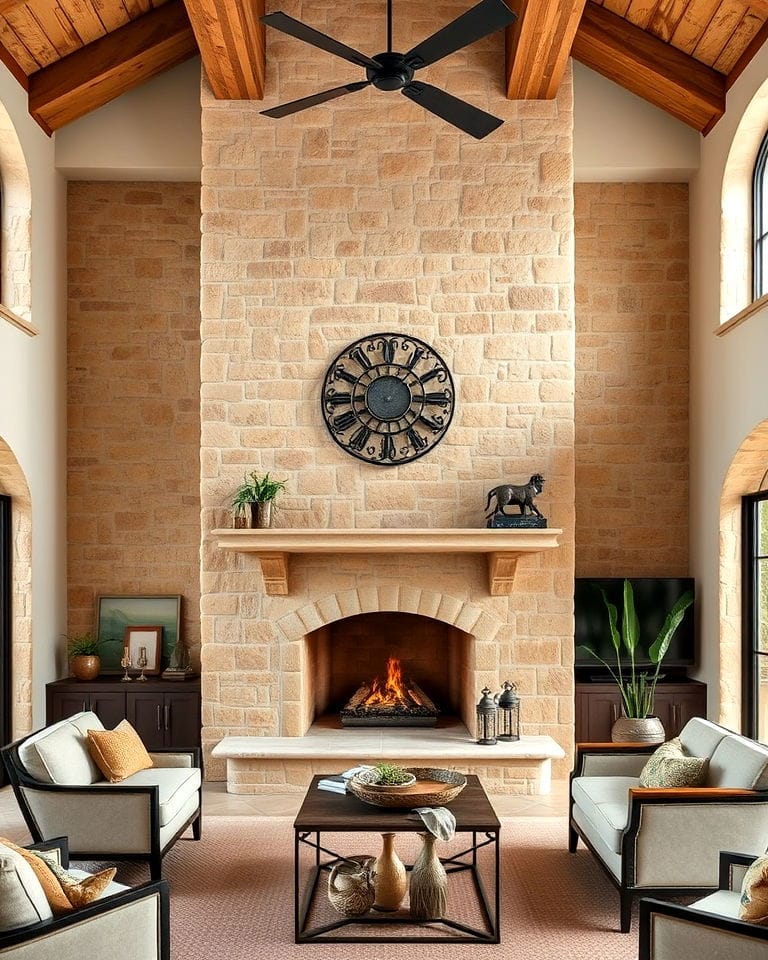
Each stone type brings different characteristics to your fireplace. Limestone tends to have a softer appearance, while granite offers more dramatic contrast. Sandstone adds warmth and texture, whereas slate creates a sleeker, more contemporary feel. The natural color variations mean no two installations will look exactly alike.
Consider the local climate when selecting stone. Some materials handle moisture better than others, especially important if your fireplace is near a window or in a high-humidity area like a kitchen or bathroom. Additionally, some stones require more maintenance than others. Always factor in ongoing care requirements when making your selection.
Professional stone suppliers can show you samples and explain how different stones behave under various lighting conditions. This is particularly important since the appearance of stone can change dramatically depending on whether it's viewed in natural daylight or artificial light.
Installation Process and Professional Requirements
Installing a floor to ceiling stone fireplace requires careful planning and often professional expertise. The process typically involves several key steps:
Many homeowners underestimate the complexity involved. Stone weighs significantly, and improper installation can lead to structural issues or safety hazards. Professional masons understand how to properly anchor heavy stone and work with the material's natural characteristics.
The time investment varies considerably based on size and complexity. A modest installation might take a week or two, while larger projects could extend over several weeks. Budget accordingly for both materials and labor costs.
Some projects involve working with existing chimneys or gas lines, which adds another layer of complexity. It's essential to consult with professionals who can navigate these technical aspects safely. Remember that proper ventilation and safety measures are non-negotiable when dealing with fireplaces.
Don't overlook permits either – many municipalities require approval before beginning major fireplace installations, especially those involving structural modifications.
Safety Features and Building Codes
Fireplace safety isn't just about aesthetics – it's about protecting your family and property. Floor to ceiling stone fireplaces must comply with local building codes, which vary significantly between jurisdictions. These codes typically address:
Most building departments require inspections at various stages of installation. This ensures that all safety measures are properly implemented and that the finished product meets local standards. Don't skip these steps – they're not just paperwork, they're protection.
Modern fireplaces often incorporate safety features like automatic shut-offs, heat sensors, and child-lock mechanisms. These aren't just nice-to-haves; they're essential components that protect against accidents. Some newer models even include temperature controls that prevent overheating.
It's worth noting that stone itself provides excellent fire resistance, but the surrounding materials and electrical systems still need proper attention. The stone may be fireproof, but the wood framing or drywall behind it needs appropriate protection. This is where professional installation becomes even more critical.
Regular maintenance checks are also important. Even the best installations benefit from periodic inspections to ensure everything remains secure and safe. This includes checking mortar joints, examining the chimney, and verifying that all safety features are functioning correctly.
Maintenance Tips and Long-term Care
A well-maintained stone fireplace will last decades and continue to enhance your home. Here are some essential care practices:
Stone surfaces should never be cleaned with acidic products, which can damage the natural minerals. Instead, use pH-neutral cleaners specifically designed for natural stone. These products remove dirt without harming the surface.
Sealing is perhaps the most important maintenance task. Most stone installations benefit from resealing every three to five years, though this depends on usage and environmental factors. A sealed surface repels water and prevents staining from spills or airborne particles.
Keep an eye out for any signs of damage. Cracks in mortar joints, loose stones, or discoloration can indicate underlying problems that need attention. Early detection makes repairs much simpler and less expensive.
Professional cleaning services can help maintain the fireplace's appearance over time. They have specialized equipment and knowledge that home owners might lack. Many stone restoration companies offer regular maintenance packages that keep your fireplace looking pristine.
A floor to ceiling stone fireplace represents more than just a heating solution – it's a statement about taste, craftsmanship, and commitment to quality. These installations combine natural beauty with lasting durability, creating focal points that draw people into your space and make every moment feel more special. While they require careful planning and professional execution, the results are worth every effort.
Whether you're considering this feature for a new construction project or looking to enhance an existing space, remember that the investment pays dividends in both aesthetics and property value. The timeless appeal of natural stone means these fireplaces won't look dated in a few years, unlike many trendy alternatives.
Take time to explore different stone types, consider your room's unique characteristics, and work with professionals who understand both the artistic and technical aspects of these installations. When done right, a floor to ceiling stone fireplace becomes the heart of your home – a place where memories are made and moments are cherished.


