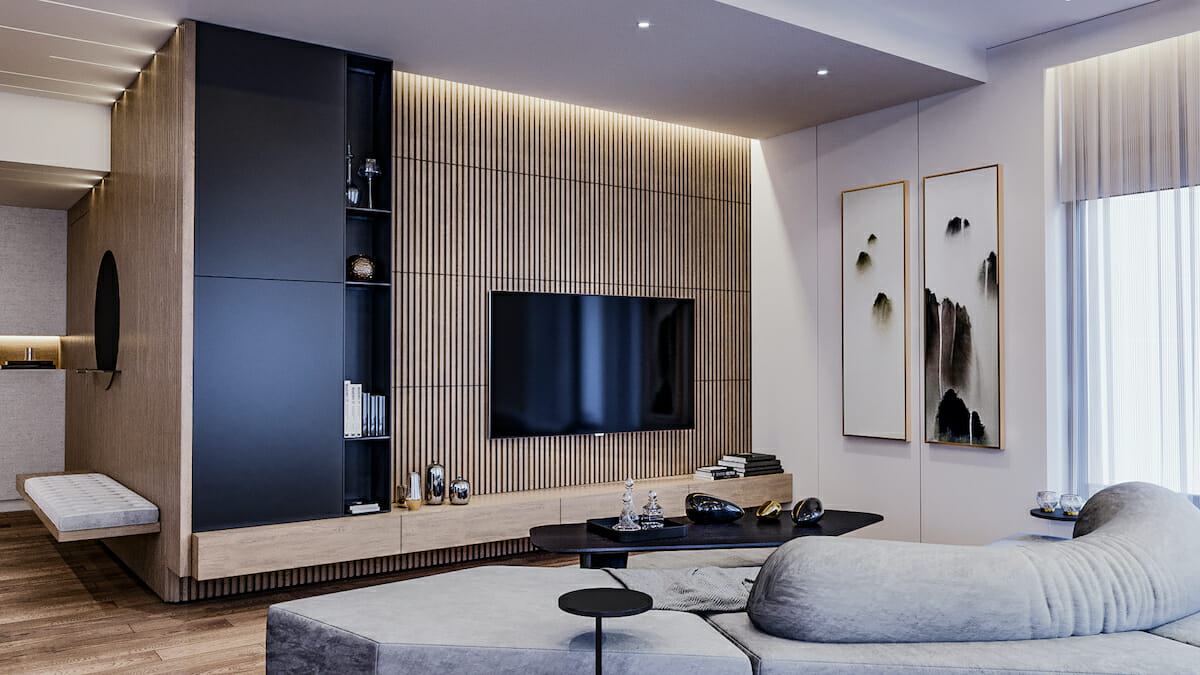
We've all been there – standing in our living room, looking around at the chaos, wondering how we ended up with so many things. But what if I told you there's a way to have everything you need without the overwhelming mess? It's not magic, it's just smart thinking about where and how you store your stuff.
Let's face it – we all accumulate things over time. The sentimental keepsakes, the practical items, the things we think we might need someday. But somewhere along the way, these collections start to feel like they're taking over our lives. The good news? There are creative solutions that don't just hide the clutter, they actually enhance your space. Think of it less as storage and more as design. You can have both organization and aesthetic appeal. This isn't about buying more boxes or shelves. It's about reimagining how you think about your belongings and the spaces they occupy.
Think Outside the Box
Sometimes the best storage solutions come from the most unexpected places. Instead of traditional cabinets and drawers, consider turning everyday objects into storage containers. A vintage trunk can hold seasonal clothing, while an old ladder can become a bookshelf. Think about the spaces you don't normally consider. Under beds, behind doors, inside closets – these areas often go unused but can provide incredible storage potential.
Here are some unconventional storage ideas:
• Use a hollowed-out tree stump as a coffee table that doubles as storage• Repurpose old suitcases as vertical storage units• Turn a vintage dresser into a pantry organizer• Store items in decorative baskets instead of plain boxes• Utilize the space under your staircase for hidden storage
The key is to look at your environment differently. What's already there could be transformed into functional storage. It's like having a treasure hunt where the treasure is organization.
Vertical Thinking
When floor space gets tight, go up. Vertical storage solutions are game-changers. They take advantage of the space you're not using and transform it into functional storage. Wall-mounted shelves, tall bookcases, and even floating shelves can dramatically increase your storage capacity without adding bulk to your room.
Consider these vertical approaches:
• Install shelving that reaches toward the ceiling to maximize height• Use wall hooks for coats, bags, and accessories• Create a vertical filing system with hanging folders• Stack storage bins vertically for easy access• Hang a pegboard on the wall for tools and small items
Vertical storage works especially well in small apartments or rooms where every square foot counts. It's about making the most of your three-dimensional space rather than just two-dimensional floor area.
Multi-Purpose Furniture
Furniture that does double duty is the holy grail of storage solutions. You can have a coffee table that holds books, a dining table that stores blankets, or a bench that hides shoes. These pieces serve their primary function while simultaneously providing storage. It's like getting two items for the price of one, but better because they work together seamlessly.
Some great multi-purpose options include:
• Storage ottomans that double as seating and hiding places• Beds with built-in drawers underneath• Console tables with hidden compartments• Storage benches that can hold anything from shoes to linens• Side tables with secret compartments
The beauty of multi-purpose furniture is that it doesn't just solve the storage problem – it adds functionality to your daily life. You're not just storing things, you're creating more usable space in your home.
The Power of Hidden Storage
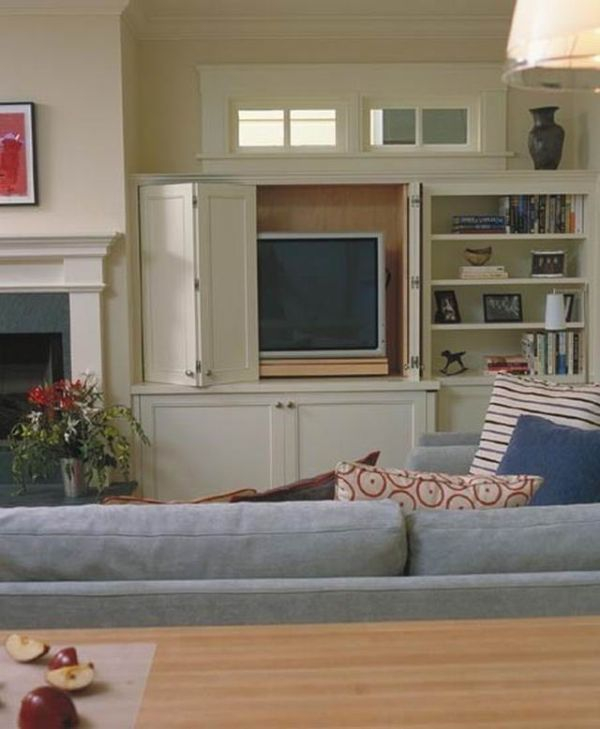
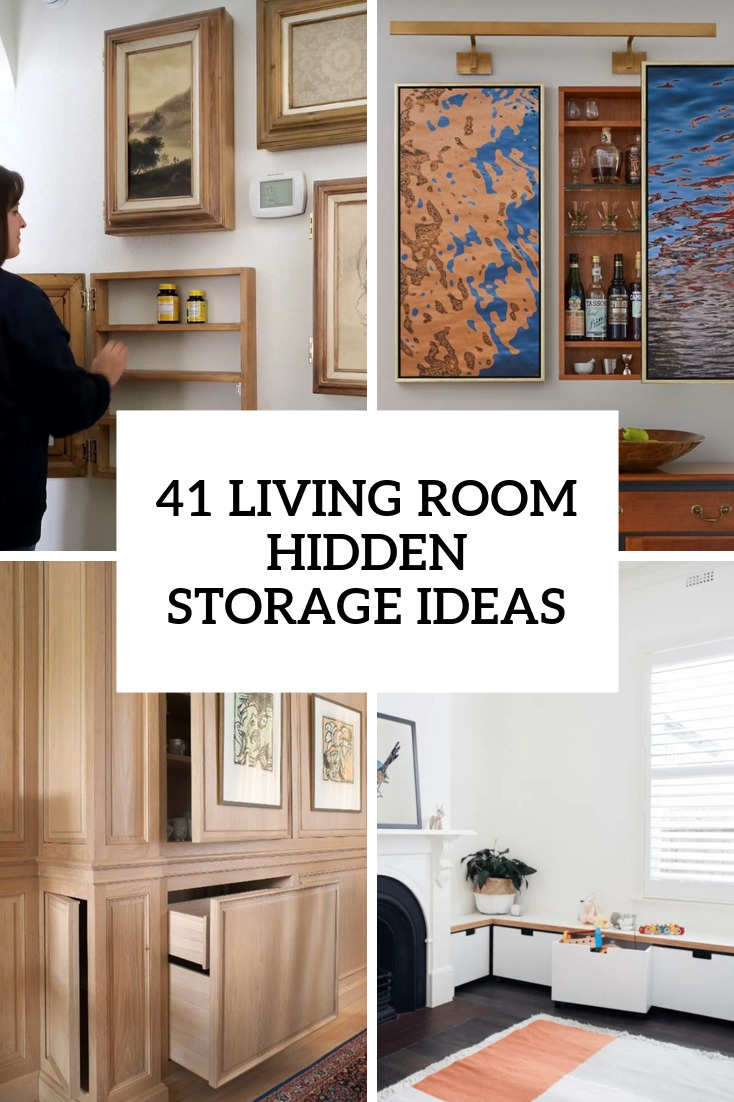
There's something magical about discovering that a perfectly normal-looking cabinet actually holds dozens of items. Hidden storage creates a sense of surprise and discovery. It keeps your space looking clean and organized while providing plenty of room for all your belongings.
Hidden storage solutions include:
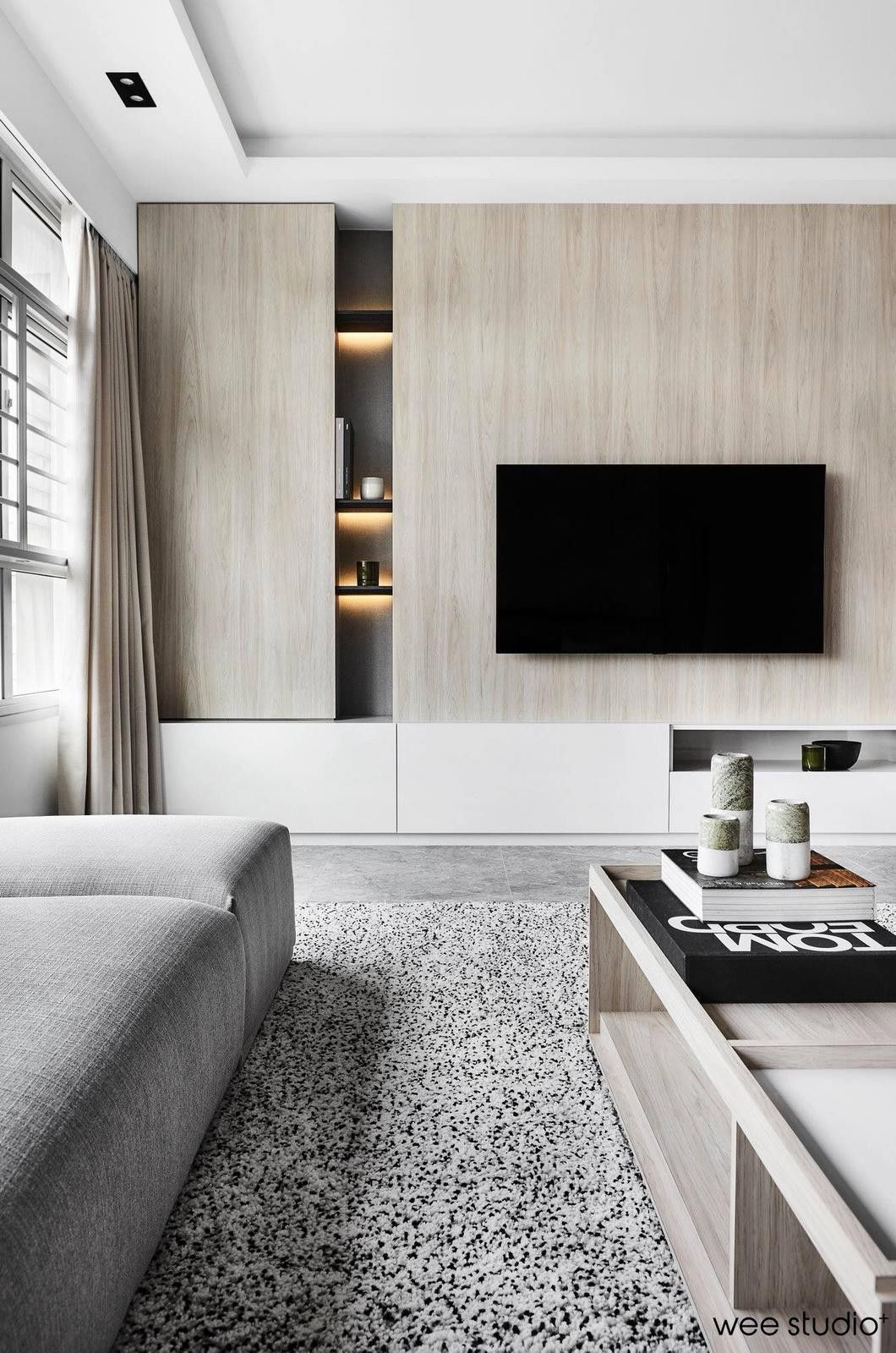
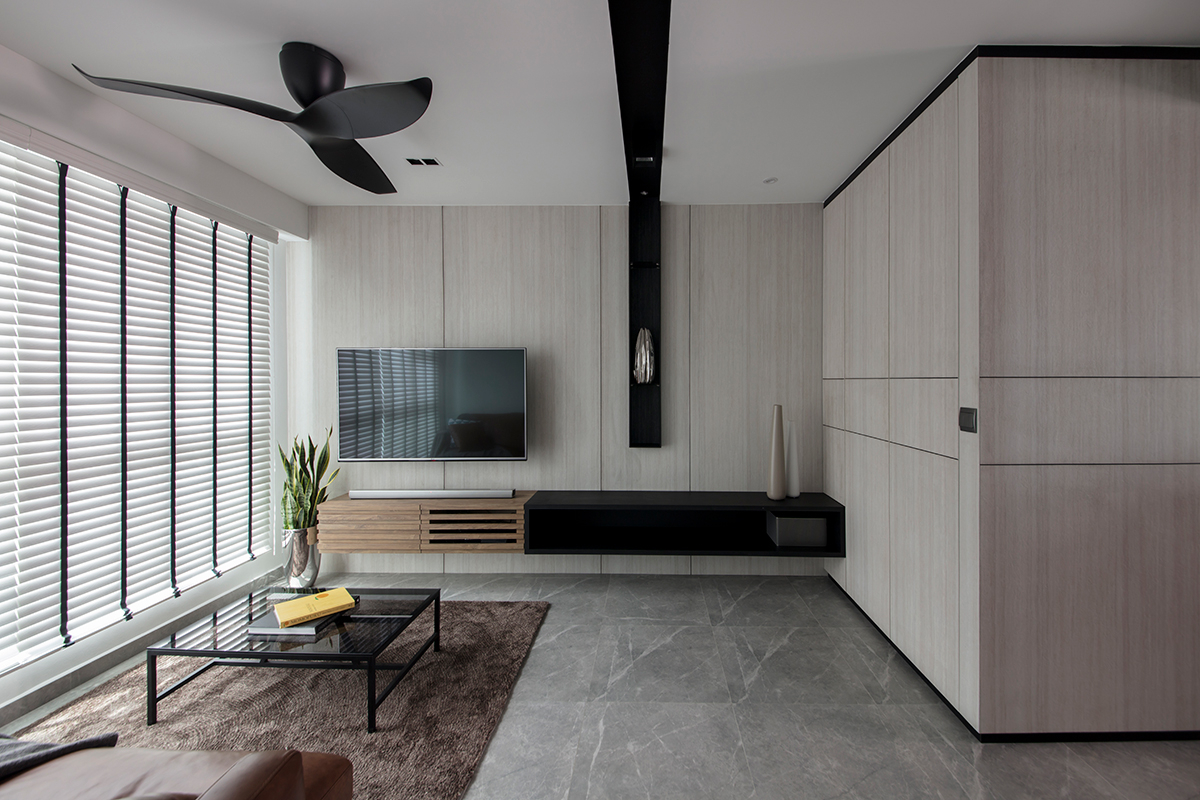
• Furniture with concealed doors or panels• Built-in storage in walls or cabinetry• Storage boxes that blend in with your decor• Under-bed storage containers that look like regular furniture• Decorative boxes that serve as both storage and decoration
The secret is in the execution. You want to make sure that when someone looks at your space, they see a beautiful room first, and the storage is secondary. It should feel intentional rather than forced. The best hidden storage solutions become part of your décor rather than obvious storage.
Smart Labeling and Organization Systems
Having a system is crucial, but it's not enough to just have storage – you need to know where everything is. Smart labeling and organization systems make the difference between chaos and control. When everything has its place and you can find what you need quickly, you're much more likely to maintain the system.
Effective labeling strategies include:
• Using color-coded labels for different categories• Creating a simple inventory list of stored items• Labeling boxes and containers clearly• Making a visual map of where everything goes• Using drawer dividers and shelf organizers
Think of labeling as a conversation with yourself. You're essentially creating a roadmap that helps you navigate your belongings. When you spend less time searching for things, you spend more time enjoying them. Plus, when everything is labeled and organized, you'll find yourself less likely to accumulate unnecessary items.
Seasonal Rotation and Decluttering
The best storage solutions are those that adapt to your changing needs. Seasonal rotation means moving items in and out of storage based on what you need at different times of year. You don't need to store your winter coats in the summer, and you probably don't need to keep your holiday decorations visible year-round.
Practical seasonal approaches:
• Store off-season clothing in vacuum-sealed bags• Rotate books and magazines between seasons• Keep seasonal decorations in labeled boxes• Move heavy items to higher shelves during busy seasons• Store rarely-used items in less accessible locations
This approach prevents accumulation of things you never use while keeping your essential items easily accessible. It's like giving your belongings a schedule – they know when to be active and when to take a break. The result is a much cleaner, more manageable space.
Creative Storage in Small Spaces
Small spaces require creative thinking, but they also offer unique opportunities for clever storage solutions. Sometimes the constraints of limited space force us to think more innovatively. You might discover that a tiny bathroom can hold more than you imagined, or that a narrow hallway can be transformed into a functional storage area.
In small spaces, try:
• Using every available corner for storage• Installing pull-down or slide-out storage systems• Choosing furniture that appears to float• Using mirrors to create the illusion of more space• Implementing vertical storage in every possible spot
Small spaces are where creativity really shines. They challenge you to find solutions that work within limitations, and often those solutions end up being more elegant than those in larger spaces. The key is to embrace the constraints rather than fight against them.
The art of storing belongings without clutter isn't about deprivation or sacrifice. It's about finding harmony between what you need and what you have. When you approach storage with creativity and intentionality, you're not just organizing your space – you're enhancing your lifestyle. These solutions don't require expensive purchases or major renovations. They ask for thoughtfulness, a willingness to see your space differently, and a commitment to maintaining systems that work for you. The result? A home that feels spacious, organized, and uniquely yours. You might be surprised how much better you feel when your space reflects your values rather than your accumulated possessions. It's not about having less – it's about having exactly what you need, where you need it, and in a way that makes you happy.