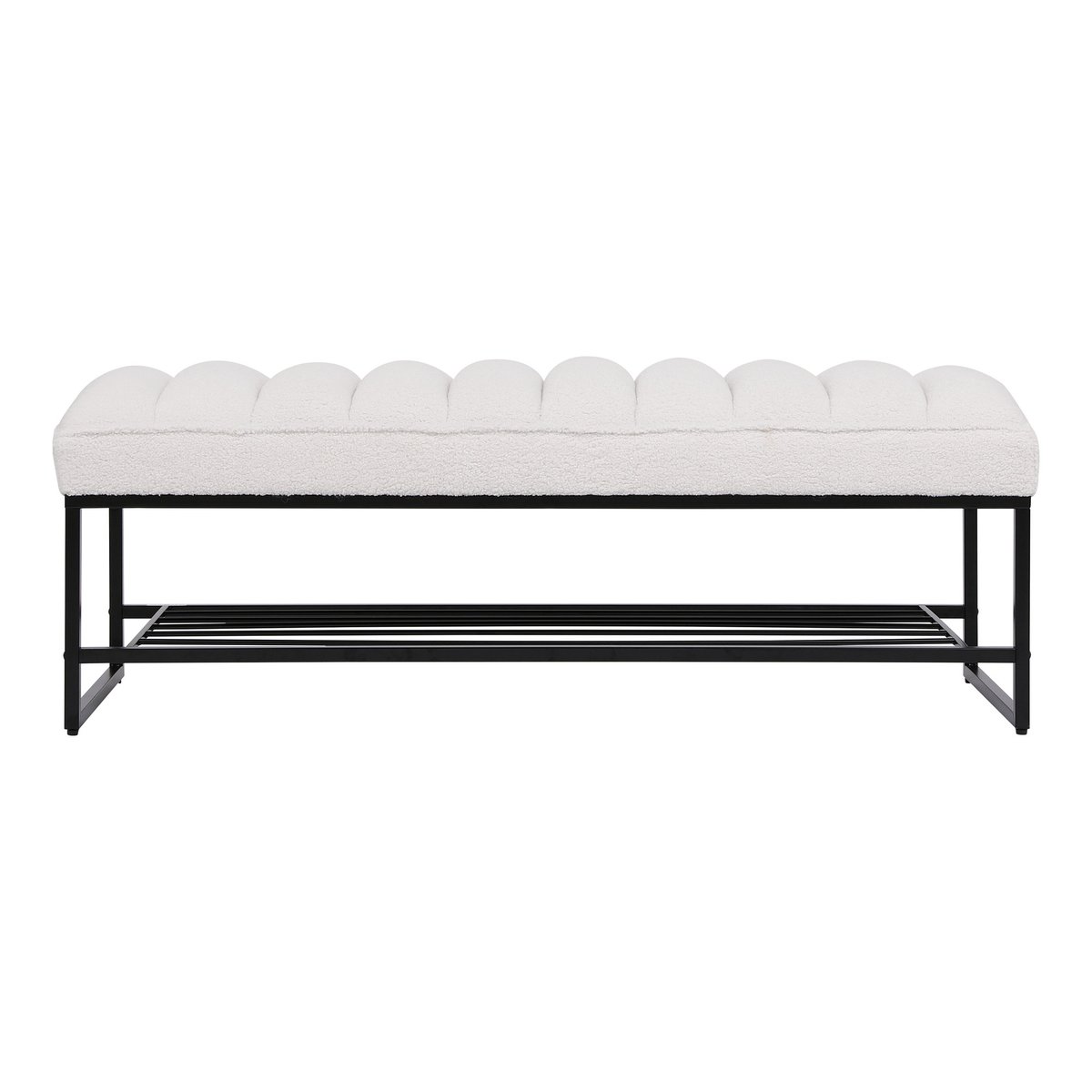
Imagine sitting on a piece of furniture that feels like luxury but costs a fraction of traditional leather. That's the magic of channel-tufted faux leather benches. These aren't just functional pieces – they're artistic statements that blend old-world craftsmanship with modern materials. What makes them so special? It's not just about looking good. The process involves careful planning, skilled execution, and an understanding of how materials behave under pressure and over time.
When you think about furniture that combines comfort with visual appeal, channel-tufted faux leather benches often come to mind. They've become increasingly popular in modern homes and commercial spaces because they offer the look and feel of premium leather without the hefty price tag. But there's more to these benches than meets the eye. The process of creating them involves layers of skill, precision, and artistic vision that transforms simple materials into functional art. Every tuft, every channel, and every stitch tells a story of craftsmanship that spans generations.
What Makes Channel-Tufted Design Special
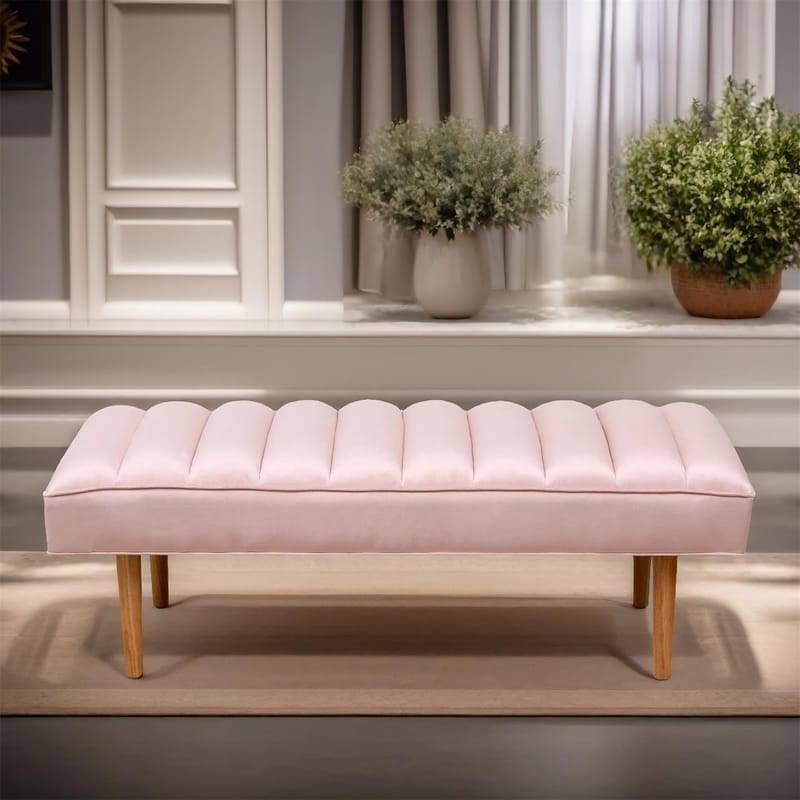
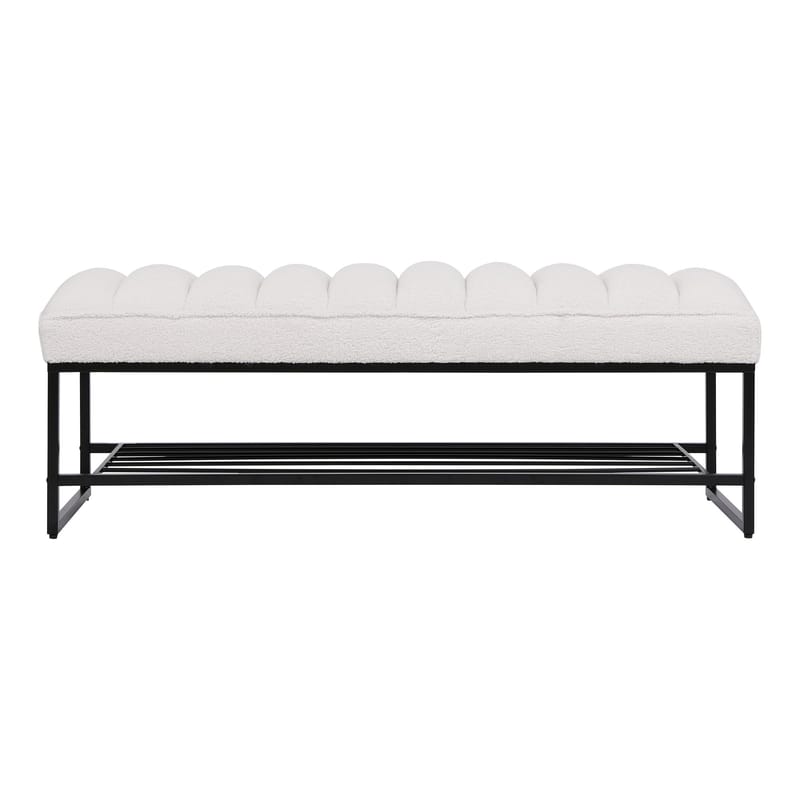
Channel-tufted furniture isn't just about decorative stitching. The technique creates distinctive grooves and raised sections that serve both aesthetic and practical purposes. These channels act as guides for the material, ensuring even distribution of tension across the surface. Think of it like creating a roadmap for how the leather will drape and hold its shape over time. When done right, the result is a bench that maintains its form while offering a tactile experience that invites touch and exploration.
The design elements include:
• Raised tufts that create visual texture• Defined channels that provide structure• Consistent spacing that ensures uniformity• Material that conforms naturally to body contours
These features work together to create a product that's both beautiful and durable. The tufts don't just look nice – they're engineered to distribute weight evenly, preventing sagging or deformation in high-use areas.
Materials Matter: Choosing the Right Faux Leather
Not all faux leather is created equal, especially when it comes to channel-tufted applications. The material must have specific properties to handle the tufting process and maintain its appearance over time. Good quality faux leather needs to be:
• Durable enough to withstand repeated use• Flexible enough to conform to the tufting process• Resistant to fading and wear• Capable of holding precise shapes
Modern manufacturers have developed specialized faux leathers that mimic the grain and feel of real leather while offering better longevity. These materials often incorporate synthetic fibers that provide strength and resilience. Some are even designed to be breathable, which helps prevent moisture buildup underneath the tufts.
The choice of material directly impacts how the final product will age. A well-chosen faux leather will maintain its color, texture, and structural integrity for many years. This means that investing in quality materials upfront can save money and frustration down the road. Many designers prefer certain brands because they know how the material will respond to various environmental conditions.
The Tufting Process: Precision Engineering
Creating channel-tufted furniture requires a methodical approach that balances creativity with technical precision. The process begins with careful pattern creation, where designers map out exactly where each tuft and channel will appear. This isn't random – each placement considers how the material will behave under different pressures and temperatures.
The actual tufting involves several steps:
• Preparing the base material with proper tension• Creating guide lines for consistent spacing• Using specialized tools to form each tuft• Ensuring even pressure distribution across the entire surface• Checking alignment and symmetry after completion
This meticulous attention to detail becomes apparent when you examine a finished piece closely. The tufts should appear perfectly aligned, with no visible gaps or inconsistencies. The channels between them should be uniform and clearly defined. It takes years of practice to master this balance between artistic vision and mechanical accuracy.
Design Considerations for Modern Spaces
Today's channel-tufted benches are versatile pieces that fit seamlessly into various interior styles. Their appeal lies in their ability to add sophistication without overwhelming a space. When designing these pieces, craftsmen consider:
• How the bench will complement existing decor• Whether it will function as a statement piece or subtle element• The intended usage patterns and traffic flow• Color coordination with surrounding furnishings• Proportions that work well in different room sizes
In contemporary settings, these benches often feature clean lines and minimalistic designs. However, they can also incorporate bold patterns or contrasting colors to make a dramatic impact. The key is understanding how the tufted texture interacts with light and shadow to enhance the overall aesthetic. Some designers experiment with different tuft heights or varying channel widths to create unique visual effects.
Durability and Longevity Factors
One of the biggest advantages of channel-tufted faux leather benches is their potential for long-term use. When properly constructed and maintained, these pieces can last decades. Several factors contribute to their durability:
• Quality of the faux leather material used• Skill level of the craftspeople involved• Proper installation techniques• Environmental considerations during use• Regular maintenance practices
The tufting process itself adds structural integrity to the piece. Unlike flat surfaces that can develop stress points, the channel design distributes forces more evenly. This reduces the likelihood of tearing or permanent deformation. Additionally, the tufts act as reinforcement points that help maintain the bench's shape over time. Many users report that their channel-tufted benches remain in excellent condition even after years of regular use.
Maintenance Tips for Preserving Beauty
Like any quality piece of furniture, channel-tufted faux leather benches require some care to maintain their appearance and functionality. Simple maintenance practices can extend their lifespan significantly:
• Regular dusting with a soft cloth or brush• Spot cleaning with appropriate cleaners• Avoiding direct sunlight exposure that can fade colors• Protecting from sharp objects that might puncture the surface• Periodic conditioning to maintain flexibility
The tufted texture can trap dirt and debris, so it's important to clean carefully around each tuft. Some manufacturers recommend specific cleaning products that won't damage the material's finish. Professional cleaning services may be worth considering for high-end pieces or those in commercial settings. Regular attention to these details helps preserve both the visual appeal and structural integrity of the furniture.
Channel-tufted faux leather benches represent more than just functional furniture – they embody centuries of design wisdom combined with modern manufacturing capabilities. Every aspect of their creation, from material selection to finishing touches, reflects an understanding of both aesthetics and practicality. These pieces prove that you don't need to compromise between beauty and affordability. The artistry behind them lies not just in the visible tufts and channels, but in the careful consideration of how each element contributes to the whole. Whether you're buying one for personal use or considering it for a commercial space, understanding this craft helps appreciate the value and longevity these pieces offer. The next time you sit on a beautifully tufted bench, take a moment to recognize the skill and intention that went into creating that comfortable experience.
Related Posts
 Ottoman
 Uncovering the Cultural Significance of Serenta Super Mink Ottoman in Polignac's Artisan Community
 Ottoman
 Understanding the versatility of Borelli Wheeled Storage Ottoman in modern home organization
 Ottoman
 How to Choose the Perfect Rattan Footstool for Your Home
 Ottoman
 Exploring the Design Benefits of Shiloh Small Storage Ottoman in Modern Homes
 Ottoman
 Understanding the Functionality of Owen Lift Top Large Coffee Table Storage Ottoman
 Ottoman