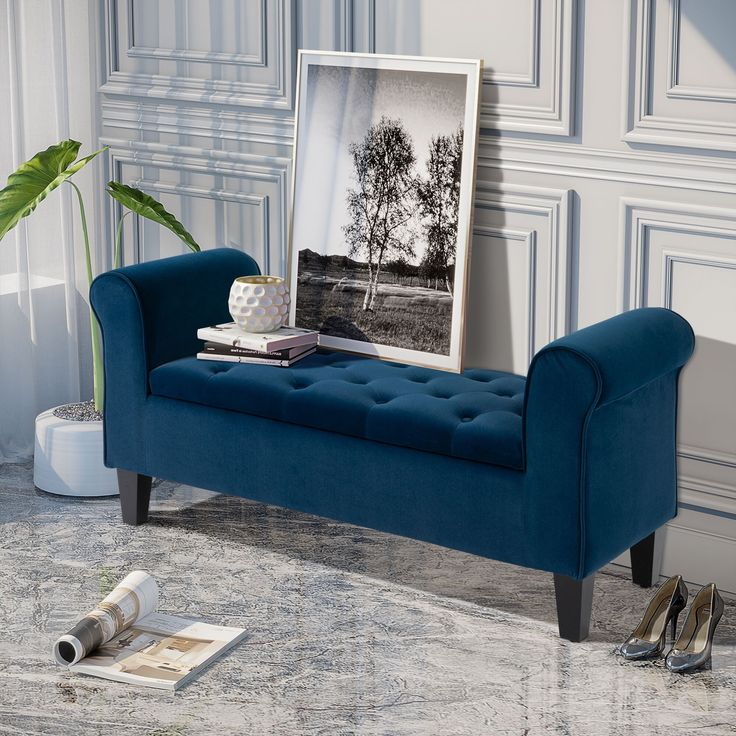
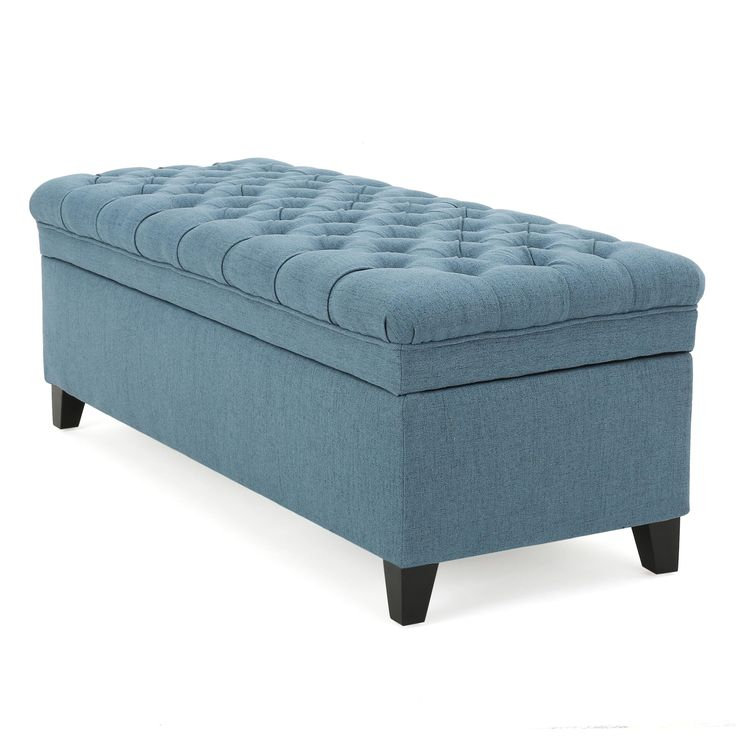
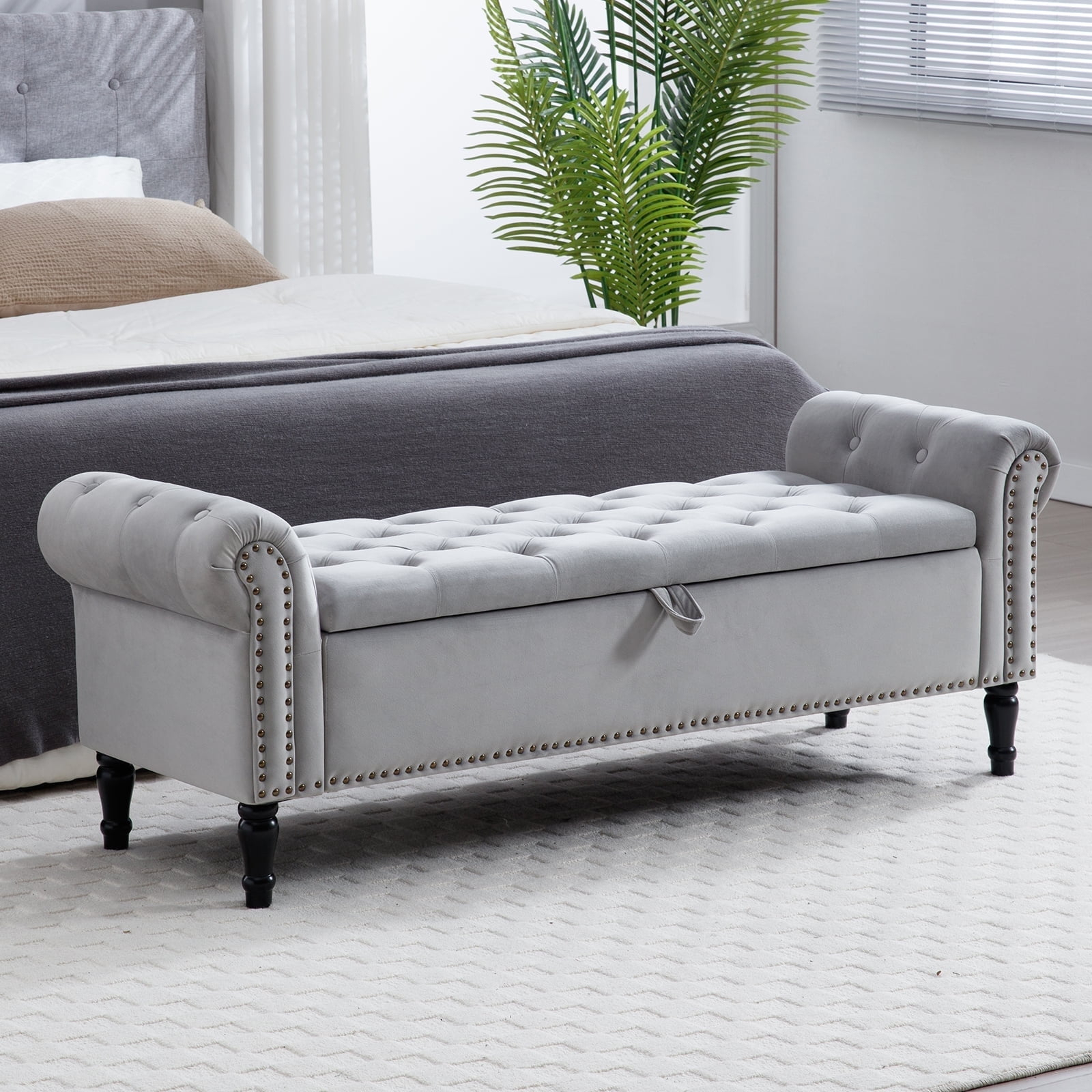
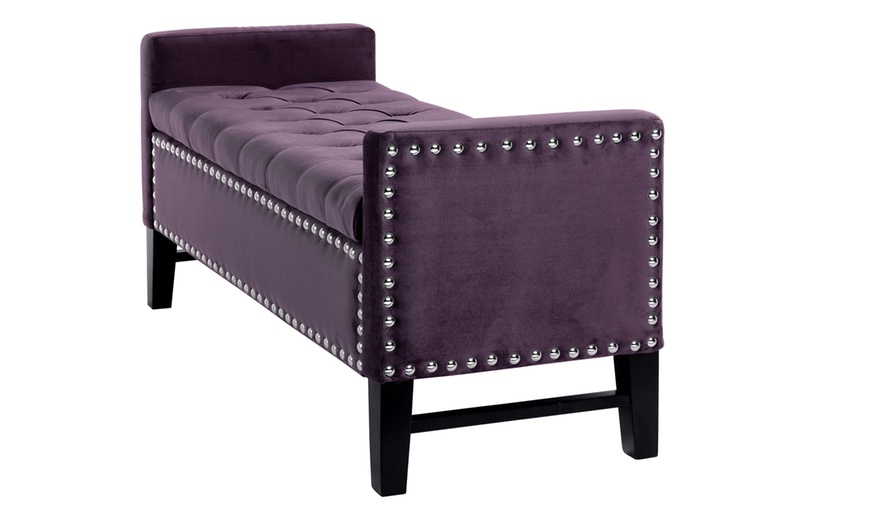
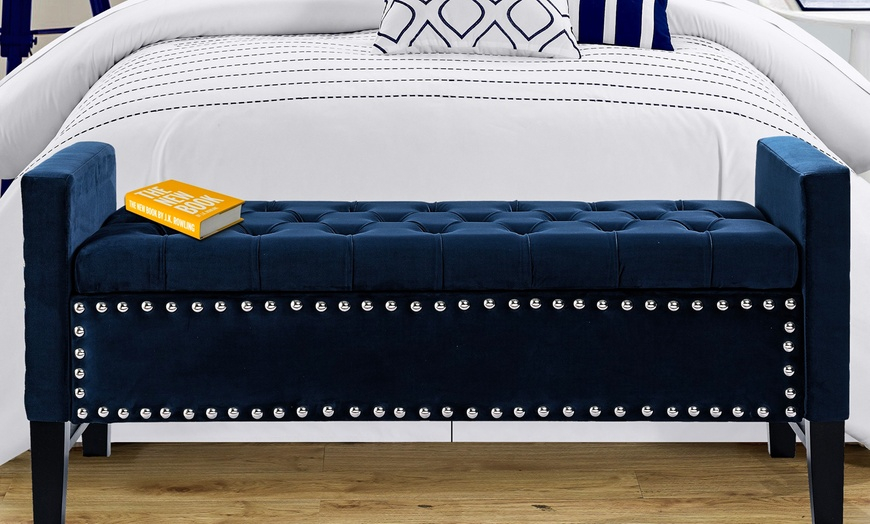
Picture this: you're standing in a cramped studio apartment, surrounded by furniture that seems to take up every available square foot. The walls are bare, the floor feels cluttered, and there's nowhere to sit without tripping over things. Now imagine having a piece of furniture that does double duty – it's a comfortable seat, a stylish accent, AND a storage solution all rolled into one. That's exactly what functional storage ottomans bring to small spaces.
Small spaces have become the norm for many people today. Whether you're living in a studio apartment, a tiny house, or just trying to maximize your existing space, the challenge remains the same: how do you get everything you need while keeping things looking clean and organized? Enter the storage ottoman – a game-changing piece of furniture that's revolutionizing how we think about small spaces. These versatile pieces aren't just about comfort anymore; they're about smart design, practicality, and transforming the way we live in limited areas. From the humble beginnings of a simple wooden box to today's sophisticated designs, storage ottomans have evolved into essential tools for modern living. They offer solutions that might seem impossible at first glance, turning the ordinary act of sitting down into a multifaceted experience.
The Rise of Multi-Purpose Furniture
In recent years, we've seen a dramatic shift toward multi-purpose furniture. This isn't just a trend – it's a necessity driven by urbanization, economic factors, and changing lifestyles. People are moving into smaller spaces more frequently, and they're demanding more from their furniture than ever before. A single piece that serves multiple functions makes perfect sense when you're working with limited square footage.
Storage ottomans represent the perfect intersection of form and function. They solve several problems simultaneously:
• They provide seating where you might not otherwise have it• They offer hidden storage for items you don't want visible• They add visual interest and style to a room• They often serve as a focal point that ties the entire space together
Think about it – in a small bedroom, a storage ottoman can replace both a nightstand and a chair. In a living room, it can substitute for a coffee table while providing storage for blankets, books, or magazines. The possibilities are endless, and the impact is immediate.
Understanding Different Types of Storage Ottomans
Not all storage ottomans are created equal. Each type offers different benefits depending on your specific needs and space constraints. Let's break down the main categories:
Lift-Top Ottomans: These are probably the most popular because they're incredibly versatile. You simply lift the top to access the storage compartment underneath. They come in various sizes and styles, from minimalist to ornate. The key advantage is easy access to stored items without having to move the entire piece.
Slide-Out Models: These are particularly useful in tight corners or spaces where you can't easily open a lid. The storage compartment slides out like a drawer, making it perfect for accessing items quickly. They work well in kitchens, home offices, or any area where you need frequent access to stored goods.
Sofa Ottoman Variants: These combine the functionality of a sofa with storage capabilities. They're ideal for small living rooms or family rooms where you need seating for guests but also want to store seasonal items, blankets, or entertainment accessories.
Trunk-Style Ottomans: These resemble traditional trunks or chests of drawers. They're excellent for storing larger items like bedding, seasonal clothing, or even documents and important papers. Their sturdy construction makes them suitable for heavy-duty storage needs.
Design Considerations for Small Spaces
When selecting a storage ottoman for a small space, several design elements become crucial. First and foremost, consider the proportions. An ottoman that's too large will overwhelm a tiny room, while one that's too small won't provide adequate storage or seating comfort.
Color plays a significant role too. Light colors like white, cream, or pastels can make a small space feel bigger and airier. Darker tones create a cozy, intimate atmosphere but may make a room feel smaller. Many designers recommend choosing a color that complements your existing furniture rather than trying to make a bold statement.
The material choice also matters. Wood provides warmth and durability, but it can make a space feel heavier. Metal offers a modern look and is often lighter in weight, though it might not suit every aesthetic. Fabric options vary widely – from plush velvet to sleek microfiber – each offering different textures and maintenance requirements.
Consider the overall style of your space. Modern minimalist rooms benefit from clean lines and simple shapes, while rustic or traditional settings might call for more ornate designs. The ottoman should feel like it belongs in the room, not like an afterthought.
Practical Storage Solutions
The true magic of storage ottomans lies in how effectively they organize your belongings. Here are some creative approaches to maximizing what you store:
Seasonal Item Management: Use your ottoman to store seasonal items like holiday decorations, extra bedding, or winter coats. This keeps your regular furniture and surfaces clear year-round.
Entertainment Organization: In living rooms, ottomans can hold DVDs, video games, remote controls, and other entertainment accessories. No more hunting for your remote under the couch cushions.
Bedroom Essentials: Store linens, extra pillows, or even books in bedroom ottomans. This keeps your nightstand clutter-free and makes it easy to find what you need during the day.
Home Office Supplies: In small home offices, ottomans can hold pens, paper clips, sticky notes, and other office supplies. They're especially helpful when you have limited desk space.
Kitchen Organization: In small kitchens, consider ottomans with removable tops for storing spices, cooking utensils, or pantry items. Just ensure they're made from materials safe for food preparation areas.
Installation and Maintenance Tips
Once you've selected the perfect ottoman, proper installation and ongoing care ensure it continues to serve you well. Here are some key considerations:
Placement Strategy: Position your ottoman thoughtfully. It should complement your room layout and not block pathways or interfere with doorways. Consider how you'll access it regularly – you don't want to have to move it every time you need something.
Weight Distribution: Make sure the ottoman is appropriate for its intended use. A lightweight fabric ottoman might not support heavy items, while a heavy wooden one could be difficult to move if you need to rearrange your space.
Regular Cleaning: Depending on the material, maintenance varies. Fabric ottomans might require spot cleaning or professional dry cleaning. Wooden ones benefit from regular dusting and occasional polishing. Metal pieces need attention to prevent rust or tarnishing.
Functional Testing: Before committing to a purchase, test how easy it is to access the storage compartment. Some models have tricky mechanisms that might not work well for everyone, especially older adults or those with mobility issues.
Cost-Benefit Analysis and Value Proposition
Let's talk numbers for a moment. Storage ottomans typically range from $50 to $500+ depending on size, materials, and brand. While this might seem like a significant investment, consider the value they provide:
Space Optimization: One piece replaces two or three separate items, saving valuable floor space. For someone living in a 400-square-foot studio, this space savings alone can be worth the cost.
Organization Benefits: Keeping items neatly stored reduces stress and improves daily routines. No more searching for misplaced items or having to clean up scattered possessions constantly.
Durability: Quality storage ottomans are built to last. If you're buying a solid wood or metal model, it could serve you for decades.
Aesthetic Value: Unlike basic storage solutions, ottomans enhance the visual appeal of a room. They're not just functional – they're decorative elements that contribute to the overall look.
Versatility: The ability to use the same piece in different rooms or situations adds tremendous value. What works as a bedroom storage unit might serve as a living room accent when moved elsewhere.
The transformation that occurs when you introduce a functional storage ottoman into a small space is remarkable. It's not just about adding another piece of furniture – it's about reimagining how you interact with your environment. These versatile solutions tackle the fundamental challenges of small-space living: lack of storage, limited seating, and cluttered appearances.
What's truly exciting is how these pieces continue to evolve. New materials, innovative locking mechanisms, and creative designs keep pushing the boundaries of what's possible. Whether you're furnishing your first apartment, renovating a tiny home, or simply trying to make better use of existing space, storage ottomans offer a practical, stylish approach to modern living.
The next time you're faced with a cramped room or a cluttered corner, remember that sometimes the simplest solutions are the most powerful. A well-chosen storage ottoman might just be the missing piece that turns your small space into a comfortable, organized haven. It's not about making less space bigger – it's about making every inch count.