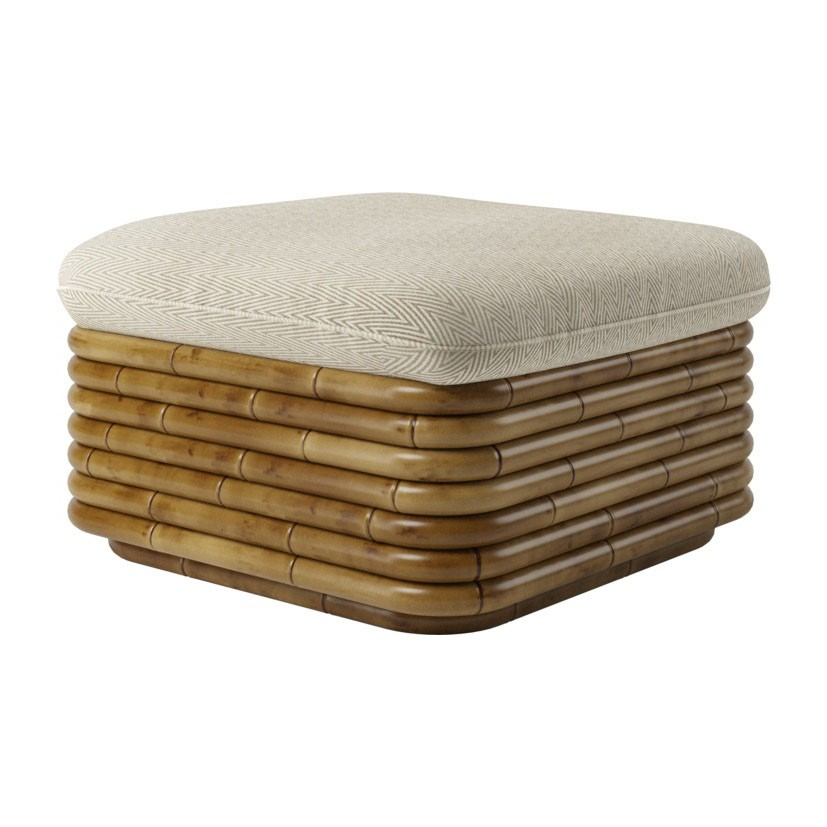
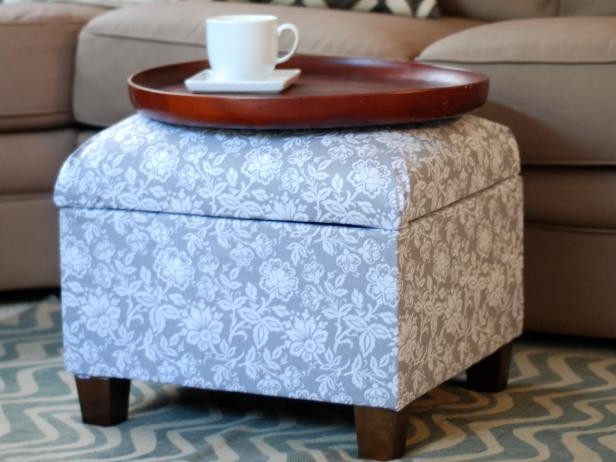
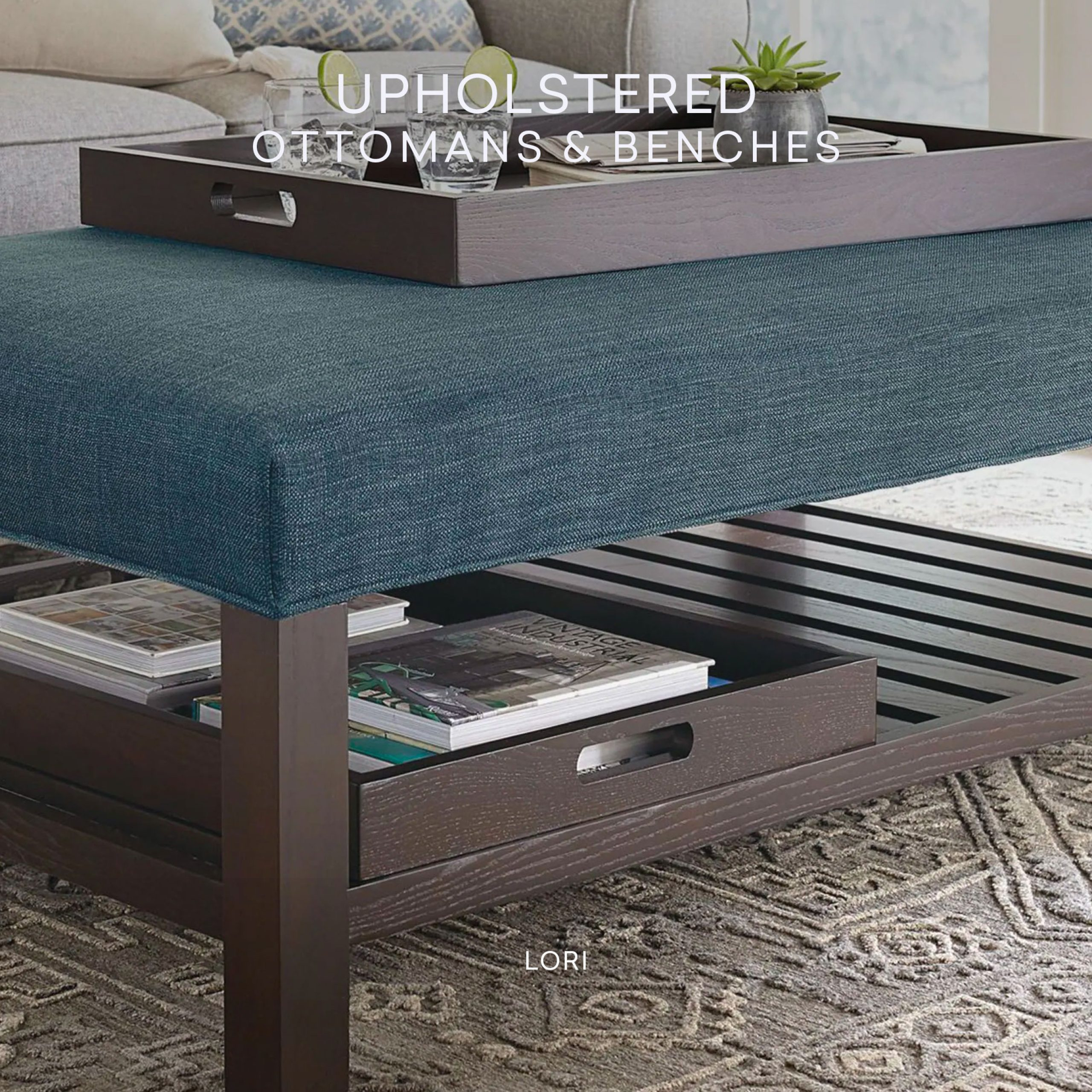
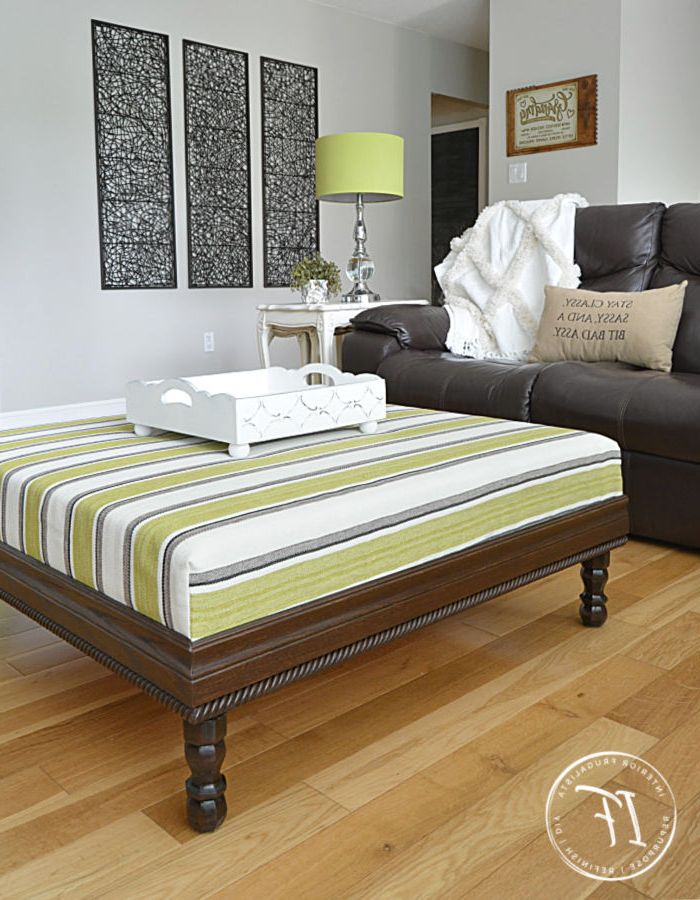
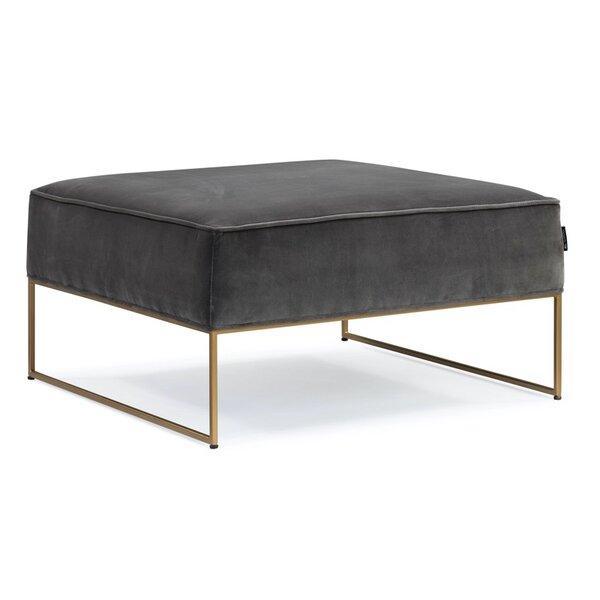
Picture this: You've just bought a beautiful new ottoman, one that promises both style and comfort. You bring it home, settle in for your evening routine, and feel that perfect blend of support and softness. But then, after a few months, things start to change. The fabric starts looking worn, the padding feels flat, and the whole piece no longer feels like it did when you first brought it home. This isn't just a coincidence. There's a lot going on under the surface of your favorite seating piece.
When we think about furniture, we often focus on how it looks. But there's another side to the story – how it feels and how long it will last. An ottoman might be the prettiest piece in your living room, but if it doesn't stand up to daily use, it's not really doing its job. Think about it – you're probably sitting on that ottoman multiple times a day, maybe even several times per sitting. So it makes sense that you'd want something that's not only pleasing to look at but also built to handle regular use without falling apart. That's where materials come in. The right choice can make all the difference between a piece that brings joy for years and one that needs replacing in just a couple of seasons.
Understanding the Material Mix
Let's start with the basics. When we talk about upholstery materials for ottomans, we're really talking about two main categories: natural fibers and synthetic options. Natural fibers include things like cotton, linen, wool, and silk. These have been used for centuries because they offer that classic, organic feel. Synthetic materials, on the other hand, include polyester, acrylic, and various blends. They've become increasingly popular because they tend to be more durable and easier to care for. Both types have their strengths and weaknesses. For example, natural fibers breathe better, which means they stay cooler in warm weather, but they may fade faster in direct sunlight. Synthetic materials are usually more resistant to stains and wear, but they might not feel as luxurious against your skin.
The Comfort Factor: What Makes an Ottoman Feel Right
Comfort isn't just about how the material feels initially. It's about how well that material holds up over time. A fabric that feels incredibly soft when you first buy it might lose its plushness after just a few months. The secret lies in understanding the construction behind the material itself. What's underneath the surface matters just as much as what's on top. The padding inside plays a huge role. If the padding is too firm, you'll feel uncomfortable and may end up shifting around constantly. If it's too soft, it could flatten out quickly, losing its supportive qualities. The ideal situation is finding a balance between the two. Many ottomans today use high-density foam or even memory foam for the base layer, which helps maintain shape and provides consistent support. The outer layer, meanwhile, should feel inviting without being too stiff.
Durability in Action: How Materials Handle Real-Life Use
Now let's talk about how these materials actually perform in the real world. We all know that a couch or chair that looks great in the showroom might not hold up once it's back in the home. That's especially true for ottomans, which often get more frequent use than other furniture pieces. A study conducted by the Furniture Industry Research Association found that 73% of consumers said durability was their top concern when buying upholstered furniture. That's not surprising. People want to invest in pieces that will last. Natural fibers like wool have excellent resilience and can bounce back from wear better than many synthetic alternatives. However, they do require more careful maintenance. Polyester and acrylic fabrics, while less luxurious in feel, tend to resist fading, staining, and general wear better. They're also easier to clean, which means you're more likely to keep them looking fresh. The key is matching the material to your lifestyle. If you have kids or pets, a stain-resistant synthetic might be your best bet. If you're more concerned with texture and appearance, natural fibers could work better for you.
Looking at the Numbers: What Experts Say About Material Lifespan
So how long do these materials actually last? Experts agree that there's no one-size-fits-all answer, but some general trends emerge. Natural fibers like cotton and linen typically last between 5 to 10 years with moderate use. Wool, however, can last much longer – sometimes up to 15 years or more if properly maintained. Synthetic materials often exceed this range, with some lasting 15 to 20 years or more. Of course, these numbers depend heavily on usage patterns, care routines, and environmental conditions. For instance, a high-traffic area like a family room might see faster deterioration compared to a quieter space like a study. The quality of the weave and the thickness of the yarn also play big roles. A tightly woven fabric will generally last longer than a loosely woven one. Additionally, the backing material underneath the fabric can make or break the overall longevity. Some ottomans use a protective mesh or batting layer that helps distribute pressure evenly and prevent sagging.
Practical Tips for Choosing Your Perfect Ottoman
Choosing the right material isn't just about knowing what's available – it's about matching that knowledge to your needs. Here are some key considerations:
• Consider your lifestyle: Do you have small children or pets? Are you someone who entertains frequently?• Think about maintenance: Do you prefer low-maintenance options or are you willing to do extra work to keep things looking fresh?• Look at the environment: Will the ottoman be in a sunny spot or a darker area?• Evaluate the budget: High-quality materials often cost more upfront but can save money in the long run.• Check the warranty: Most reputable manufacturers offer warranties ranging from 1 to 5 years, though some go up to 10 years.
One thing that's often overlooked is the importance of testing before buying. If possible, sit on the ottoman yourself. Not just once, but multiple times. Pay attention to how it feels when you lean back, shift your weight, and move around. Does it provide good support? Is it comfortable enough for extended periods? These are questions that can't always be answered by looking at pictures or reading descriptions online.
The Future of Upholstered Ottomans: Trends and Innovations
The furniture industry is constantly evolving, and ottomans are no exception. New materials are emerging regularly, each promising better performance and more sustainable options. One exciting trend is the rise of eco-friendly fabrics made from recycled materials or natural sources like bamboo fiber. These options combine environmental consciousness with performance. Another innovation involves smart materials that respond to temperature changes or body heat, offering customized comfort levels. While still somewhat niche, these developments hint at a future where ottomans aren't just decorative pieces but active contributors to our wellbeing. Technology is also playing a role in improving durability. New treatments and finishes are being developed that enhance resistance to fading, staining, and wear without compromising the material's natural characteristics. This means that even traditional fabrics might gain new life through modern processing techniques.
Choosing the right material for your upholstered ottoman is more than just a fashion decision. It's about creating a piece that enhances your daily life while standing the test of time. Whether you lean toward the timeless appeal of natural fibers or the practical benefits of synthetic options, the most important thing is understanding how these choices impact your experience. Take time to evaluate your needs, consider the realities of daily use, and don't be afraid to ask questions. After all, your ottoman should be a place where you feel relaxed and comfortable, not a source of stress or disappointment. With the right material selection, you can enjoy that perfect balance between form and function for years to come.