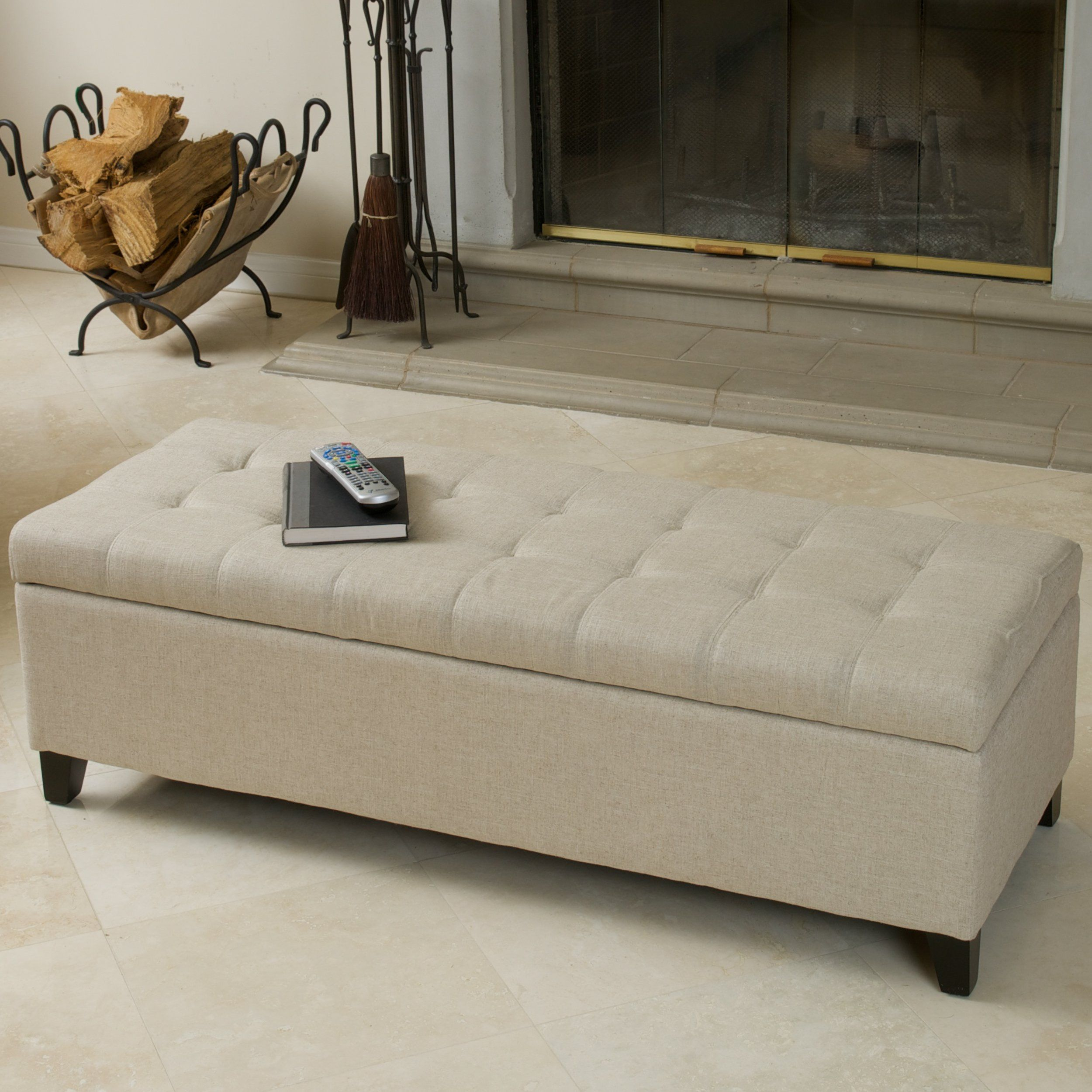
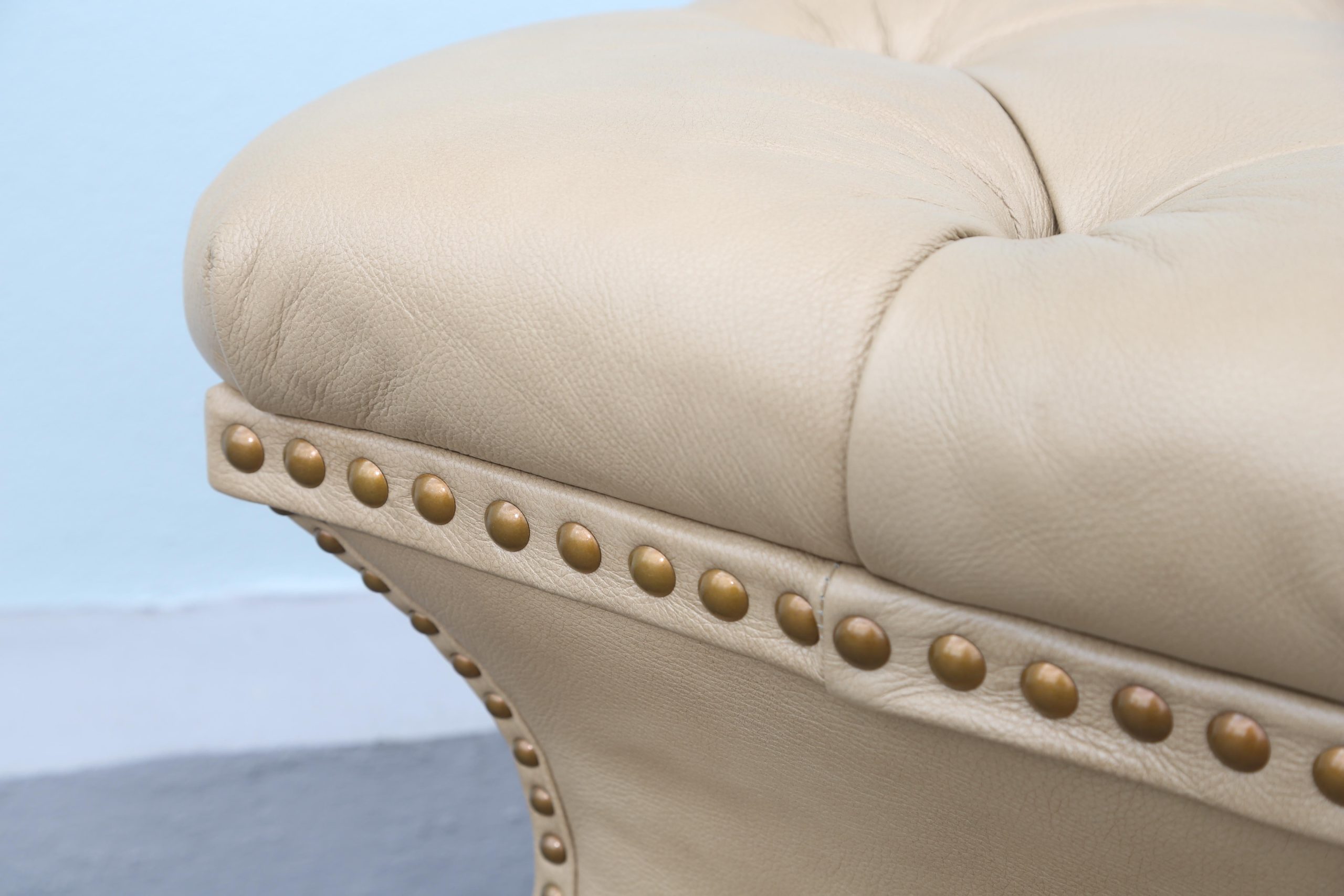
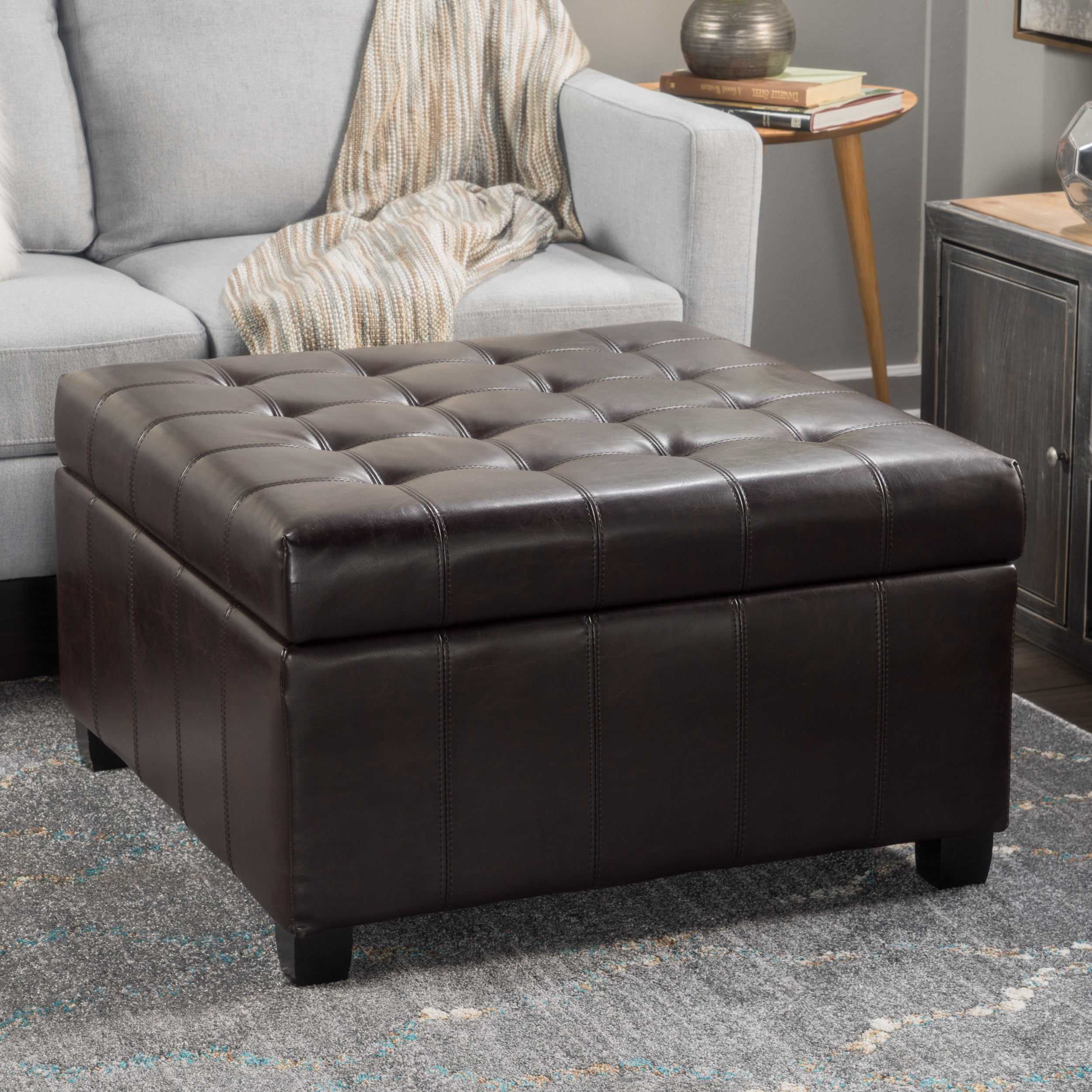
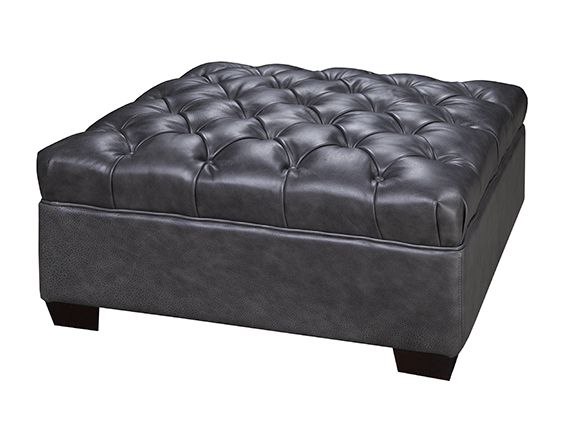
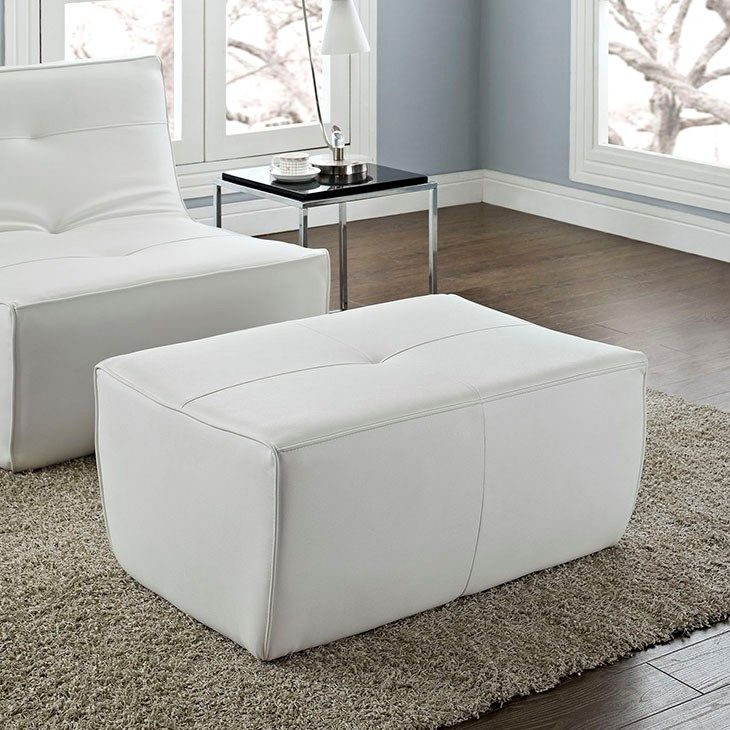
There's something undeniably elegant about a well-maintained black tufted bonded leather ottoman. It adds sophistication to any room, serving as both functional furniture and a stunning visual centerpiece. But without proper care, even the most beautiful pieces can fade, crack, or lose their luster. Understanding how to tend to bonded leather is crucial if you want your ottoman to remain a cherished part of your home for years to come.
Black tufted bonded leather ottomans have become increasingly popular in modern interiors, combining the luxury of real leather with the affordability of synthetic materials. These pieces offer that classic, rich look that many homeowners desire. However, maintaining them properly requires knowledge and consistent effort. This guide will walk you through everything you need to know to keep your ottoman looking its best, from daily maintenance to deeper care routines. Whether you've just brought one home or have had it for years, these tips will help you preserve its beauty and functionality.
Understanding Bonded Leather
Bonded leather isn't simply leather that's been glued together – it's a composite material made from real leather fibers and synthetic components. The real leather pieces are ground up and mixed with adhesives and other materials to create a uniform surface. This process makes bonded leather more affordable than genuine leather while still offering some of its aesthetic appeal.
The texture and appearance can vary depending on the quality of the bonding agent used. Higher-quality bonded leather tends to be more durable and feels closer to real leather. Lower-grade versions might be more prone to cracking or peeling over time. Understanding the nature of this material helps you tailor your cleaning and maintenance approach accordingly.
Think of bonded leather like a canvas – it can be painted beautifully, but it needs the right kind of paint and care to stay vibrant. Some people worry that bonded leather won't last as long as real leather, but with proper attention, it can hold up remarkably well.
Daily Care and Cleaning Routine
Simple daily habits can make a huge difference in preserving your ottoman's appearance. Start with regular dusting using a soft, dry cloth or microfiber duster. This removes surface debris before it has a chance to settle into the tufts or crevices.
For light cleaning, use a slightly damp cloth with mild soap or a specialized leather cleaner. Always test any product on a hidden area first to ensure it doesn't cause discoloration. Wipe gently in the direction of the grain to avoid damaging the surface.
Here are some key points to remember:
• Never use harsh chemicals or abrasive cleaners• Avoid soaking the surface with water• Clean spills immediately to prevent staining• Use a clean, dry cloth to remove excess moisture after cleaning
It's also helpful to rotate the ottoman occasionally if possible, ensuring even wear across all surfaces. This simple step can extend the life of your piece significantly.
Deep Cleaning Techniques
Occasionally, your ottoman will need a more thorough cleaning session. This typically happens every few months or when you notice buildup of dirt or oils. Deep cleaning involves removing any accumulated grime that regular wiping can't reach.
Begin by vacuuming the surface with a soft brush attachment to remove loose particles. Then, apply a leather cleaner specifically designed for bonded materials. Work in small sections, using gentle circular motions.
After cleaning, it's important to condition the surface. Bonded leather can dry out over time, leading to cracking and fading. A good leather conditioner will restore moisture and protect against future damage.
Some people find that applying a thin layer of leather balm or cream can enhance the color and provide extra protection. Just be sure to choose products that are safe for bonded leather and follow manufacturer instructions carefully.
Protection Against Common Damage
One of the biggest threats to bonded leather furniture is UV exposure. Sunlight can cause fading and drying, especially in darker colors like black. If your ottoman sits near a window, consider using curtains or blinds to limit direct sunlight.
Another common issue is scratching from sharp objects or pet claws. Place coasters under drinks and keep sharp items away from the surface. For homes with pets, consider using protective covers or placing the ottoman in areas less frequented by animals.
Temperature changes can also affect bonded leather. Extreme heat or cold might cause the material to expand or contract, potentially leading to cracks. Keep your ottoman away from heating vents or air conditioning units.
Additionally, avoid placing hot items directly on the surface. Even brief contact with very hot objects can leave permanent marks or damage the finish. Always use trivets or coasters for heated items.
Addressing Stains and Spills
Spills happen, and they're unavoidable. The key is acting quickly and using the right method to minimize damage. For liquid spills, blot up the excess with a clean cloth rather than rubbing. This prevents the liquid from seeping deeper into the material.
Different stains require different approaches:
• Coffee or tea stains: Mix equal parts water and white vinegar, then dab the area gently• Oil-based stains: Use cornstarch or talcum powder to absorb the oil first• Ink stains: Try a cotton swab dipped in rubbing alcohol• Blood stains: Use cold water and mild detergent
Always test any stain removal method on a hidden area first. Some substances can discolor bonded leather if not handled correctly. If you're unsure about treating a particular stain, it's better to consult a professional leather cleaner.
Remember, prevention is often better than cure. Regular cleaning and protecting the surface with appropriate covers can help avoid many stain issues.
Long-term Maintenance Strategies
Building a routine around your ottoman's care will pay off in the long run. Set reminders to perform deep cleaning sessions monthly or quarterly. This ensures that problems don't accumulate to become major issues.
Consider investing in a quality furniture cover during off-seasons or when the ottoman isn't in regular use. This protects it from dust, light, and accidental damage.
Rotate the ottoman regularly to distribute wear evenly. If it has a seat cushion, flip or rotate it periodically to ensure all areas receive equal use.
Keep a small supply of cleaning products and tools handy. Having a microfiber cloth, leather cleaner, and conditioner always available makes it easier to maintain consistent care.
Finally, don't overlook the importance of proper placement. Ensure the ottoman sits on a stable, level surface to prevent wobbling or uneven pressure that could lead to structural damage over time.
Caring for a black tufted bonded leather ottoman isn't rocket science, but it does require some thoughtfulness and consistency. By understanding the material, establishing a cleaning routine, and taking preventive measures, you can keep your ottoman looking fabulous for years. The investment in proper maintenance pays dividends in both aesthetics and longevity. Remember, a well-cared-for piece of furniture becomes a treasured part of your home, adding character and comfort to your living space. Whether you're a new owner or a seasoned caretaker, these practices will help preserve the beauty and function of your bonded leather ottoman.