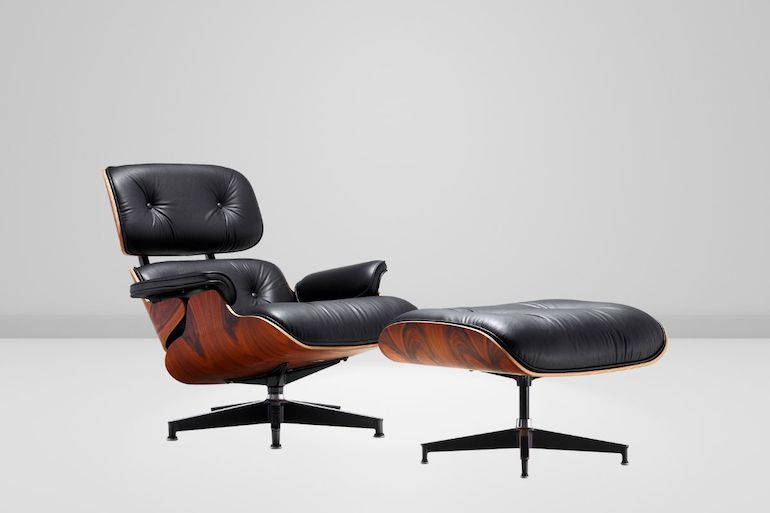
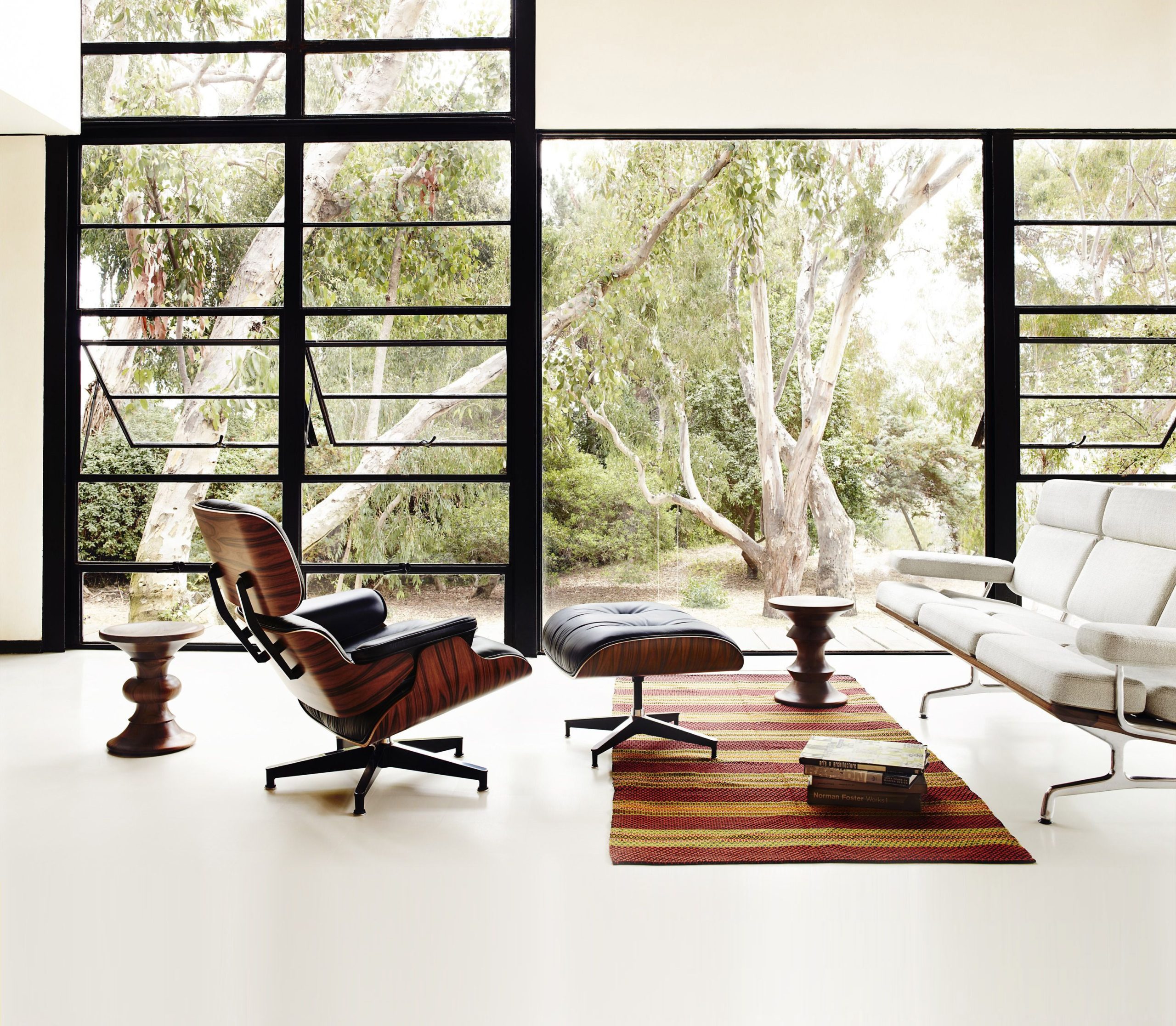
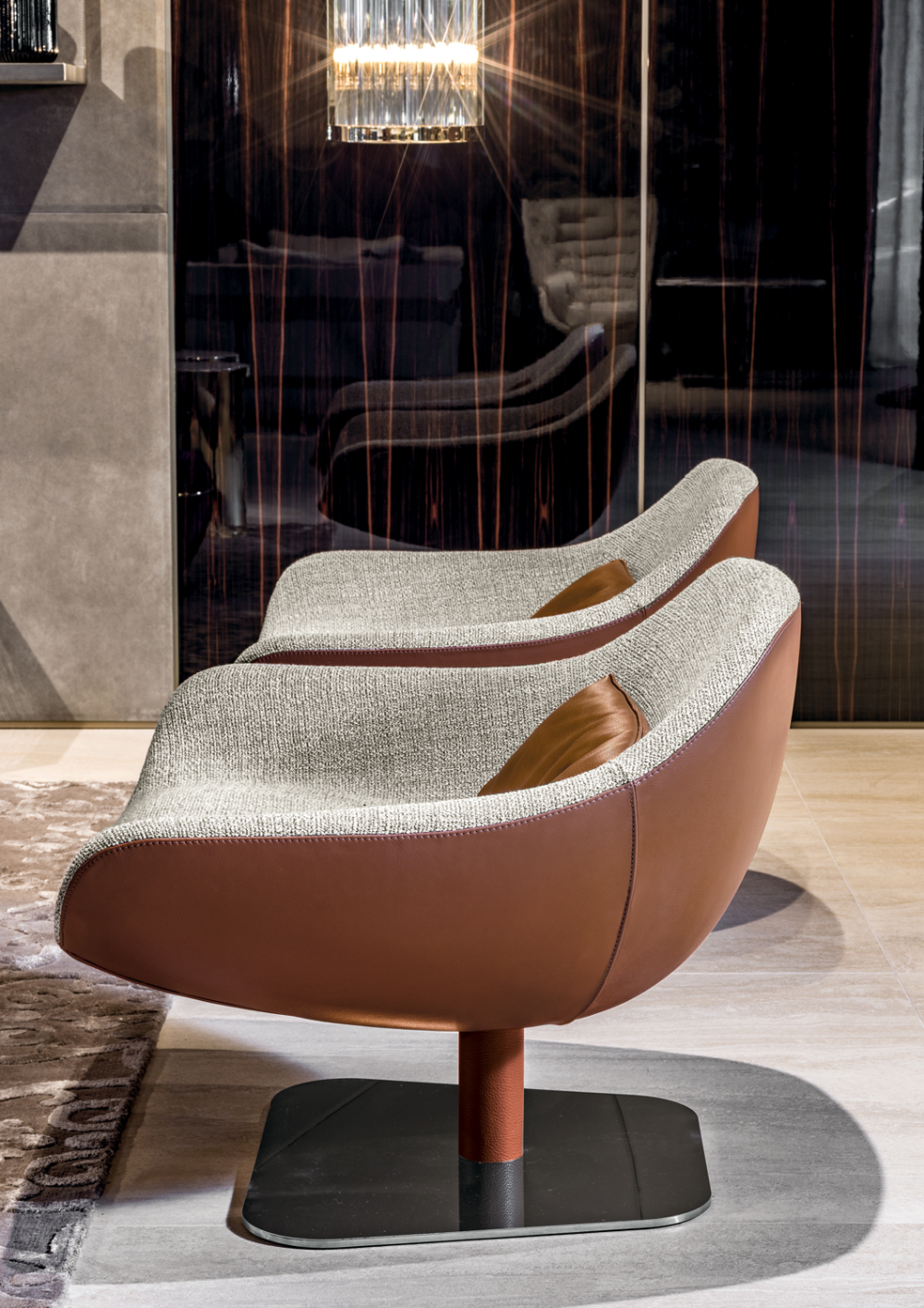
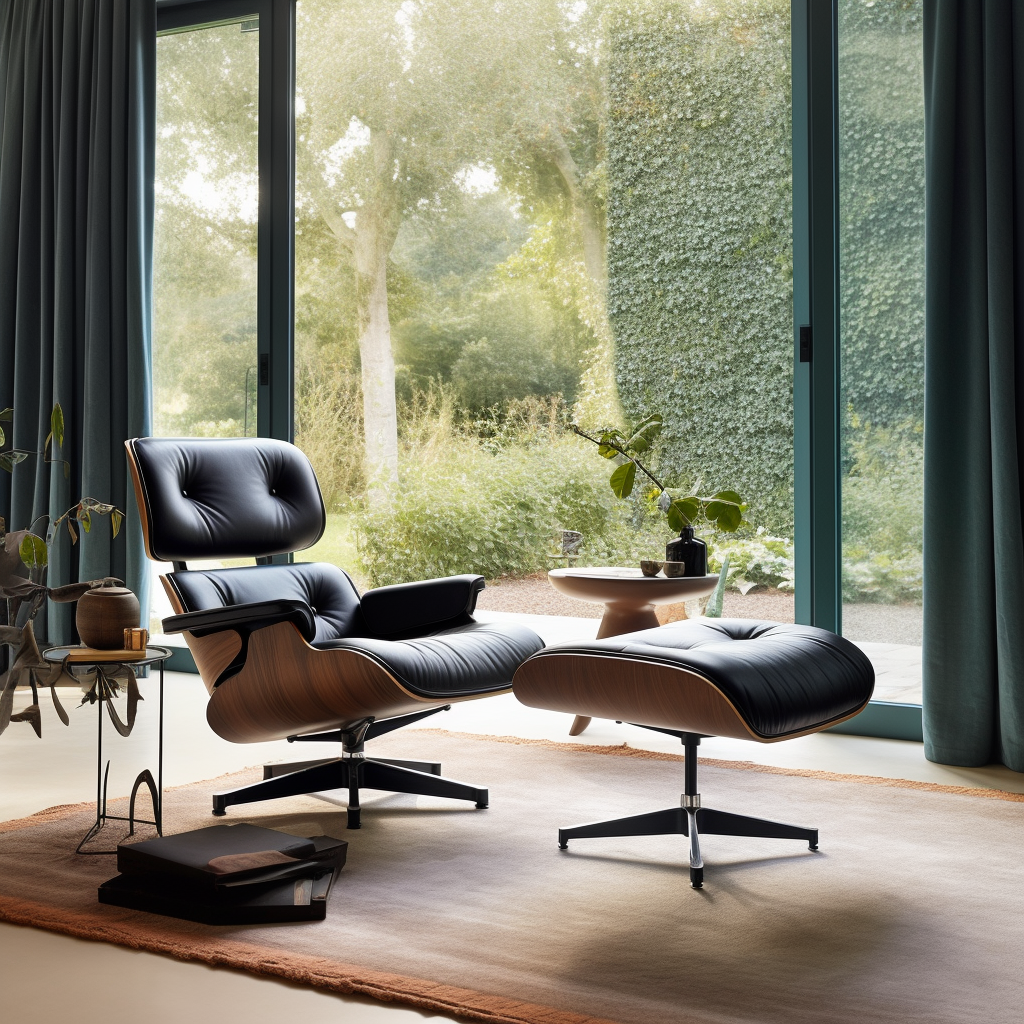
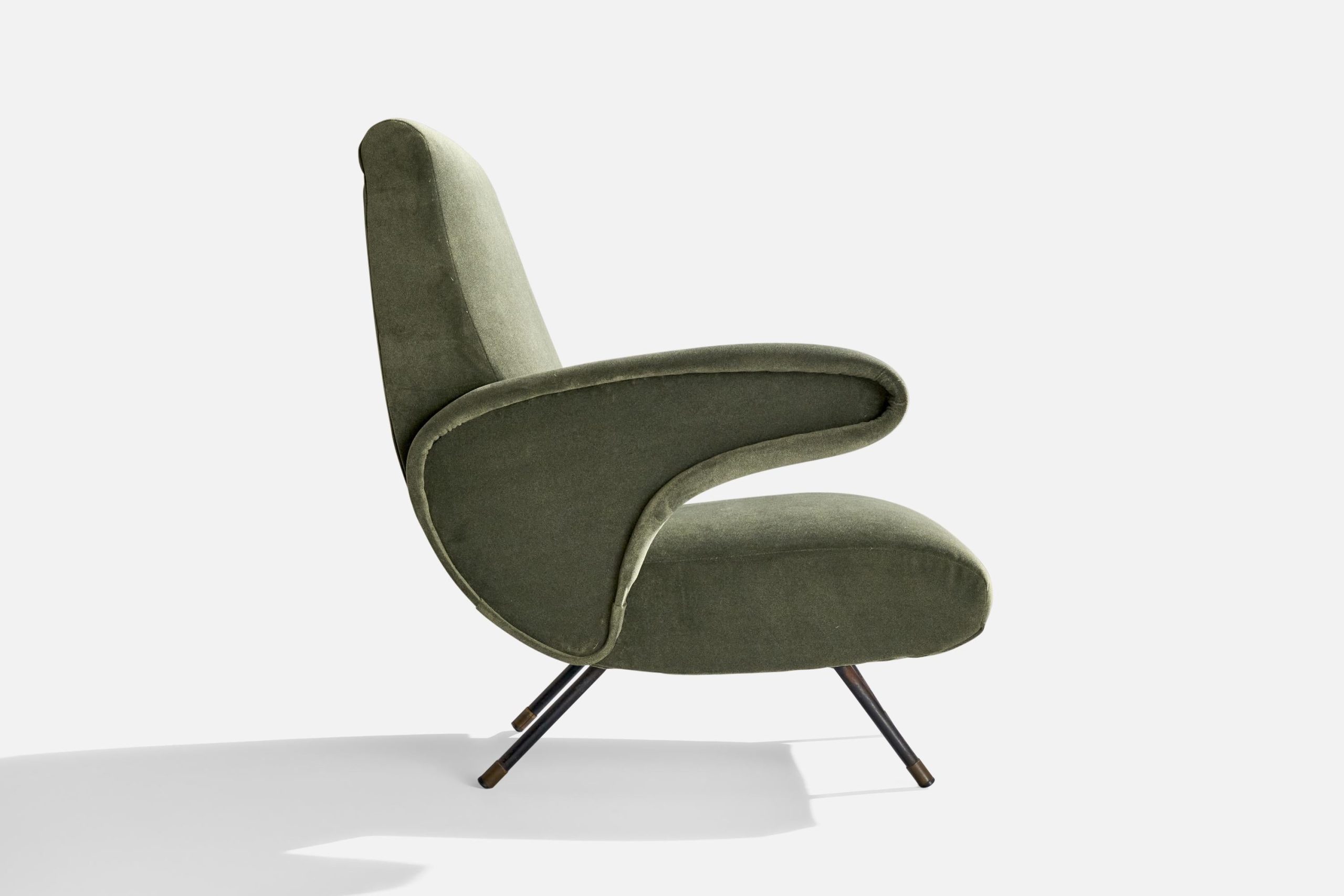
Have you ever wondered why some lounge chairs feel like they were made just for you? While we often focus on their visual appeal, there's a whole world of functionality that makes these pieces truly special. Contemporary designer lounge seating isn't just about looking good – it's about creating spaces where people actually want to sit, relax, and recharge.
Modern lounge seating has evolved far beyond simple furniture. Today's designer chairs blend aesthetic excellence with thoughtful engineering to create pieces that serve multiple purposes. Whether you're designing a luxury hotel lobby, a high-end residential space, or a corporate lounge, understanding the functional elements behind these chairs can transform your approach to interior design. The secret lies not just in the materials or the curves, but in how well each element supports human comfort and movement.
The Foundation of Comfort: Ergonomic Principles
Ergonomics might sound like a fancy word, but it's really about making things work better for our bodies. Good lounge seating considers how we naturally sit, move, and rest. The chair's angle, height, and support points all work together to reduce strain and promote healthy posture. Think about how you feel after sitting in different chairs – some leave you feeling refreshed, while others make you want to shift constantly.
Key ergonomic features include:
• Proper lumbar support that matches the natural curve of your spine• Seat depth that allows for comfortable thigh support without pressing against the back of your knees• Armrests that provide adequate support without forcing your shoulders into an unnatural position• Back support that maintains proper spinal alignment during extended periods of sitting
These aren't just nice-to-haves – they're essential for creating seating that people will actually enjoy using for hours at a time.
Material Matters: Balancing Aesthetics and Durability
What happens when you combine premium leather with modern manufacturing techniques? You get something that looks luxurious but stands up to daily wear. The materials used in contemporary lounge chairs have come a long way from basic fabrics and wood.
Today's designers consider:
• How materials age and weather over time• The balance between soft touch and structural integrity• Environmental impact and sustainability concerns• Cleaning and maintenance requirements• Cost-effectiveness versus longevity
Consider a high-end velvet chair versus a standard fabric option. While both might look similar at first glance, the velvet version typically offers superior durability and resistance to stains. But even the most beautiful material won't last if it's not properly constructed or maintained. The key is finding the right combination of appearance and performance.
Structural Engineering: The Hidden Framework
Every great lounge chair has a strong foundation, even if you can't see it. The internal frame, joints, and construction methods determine how long a piece will last and how comfortable it will remain over time. This engineering aspect often gets overlooked because it's hidden beneath beautiful finishes.
Important structural considerations include:
• Frame materials that resist rust, warping, and general wear• Joint construction that handles stress without creaking or failing• Weight distribution that prevents sagging or uneven settling• Connection points that allow for easy repair and replacement
A chair built with solid hardwood frames and quality metal hardware will outlast one made with particle board and cheap screws. The difference becomes obvious after months or years of regular use. It's like comparing a well-built bicycle to a flimsy one – the quality matters more than the paint job.
Functionality in Small Spaces: Multi-Purpose Design
Urban living has changed dramatically, with many people working from home or living in smaller spaces. This shift has pushed designers to create lounge seating that does more than just provide a place to sit. Contemporary pieces now incorporate storage solutions, convertible features, and adaptable designs that serve multiple functions.
Smart multi-purpose features include:
• Hidden compartments for books, remote controls, or personal items• Convertible seating that changes shape or function• Modular components that can be rearranged or combined• Built-in charging stations or wireless technology integration• Space-saving configurations that maximize utility
These innovations reflect a deeper understanding of how people actually live and work today. A designer chair that doubles as a side table or converts into a small dining surface adds tremendous value to any space.
User Experience: The Human Element in Design
What really separates great design from good design is how it feels in practice. A chair that looks amazing but causes discomfort or frustration is ultimately failing its purpose. The user experience encompasses everything from the initial interaction to long-term satisfaction.
Key aspects of user experience include:
• Ease of getting in and out of the chair• Adjustability options for different body types and preferences• Intuitive operation of any moving parts or mechanisms• Visual appeal that enhances rather than distracts from the environment• Emotional response – does it make people want to stay?
Think about the difference between a chair that requires you to climb over it versus one that simply invites you to settle in. The best lounge seating creates positive emotional responses that make people want to linger. That's the ultimate test of successful design.
Future Trends: Sustainability and Smart Integration
The future of designer lounge seating is being shaped by two major forces: environmental consciousness and technological advancement. Today's consumers increasingly demand products that align with their values and lifestyles. This means chairs that are not only beautiful but also responsible and forward-thinking.
Emerging trends include:
• Sustainable materials like recycled plastics, organic cotton, and reclaimed wood• Smart integration with home automation systems• Modular designs that can be easily updated or reconfigured• Energy-efficient manufacturing processes• End-of-life recyclability and circular economy principles
The most innovative designers are thinking beyond the immediate use of their products. They're considering how their chairs will fit into a broader ecosystem of sustainable living and connected technology. It's no longer enough for a chair to be beautiful – it must also contribute positively to the world around it.
Contemporary designer lounge seating represents more than just stylish furniture – it's a sophisticated blend of artistry, science, and human understanding. When you choose a lounge chair, you're not just selecting a piece of decor; you're investing in a space that supports your well-being and reflects your lifestyle. The most successful pieces seamlessly integrate form and function, creating environments where people naturally want to spend time. As design continues to evolve, the best lounge seating will always prioritize human comfort and experience above all else. The difference between a good chair and a great chair often comes down to these subtle functional considerations that make such a big impact on daily life.