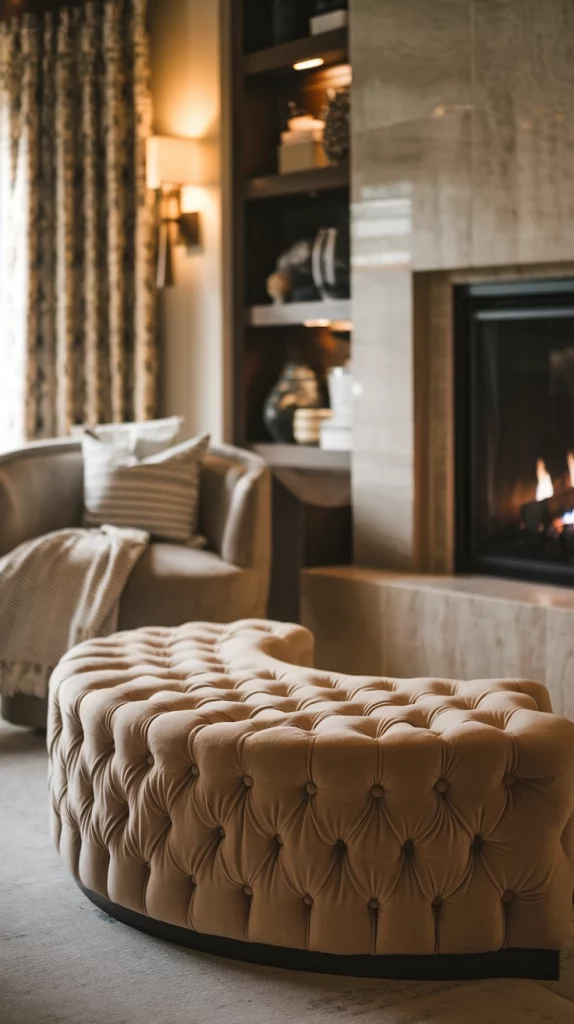
Picture this: you're sitting in your living room, feeling just a little too cramped. The coffee table feels too big, the seating arrangement is awkward, and there's no place to put your feet. What if a simple ottoman could transform your entire space? It's not just about style – it's about making your living room feel just right. This isn't just about buying something pretty; it's about creating a space that works for your lifestyle.
Ottomans have become more than just decorative pieces. They've evolved into essential furniture items that serve multiple purposes. Whether you're looking to add extra seating, create visual balance, or simply provide a spot for your feet, choosing the right size matters enormously. But how do you know what size will work best in your specific living room setup? It's not just about measuring walls and calculating square footage. It's about understanding how furniture interacts with your space and how people move through it. The right ottoman can make all the difference between a cramped, uncomfortable room and a cozy, functional area where everyone wants to spend time.
Understanding Your Living Room Dimensions
Before diving into ottoman selection, you need to truly understand your space. Start by measuring the length and width of your living room. Note the location of windows, doors, and any built-in features that might affect placement. Think about how people typically move around the room. Do you have a main seating area? Is there a focal point like a fireplace or TV? The size of your ottoman should complement rather than overwhelm these elements. For instance, a large room might handle a bigger ottoman better than a small space. A general rule of thumb is that your ottoman should take up roughly 1/4 to 1/3 of the total seating area in the room. This ensures it's substantial enough to be useful but not so large it makes the space feel crowded. Consider the traffic flow too. You want to leave enough room for people to walk around comfortably, especially if your ottoman will be placed near high-traffic areas.
The Role of Proportions in Furniture Selection
Proportion is everything when it comes to furniture placement. An ottoman that's too small might look insignificant, while one that's too large can dominate the room and throw off the balance. Think about the relationship between your ottoman and surrounding furniture. If you have a large sectional sofa, a smaller ottoman might not provide enough visual weight to balance it out. Conversely, if you have a compact sofa, a huge ottoman can make everything look disproportionate. A good approach is to think about scale. Measure the length of your primary seating and ensure your ottoman matches or slightly exceeds that measurement. For example, if your sofa is 72 inches long, a 60-inch ottoman might look out of proportion. The key is finding that sweet spot where everything feels connected and balanced. Try placing your ottoman next to your existing furniture to get a sense of how they relate to each other visually.
Considering Your Lifestyle and Usage Needs
What do you actually use your living room for? This question is crucial because it determines not just the size but also the function of your ottoman. If you frequently entertain guests, you'll want an ottoman that provides comfortable seating for multiple people. For families with children, durability and easy cleaning might be more important than size alone. Someone who uses their living room primarily for reading might prefer a smaller, more intimate ottoman that doubles as a footrest. Consider the activities that happen most often in your space. Do you watch movies? That might call for a larger ottoman to accommodate extra seating. Do you host small gatherings? A mid-sized ottoman that can double as both seating and storage might be perfect. Sometimes people overlook how they actually use their space, focusing instead on what looks good. But the best ottoman is one that fits seamlessly into your daily routine.
The Impact of Room Functionality on Size Choices
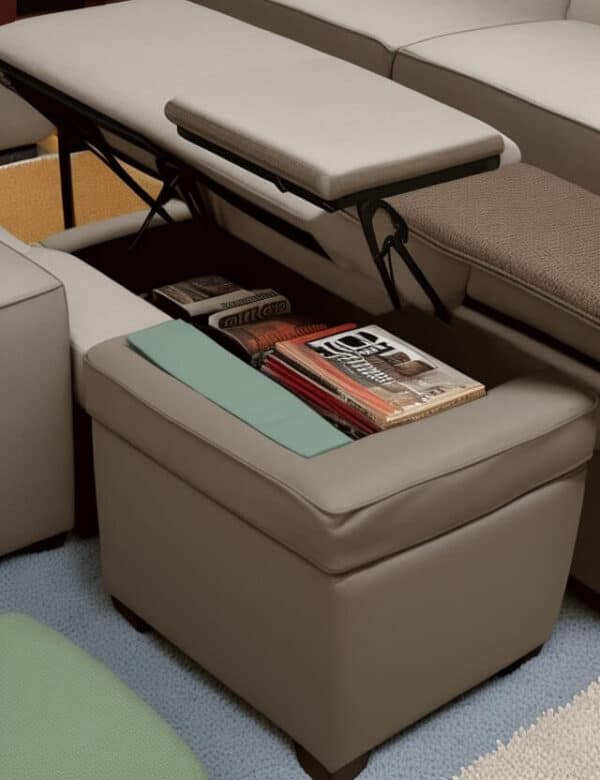
Different room layouts require different approaches to ottoman sizing. In a traditional rectangular living room, you might want to place an ottoman opposite your main seating area to create a conversation zone. Here, the size needs to support that social function. In a more open-concept space, an ottoman might need to be larger to anchor the seating area effectively. If you have a very small living room, a compact ottoman might be the only way to add functionality without sacrificing precious floor space. Consider how the ottoman will interact with other elements in the room. Will it be positioned against a wall, or will it sit in the middle of the room? Will it be used for storage, or purely for seating? These decisions directly impact the size you choose. For example, a storage ottoman might need to be taller and deeper to accommodate its function. A minimalist room might benefit from a smaller, more understated piece.
Practical Tips for Measuring and Testing Options
Measuring correctly is half the battle won. Take measurements of your intended space carefully. Remember to account for the width of any doorways or hallways that might need to fit through. When trying out different sizes, use a tape measure to determine how much space you'll need. A good test is to place a piece of paper or cardboard in the area where you plan to put the ottoman. This gives you a visual representation of the footprint. Consider the height too – an ottoman that's too low or too high compared to your seating can create an unbalanced look. Test different heights by sitting on various pieces of furniture in your home to understand what feels comfortable. Sometimes it's helpful to bring a friend along to help visualize how the piece will fit in context. Ask them to stand in different positions to see if they can navigate around it easily. Don't forget to consider how the ottoman will fit in relation to your coffee table – it should be positioned at a comfortable distance from the main seating area.
Common Mistakes to Avoid in Ottoman Selection
Many people make the mistake of choosing an ottoman based purely on appearance without considering how it will work within their actual space. One common error is assuming that bigger is always better. A huge ottoman in a small room can make everything feel cramped and chaotic. Another frequent misstep is ignoring the room's existing proportions. An ottoman that's too small can get lost among larger furniture pieces. People often forget to consider traffic flow – placing an ottoman directly in someone's walking path can create safety issues and make the room feel cluttered. Some folks also overlook the importance of matching the ottoman's style with the overall aesthetic of the room. A modern, sleek ottoman in a traditional setting can look jarring. Finally, many forget to consider the ottoman's secondary functions – whether it's meant for storage, seating, or both. If you're going to use it for storage, make sure it's deep enough to accommodate your items.
Choosing the right ottoman size isn't just about picking something that looks nice – it's about creating a harmonious space where every piece serves a purpose. The key lies in understanding your room's unique characteristics, your lifestyle needs, and how furniture relates to each other in terms of scale and proportion. Remember that a well-chosen ottoman can transform your living space from merely functional to truly comfortable. Don't rush the decision – take time to measure, test, and visualize how the piece will fit into your daily life. Whether you're adding a new seating option or creating a more defined conversation area, the right-sized ottoman can make all the difference. Ultimately, the perfect ottoman is one that feels just right in your space, supporting both your practical needs and your personal style. It's not about following rules – it's about finding what works for you.