
Picture this: You're relaxing in your kitchen, coffee in hand, when you hear gentle footsteps in the hallway. Instead of worrying about disturbing anyone, you simply step aside and let your mother-in-law pass by. No more sharing bathroom schedules, no more awkward morning encounters, and no more feeling like you're living in a shared apartment. That's the magic of a well-planned mother-in-law suite. These separate living spaces offer independence, privacy, and peace of mind for everyone involved.
When family dynamics get complicated, sometimes the best solution isn't more time together, but better space apart. Mother-in-law suites have become one of the most sought-after home modifications in recent years, offering families a way to maintain close relationships while respecting personal boundaries. Whether you're planning a new build or remodeling an existing home, understanding how to design and plan the perfect mother-in-law suite can transform your living situation. It's not just about having extra space – it's about creating intentional, comfortable, and functional living arrangements that work for everyone.
What Exactly Is a Mother-in-Law Suite?
A mother-in-law suite is essentially a separate living space within a home that provides independent quarters for family members, typically elderly parents or in-laws. Think of it as a private retreat tucked away from the main living areas. These suites usually include a bedroom, bathroom, and often a small kitchen or cooking area. The key is that they offer complete privacy while remaining connected to the main house. Many families find that this arrangement helps reduce stress, improves relationships, and creates more enjoyable daily interactions.
The idea behind these suites isn't to isolate family members, but rather to give them the freedom to live independently when they want to, while still being part of the family circle. It's about finding balance between togetherness and personal space. When done right, a mother-in-law suite becomes a sanctuary that supports both generations without compromising comfort or family bonds.
Benefits of Having a Mother-in-Law Suite
There are numerous advantages to creating this type of separate living space:
Consider a family where the grandmother lives separately but visits regularly. She enjoys her own schedule, can cook her favorite meals, and doesn't feel like she's intruding on the family's private life. Meanwhile, the younger family members can focus on their daily activities without worrying about disrupting her routine. This separation creates harmony instead of tension.
Where to Place Your Mother-in-Law Suite
The location of your mother-in-law suite can make or break its success. Here are common placement options:
Basement Options: Often the most practical choice since basements are naturally separate from main living areas. They can be converted into fully functional living spaces with proper windows and lighting. Basements also tend to be quieter and less prone to temperature fluctuations.
Attic Conversion: If you have a finished attic, this can be transformed into a cozy suite. However, consider ceiling height requirements and ensure adequate headroom.
Separate Wing: Building an addition off the main house creates the most privacy and independence. This option offers the most flexibility but requires more construction work.
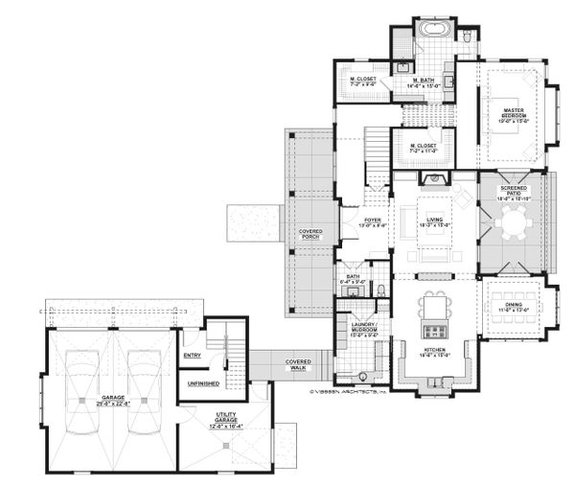
Side Addition: Adding a wing to the side of the house is popular because it maintains the original structure while providing a clean separation. It's often more affordable than full additions.
Rear Extension: Sometimes the back of the house works best, especially if there's outdoor access and good views. This placement allows for a garden connection and easy access to outdoor spaces.
Each location comes with its own set of considerations. For instance, a basement suite might lack natural light, while an attic space could have limited headroom. The key is matching the location to your family's needs and lifestyle.
Essential Features and Layout Considerations
When designing your mother-in-law suite, think about what will make the space truly comfortable and functional. Start with the basics:
Bedroom: A queen-sized bed is standard, but consider a full-size for smaller spaces. Include adequate storage with closets or built-in shelving. Good lighting is crucial – combine overhead lights with bedside tables and reading lamps.
Bathroom: This should be easily accessible and include all necessary features. Consider a walk-in shower or bathtub depending on mobility needs. Good ventilation and lighting are essential.
Kitchenette: Even a small kitchen area with a sink, mini-fridge, and microwave can provide independence. It doesn't need to be elaborate, but it should allow for simple meal preparation.
Living Area: A small sitting area or den provides space for relaxation and socializing. This room should feel welcoming and comfortable.
Storage: Built-in storage solutions help keep the space organized and clutter-free. Think about linen storage, seasonal items, and personal belongings.
Accessibility: Consider wheelchair accessibility if needed. Wide doorways, grab bars, and non-slip surfaces can make a big difference in safety and comfort. The goal is creating a space that feels like home, not like a temporary arrangement.
Design Tips for Maximum Comfort
The design of your mother-in-law suite should reflect both functionality and personality. Here are some design principles to keep in mind:
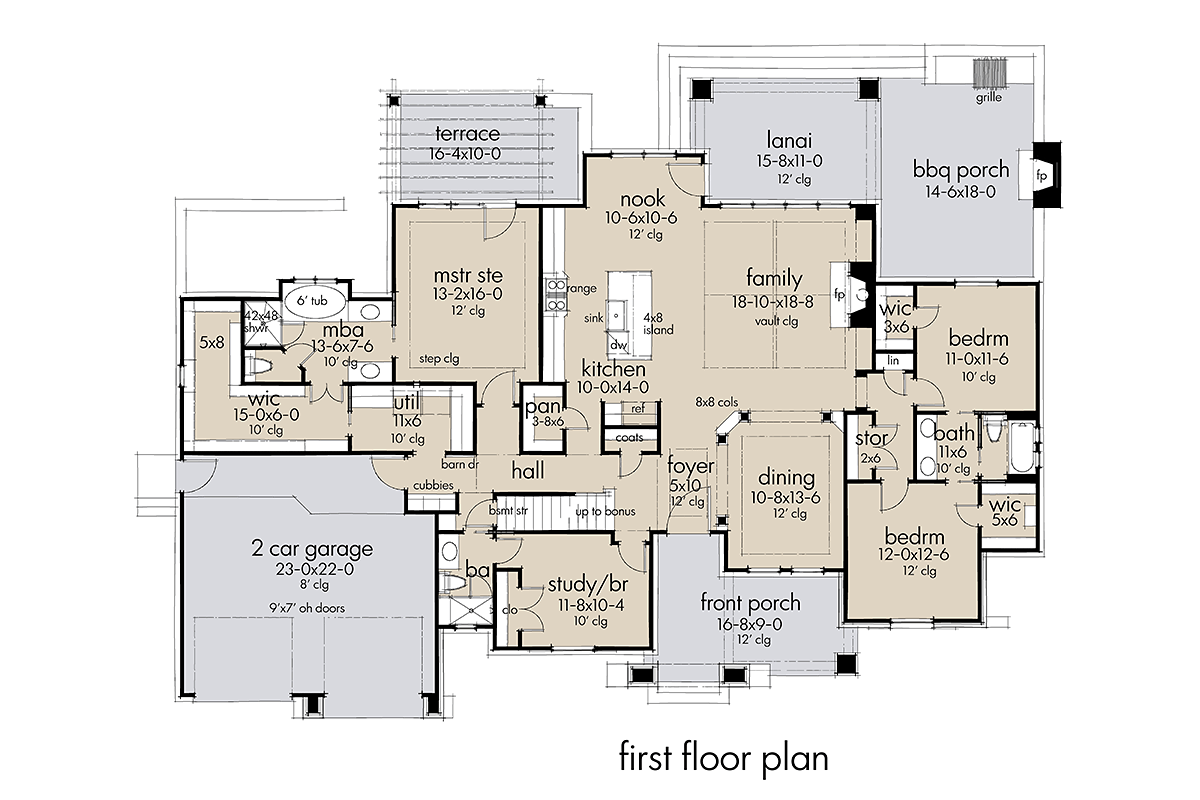
Color Scheme: Choose calming colors that promote relaxation. Soft blues, warm neutrals, or earth tones work well. Avoid overly bright or stark colors that might feel clinical.
Lighting: Layer lighting throughout the space. Combine ambient lighting with task lighting and accent lighting. Natural light is ideal, so consider large windows or skylights if possible.
Furniture Selection: Choose furniture that's comfortable and practical. A good-quality sofa, armchairs, and a dining table for casual meals can make the space feel lived-in and welcoming.
Personal Touches: Allow for personalization. Display photos, artwork, or favorite books that make the space feel like home. These touches help create a sense of ownership and belonging.
Technology Integration: Modern amenities like smart home features, good internet connectivity, and entertainment systems can enhance the experience. Consider voice-controlled lighting or temperature controls for convenience.
Remember, this space should feel like a retreat, not a guest room. It's important to balance practicality with comfort so that your family member actually wants to spend time there.
Budget Considerations and Cost Factors
Planning a mother-in-law suite can vary widely in cost based on several factors. Here's what to expect:
Construction Costs: Adding a new wing or converting existing space can range from $30,000 to $100,000+ depending on size and complexity. Basement conversions typically cost less than additions.
Materials and Finishes: High-end finishes and custom cabinetry will increase costs significantly. Basic materials can create a beautiful space without breaking the bank.
Permits and Inspections: Most jurisdictions require permits for major renovations. Budget around $2,000-$5,000 for permit fees and inspections.
Utilities: Running additional utilities to the suite may require extra investment. Water, electricity, and gas connections can add several thousand dollars.
Professional Help: Hiring architects, contractors, or designers can cost 10-20% of total project costs. This investment can save money in the long run by avoiding costly mistakes.
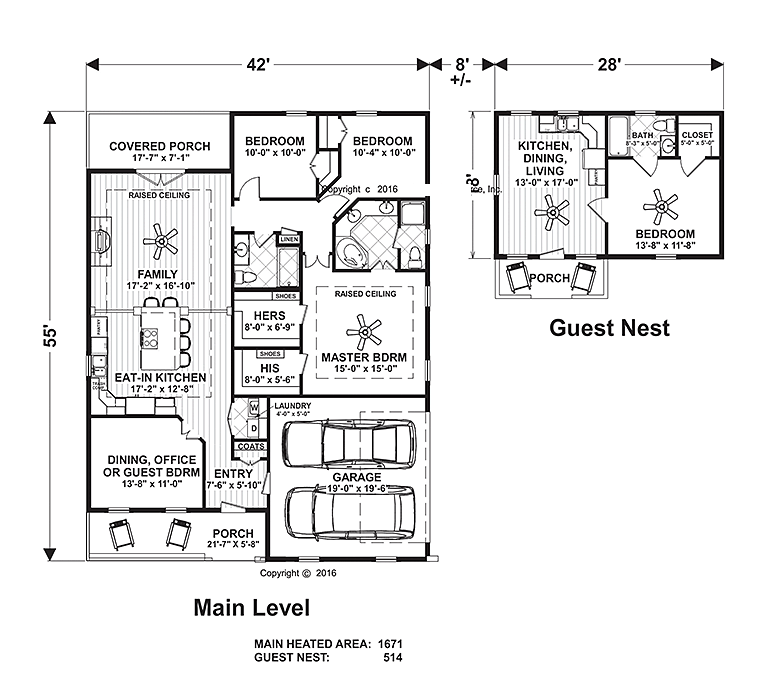
Timeline: Expect the process to take 3-6 months from start to finish, including design, permitting, construction, and final touches. Planning ahead helps avoid rushing decisions that might impact quality or budget.
Many families find that the investment pays for itself over time through reduced stress, improved family relationships, and increased home value. It's not just about the immediate cost, but about the long-term benefits for everyone involved.
Common Mistakes to Avoid
Even with careful planning, some pitfalls can derail your mother-in-law suite project. Here are the most frequent mistakes:
Underestimating Space Needs: Many families assume that a small room will suffice, but reality shows that people need more space than expected. Include a closet, desk area, and comfortable seating in your planning.
Ignoring Accessibility: Failing to consider mobility issues can cause problems later. Install grab bars, wide doorways, and non-slip surfaces early in the design phase.
Poor Communication: Not involving all family members in the planning process can lead to conflicts. Everyone should have input on layout, features, and design elements.
Neglecting Lighting: Poor lighting can make even beautiful spaces feel unwelcoming. Plan for multiple lighting sources and ensure adequate illumination throughout.
Overlooking Utilities: Don't forget about water, electrical, and HVAC needs. These systems must be properly integrated into the suite.
Skipping Storage: Without adequate storage, the space quickly becomes cluttered and uninviting. Plan for sufficient closet space, shelves, and drawers.
Not Considering Future Needs: As family members age, their needs change. Design with flexibility in mind so the space can adapt over time.
The key is thinking ahead and considering not just today's needs, but tomorrow's possibilities. A well-thought-out suite can serve multiple generations and evolve with changing circumstances.
Making It Work for Every Generation
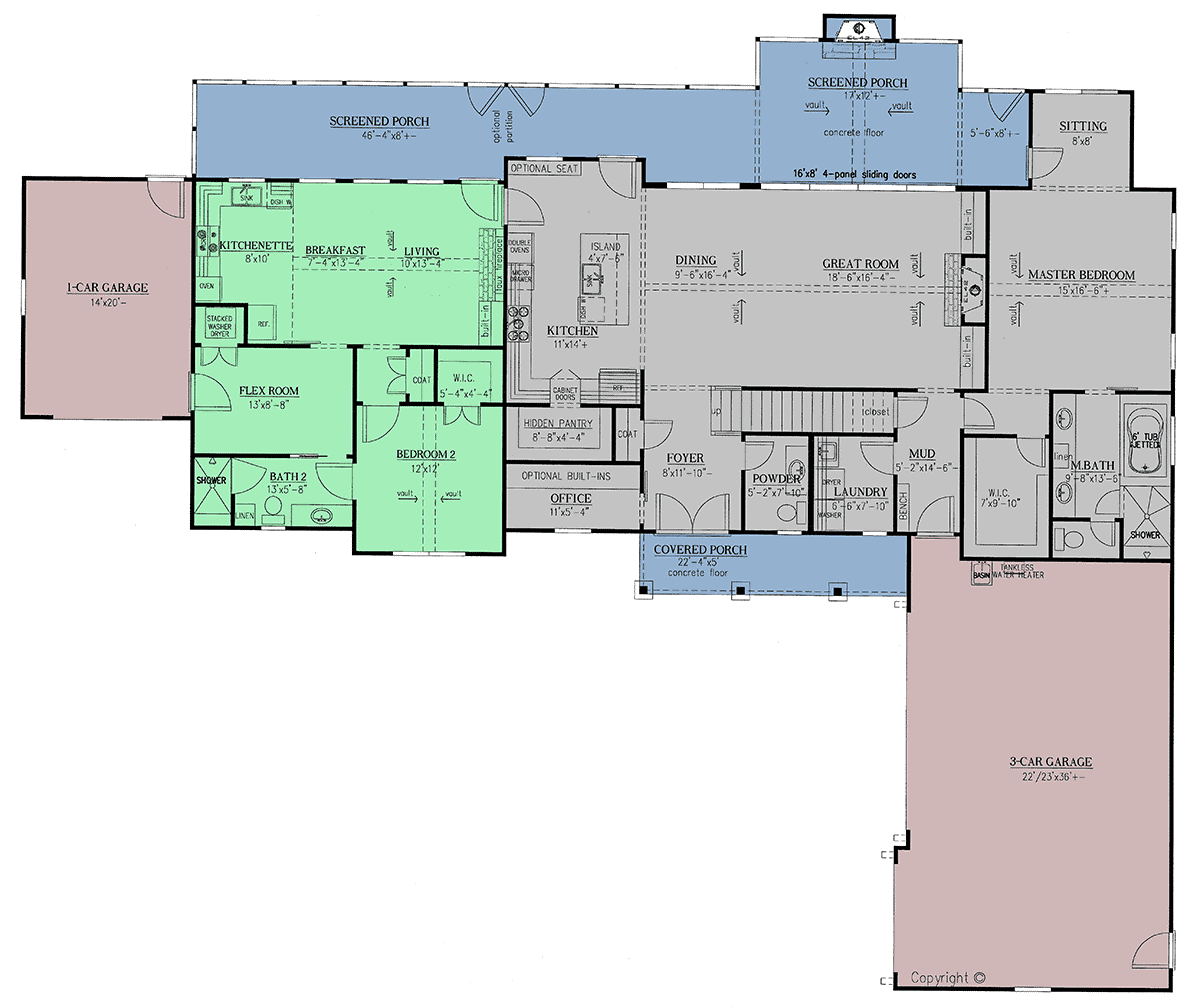
Successful mother-in-law suites accommodate various ages and lifestyles. Here's how to design for different needs:
For Older Adults: Prioritize safety and accessibility. Install grab bars, non-slip flooring, and appropriate lighting. Consider features like emergency call systems or smart home technology that can provide peace of mind.
For Younger Generations: Include modern amenities like high-speed internet, entertainment systems, and flexible furniture arrangements. This space should feel current and appealing.
For Families with Children: Consider safety features, child-friendly designs, and spaces that can accommodate different age groups. Maybe a small play area or study space for homework.
For Single Occupants: Focus on privacy and independence. Create a space that feels like a true home rather than a temporary arrangement.
For Couples: Provide privacy while maintaining connection opportunities. Consider shared spaces like a kitchen or living area where couples can enjoy time together.
The goal is creating a space that feels comfortable for whomever lives there now and potentially for others in the future. This adaptability makes the investment more valuable and ensures the suite remains useful over time.
Maintenance and Long-Term Care
Once your mother-in-law suite is complete, ongoing maintenance keeps it looking and functioning great. Regular upkeep includes:
Cleaning and Organization: Establish a cleaning schedule that keeps the space fresh and inviting. This might mean weekly deep cleans and daily tidying.
Seasonal Adjustments: Change bedding and decor seasonally to keep the space feeling fresh and appropriate for the time of year.
System Checks: Regularly test lighting, plumbing, and electrical systems to catch small problems before they become big ones.
Updates and Improvements: As technology evolves, consider updating systems like lighting, smart home features, or appliances to maintain comfort and efficiency.
Family Feedback: Ask regular feedback from residents about what's working and what could be improved. Their insights help maintain the space's effectiveness.
Emergency Preparedness: Have a plan for power outages, plumbing issues, or other emergencies. This might include backup generators, emergency contacts, or alternative arrangements.
Long-term care isn't just about physical maintenance – it's about keeping the space relevant and comfortable for whoever uses it. Regular attention ensures that the investment continues to pay dividends for years to come.
Real-Life Success Stories
Here are some examples of successful mother-in-law suite implementations:
The Multi-Generational Home: The Johnson family added a basement suite that became a favorite spot for their teenage grandchildren during summer visits. The kids loved the separate space for gaming and hanging out, while the grandparents appreciated the quiet area for reading and napping.
The Aging Parents Solution: The Martinez family built a separate wing that allowed their parents to live independently while staying close to their adult children. The parents were thrilled with their new space, and the family reported fewer arguments about living arrangements.
The Flexible Design: The Wilsons created a suite with modular furniture that could be rearranged as their family's needs changed. When their daughter moved home after college, the space adapted to accommodate her needs while still serving her parents.
The Smart Home Integration: The Thompson family included smart home features in their suite, allowing their elderly mother to control lighting, temperature, and security remotely. This technology gave her confidence and independence while providing peace of mind for the family.
These stories show that successful mother-in-law suites aren't just about the physical space – they're about creating environments that support family relationships and individual needs.
Final Thoughts on Creating Your Ideal Space
Designing a mother-in-law suite is more than just adding square footage to your home. It's about creating intentional spaces that support healthy family relationships and individual needs. The key lies in understanding that this isn't just about building a separate room – it's about building bridges between generations.
Take time to really consider what each family member needs. What would make their daily lives easier? What features would make them feel valued and respected? What kind of environment would encourage positive interactions?
Remember that a well-designed suite is an investment in family harmony. It's a way to solve problems before they start, to prevent conflicts, and to create a space where everyone can thrive. The effort you put into planning and designing this space will pay dividends in reduced stress, better relationships, and a home that truly serves everyone who lives there.
Whether you're planning a complete renovation or just starting to think about the possibilities, approach this project with patience and thoughtfulness. The result will be a space that brings joy to everyone involved.
Creating a mother-in-law suite is one of those rare home improvements that can genuinely improve family dynamics while enhancing your property value. The key to success lies not just in the physical design, but in understanding the human elements that make a space feel like home. From choosing the right location to considering accessibility needs, every decision should support the goal of creating a peaceful, comfortable living environment.
Don't rush the planning process. Take time to talk with all family members, consider your budget carefully, and think about how the space will be used over time. A well-planned suite becomes more than just a separate bedroom – it becomes a place where memories are made, relationships grow stronger, and everyone can live with dignity and independence.
Whether you're a first-time homeowner considering this upgrade or someone looking to renovate an existing space, remember that the investment in thoughtful planning pays off in countless ways. Your family will thank you for creating a space that honors everyone's needs while fostering the connections that matter most.


