
Every building tells a story, but its truest narrative lives in its blueprints. These detailed drawings hold the secrets of construction, design decisions, and structural elements that define what we see today. Whether you're renovating your home, researching a historic structure, or simply curious about how buildings are made, finding those blueprints can unlock everything from electrical layouts to foundation designs.
Finding building blueprints isn't always straightforward, but it's often crucial for anyone working with existing structures. Imagine trying to install new wiring in an old house without knowing where the original electrical runs were. Or perhaps you're planning renovations and want to ensure you don't accidentally cut into load-bearing walls. These situations highlight why locating architectural plans matters so much. The good news? There are several pathways to discover these important documents, even when they seem mysteriously absent.
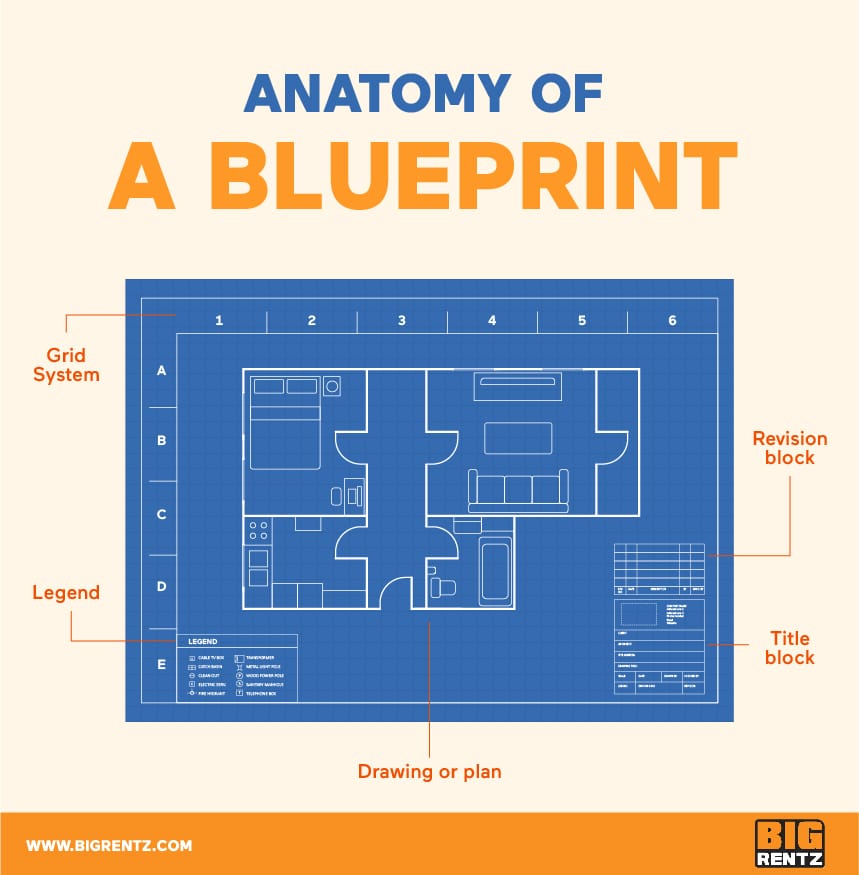
Where to Start Looking
The first place to check for blueprints is usually within the building itself. Look in utility rooms, storage areas, or anywhere there might be old paperwork. Many homeowners keep copies tucked away in filing cabinets or boxes. If you're dealing with a rental property, contact the landlord or property manager first. They may have access to original plans or know where to find them. In some cases, the building department might have records, especially for newer constructions. Some cities require permits and keep detailed files on all major projects. Don't overlook the possibility that someone in your family might have saved copies over the years. Grandparents, previous owners, or even contractors might have kept documents that could be invaluable.
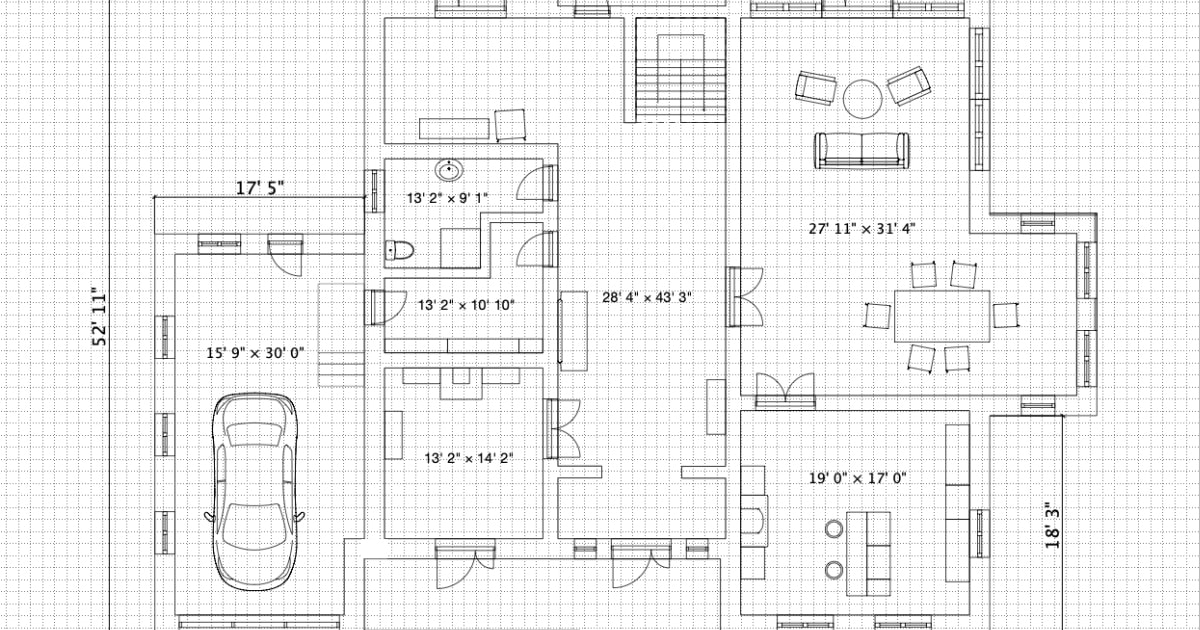
Public Records and Government Archives
Local government offices often house building plans as part of their public records. City halls, county clerk offices, and building departments frequently maintain archives of permits and construction documents. You'll want to contact these offices directly to inquire about their policies and procedures for accessing these materials. Some jurisdictions allow easy online searches through their databases, while others require in-person visits or mail requests. For older buildings, particularly those built before modern record-keeping systems, you might need to dig deeper into historical archives. Libraries, historical societies, and even museums sometimes preserve architectural drawings from significant projects. The process can take time, but it's often worth the effort for important or unique structures.
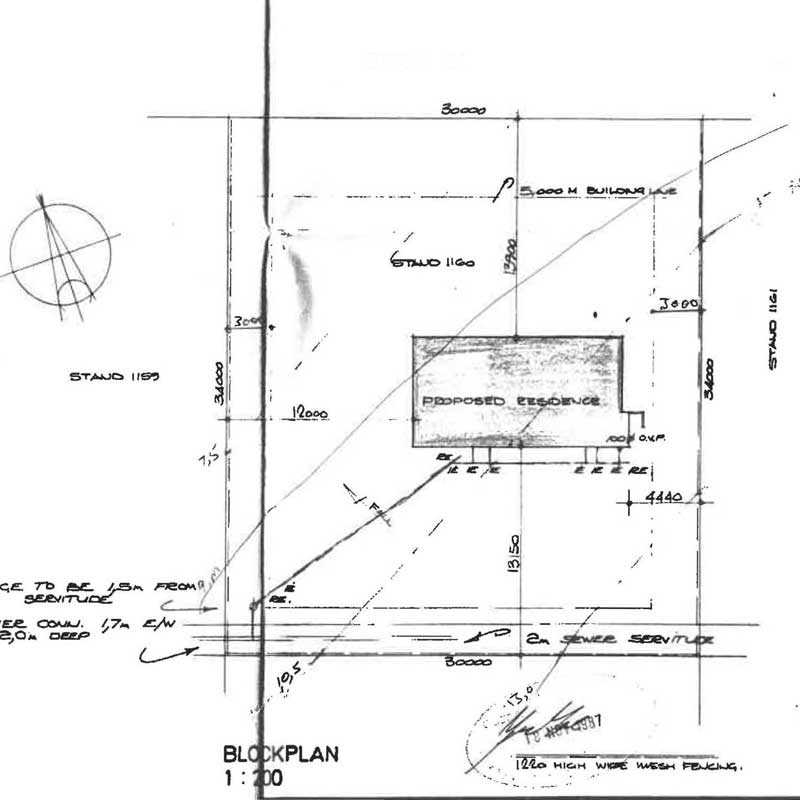
Professional Resources and Experts
Sometimes you need professional help to locate or recreate blueprints. Architects, engineers, and contractors often have experience with this kind of work. They might be able to guide you toward specific sources or even help you create new plans if originals are missing. Surveyors and building inspectors can also provide insight into what documentation might exist for a particular structure. In some cases, a professional assessment might reveal that the original blueprints were never created, or they were lost during renovations. When dealing with older or historic buildings, consider reaching out to preservation groups or architectural organizations. They often have extensive knowledge about local construction history and might have resources you hadn't considered.
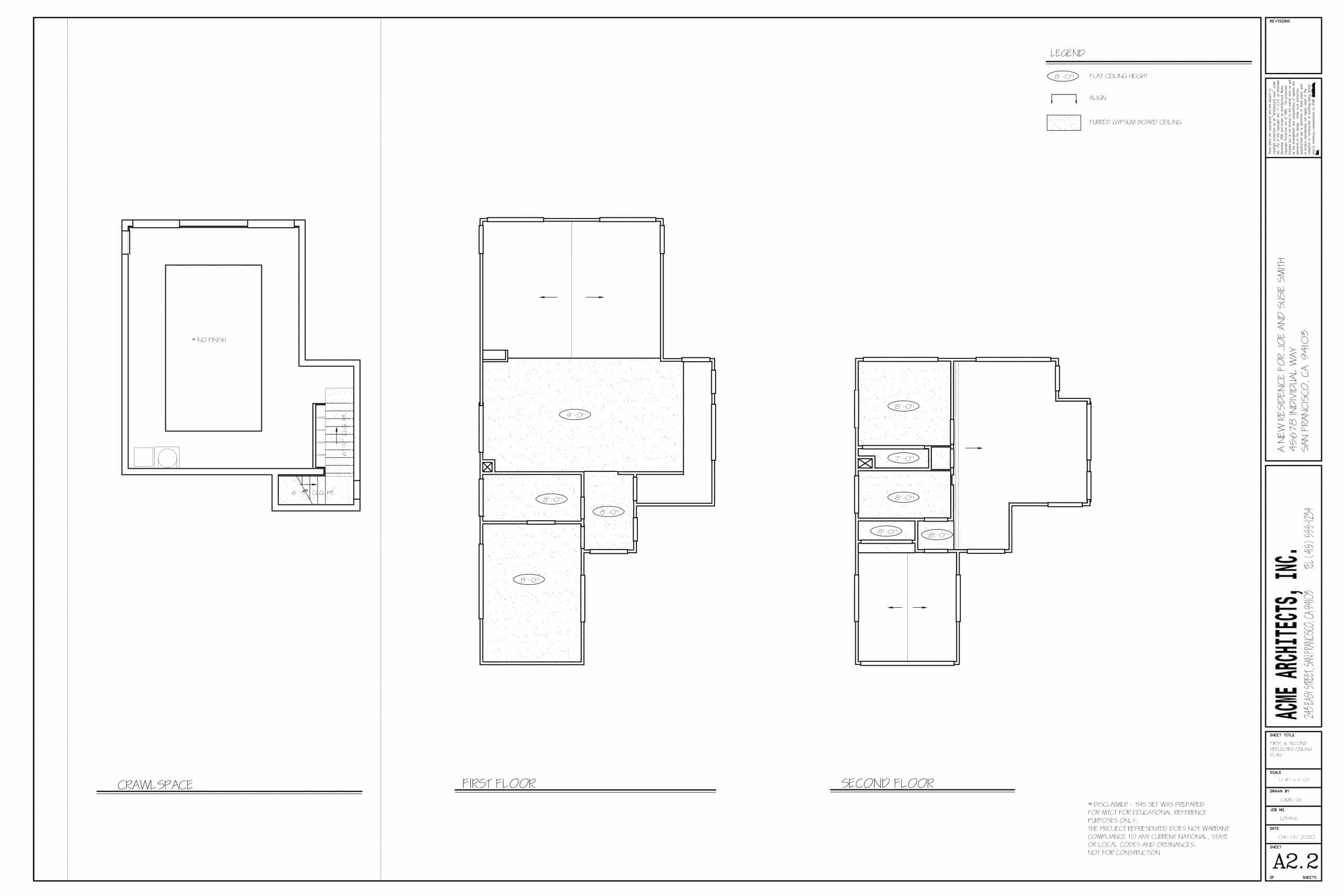
Digital Solutions and Modern Technology
Today's technology offers new ways to locate and work with building plans. Many cities now maintain digital databases of building permits and plans, making them more accessible than ever before. Smartphone apps and online platforms can help you search for specific documents or even scan and share plans digitally. Some companies specialize in creating digital versions of physical blueprints, which can be incredibly helpful for modern renovations. However, be aware that not all online sources are reliable, and you should verify the authenticity of any digital documents you find. Using laser measuring devices and 3D scanning equipment can also help you document existing structures when original plans aren't available. These tools can create accurate representations that serve as temporary blueprints until proper documentation is obtained.
Legal Considerations and Access Rights
Before diving into blueprint searches, it's important to understand legal aspects. Property ownership rights determine who has access to certain documents. As a homeowner, you generally have the right to request and view plans related to your property. However, if you're dealing with a commercial building or tenant situation, things can get more complex. Some plans might be protected by copyright or privacy concerns. Always respect legal boundaries and consult with appropriate professionals when you're unsure about access rights. In many cases, building codes require that certain information be publicly available, especially for safety-related aspects like fire exits or structural elements. Understanding these requirements can help you navigate the process more effectively.
Practical Tips for Success
Finding blueprints successfully often requires patience and persistence. Here are some key strategies to try:
Remember that some buildings simply don't have original blueprints, especially older structures or those built by unlicensed contractors. In such cases, you'll need to rely on other methods to understand the building's layout and specifications.
Finding building blueprints isn't just about locating paper documents - it's about gaining understanding of the spaces we inhabit. Whether you're planning renovations, preserving historical architecture, or simply satisfying curiosity about how buildings are constructed, the journey to discovering these plans can teach us a lot about our built environment. While the process can be challenging, especially with older or poorly documented structures, persistence and the right approach usually lead to success. The investment of time and effort in finding these documents pays dividends in safety, accuracy, and respect for the craftsmanship that went into creating these structures. Sometimes the most valuable blueprint isn't found in a file cabinet but in the careful attention to detail that comes from truly understanding the building around us.


