
Imagine standing on a hillside, looking out over your property with a stunning view of the valley below. Now picture your dream home nestled perfectly into the landscape, not fighting against nature but working with it. That's exactly what thoughtful home designs for sloped lots accomplish. These homes don't just survive on uneven ground – they thrive, creating unique living experiences that embrace the natural contours of the land.
When you think about building a house, the first thing that probably comes to mind is a flat lot. But what if your dream property sits on a slope? What if you want to build something special on that gentle incline or dramatic hillside? You might be surprised to learn that sloped lots offer some of the most exciting opportunities for creative architecture. These properties demand thoughtful planning, but they also reward homeowners with spectacular views, unique floor plans, and incredible character. The key lies in understanding how to work with gravity, water flow, and the natural shape of your land rather than against it.
Understanding Your Slope
Before you start dreaming about your dream home, you need to understand what kind of slope you're dealing with. A gentle slope might be just a few feet high over a hundred feet of width, while a steep slope could rise dramatically. The classification affects everything from foundation choices to how you'll arrange rooms and even what materials you'll use.
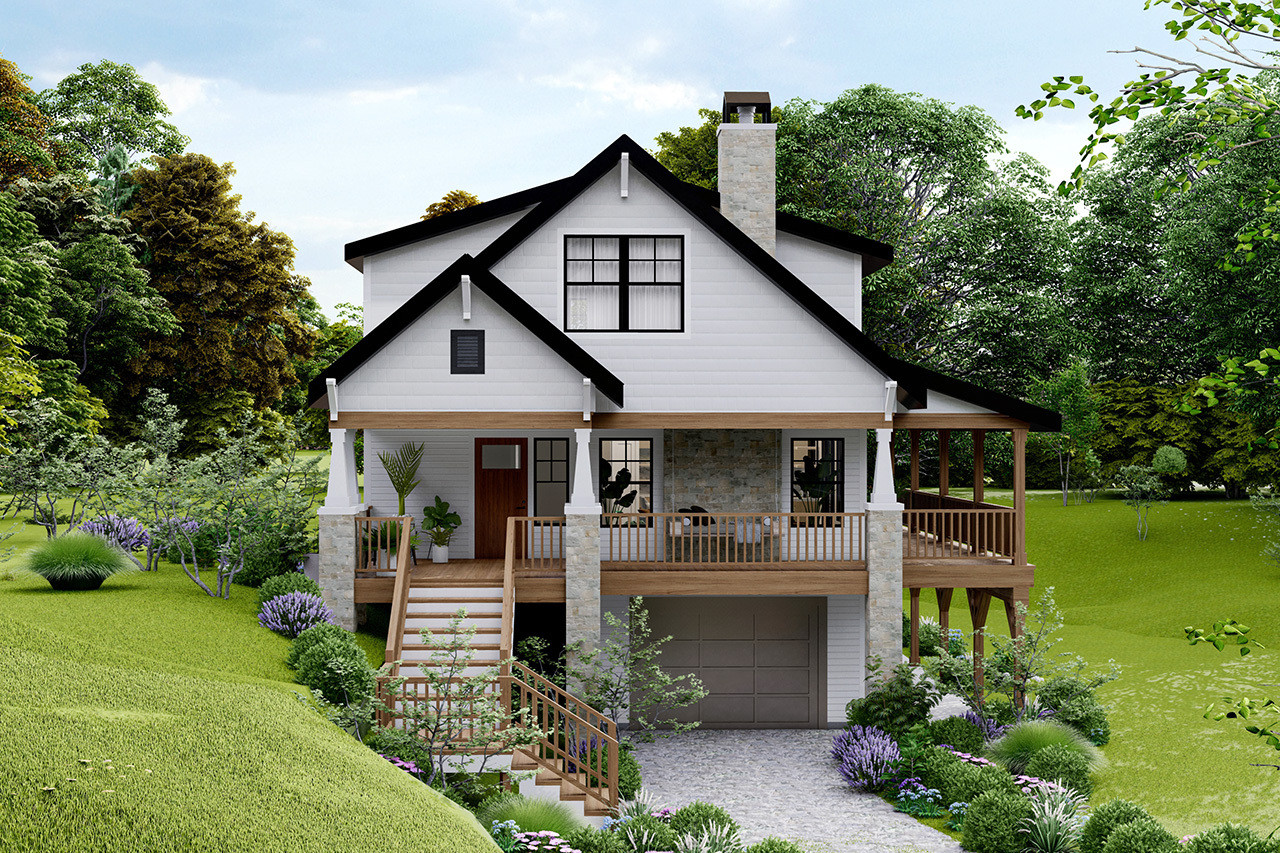
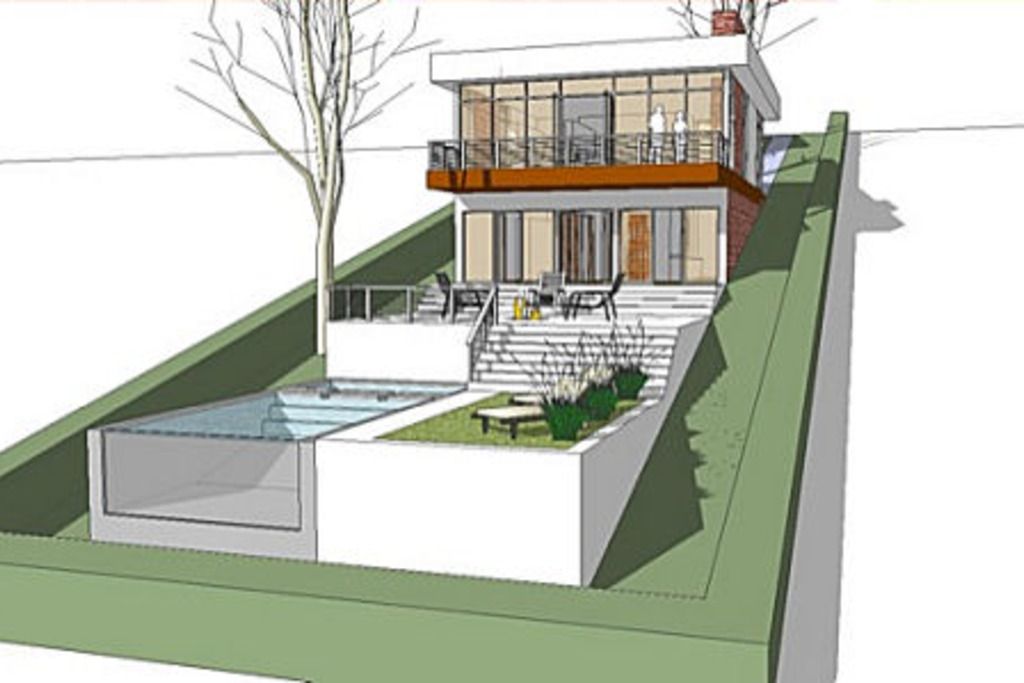
The most important thing to remember is that every slope presents its own set of challenges and opportunities. A moderate incline might allow for a split-level design, while a steeper slope might require terracing or a cantilevered approach. Don't let the grade discourage you – sometimes the most dramatic architectural features come from working with the natural topography.
Consider having a professional survey your lot. This will give you exact measurements and help determine if there are any potential issues like erosion, drainage problems, or soil stability concerns that could affect your building plans.
Popular Design Approaches for Sloped Land
There are several tried-and-true design methods that architects and builders have perfected over decades. Each approach offers different benefits depending on your specific situation:
Safety Considerations and Drainage Solutions
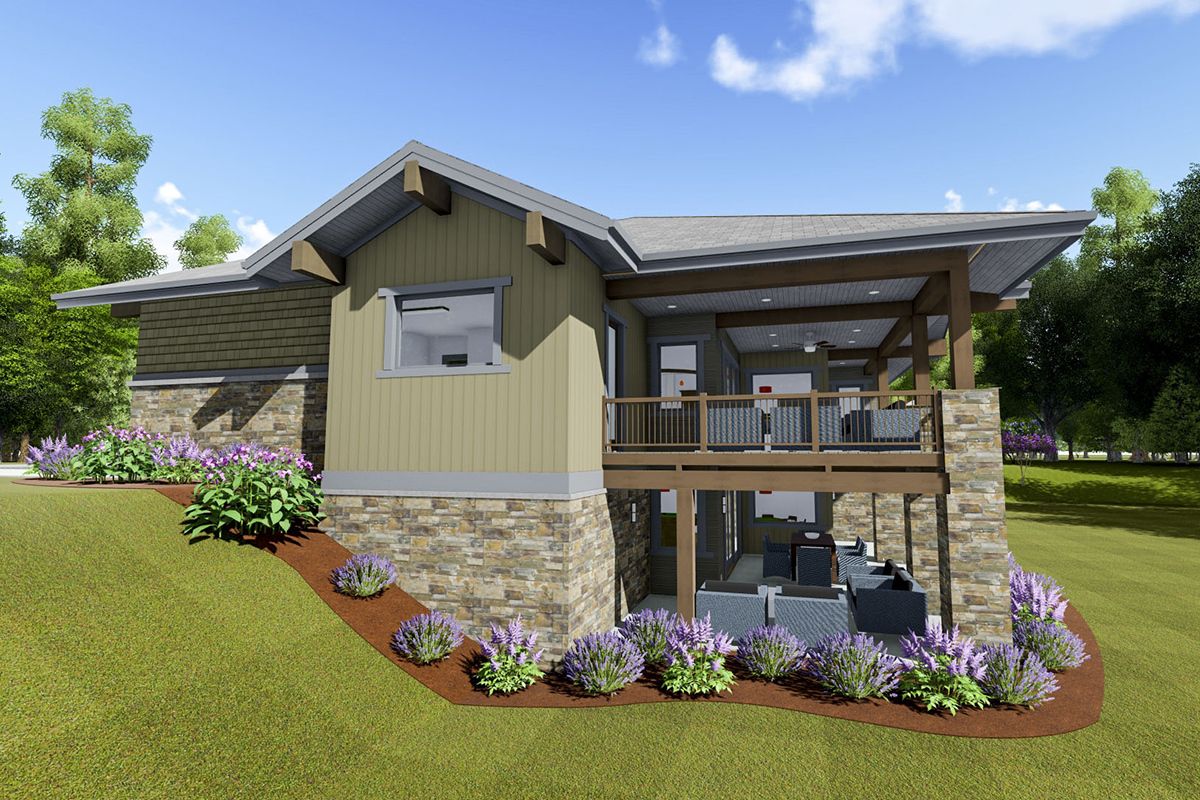
Building on slopes isn't just about aesthetics – it's also about safety and practicality. Water management becomes crucial because rainwater doesn't flow uphill naturally. Without proper planning, you could end up with flooding issues or structural damage over time.
Key considerations include:
Think about how water moves across your property during heavy rains. A good designer will plan for this before construction begins. Sometimes, the most beautiful aspect of a sloped home is how well it handles water runoff without creating problems for neighbors or yourself.
Maximizing Natural Light and Views
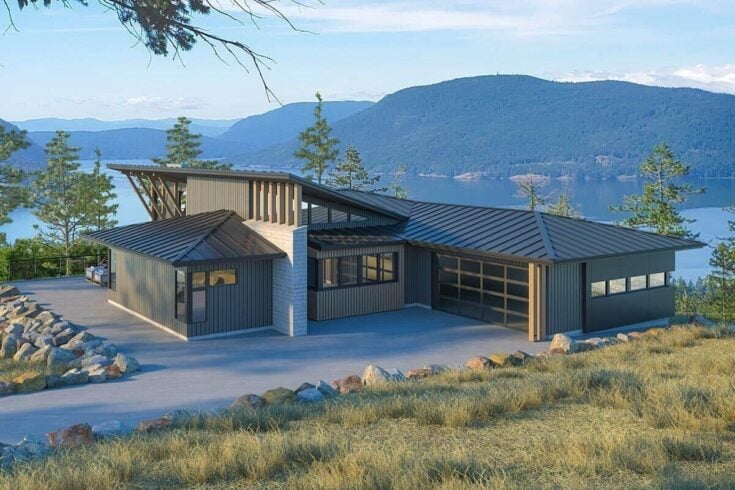
One of the biggest advantages of sloped lots is the potential for spectacular views. Smart designers know how to frame those views properly and make the most of available light. Windows become strategic elements rather than just functional necessities.
Here are some ways to make the most of your sloped property's natural assets:
Many homeowners find that their sloped lot gives them a sense of being part of the landscape rather than separate from it. This feeling of integration is one of the most rewarding aspects of designing for uneven terrain.
Cost Considerations and Budget Planning
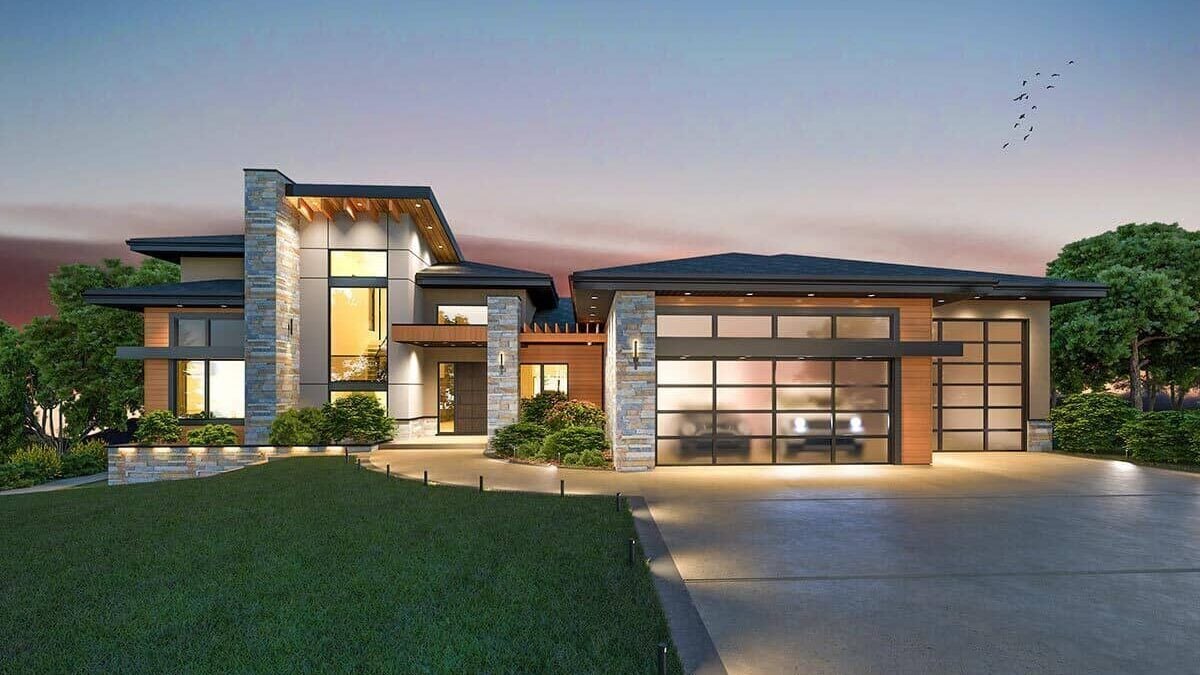
Let's be honest – building on a sloped lot typically costs more than building on flat ground. But the investment often pays off in both value and satisfaction. The additional expenses usually include:
The cost difference varies significantly based on the slope's severity and your chosen design approach. A gentle slope with a simple split-level design might add only a few thousand dollars to your budget, while a very steep site requiring extensive engineering work could increase costs substantially.
However, many of these costs are offset by the unique character your home gains. Sloped lot homes often sell for premium prices because they're rare and offer distinctive features that mass-produced flat-lot homes simply cannot match.
Working with Professionals
This is where things get serious. Building on a sloped lot requires more specialized knowledge than typical residential construction. You'll want to work with professionals who understand:
A good architect will help you visualize how your design will work with the land's natural features. They'll show you how to make the slope work for you rather than against you. A civil engineer may be necessary to evaluate soil stability and design appropriate support systems.
Don't try to cut corners here. The investment in quality professionals pays dividends in the long run through fewer problems and better long-term performance. It's worth spending extra money upfront to ensure your home will last and look great for decades to come.
Designing a home on a sloped lot is both an art and a science. It requires careful planning, professional expertise, and a willingness to embrace the unique characteristics of your land. When done right, these homes become extraordinary places that celebrate the natural environment while providing comfortable, functional living spaces. The key is to approach the project with patience and creativity, allowing the slope to guide your design decisions rather than fighting against it. Whether you're building a modest split-level or an ambitious modern masterpiece, the result can be a truly special place that feels completely connected to its surroundings. Remember, every challenge presents an opportunity – and a steep slope can offer some of the most rewarding building experiences imaginable.


