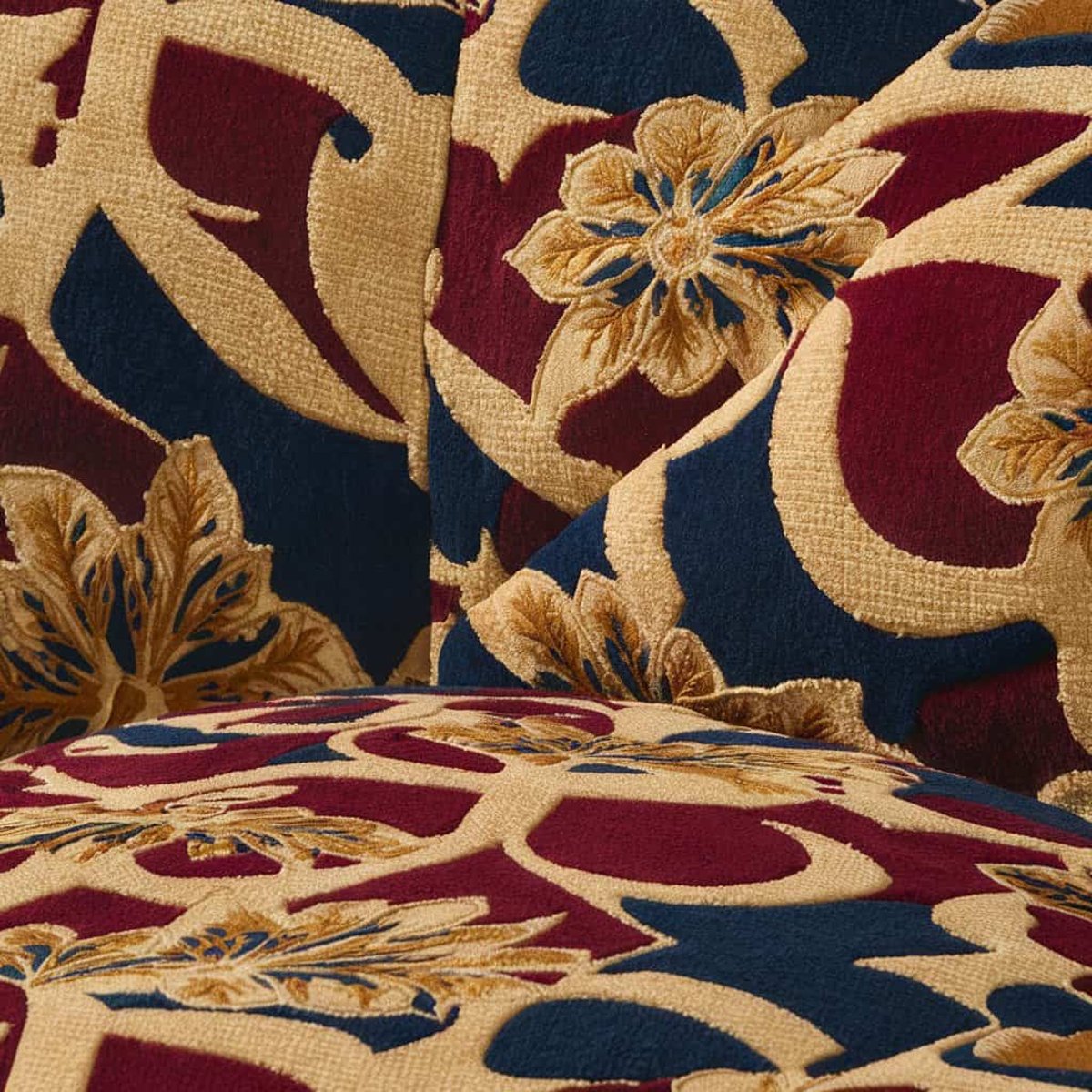
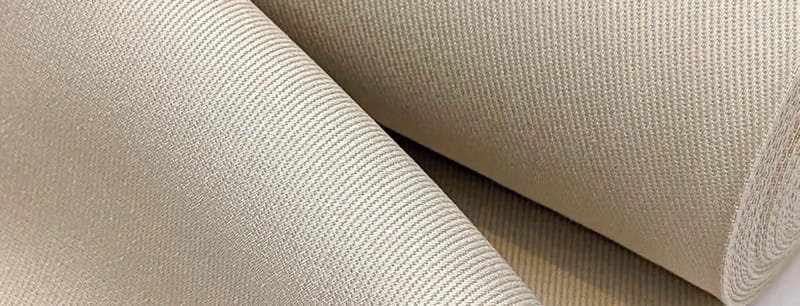
Twill upholstery, with its distinctive diagonal weave, brings a touch of classic elegance and robust durability to any living space. It's a fabric that whispers tales of comfort and style, but like all beloved furnishings, it needs a little tender loving care to keep it looking its absolute best. Ever wondered how to keep that twill looking as fresh and inviting as the day you brought it home? You're in the right place.
Twill fabric is a real workhorse in the world of upholstery. Its tight, diagonal pattern isn't just for show; it lends the material incredible strength and resistance to wear and tear. This makes it a fantastic choice for furniture that sees a lot of action – think family sofas, cozy armchairs, and even everyday dining chairs. But even the toughest fabrics can show their age if neglected. This guide is your friendly companion on the journey to keeping your twill upholstery in tip-top shape, ensuring it remains a source of pride and comfort for years to come. Let's dive into the simple, yet effective, methods to unlock the secrets to pristine twill upholstery.
Understanding Your Twill: Know Your Fabric
Before you grab the nearest cleaning solution, it's crucial to understand what you're working with. Twill isn't just one thing; it can be made from various fibers like cotton, polyester, wool, or blends. Each fiber has its own unique properties and care requirements. Cotton twills, like denim or drill, are generally sturdy but can be prone to shrinking or fading. Polyester twills are often more resistant to wrinkles and stains, while wool twills offer a luxurious feel and natural resilience. Always check the manufacturer's care label – it's your best friend for specific cleaning instructions. Ignoring this step is like trying to bake a cake without a recipe; you might end up with something unexpected, and not in a good way.
Routine Maintenance: The Foundation of Pristine Twill
Consistency is key when it comes to keeping your twill upholstery looking pristine. Think of it as a gentle, ongoing conversation with your furniture. Regular dusting and vacuuming are your first lines of defense against the buildup of dust, dirt, and pet hair, which can embed themselves into the fabric's weave and cause premature wear. Use a soft brush attachment on your vacuum cleaner and go over the upholstery at least once a week. For a deeper clean, consider using a lint roller or a slightly damp microfiber cloth. This simple upkeep prevents minor issues from becoming major problems. It’s amazing what a little regular attention can do.
Spot Cleaning: Tackling Spills Before They Set
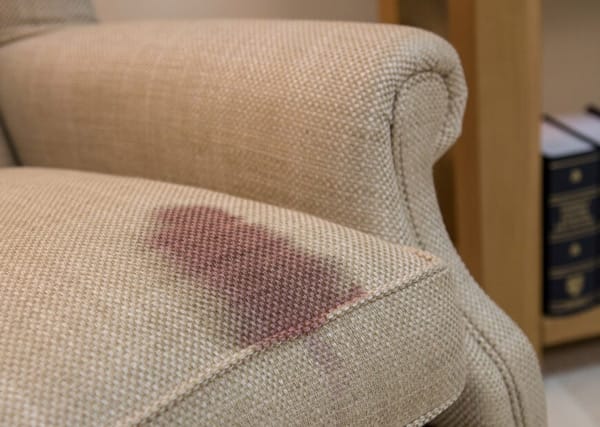
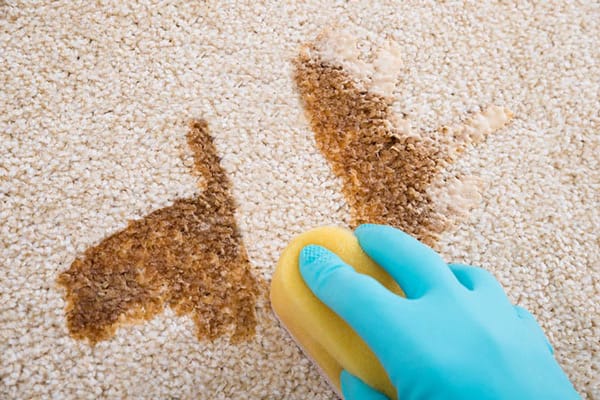
Accidents happen, right? The good news is that with prompt action, most spills on twill upholstery can be managed effectively. The golden rule: blot, don't rub. Grab a clean, dry cloth or paper towel and gently press down on the spill to absorb as much liquid as possible. Work from the outside of the stain inward to prevent spreading. For most non-greasy spills, a mixture of mild dish soap and water can be effective. Test this solution on an inconspicuous area first to ensure it doesn't discolor the fabric. Apply it sparingly with a clean cloth, blot gently, and then rinse by blotting with a cloth dampened with plain water. Allow to air dry naturally. Patience here is a virtue.
Deep Cleaning: Revitalizing Your Twill
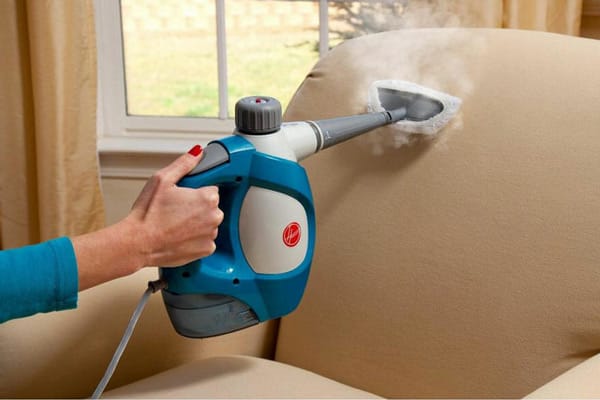
When routine maintenance and spot cleaning aren't enough, it might be time for a more thorough approach. For washable twills (check that label again!), you might be able to use a fabric cleaner designed for upholstery. Always follow the product's instructions carefully and ensure good ventilation. For more delicate twills or those with specific cleaning codes (like 'S' for solvent-based cleaning or 'W' for water-based), professional cleaning is often the safest bet. However, many common twill fabrics can be refreshed with a gentle steam cleaner or a DIY solution. A popular method involves mixing equal parts white vinegar and water, applying it lightly with a spray bottle, and then blotting with a clean towel. The vinegar helps to neutralize odors and lift grime. It sounds odd, but it really works wonders, and the smell dissipates as it dries.
Protecting Your Investment: Preventing Future Damage
Prevention is always better than cure, isn't it? To keep your twill upholstery pristine, consider using fabric protectors. These can create an invisible barrier that helps repel spills and stains, making cleanup much easier. When choosing a protector, ensure it's suitable for your specific twill fabric. Another important aspect is placement. Try to position your furniture away from direct sunlight, as prolonged exposure can cause fading and weaken the fibers over time. Also, be mindful of pets’ claws, as they can snag the twill weave. Regular grooming for your furry friends and perhaps a strategically placed throw can go a long way.
Common Twill Upholstery Woes and Solutions
Let's address some common issues people encounter. Pilling, those little balls of fiber that can appear on the surface, can often be managed with a fabric shaver or a gentle de-pilling comb. For stubborn wrinkles, a handheld steamer can work wonders, but be sure to hold it at a safe distance and test on a hidden area first. Fading can be tricky; while you can't reverse it, fabric protectors and UV-filtering window treatments can help prevent further degradation. If you're dealing with discoloration or damage that you can't seem to fix, sometimes a professional restorer or even a skilled upholsterer might have solutions, like targeted dyeing or panel replacement. Don't despair too quickly.
Caring for twill upholstery doesn't have to be a daunting task. By understanding your fabric, committing to regular maintenance, and knowing how to tackle spills and deeper cleaning needs, you can ensure your twill furnishings remain a beautiful and integral part of your home. It’s about appreciating the inherent qualities of this resilient fabric and giving it the attention it deserves. So go ahead, embrace the enduring charm and practical elegance of your twill upholstery, knowing you have the tools to keep it looking pristine for many, many years to come. Happy upholstering!
Related Posts
 Living Room
 Material science insights into premium leather durability
 Living Room
 The Evolution of Morrison Sectional Sofas in Modern Living Spaces
 Living Room
 Understanding the Appeal of Infinity Boucle Fabric in Modern Living Spaces
 Living Room
 Styling Your Home with the Sophisticated Pemberly Row Dark Gray Sectional
 Living Room
 Habitat Sectional Sofa Care Tips Keeping Your Investment Looking Brand New
 Living Room