Have you ever looked at a space and wished it could just…change? Like, not just moving furniture around, but fundamentally altering its shape and purpose? Well, that's precisely what we're delving into today: the amazing potential of modular sectional configurations. It's more than just a couch; it's a dynamic, adaptable system that truly brings your design visions from a simple drawing to a living, breathing reality. And honestly, it's pretty exciting stuff.
For ages, furniture was pretty much a fixed deal. You bought a sofa, and that was it. But our lives are way more fluid now, aren't they? We've got open-plan living, smaller apartments, and a constant need for spaces that can do double — or even triple — duty. This is where modular sectionals truly shine. They've evolved from a niche idea to a mainstream solution, offering unparalleled flexibility and a chance to really mold your environment to fit your life, not the other way around. It's about empowering you to be the architect of your own comfort and style.
Understanding the Modularity Magic
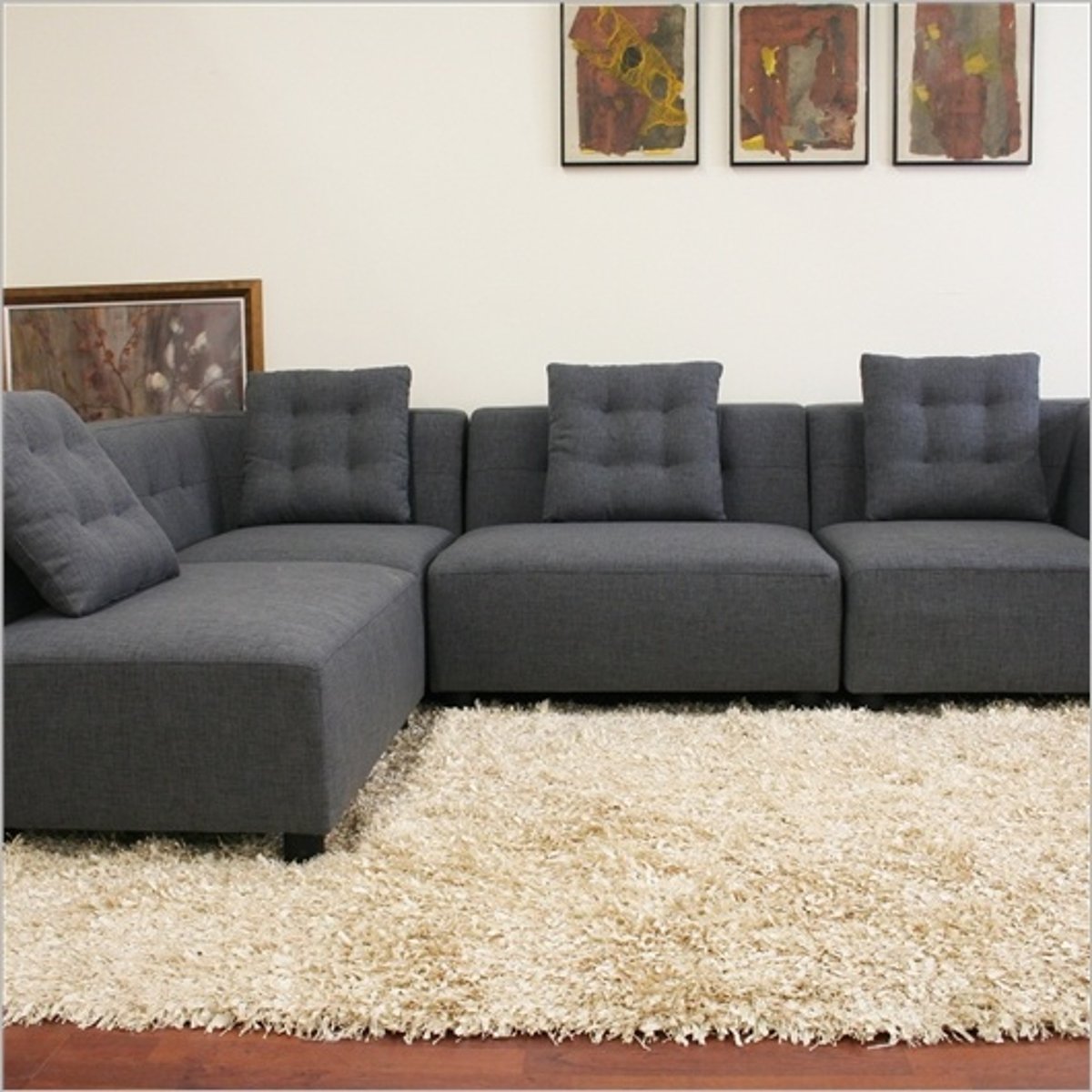
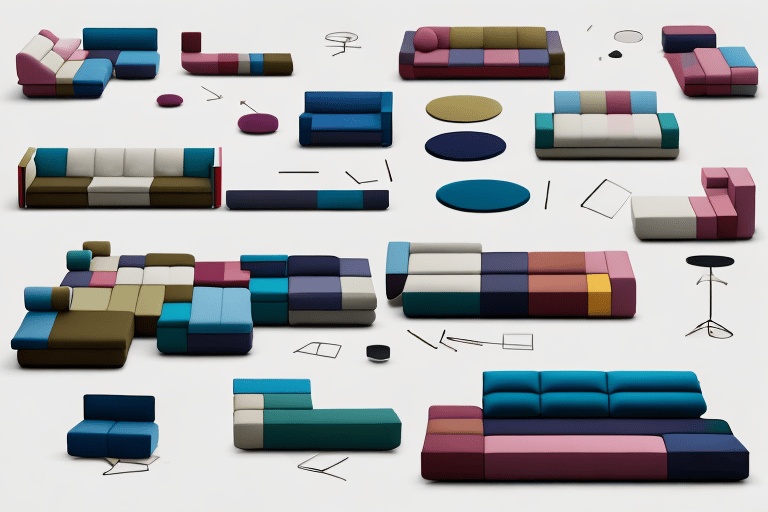
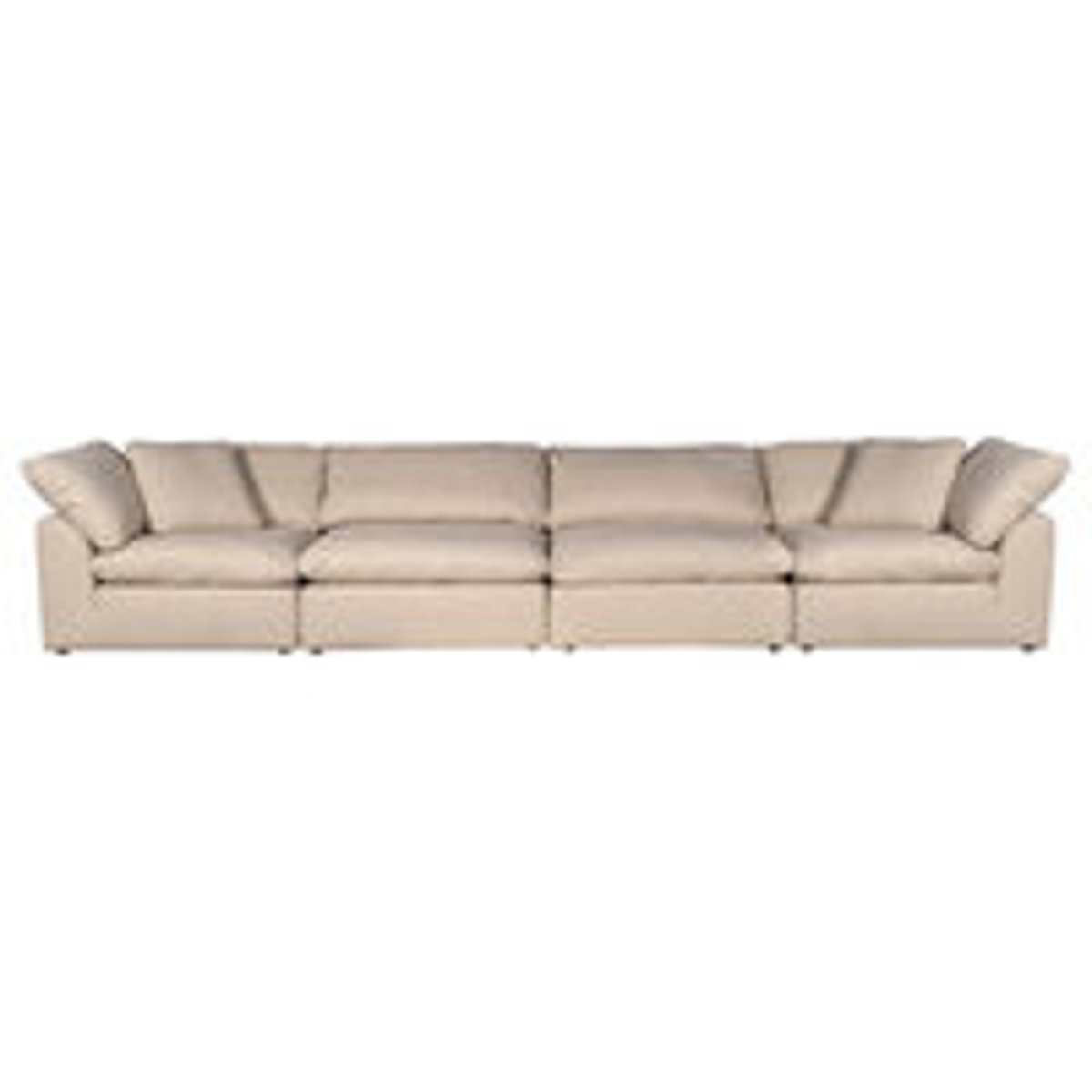
So, what exactly is 'modularity' in this context? Think of it like building blocks for your living room. Instead of one big, solid piece, a modular sectional is made up of individual, independent units. These units can include armless chairs, corner pieces, chaises, ottomans, and even storage components. The magic happens because these pieces can be arranged and rearranged in countless ways. Imagine having a big family gathering and needing a massive U-shaped sofa, then, the next day, splitting it into two smaller sofas and an accent chair for a more intimate setting. This isn't just about moving things; it's about transforming the entire layout and feel of a room with surprising ease. It's a game-changer for those who love to redecorate or whose needs change frequently.
From Blueprint to Practical Application: Real-World Scenarios
Let's get down to the nitty-gritty. How does this 'blueprint to reality' thing actually work? Consider a compact city apartment. A traditional sofa might overwhelm the space. With a modular sectional, you could start with a two-seater and an ottoman, then add another armless piece when you move to a larger place, or even reconfigure it into a cozy reading nook. Or think about a family with young kids. A large, L-shaped configuration offers plenty of sprawling space for movie nights. As the kids grow, you might separate a chaise lounge for a teen's gaming corner and create a more formal seating arrangement elsewhere. We've seen clients use these to define 'zones' in open-concept layouts – a conversation area, a TV viewing spot, and even a small work area, all crafted from the same adaptable furniture. The possibilities are genuinely endless, and it's exciting to see how people invent new uses for these flexible pieces.
The Design Freedom: Aesthetics and Personalization
Beyond just functionality, modular sectionals offer immense design freedom. You're not stuck with a pre-set style. Want a minimalist look? Choose clean lines and neutral fabrics. Craving a bohemian vibe? Mix and match textures and patterns with different modules. The ability to select individual pieces means you can truly personalize the look and feel of your furniture. You can even experiment with different depths and heights for a truly unique aesthetic. I once worked with a client who wanted a low-profile, Japanese-inspired aesthetic for their main living area but also needed a higher back for comfortable reading. We achieved this by combining different module types, creating a seamless yet highly functional and beautiful piece. It’s about being able to express your personal taste without compromise.
Overcoming Challenges and Common Pitfalls
Now, while modularity is fantastic, it's not without its considerations. One common mistake people make is not accurately measuring their space, including doorways and stairwells. While modules are smaller, you still need to ensure they can get into the room. Another point is understanding how the pieces connect – some use simple clips, others more integrated locking systems. This affects how easy it is to reconfigure. Also, consider the wear and tear on individual pieces; if one module gets heavily used, it might show wear faster than others. My advice? Always Sketch out your desired configurations beforehand, even if it's a rough drawing. And when choosing, think about the long-term flexibility you might need, not just your immediate requirements. A little forethought goes a long way in ensuring your investment truly serves you for years to come.
The Future is Flexible: Innovations on the Horizon
The world of modular furniture is continually evolving. We're seeing innovations like integrated charging ports and smart home connectivity built directly into modules. There are also exciting developments in sustainable materials, with manufacturers using recycled and responsibly sourced components. Imagine a modular sectional where you can easily swap out cushion covers for seasonal changes, or add a built-in speaker module for an instant entertainment hub. The trend is moving towards even greater customization and integration with our increasingly digital lives. It's about furniture that's not just adaptable in shape but also in its technological capabilities, making our living spaces smarter and more responsive to our daily routines. The future truly looks flexible, and the possibilities for bespoke comfort are expanding rapidly.
Making the Right Choice: A Practical Guide
So, how do you choose the right modular sectional for you? First, define your needs: Do you entertain often? Do you need extra sleeping space? How much traffic does the area see? Second, measure, measure, measure – not just the floor space, but also wall space, window heights, and any architectural features. Third, consider the material; durable fabrics are great for families and pets, while luxurious velvets might be better for a less-used formal living room. Fourth, think about the 'connection' system; how easy will it be for you to reconfigure it? Finally, don't be afraid to mix and match. Many brands offer compatible lines, allowing you to create a truly unique piece that reflects your personality and meets your specific lifestyle requirements. This is an investment in your comfort and your home's adaptability, so take your time and choose wisely.
In essence, modular sectional configurations represent a profound shift in how we approach interior design. They empower us to move beyond static furniture and embrace dynamic, responsive living spaces. It's about designing a home that truly adapts to your life, not one that dictates it. From the initial blueprint of an idea to the tangible reality of a perfectly configured sofa, the journey is one of creativity, flexibility, and ultimately, personalized comfort. Embrace the modular revolution, and start building the living space you've always dreamed of. It's your space, and with modularity, you truly make the rules.

Related Posts
 Living Room
 Material science insights into premium leather durability
 Living Room
 The Evolution of Morrison Sectional Sofas in Modern Living Spaces
 Living Room
 Understanding the Appeal of Infinity Boucle Fabric in Modern Living Spaces
 Living Room
 Styling Your Home with the Sophisticated Pemberly Row Dark Gray Sectional
 Living Room
 Habitat Sectional Sofa Care Tips Keeping Your Investment Looking Brand New
 Living Room