
For many, the sectional sofa is the heart of the living room, a sprawling landmass of comfort and relaxation. But is it truly working for you? Is it creating a space that feels harmonious, functional, and truly optimal? As someone who has dedicated years to understanding the intricate dance between furniture and human experience, I can tell you that arranging your sectional is far more than just pushing around heavy pieces. It's an art, a science, and a path to mastering the flow of your home.
Think about it. Your sectional is where you unwind after a long day, where you gather with loved ones, where memories are made. Yet, so often, we plop it down without much thought to its true potential. We might consider the dimensions or the color, but do we truly delve into how its placement impacts the energy, the accessibility, and the overall 'feel' of our living area? This isn't just about aesthetics; it's about creating a tangible sense of ease and well-being. It's about 'Mastering Flow,' not just in your home, but in your daily life.
Understanding Your Space: The Blueprint of Bliss
Before you even think about moving that magnificent beast, you need to become an architect of your own domain. This means truly understanding your living space. What are the natural pathways? Where do people tend to walk? Are there focal points like a fireplace, a television, or a stunning window view? Measuring is key, not just the room itself, but also knowing the exact dimensions of each component of your sectional. Don't forget to account for doors opening, windows, and even the swing of a coffee table drawer. A common misstep is underestimating the 'negative space' – the areas around the furniture that are just as important for easy movement and a feeling of openness. Draw a simple floor plan, even a crude one with sticky notes representing your sectional pieces, can be incredibly helpful. Think about the room's purpose; is it primarily for entertaining, quiet reading, or family movie nights? This will dictate how you prioritize certain arrangements.
The Pillars of Placement: Function, Form, and Flow
When it comes to placing your sectional, there are three fundamental pillars to consider: Functionality, Form, and Flow. Functionality is about how you use the space. Are there enough comfortable seats for everyone? Is it easy to reach a side table for a drink or book? Form relates to the visual balance and aesthetics. Does the sectional dominate the room, or does it contribute to a harmonious whole? And then there's Flow, the most crucial element in my book. This is about the effortless movement of people through the room, the natural progression from one area to another, and the overall feeling of ease. A well-arranged sectional guides you, inviting you in without creating obstacles. Imagine a river; you want your living room's flow to be just as smooth and unobstructed. Sometimes, even a slight shift of a foot or two can make a monumental difference in how a room feels and functions. It's about optimizing every single inch.
The Art of Zoning: Creating Intimate Nooks and Grand Gestures
One of the most powerful aspects of a sectional is its ability to create 'zones' within a larger room. You can define distinct areas for different activities. Perhaps a cozy corner for reading, a more open section for conversation, and a central area for TV viewing. By strategically placing the longer arm or a chaise, you can subtly separate these zones without building actual walls! This is particularly useful in open-concept living spaces where the living room, dining room, and kitchen all share a single large area. A well-placed sectional can act as a gentle divider, giving each space its own identity and purpose. It's like having multiple rooms within one, offering both intimacy and grandeur depending on your needs. Don't be afraid to experiment with angling your sectional slightly; it doesn't always have to be pushed flat against a wall. Sometimes, a subtle angle can create an unexpected and inviting conversation area.
Lighting and Accessories: The Finishing Touches that Elevate
Once your sectional is in its prime position, it's time to consider the supporting cast: lighting and accessories. Lighting is often overlooked but plays a massive role in how a space feels. Do you have adequate task lighting for reading? Is there ambient lighting to create a warm and inviting atmosphere? Floor lamps and table lamps can beautifully frame your sectional and provide layers of light. As for accessories, think strategically. A well-chosen coffee table or ottoman can serve multiple purposes – a place for drinks, a footrest, or even extra seating. Throw pillows and blankets add texture, color, and comfort, but don't overdo it! Too many can make the sectional feel cluttered and less inviting. Remember, less is often more when it comes to accessorizing. Each piece should have a purpose, whether it's functional, decorative, or both. These small touches are what truly bring your sectional arrangement to life and make it feel like a curated, thoughtful space.
Troubleshooting Common Sectional Snafus: Practical Pointers
Even with the best intentions, you might run into some common sectional arrangement hurdles. Here are a few tips for overcoming them:
- The 'Too Big for the Room' Dilemma: If your sectional feels overwhelming, consider breaking it up. Can you use one piece as a standalone chair elsewhere? Or perhaps angle it to open up more floor space.
- Awkward Traffic Flow: If people are constantly bumping into the sectional, it's a clear sign the flow is off. Shift it back, create wider pathways, or re-evaluate the main entry/exit points of the room.
- Lack of Conversation: If talking feels strained, your seating might be too far apart or not facing each other adequately. Pull pieces closer, or introduce an additional accent chair to complete the conversation circle.
- The 'Floating' Sectional: If your sectional feels adrift in the middle of a large room, ground it with a large area rug that extends beyond its edges. This visually anchors it and defines its space.
- Underutilised Pieces: If you have a chaise or an arm that rarely gets used, rethink its position. Can it be moved to a different part of the room, or reoriented to encourage use? Don't be afraid to experiment. Sometimes, the best solution is the one you haven't considered yet. It's not about being perfect, it's about being practical and adapting.
The Continuous Journey: Adapting Your Space for Life's Changes
Mastering the flow of your sectional isn't a one-time event; it's a continuous journey. Life changes, and your living space should evolve with you. New family members, different hobbies, or even just a desire for a fresh look can all prompt a re-evaluation of your arrangement. Perhaps you need more seating for kids' playdates, or maybe you want to create a more serene space for quiet evenings. The beauty of a sectional is its modularity; it offers incredible flexibility. Don't be afraid to periodically reassess your layout. What worked last year might not be what serves you best today. Embrace the idea that your home is a living, breathing entity, and its arrangement should reflect your current needs and aspirations. This iterative process is where true mastery lies – in the ability to adapt, adjust, and always strive for that optimal living experience.
Arranging your sectional for optimal living is more than just interior design; it's an investment in your well-being. By understanding your space, considering function and flow, zoning effectively, and paying attention to the details, you can transform a simple piece of furniture into the cornerstone of a truly harmonious home. Remember, the goal isn't perfection, but rather creating a space that feels good, functions well, and supports the life you want to live. So go ahead, experiment, rearrange, and discover the incredible power of a well-placed sectional. Your optimal living awaits.


Related Posts
 Living Room
 Material science insights into premium leather durability
 Living Room
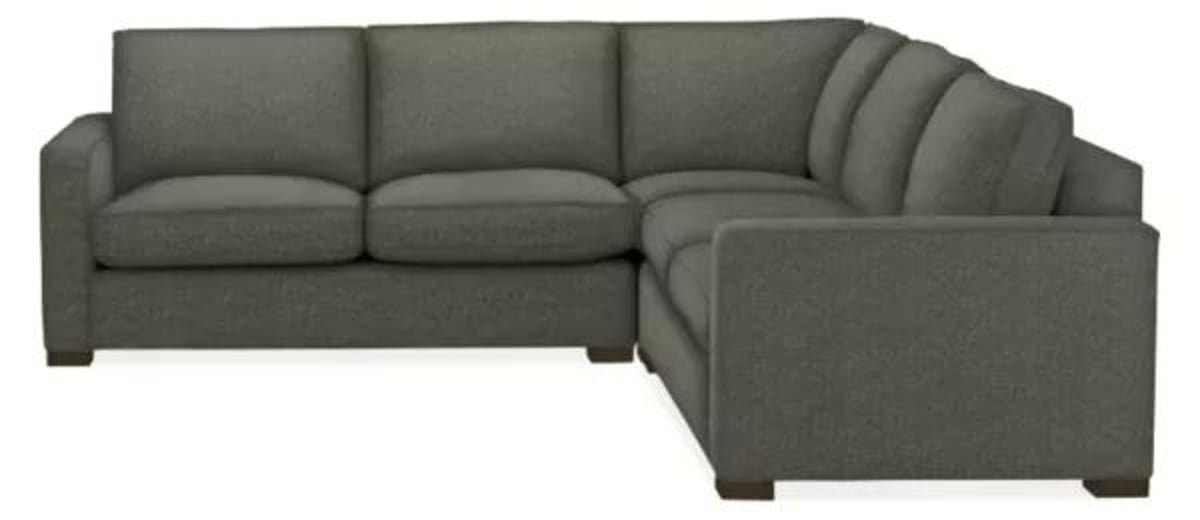
 The Evolution of Morrison Sectional Sofas in Modern Living Spaces
 Living Room
 Understanding the Appeal of Infinity Boucle Fabric in Modern Living Spaces
 Living Room
 Styling Your Home with the Sophisticated Pemberly Row Dark Gray Sectional
 Living Room
 Habitat Sectional Sofa Care Tips Keeping Your Investment Looking Brand New
 Living Room