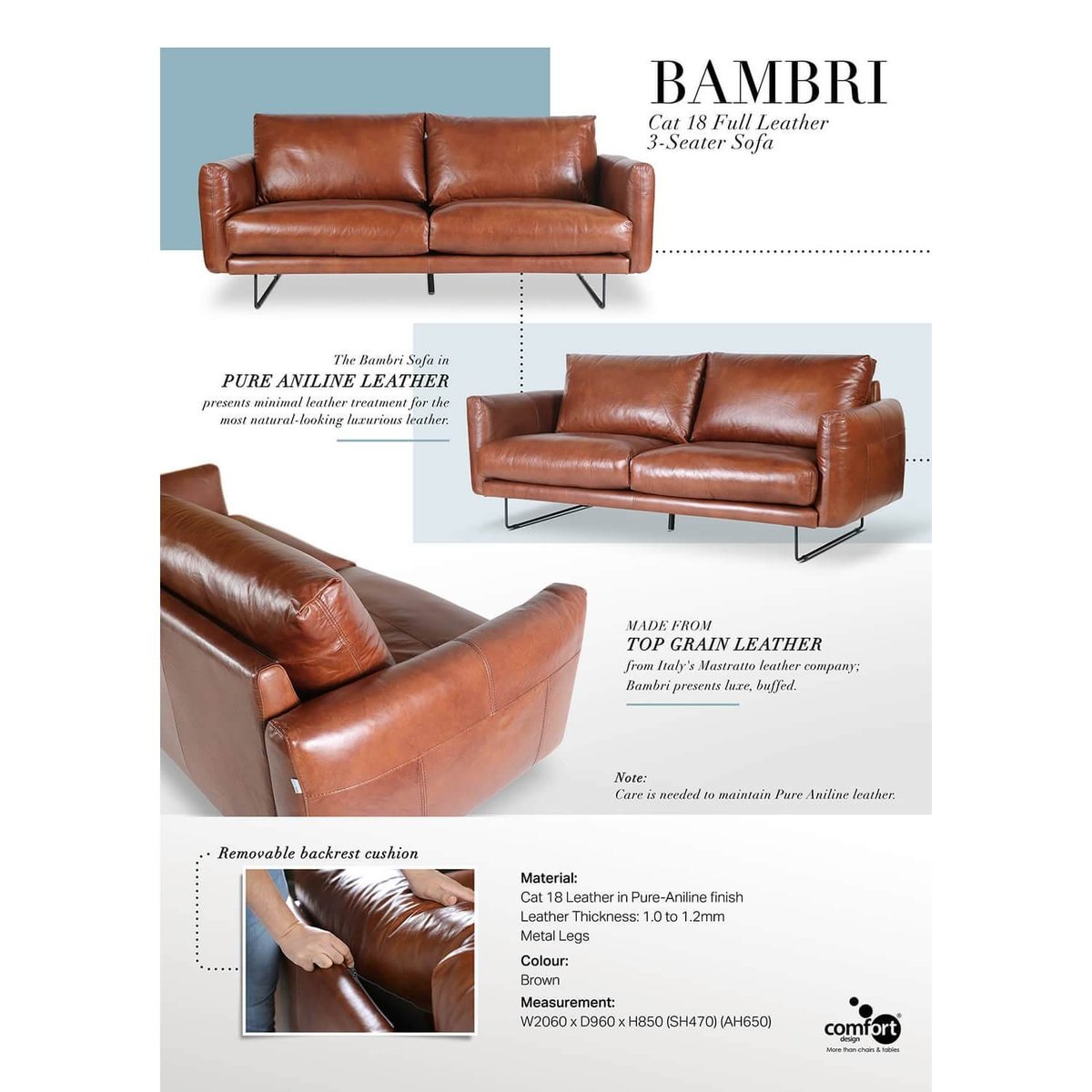
A leather sofa isn't just furniture; it's a statement piece, a comfort zone, and, let's face it, a significant investment. But like any treasured belonging, it requires proper care to retain its beauty and longevity. My years of experience and knowledge of the leather industry have taught me that with some simple, consistent effort, you can significantly extend the life of your leather sofa, ensuring it remains a stylish and welcoming part of your home for many years to come. This guide is about giving your leather sofa the best possible care; it's not about trying to sell you anything, it's about sharing what I've learned. I've seen what works, and I'm here to help you avoid common pitfalls and celebrate the enduring appeal of your leather furniture.
So, you've got a leather sofa, that's great. Now what? Leather is a resilient material, but it's not indestructible. This article delves into the crucial aspects of maintaining your leather sofa, from regular cleaning and protecting it from harm to knowing what products to use, and which to avoid. We'll cover everything you should know about keeping your sofa looking its best, feeling comfortable, and lasting for a very long time. Think of this as your go-to handbook for leather sofa care – a guide to help you preserve your investment and enjoy your furniture for years to come, without the need of a sales pitch or a complicated sales process.
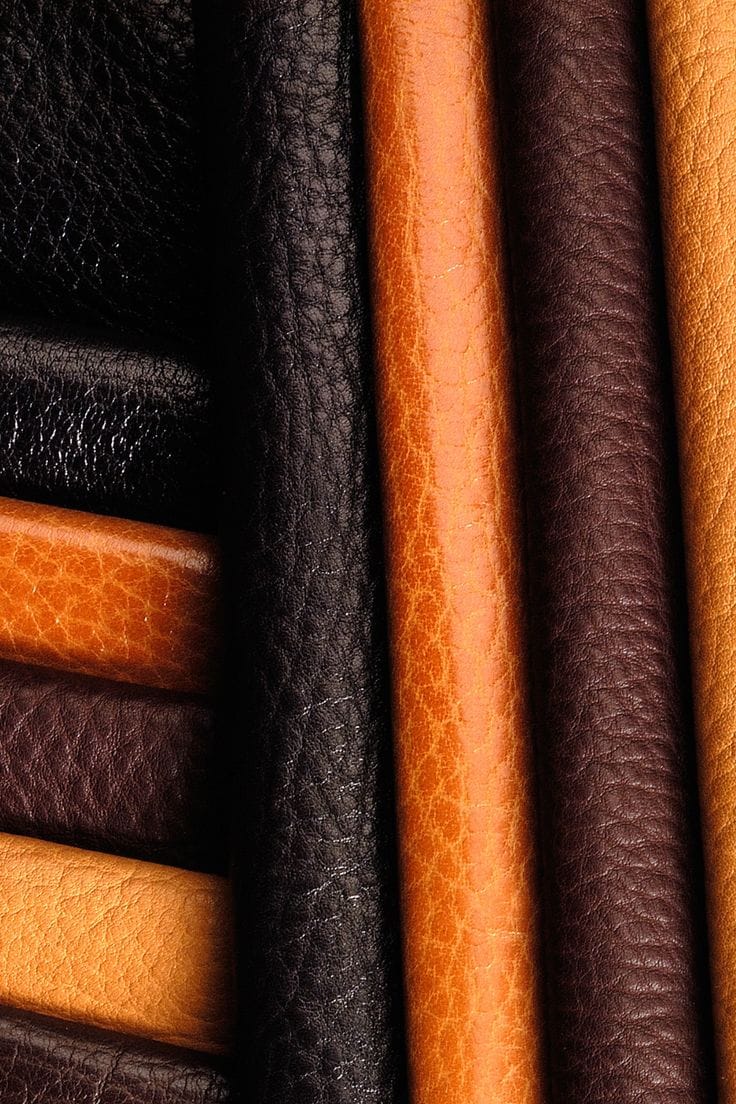
Understanding Your Leather: Types and their Needs
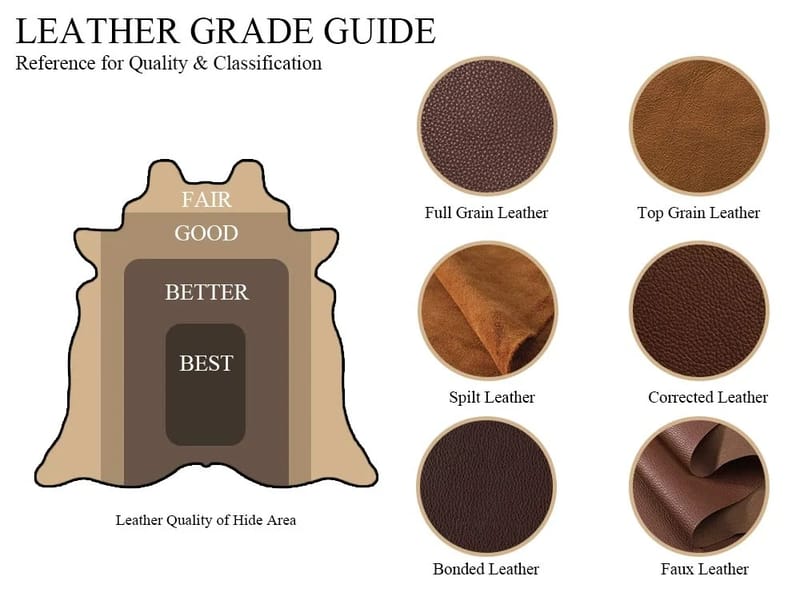
Not all leather is created equal. Knowing the type of leather you have is the first, and most important step, in proper care. Here's a quick rundown:
- Aniline Leather: This is the most natural and luxurious type, dyed with soluble dyes, and it's extremely sensitive to stains and sunlight.
- Semi-Aniline Leather: This leather has a thin protective coating, making it more resistant to stains than aniline leather, but still requires gentle care.
- Pigmented Leather: The most durable type, with a pigmented topcoat for protection, and it’s more resistant to damage, but it still needs regular cleaning.
- Nubuck Leather: This is a top-grain leather that has been sanded to create a soft, velvety surface. Nubuck is beautiful but it is very prone to stains.
Check for tags or ask your manufacturer if you're unsure about the type of leather. This knowledge will guide your cleaning and protection choices.
Regular Cleaning: The Cornerstone of Leather Care
Regular cleaning is the most important thing you can do to keep your leather sofa in good shape. Dust and dirt can be abrasive and lead to premature wear. Here’s a simple routine:
- Weekly Dusting: Use a soft, clean cloth or a vacuum with a brush attachment to remove dust and loose debris. Pay special attention to crevices and seams.
- Monthly Cleaning: Gently wipe the entire sofa with a damp (not wet) cloth wrung out in a solution of mild soap and water. Test the solution on an inconspicuous area first. Avoid harsh chemicals or detergents.
- Spot Cleaning: Address spills and stains immediately. Blot spills with a clean cloth; never rub, as this can spread the stain. For tougher stains, use a leather cleaner specifically designed for your leather type.
Shielding Your Sofa: Protecting from the Elements
Leather is susceptible to damage from sunlight, heat, and spills. Proactive protection is key:
- Sunlight Protection: Place your sofa away from direct sunlight or use curtains or blinds to filter the light. Prolonged sun exposure can fade and dry out the leather.
- Heat Protection: Avoid placing your sofa near heat sources like radiators or fireplaces. Heat can cause the leather to crack and dry out.
- Spill Prevention: Use coasters for drinks, and consider using a leather protector spray to create a barrier against spills and stains. Test any protectant on a hidden area before applying it to the entire sofa.
Choosing the Right Products: What to Use, and What to Avoid
The market is flooded with leather cleaning products. However, not all of them are created equally. In fact, some products could actually damage your sofa. Here's what you need to know:
Use:
- Leather Cleaners: Opt for pH-neutral leather cleaners specifically formulated for your leather type.
- Leather Conditioners: Conditioners help to keep the leather supple and prevent it from drying out. Use them a few times per year.
- Microfiber Cloths: These are ideal for cleaning and won't scratch the leather.
Avoid:
- Harsh Chemicals: Do not use anything containing bleach, ammonia, or solvents.
- All-Purpose Cleaners: These can strip the leather of its natural oils.
- Abrasive Sponges: These can scratch the surface of the leather.
Conditioning Your Leather: Keeping It Supple and Healthy
Leather needs to be conditioned, and this is an essential part of its care. Conditioning helps to moisturize the leather, preventing it from cracking and drying out.
- Frequency: Condition your leather sofa every 6-12 months, or more frequently if you live in a dry climate.
- Application: Apply a leather conditioner according to the product's instructions. Usually, this involves applying a small amount to a clean cloth and gently rubbing it into the leather in a circular motion.
- Absorption: Allow the conditioner to absorb into the leather before wiping off any excess.
Addressing Common Problems: Stains, Cracks, and More
Accidents happen, but knowing how to address common issues can save your sofa.
- Stains: Act quickly. Blot spills immediately. For oil-based stains, try sprinkling baking soda on the area and letting it sit for a few hours before vacuuming.
- Cracks: Prevent cracks by conditioning your leather regularly. If cracks appear, consult a professional leather repair specialist.
- Fading: Protect your sofa from direct sunlight. If fading occurs, consider using a leather dye or calling in a pro.
- Scratches: Minor scratches can often be buffed out with a leather conditioner. For deep scratches, a professional repair is the best option.
Caring for your leather sofa is an investment in its beauty, comfort, and longevity. By understanding the different types of leather, following a regular cleaning routine, protecting your sofa from the elements, using the right products, and addressing problems promptly, you can keep your leather sofa looking its best for many years. Remember, it's not about a quick fix or a fleeting trend; it's about appreciating the quality and character of your leather furniture and giving it the care it deserves. So, take the time, and enjoy the reward of a beautifully maintained leather sofa, a testament to timeless style, and a symbol of your careful stewardship. With the right care, your leather sofa will become an even more cherished part of your home.

Related Posts
 Living Room
 Material science insights into premium leather durability
 Living Room
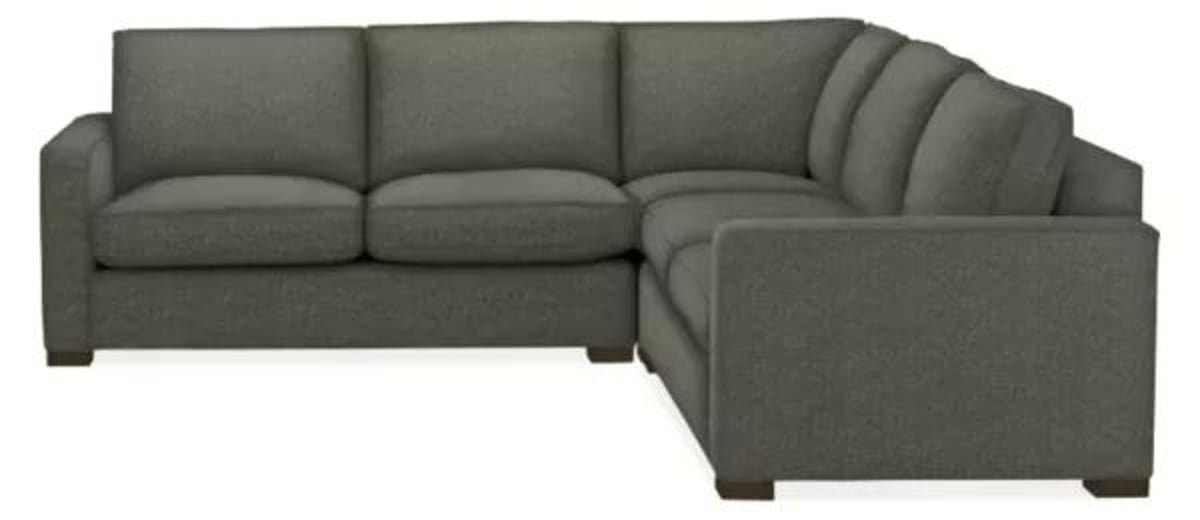
 The Evolution of Morrison Sectional Sofas in Modern Living Spaces
 Living Room
 Understanding the Appeal of Infinity Boucle Fabric in Modern Living Spaces
 Living Room
 Styling Your Home with the Sophisticated Pemberly Row Dark Gray Sectional
 Living Room
 Habitat Sectional Sofa Care Tips Keeping Your Investment Looking Brand New
 Living Room