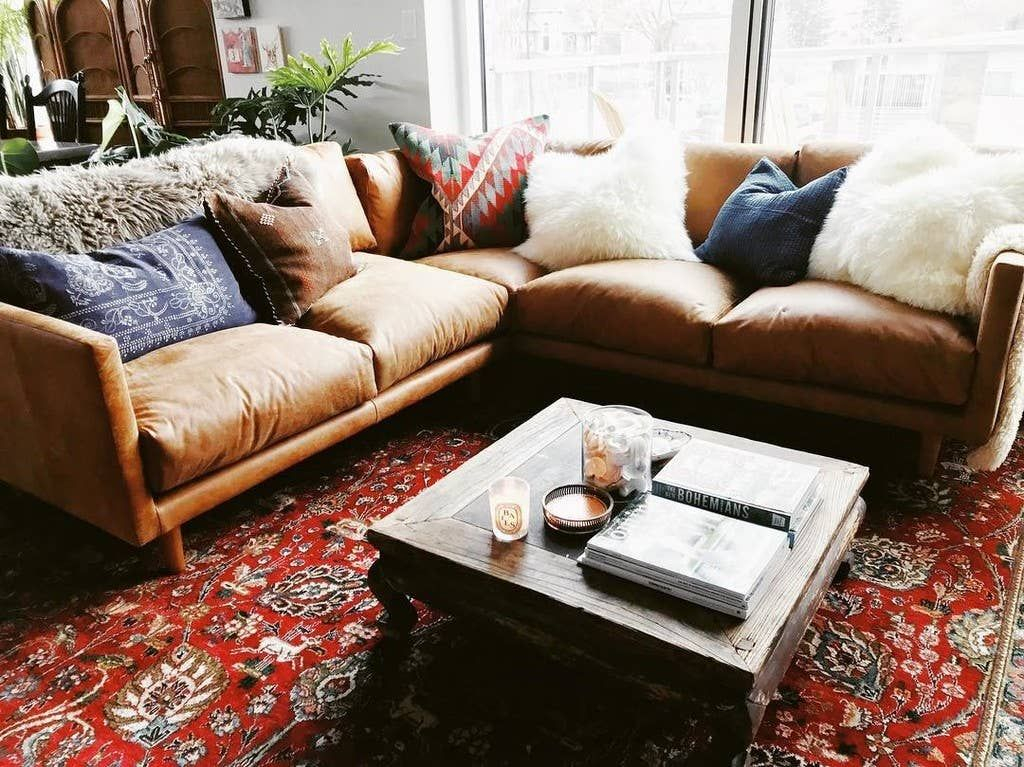
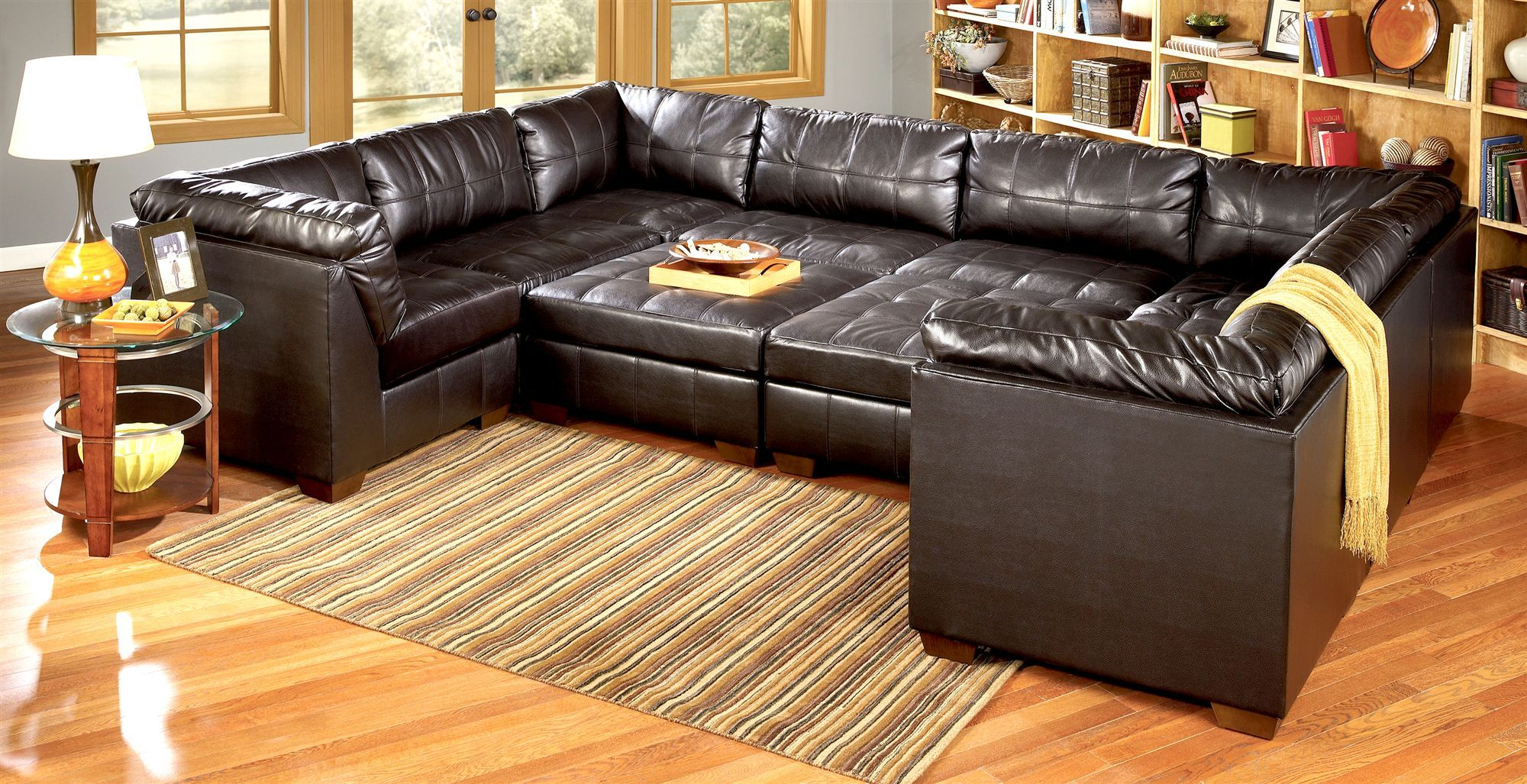
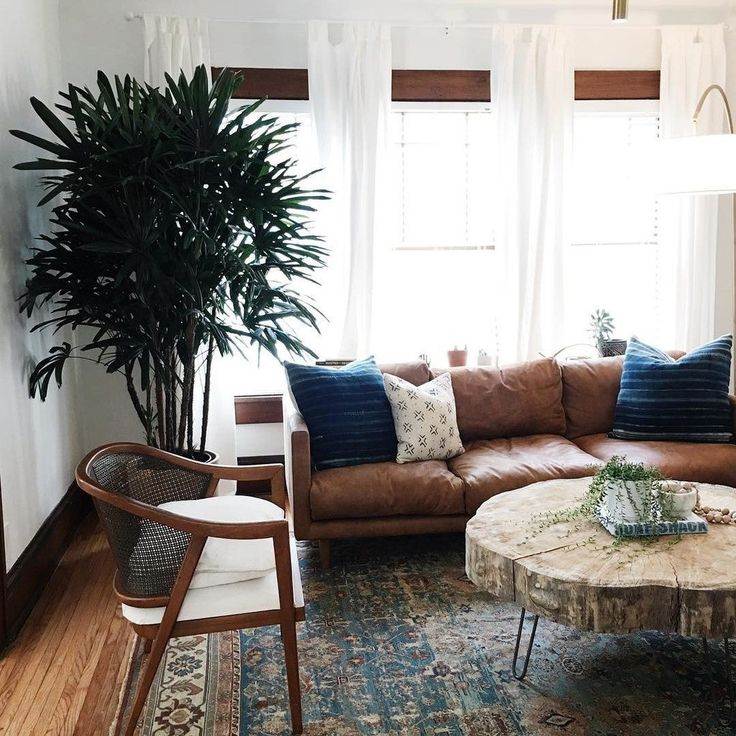
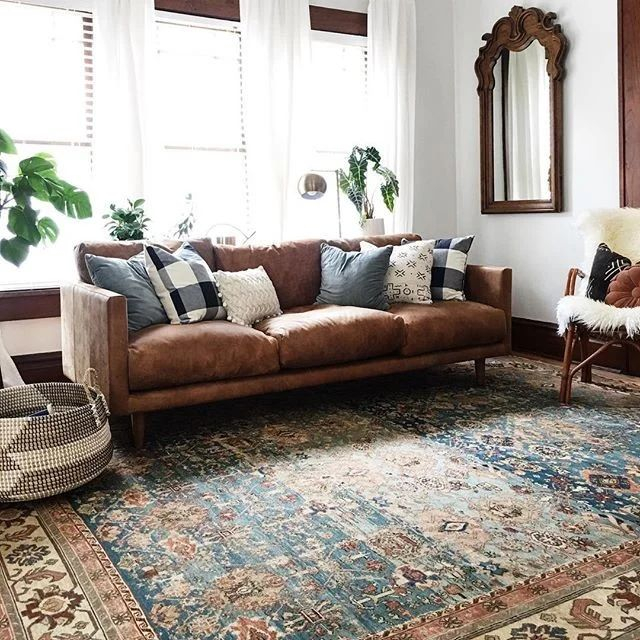
Hey everyone, it's your friendly furniture guru here, ready to dive deep into the world of leather sectionals. I know, it sounds fancy, and let's face it, buying a sectional is a big investment. But I'm here to demystify those leather grades, those terms that sound like a foreign language, and help you make a smart choice that'll keep your living room looking fabulous for years to come. Think of this as your personal guide to leather sectional mastery. We're not just talking about pretty aesthetics here; we're talking about durability, value, and the life of your furniture, and a comfortable place to relax and unwind after a long day. Ready to get started?
Choosing a leather sectional is a significant decision. You're not just picking out a piece of furniture; you're buying a statement piece, a gathering place, and, let's be real, a potential napping zone. But all leather isn't created equal. The grade of leather is a primary factor in determining how long your sectional will last, how it will age, and how much upkeep it will need. Understanding these grades is like having a secret decoder ring for the furniture store. It empowers you to make informed decisions, avoid costly mistakes, and ensure you get the best bang for your buck. So, let's break down the basics and get you ready to shop like a pro. This is going to be fun, I promise.
Unveiling the Leather Hierarchy: Top Grain, Full Grain, and Beyond
Let's start with the basics. Leather is categorized into different grades based on how it's processed and what parts of the animal hide are used. Here’s a quick rundown:
Full-Grain Leather: This is the top of the line. It includes the entire hide, with all its natural imperfections (like scars and wrinkles). It's incredibly durable, ages beautifully, and develops a rich patina over time. Think of it as the 'OG' of leather. It's the most expensive but often the best long-term investment.
Top-Grain Leather: This is the second-best grade. The top layer of the hide is lightly sanded to remove imperfections, making it more uniform in appearance. It's still very durable and of high quality but may not develop as much of a patina as full-grain.
Genuine Leather: This is a bit of a marketing term. It doesn't necessarily indicate superior quality. It often refers to leather made from the split of the hide (the layer underneath the top grain). It's less durable than top or full-grain, but still real leather. You'll see this grade a lot, so be sure to look at the price & think if it's really worth it.
Bonded Leather: This is the lowest grade. It's made from leather scraps that are bonded together with adhesives. It's the least durable and is prone to cracking and peeling over time. Buyer beware!
The Impact of Leather Grade on Your Sectional's Longevity
The grade of leather directly impacts how long your sectional will last. Full-grain leather, because of its strength and natural oils, can withstand years of use, and even improves with age. Top-grain is still very durable and will last for a good while, but it may not be quite as resiliant. Genuine leather will start to show wear and tear more quickly, and bonded leather? Well, let's just say it's not a long-term investment. Consider these points:
Wear and Tear: Higher grades of leather are more resistant to scratches, stains, and everyday use.
Aging: Full-grain leather develops a beautiful patina, a unique character that adds to its appeal over time. Lower grades tend to look worn and tired.
Maintenance: Higher-quality leather requires less frequent maintenance. While all leather needs care, full-grain is more naturally resistant to damage.
Value: The initial cost of your sectional will reflect the leather grade, but so will its resale value. A well-maintained, high-grade leather sectional holds its value much better.
Decoding the Leather Terms: An Easy Guide
Leather terminology can be confusing. Here's a cheat sheet to help you navigate the lingo:
Aniline Leather: This is leather that has been dyed with soluble dyes, giving it a soft, natural look. It's often full-grain or top-grain.
Semi-Aniline Leather: This is aniline leather with a light surface coating to provide some protection against spills and stains.
Pigmented Leather: This leather has a pigmented coating, making it more resistant to fading and wear. It's often used for furniture that will receive heavy use.
Corrected-Grain Leather: This leather has had its surface altered to remove imperfections and then re-embossed with a pattern. It's often top-grain or genuine leather.
Suede & Nubuck: These are types of leather that are buffed to create a soft, velvety texture. They are more prone to stains and require extra care. Just something to keep in mind.
Practical Tips for Choosing the Right Leather Grade
So, how do you apply this knowledge when you're shopping for your sectional? Here are some practical tips:
Consider Your Lifestyle: If you have kids, pets, or a busy household, opt for top-grain or pigmented leather for its durability.
Think About Your Budget: Full-grain leather is the most expensive. If your budget is tight, top-grain is a great compromise.
Read Reviews: See what other customers say about the leather's durability and ease of care.
Ask Questions: Don't be afraid to ask the salesperson about the leather grade, the tanning process, and any special care instructions.
Touch and Feel: Run your hand over the leather. Does it feel supple and luxurious? Does it seem durable? Your senses can tell you a lot.
Check the Warranty: A good warranty can provide peace of mind and protect your investment.
Don't be fooled by marketing: Some stores may use fancy terms, but the leather grade is what truly matters.
Caring for Your Leather Sectional: Extending Its Lifespan
No matter what grade of leather you choose, proper care is essential to extend its lifespan. Here are some care tips:
Regular Cleaning: Dust your sectional regularly with a soft cloth or vacuum with a brush attachment.
Conditioning: Condition your leather sectional every 6-12 months to keep it supple and prevent it from drying out and cracking. Use a leather conditioner specifically designed for your leather type.
Protect from Sunlight: Direct sunlight can fade leather. Place your sectional away from direct sunlight or use curtains or blinds.
Avoid Harsh Chemicals: Do not use harsh cleaning agents or abrasive materials. Always test any cleaner in an inconspicuous area first.
Address Spills Immediately: Blot spills immediately with a clean cloth. Don't rub, as this can spread the stain.
Professional Cleaning: Consider having your sectional professionally cleaned every year or two, especially if it receives heavy use.
Making the Right Choice: A Recap
Choosing the right leather grade for your sectional is a decision that will impact your comfort, your budget, and the overall look of your living space for years to come. By understanding the different grades, the impact on durability, and the importance of proper care, you can make an informed choice that you won't regret. Remember, it's about finding the perfect balance between your needs, your lifestyle, and your budget. Don't be afraid to do your research, ask questions, and invest in a sectional that will bring you joy for a long time. And, most importantly, enjoy your new sectional. It's time to relax and unwind.
So, there you have it – your complete guide to understanding leather grades and their impact on your sectional's lifespan. Arm yourself with this knowledge, and you'll be well-equipped to make a smart and satisfying purchase. Remember, your sectional is more than just furniture; it's a statement of style, a haven for relaxation, and a place where memories are made. Invest wisely, care for it well, and enjoy every moment. Happy shopping, everyone. And don't hesitate to reach out if you have any more questions. I'm always here to help.