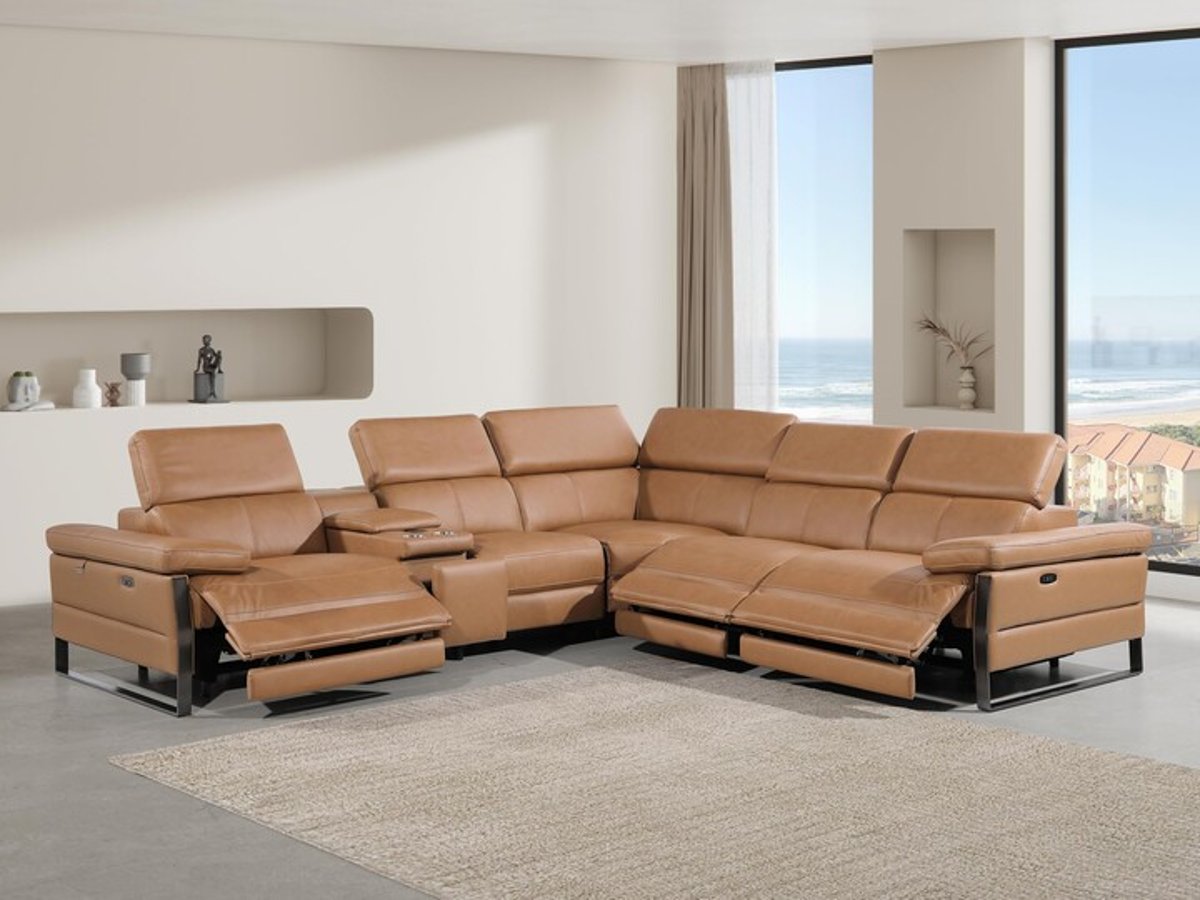
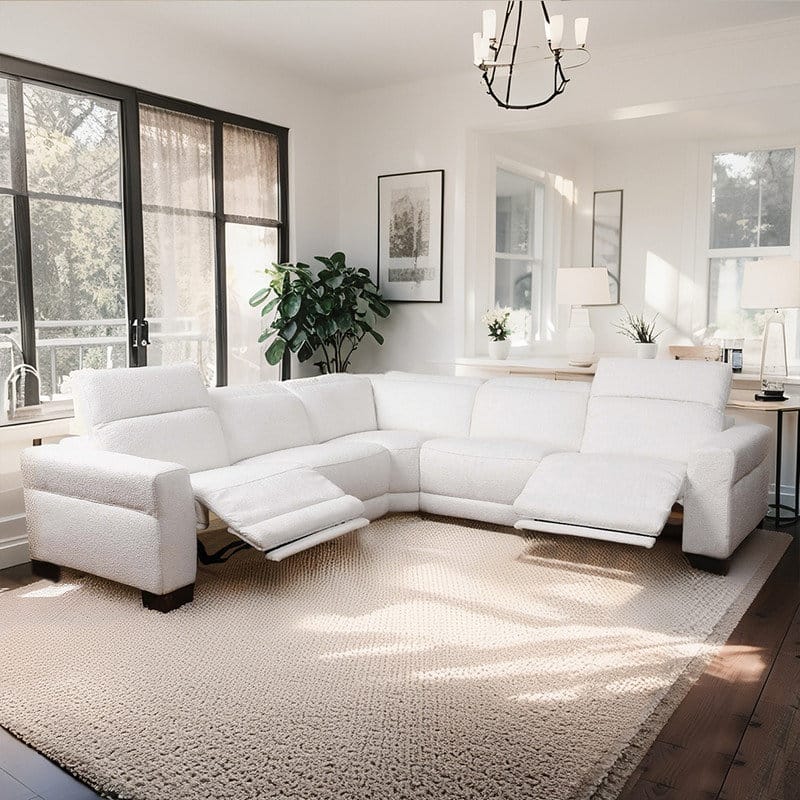
White leather sectionals. They're the epitome of chic, offering a clean and modern aesthetic that elevates any living space. And, let's be honest, they're also a magnet for spills, smudges, and the inevitable day-to-day mishaps of life. But, don't you worry. Owning a white leather sectional doesn’t have to be a constant source of stress. With the right know-how, you can conquer stains and keep your furniture looking pristine for years to come. This guide is your go-to resource for everything you need to know about cleaning, maintaining, and protecting your investment. Let's dive in.
So, you’ve taken the plunge and invested in a stunning white leather sectional. Good choice. It's a statement piece, a comfortable haven, and a testament to your great taste. But now what? White leather requires a bit more TLC than its darker cousins. Fear not; it’s totally manageable. This isn't just about cleaning; it's about understanding the nature of leather, the types of stains you might face, and the best ways to handle them. We'll cover everything from everyday upkeep to tackling those unexpected spills, ensuring your sectional remains a centerpiece you're proud of. Ready to become a white leather sectional whisperer? Let's begin.
Understanding Your White Leather: The Basics
Before you reach for any cleaning product, it's essential to know what you're dealing with. Not all leathers are created equal. The type of leather on your sectional will influence the best cleaning practices.
- Full-Grain Leather: This is the highest quality, most durable leather. It has a natural surface and is less likely to show wear and tear, but it also absorbs stains more easily.
- Top-Grain Leather: This is a slightly more processed type of leather, also high quality. It's often treated with a protective finish, making it more resistant to stains.
- Bonded Leather: This is made from leather scraps bonded together. It's the least expensive but also the least durable and most prone to cracking.
- Faux Leather (or Leatherette): This is a synthetic material that mimics leather. It's typically easier to clean and more stain-resistant than genuine leather.
Check your sectional's care instructions to determine the type of leather. This will provide important info about the correct cleaning agents and methods to use. If you're unsure, it's always wise to test any cleaning product in an inconspicuous area, like underneath a cushion, first.
Everyday Upkeep: Keeping Things Fresh
Preventative maintenance is key. Regular cleaning prevents dirt and grime from building up and becoming harder to remove. Here's what to do:
- Dust Regularly: Use a soft, dry cloth to dust your sectional at least once a week. This will remove loose dirt and prevent it from settling into the leather.
- Vacuum: Use a vacuum with a soft brush attachment to remove crumbs, pet hair, and other debris from the crevices and seams. This is especially important for sectionals with multiple cushions and pillows.
- Wipe Down Weekly: Wipe down the entire sectional with a damp (not wet) cloth dipped in a solution of mild soap (like baby soap or a specially formulated leather cleaner) and water. Always test in an unseen area first. Be sure to follow with a dry cloth to remove any residue and prevent water spots.
- Conditioning: Leather needs to stay moisturized to prevent cracking. Condition your sectional every 6-12 months, or as needed, using a leather conditioner. Follow the product's instructions carefully. This helps keep the leather supple and prevents it from drying out.
These simple steps will keep your sectional looking its best and make stain removal much easier when they do occur.
Tackling Stains: Your Stain-Fighting Arsenal
Stains happen. It's a fact of life. Here's a breakdown of how to handle some common culprits:
- Spills (Water, Soda, etc.): Act fast. Blot up the spill immediately with a clean, dry cloth. Don't rub, as this can spread the stain. If some stain remains, use a slightly damp cloth with a mild soap solution. Blot again and then dry.
- Food Stains: Scrape off any solid food gently with a dull knife or spatula. Then, use the mild soap solution and blot. For oily stains, try sprinkling baking soda on the area to absorb the oil. Let it sit for a few hours, then vacuum it up.
- Ink: Ink stains can be tricky. Try using a specialized leather ink remover, available at most leather goods stores. Always test it in a hidden area first. If you don't have a remover, try rubbing alcohol (again, test first!) on a cotton swab, blotting gently. Repeat until the stain lifts.
- Grease/Oil: Sprinkle baking soda on the stain and let it sit for several hours or overnight to absorb the grease. Vacuum it up. If the stain persists, try a leather degreaser, following the manufacturer's instructions.
- Pet Stains: These require immediate attention. Blot up as much of the stain as possible. Then, use a leather cleaner specifically designed for pet stains. Follow the product's instructions. You may want to consider professional cleaning for serious pet messes.
Important Note: Always test any cleaning product in an inconspicuous area first to ensure it doesn't damage or discolor the leather. If you're unsure about a stain, it's always best to seek professional cleaning rather than risk making it worse.
Products to Avoid: What NOT to Use
Some cleaning products can damage your white leather sectional. Avoid these at all costs:
- Harsh Chemicals: Bleach, ammonia, and other strong chemicals can strip the leather of its natural oils, leading to cracking and discoloration.
- Abrasive Cleaners: Avoid anything with a gritty texture, like scouring pads or abrasive cleaners. These will scratch the surface of the leather and potentially remove the finish.
- All-Purpose Cleaners: These often contain chemicals that are too harsh for leather. Stick to cleaners specifically designed for leather.
- Excessive Water: Too much water can damage leather. Always use a damp, not wet, cloth, and dry the area immediately.
Always read the labels on cleaning products and follow the manufacturer's instructions. When in doubt, err on the side of caution and consult a leather care professional.
Protecting Your Investment: Tips for the Long Haul
Beyond cleaning, there are steps you can take to protect your white leather sectional and extend its life:
- Apply a Leather Protectant: Consider using a leather protectant spray. This will help repel stains and make cleaning easier. Reapply as directed by the manufacturer.
- Avoid Direct Sunlight: Prolonged exposure to direct sunlight can fade and dry out leather. Position your sectional away from direct sunlight or use window coverings.
- Be Mindful of Sharp Objects: Keep sharp objects, such as keys or pet claws, away from the leather to prevent scratches and tears.
- Use Furniture Covers: If you have pets or small children, consider using a throw or furniture cover to protect the sectional from spills and wear and tear.
- Professional Cleaning: For stubborn stains or to give your sectional a deep clean, consider professional leather cleaning every 1-2 years, or as needed. This can help maintain the leather's appearance and condition.
When to Call in the Pros
Sometimes, despite your best efforts, a stain might prove too challenging to tackle. Don't hesitate to call in the professionals when:
- You have a stubborn, persistent stain that you can't remove.
- You're unsure about how to handle a particular stain.
- You want to give your sectional a deep, professional cleaning.
- You notice significant wear and tear or damage to the leather.
A professional leather cleaner has the expertise, tools, and products to safely and effectively clean and restore your sectional. It's an investment in preserving the beauty and longevity of your furniture.
Mistakes to Avoid
Here's a few common mistakes to steer clear of:
- Rubbing stains vigorously: This can spread the stain and damage the leather.
- Using the wrong cleaning products: Always use leather-specific cleaners.
- Delaying stain treatment: The quicker you act, the better the chances of successful removal.
- Ignoring the leather type: Not all leathers are the same, so know what you're working with.
- Not testing cleaning products first: Always test in an inconspicous area.
By avoiding these pitfalls, you'll increase your chances of keeping your white leather sectional looking its best.
Owning a white leather sectional doesn't have to be daunting. By understanding the basics of leather care, employing the right cleaning techniques, and taking preventative measures, you can keep your sectional looking stunning for years to come. Remember, consistency is key. Regular dusting, spot cleaning, and conditioning will go a long way in preserving the beauty of your investment. And don't be afraid to seek professional help when needed. With a little care and attention, your white leather sectional will remain a stylish and inviting centerpiece in your home, a space you can enjoy without constant worry. Happy cleaning, and here's to many years of enjoying your beautiful white leather sectional, stain-free or otherwise. You've got this; and remember, a little imperfection is part of the charm.
Related Posts
 Living Room
 Material science insights into premium leather durability
 Living Room
 The Evolution of Morrison Sectional Sofas in Modern Living Spaces
 Living Room
 Understanding the Appeal of Infinity Boucle Fabric in Modern Living Spaces
 Living Room
 Styling Your Home with the Sophisticated Pemberly Row Dark Gray Sectional
 Living Room
 Habitat Sectional Sofa Care Tips Keeping Your Investment Looking Brand New
 Living Room