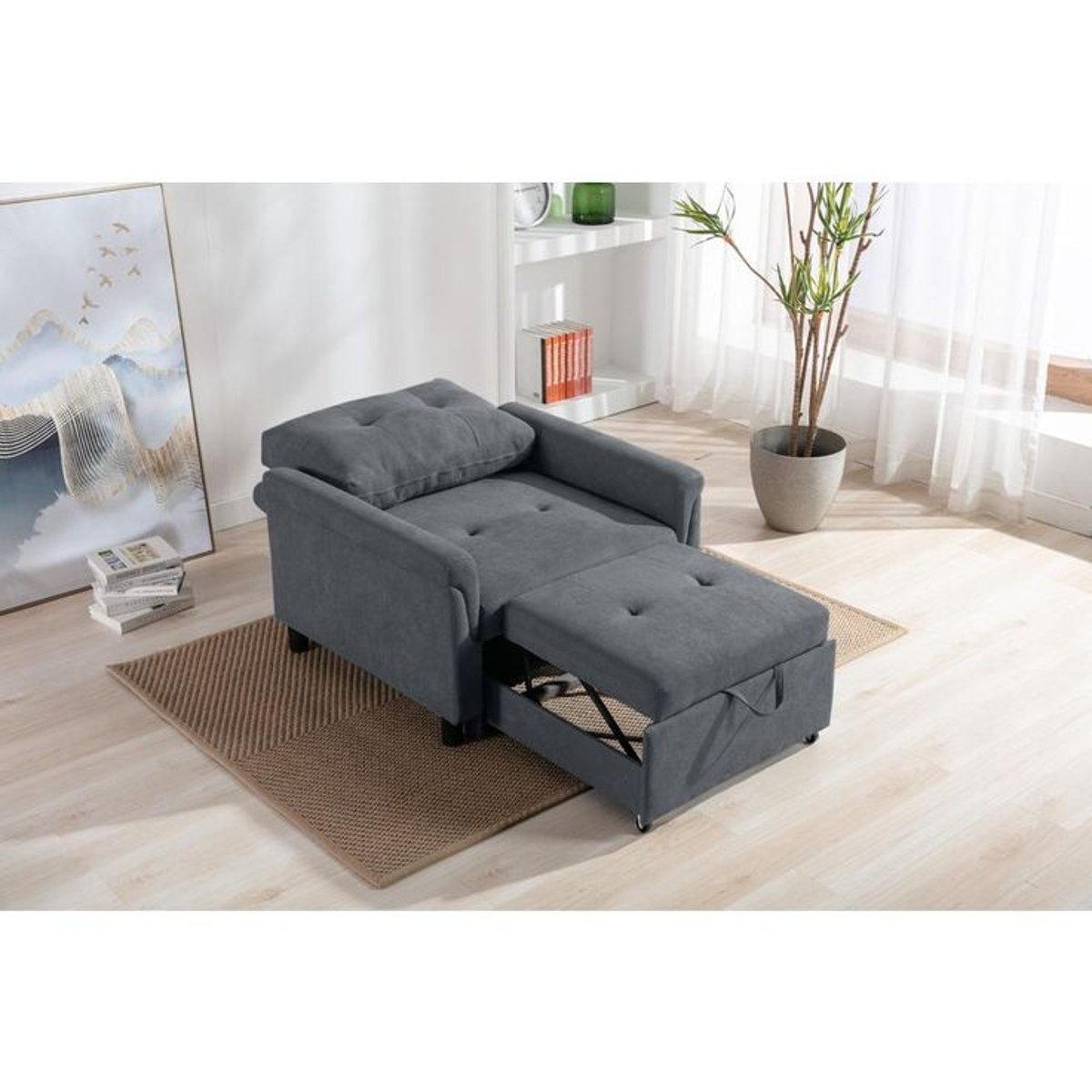
Hey fabric fanatics. It's your favorite guru, here, ready to talk about something near and dear to my heart: woven fabrics. Seriously, they are the backbone, and the beauty, of so much furniture. From the plush comfort of a sofa to the sturdy elegance of dining chairs, the right woven fabric is absolutely critical. Today, we're going to dig deep into what makes these fabrics tick, focusing on texture and durability – two key things to think about when you're furnishing your space. Ready to get woven in? Let's do this!
Choosing the right fabric for your furniture can feel a bit overwhelming, but it's an incredibly important choice. It impacts how your furniture looks, feels, and lasts. Woven fabrics offer a huge range of options, each with its own character and performance traits. They're created by interweaving yarns, and the way these yarns are woven dictates everything from the fabric's softness to its resistance to wear and tear. It is the fabric's architecture, if you will. We're going to break down the key things you need to know, so you can make informed decisions and create a home that's both beautiful and built to last. Let's start by understanding the different types, shall we?
Decoding the Weave: Understanding Different Fabric Structures
The weave is the heart of a woven fabric's character. It's the way the yarns are interlaced. There are several basic weave structures, and each creates a unique texture, look, and performance level.
- Plain Weave: This is the simplest weave, with yarns crossing over and under each other in a grid-like pattern. It's generally strong and stable, but it can also be prone to wrinkling. Examples include cotton sheeting and muslin. They are easy to identify.
- Twill Weave: Twill weaves create a diagonal pattern, often seen in denim and twill fabrics. They tend to be more durable and have a softer drape than plain weaves. The diagonal lines give the fabric a more subtle texture, and are typically more resistent to wrinkles.
- Satin Weave: Satin weaves have a smooth, lustrous surface because the yarns float over several others before interlacing. They're beautiful, but can be less durable and more prone to snagging. Think of satin sheets or some upholstery fabrics. This one is a luxury.
Understanding these basic weaves is the starting point for understanding a fabric's properties. It affects how it feels, how it wears, and how it looks.
Texture Tells a Tale: Exploring the Tactile Qualities of Woven Fabrics
The texture of a fabric is all about how it feels to the touch. This is significantly influenced by the weave, the yarn type, and any surface treatments. Texture plays a huge role in the overall aesthetic and comfort of your furniture.
- Smooth Textures: Fabrics like satin or tightly woven cottons offer a smooth, sleek feel. They're great for a modern, minimalist look.
- Rough Textures: Fabrics with a more pronounced texture, like those with a slub yarn (yarn with deliberate irregularities), add visual interest and a more casual vibe. Think linen or some textured bouclé fabrics.
- Pile Fabrics: Fabrics like velvet and corduroy have a raised surface, creating a plush and luxurious feel. They can add warmth and a touch of elegance to any space.
Consider the texture in relation to the function of your furniture. A super-smooth fabric might not be ideal for a family sofa, while a rougher texture might be perfect for a hard-wearing ottoman. Think about it.
Yarn Matters: Fiber Types and Their Impact on Durability
The fibers used to make the yarns have a massive impact on a fabric's durability, and its other qualities like comfort, and cleanability. Different fibers bring different strengths and weaknesses to the table.
- Natural Fibers:
- Cotton: A popular choice, cotton is comfortable and breathable, but can be prone to wrinkling and fading. Look for treated cottons for better stain resistance.
- Linen: Linen is strong, durable, and gets softer with each wash. It has a beautiful, natural texture, but it wrinkles easily. It's a good choice for furniture that isn't heavily used.
- Wool: Wool is naturally stain-resistant, resilient, and flame-retardant. It's a great choice for upholstery, but can be pricier.
- Silk: Luxurious and beautiful, silk is delicate and requires careful cleaning. It's best suited for decorative pieces or furniture that doesn't get heavy use.
- Synthetic Fibers:
- Polyester: Polyester is durable, stain-resistant, and fade-resistant. It's a budget-friendly option that's often blended with other fibers.
- Nylon: Nylon is known for its strength and abrasion resistance. It's often used in high-traffic areas.
- Acrylic: Acrylic is designed to mimic the look and feel of wool. It's often more affordable and can be a good option for outdoor furniture.
Think about where your furniture will be placed and how it will be used when choosing the fiber. High-traffic areas need tougher fabrics.
Abrasion Resistance: The Measure of a Fabric's Endurance
Abrasion resistance is a key indicator of how well a fabric will hold up to wear and tear. It's measured using the Wyzenbeek test (also known as the double rub test). The higher the number of rubs, the more durable the fabric. This number tells you how many times a fabric can withstand the abrasion test before showing significant wear.
- Light Duty: Fabrics with less than 15,000 double rubs are suitable for decorative use or furniture that doesn't get much use.
- Medium Duty: Fabrics with 15,000-30,000 double rubs are good for general residential use.
- Heavy Duty: Fabrics with 30,000+ double rubs are designed for high-traffic areas, like family rooms or commercial settings. This is the one you want for the sofa the kids jump all over.
Always check the abrasion rating before purchasing furniture, especially if you have kids, pets, or plan to use the furniture frequently.
Stain Resistance and Cleanability: Keeping Your Fabrics Looking Fresh
Let's be real: spills happen. Choosing a fabric with good stain resistance is a must. Many fabrics are treated with stain-resistant finishes, which helps to repel liquids and prevent stains from setting in. Check for these finishes, and consider the ease of cleaning.
- Water-Based Stains: Look for fabrics that are treated to resist water-based stains like juice or coffee. Many synthetic fabrics are naturally stain-resistant.
- Oil-Based Stains: Oil-based stains (like grease or makeup) are harder to remove. Consider fabrics that can be spot-cleaned or professionally cleaned.
- Cleaning Codes: Pay attention to cleaning codes (W, S, WS, X) on the fabric label. These codes tell you what cleaning methods are safe for the fabric.
Regular maintenance, like vacuuming and spot cleaning, can extend the life and look of your furniture. Consider a fabric protector spray for added protection.
Putting It All Together: Choosing the Right Woven Fabric
Now that we've covered the basics, how do you choose the right fabric for your furniture? It's about balancing all these factors to find the perfect match for your needs. Consider the following:
- The Furniture's Use: Where will the furniture be placed, and how will it be used? A sofa in a living room used every day requires a different fabric than a decorative armchair in a guest room.
- Your Lifestyle: Do you have kids, pets, or a busy life? If so, durability and stain resistance should be top priorities.
- Your Design Aesthetic: What look are you going for? The fabric's texture, color, and pattern should complement your overall design scheme.
- Your Budget: Fabric prices vary widely. Set a budget and explore options within that range.
Don't be afraid to get samples. Touch, feel, and test the fabrics before you commit. Take the time to find the perfect fabric and you'll be rewarded with furniture that you love for years to come.
Fabric Selection Checklist
Here is a handy checklist to guide your fabric selection process:
- Intended use: (e.g., High-traffic living room, decorative bedroom chair)
- Durability requirements: (e.g., High abrasion resistance, stain-resistant)
- Fiber type: (e.g., Polyester for stain resistance, linen for breathability)
- Weave structure: (e.g., Twill for durability, satin for luxury)
- Texture preference: (e.g., Smooth, rough, pile)
- Cleaning requirements: (e.g., Spot clean, professional cleaning)
- Budget: (e.g., Price per yard)
- Aesthetic goals: (e.g., Color, pattern, style)
Use this checklist to narrow your options and choose the right fabric.
So, there you have it, all you need to know about woven fabrics! From the intricate dance of the weave to the feel of the fibers, understanding these elements empowers you to make smart, stylish choices for your furniture. Remember, the right fabric can transform your space and bring you years of comfort and enjoyment. Take your time, do your research, and don't be afraid to experiment. The perfect fabric is out there, waiting to be discovered. Happy decorating, and happy weaving!
Related Posts
 Living Room
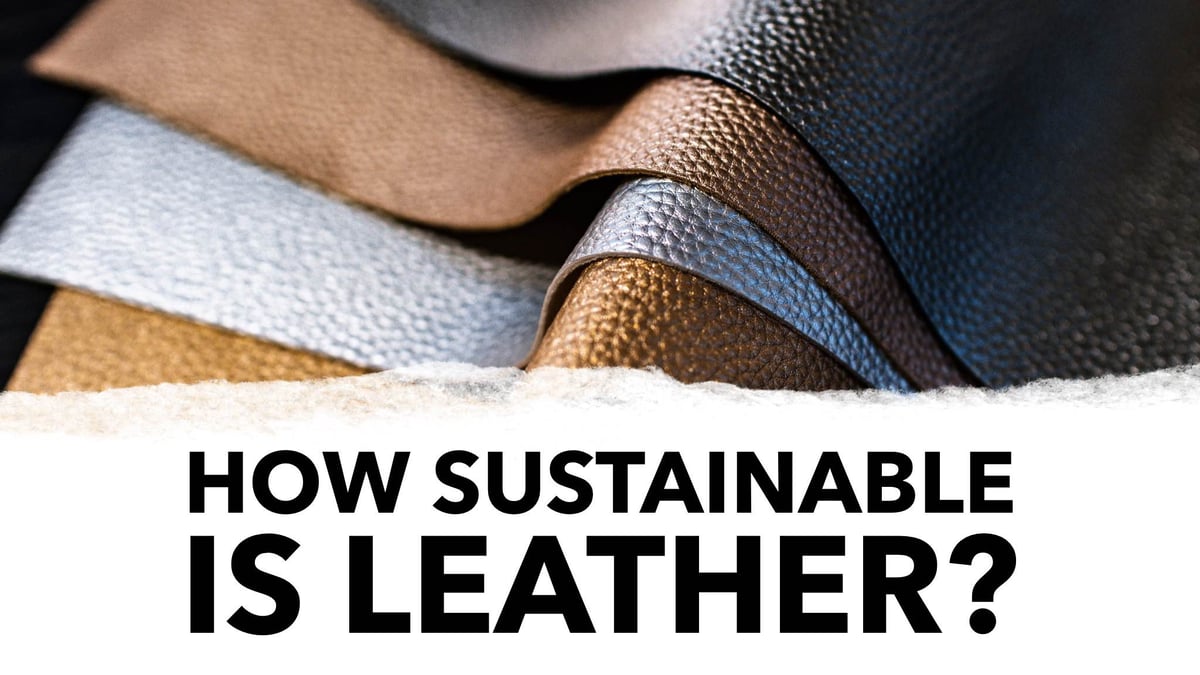
 Material science insights into premium leather durability
 Living Room
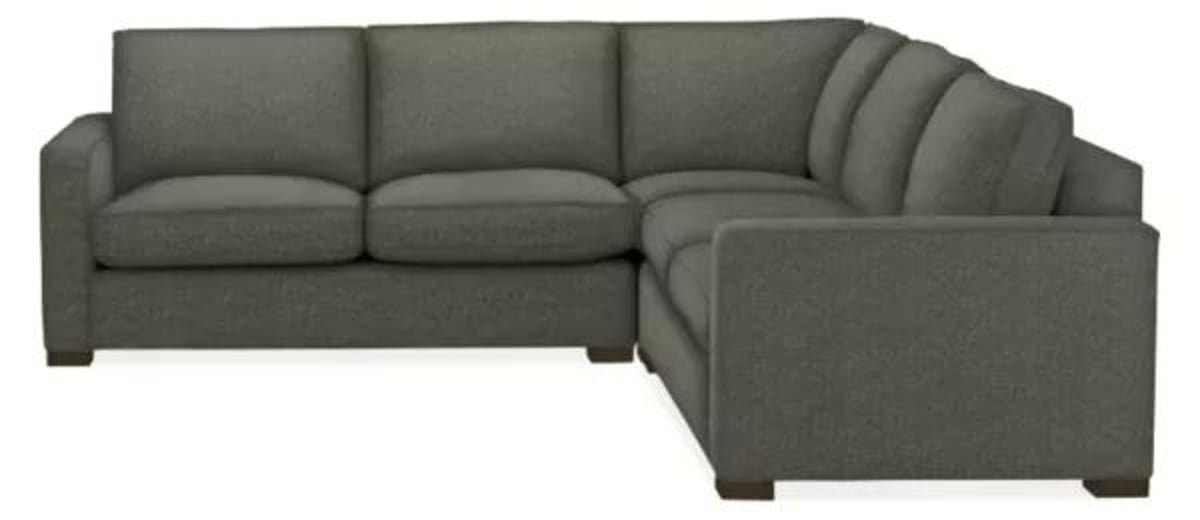
 The Evolution of Morrison Sectional Sofas in Modern Living Spaces
 Living Room
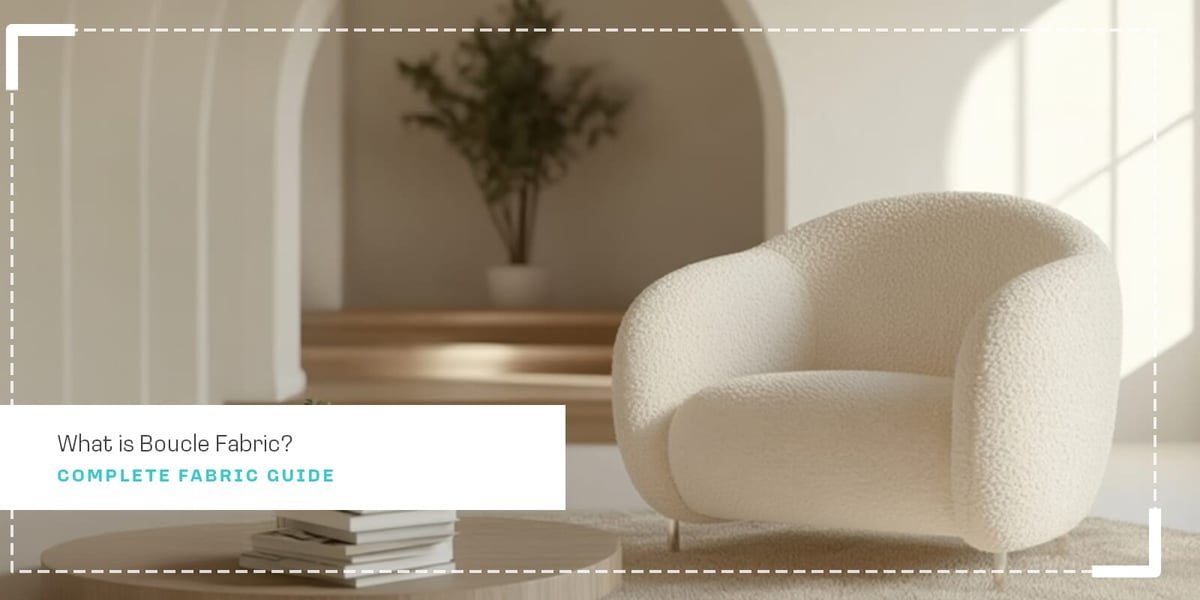
 Understanding the Appeal of Infinity Boucle Fabric in Modern Living Spaces
 Living Room
 Styling Your Home with the Sophisticated Pemberly Row Dark Gray Sectional
 Living Room
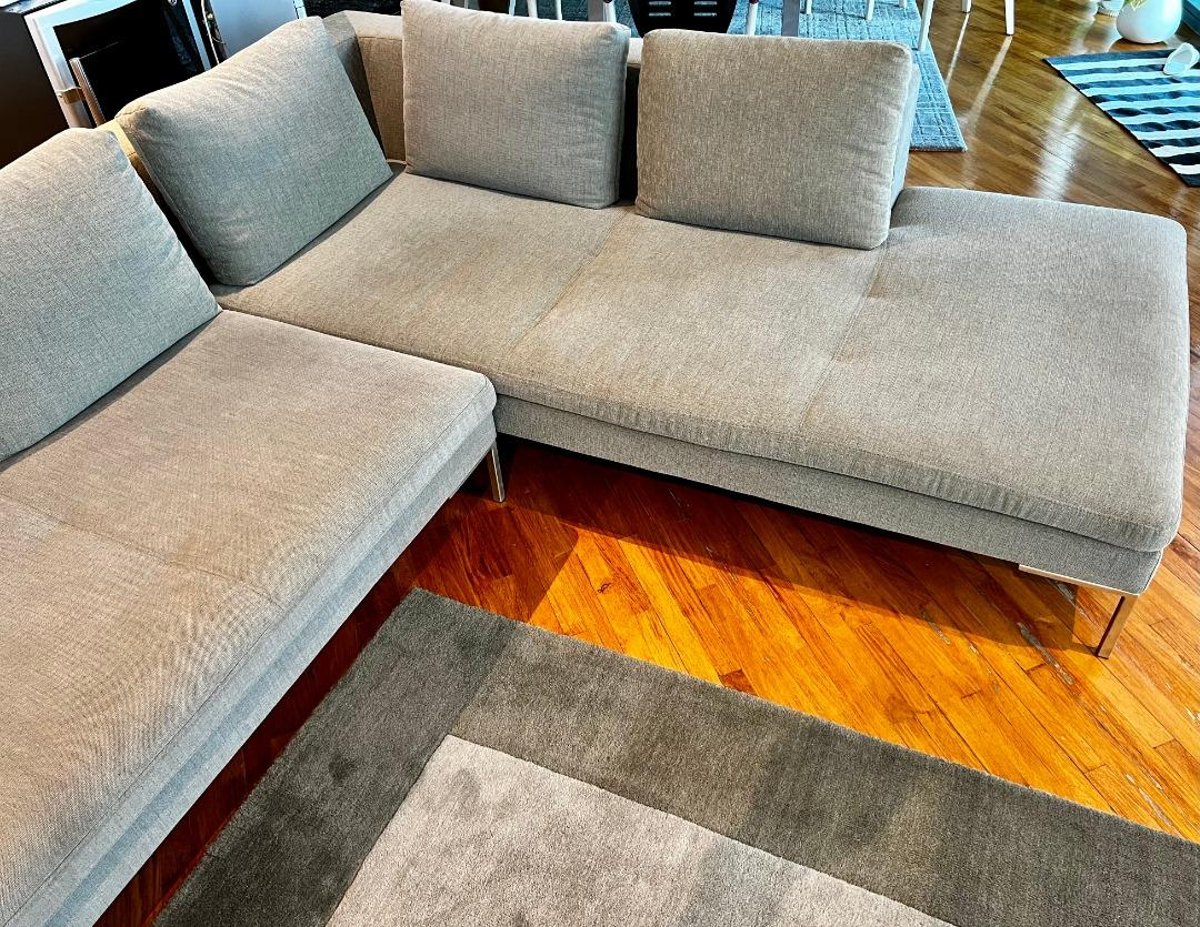
 Habitat Sectional Sofa Care Tips Keeping Your Investment Looking Brand New
 Living Room