
Imagine having your elderly parents or grown children live right in your home, close enough to share meals and holidays, yet private enough to maintain their own space. This isn't just a dream anymore – it's becoming a reality for many families across the country. In-law suites, also called accessory dwelling units or ADUs, are transforming how we think about family living and home design. These separate living spaces within a main house offer incredible flexibility and practical benefits that extend far beyond simple extra bedrooms.
In today's world, where family dynamics are shifting and housing costs soar, many homeowners are discovering that adding an in-law suite to their existing home can solve multiple problems at once. Whether you're caring for aging parents, wanting to provide housing for adult children, or simply looking for a way to generate some extra income, in-law suites offer a versatile solution. But what exactly makes these designs so appealing? How do you properly plan one? What are the real-world benefits and challenges? Let's dive into all of this together.
What Are In-Law Suites?
In-law suites are essentially separate living spaces built within or attached to a primary residence. They typically include a kitchen, bathroom, and sleeping area, and can range from simple converted attic spaces to fully finished basement apartments. The term 'in-law' comes from the fact that these spaces were originally designed to accommodate family members, particularly in-laws, though they're now used for various purposes including elderly care, young adults, or even rental income. These setups allow family members to live independently while remaining part of the larger household, offering privacy, convenience, and often significant cost savings compared to traditional housing options. Think of them as mini-apartments tucked inside your main house – complete with their own entrance, utilities, and living amenities.
Benefits of Adding an In-Law Suite
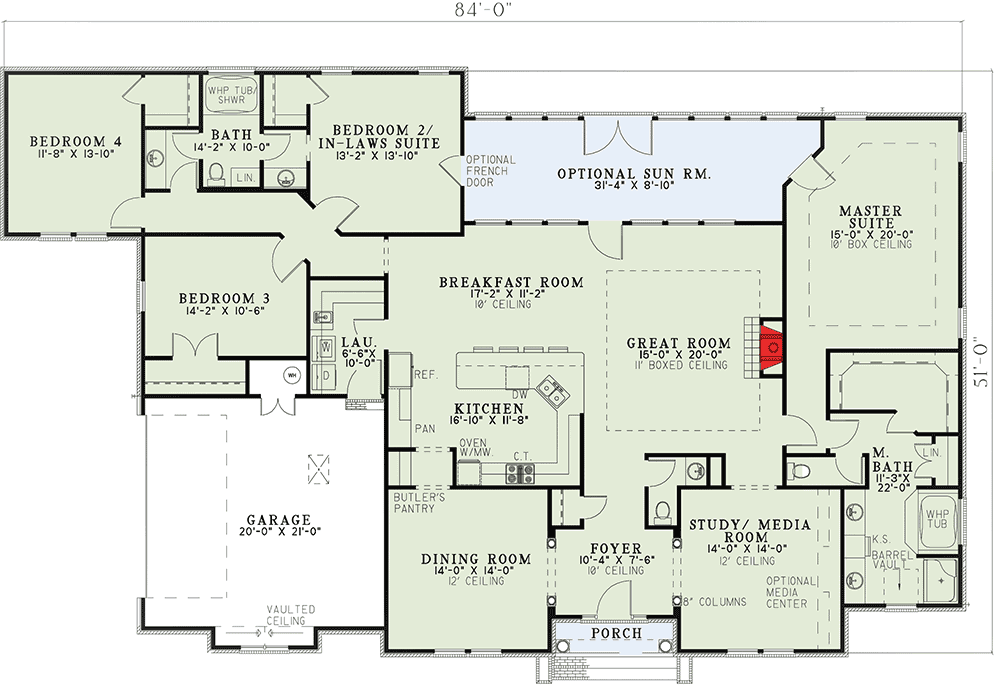
The advantages of incorporating an in-law suite into your home design are numerous and impactful. Here's what makes these additions so popular:
Consider this scenario: A couple in their 60s wants to stay in their home but needs assistance with daily tasks. An in-law suite provides a place for a caregiver to live on-site, ensuring round-the-clock support while keeping the senior's dignity intact. Meanwhile, the couple maintains their independence and enjoys the companionship of family members nearby.
Popular Design Approaches
There are several ways to incorporate in-law suites into your home design, each with its own unique characteristics:
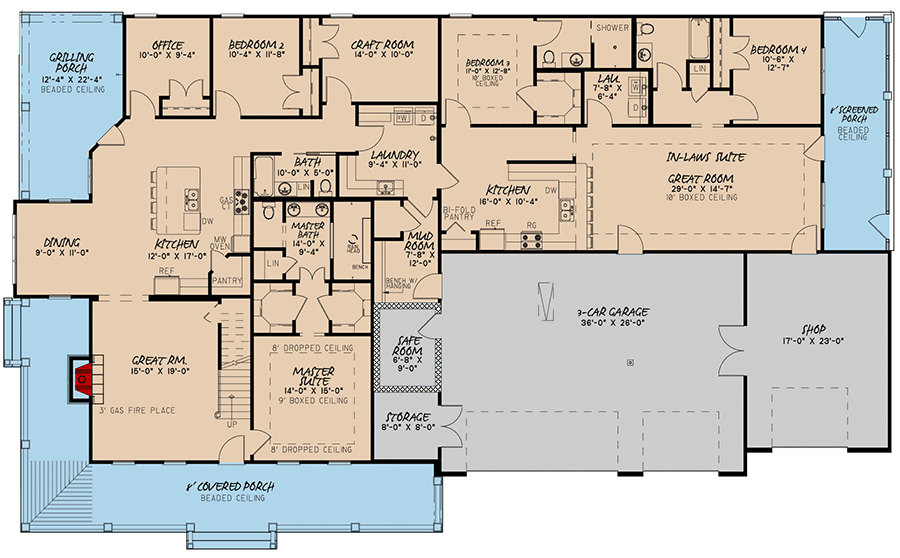
Each method has its pros and cons. Basement conversions offer easy access and good insulation, while attic spaces might require additional structural work but provide excellent views. Side additions give the most privacy but require more construction work and space. Garage conversions can be cost-effective but may have limited natural light.
Key Planning Considerations
Before diving into your in-law suite project, there are several critical factors to consider:
For example, if you're planning to convert your basement, you might discover that your home's foundation requires reinforcement before proceeding. Or perhaps your local building codes require a minimum ceiling height that your current basement doesn't meet. These details matter because they can dramatically impact both your timeline and budget.
Space Layout Essentials
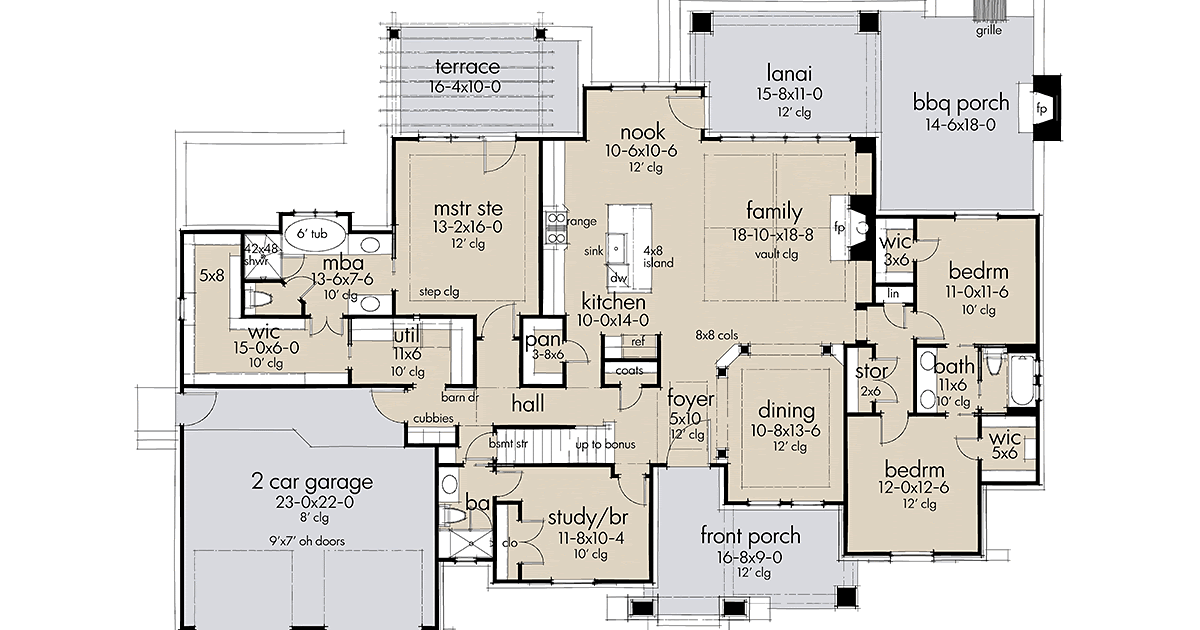
When designing an in-law suite, thoughtful layout planning creates a comfortable and functional space. Here's what to focus on:
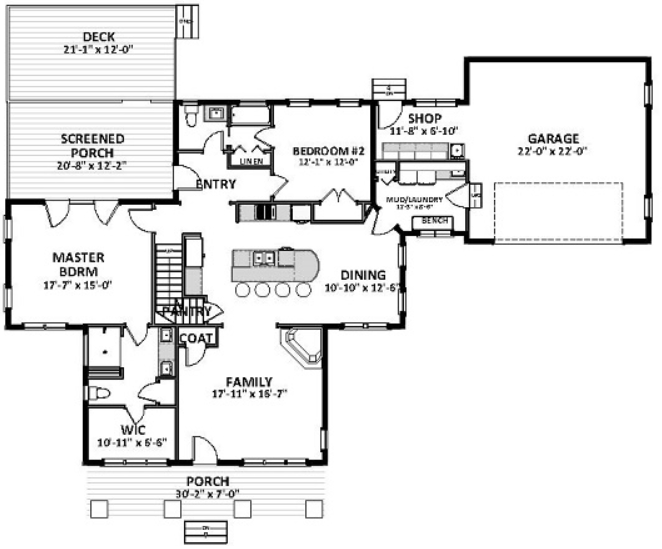
A well-designed suite should feel like a true home, not just a room in a house. Think about how someone would actually live there – where they'd put their furniture, how they'd move around, and what they'd need for daily routines. For instance, a corner of the basement might become a cozy study with a small desk, bookshelf, and comfortable chair – perfect for someone who wants to work from home or pursue hobbies.
Cost Factors and Budgeting
The investment required for an in-law suite varies widely based on several factors:
On average, a basic basement conversion might cost $15,000 to $30,000, while a full attic conversion could run $30,000 to $60,000. However, these figures can easily double if you want high-end finishes or if your home requires extensive structural work. It's wise to set aside 10-20% of your total budget for unexpected expenses. Some homeowners find that the increased property value and potential rental income can offset these costs within a few years.
Legal and Regulatory Requirements
Navigating local laws and regulations is crucial when planning an in-law suite. Every area has different rules about:
For example, some cities require that in-law suites meet specific accessibility standards for elderly residents, while others have maximum square footage limits. Others might require that the suite be completely separated from the main living area, with no shared walls or common spaces. Understanding these requirements upfront can save you from costly mistakes later in the process.
Real-World Examples and Success Stories
Let's look at some practical examples that show how in-law suites can work beautifully in real situations:
These stories show how flexible and adaptable in-law suites can be. Each family had different needs and budgets, but they all found successful solutions that worked for their particular situation.
Maintenance and Long-Term Care
Once your in-law suite is complete, ongoing maintenance becomes important for keeping it functional and attractive:
Think about how you'll manage the space over time. Will you be living in the main house and visiting regularly? Or will you be managing it remotely? These decisions influence how you approach maintenance and what kind of systems you choose to install. Some families find that establishing a regular maintenance schedule helps prevent bigger problems down the road, saving money and stress in the long run.
Future-Proofing Your Design
Good in-law suite design considers future needs and changes in family dynamics:
For instance, a suite designed with elderly care in mind might include grab bars, non-slip flooring, and easy-to-reach appliances. But it could also be reconfigured for younger family members who might want a home office or creative workspace. The key is designing with versatility rather than rigid purpose, allowing the space to serve multiple generations and stages of life.
Making the Right Choice for Your Situation
Deciding whether an in-law suite is right for you involves considering several personal factors:
This isn't just a home improvement project – it's a family decision that affects everyone involved. Take time to discuss your options with family members and consider consulting with professionals who specialize in home design and renovation. Sometimes the best approach is to start small and expand later, or to consider alternatives like converting existing spaces rather than building new additions.
In-law suites represent more than just extra living space – they're a practical response to changing family dynamics and housing needs. Whether you're planning to care for aging parents, provide housing for adult children, or simply want to maximize your home's potential, these designs offer flexibility and value that's hard to match. The key is understanding your specific situation, researching local requirements, and working with professionals who can help bring your vision to life. With proper planning and execution, an in-law suite can become a cornerstone of family life, providing comfort, security, and financial benefit for years to come. The investment in time and resources pays off not just in property value, but in the peace of mind that comes from knowing your family is supported and cared for in a way that works for everyone involved.


