
Imagine waking up every morning in a home that feels spacious and welcoming, even though it's only 15 feet wide. That's exactly what a well-designed narrow four-bedroom house can offer. These compact living spaces might seem like a challenge at first glance, but they're actually opportunities for creative architecture and smart planning. With thoughtful layouts, clever storage solutions, and strategic design choices, families can enjoy all the benefits of a four-bedroom home without sacrificing comfort or style.
In today's world where land prices soar and urban populations grow, narrow house plans have become increasingly popular. A narrow four-bedroom home presents unique challenges and exciting possibilities. These homes typically range from 12 to 20 feet in width, yet still manage to accommodate four bedrooms, a kitchen, bathroom, and living areas. What makes these designs particularly fascinating is how they push architects and homeowners to think differently about space. The key lies in maximizing every inch while creating a flow that feels natural and comfortable. Whether you're considering building or renovating, understanding the principles behind successful narrow four-bedroom layouts can transform your vision into reality.
Understanding the Narrow House Challenge
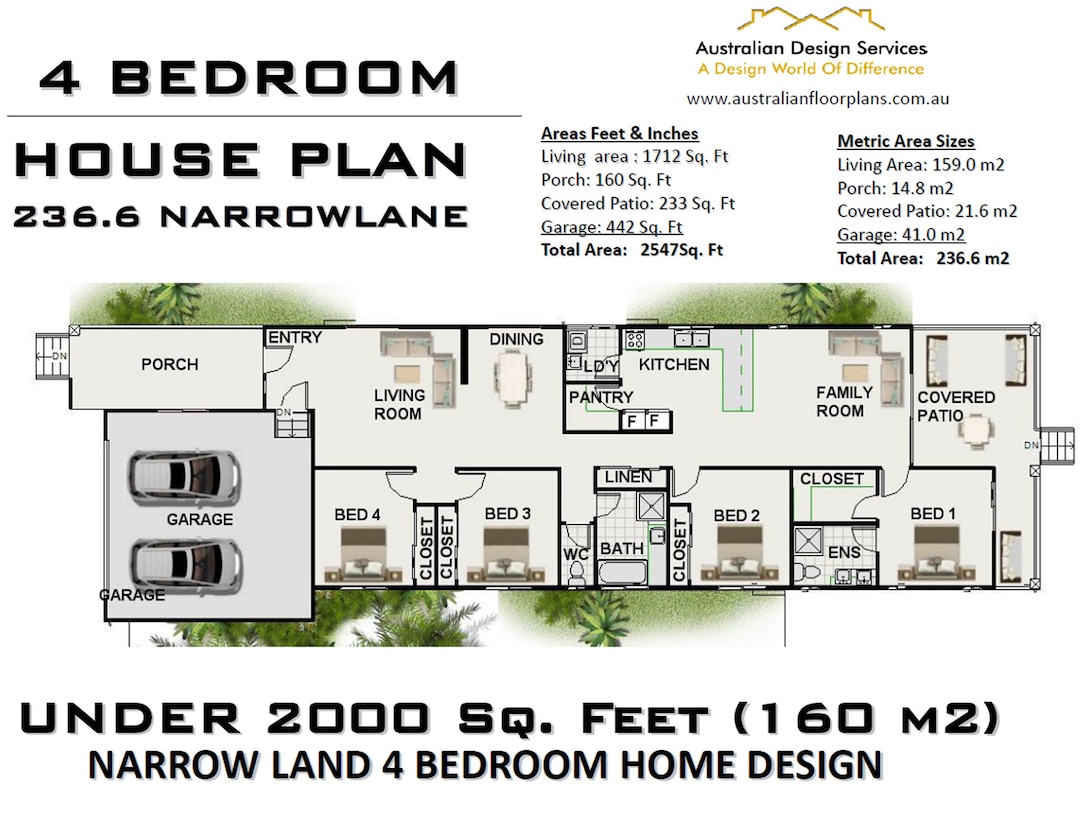
Narrow homes present several interesting obstacles that designers must overcome. The most obvious is the limited width, which affects everything from natural light to airflow. Think about it - when your house is only 15 feet across, you're essentially working within a very tight envelope. This means that traditional layouts often don't work as expected. The challenge becomes how to create separate zones for different activities without making the space feel cramped. For example, having a kitchen that's too close to bedrooms can create noise issues and privacy problems. But here's the thing: these constraints often lead to some of the most innovative and efficient designs imaginable.
Strategic Room Placement and Flow
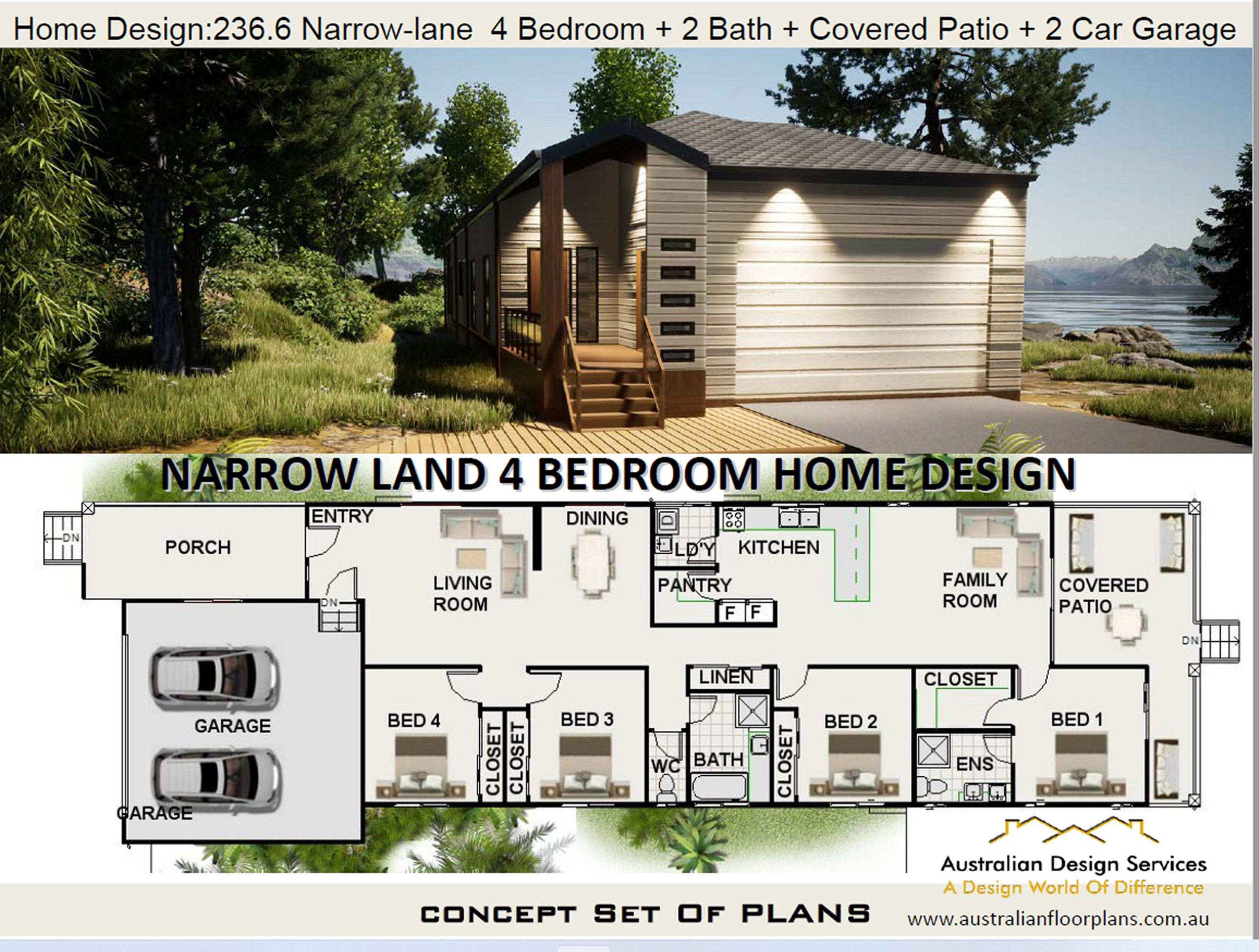
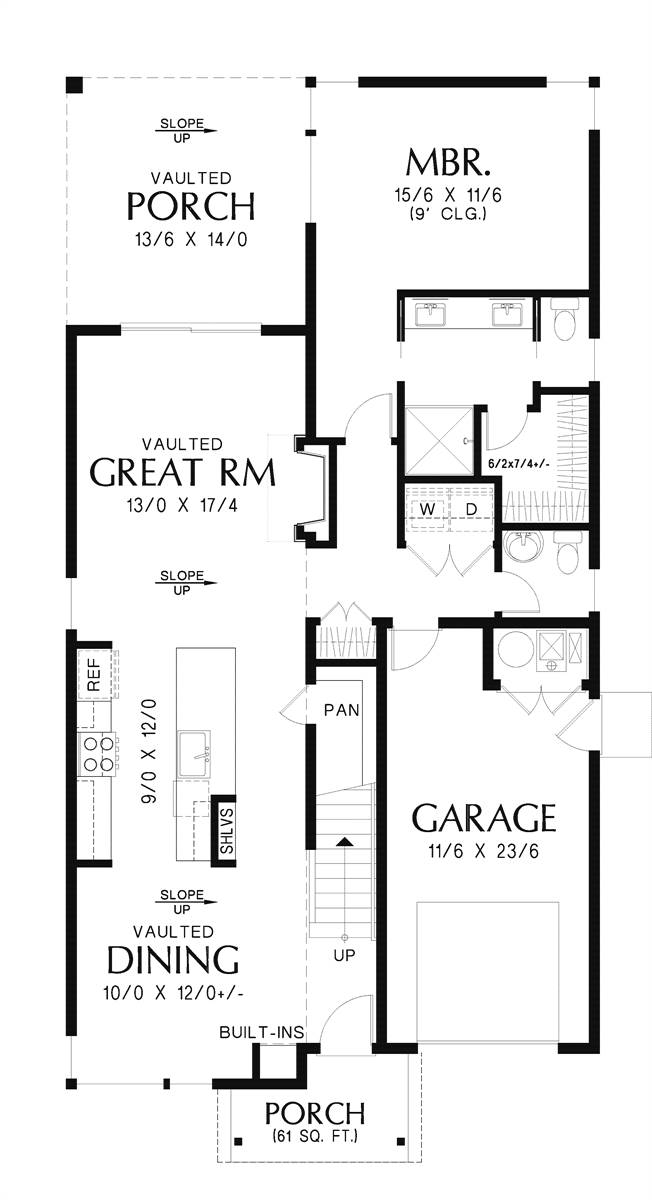
The heart of any successful narrow four-bedroom plan lies in how rooms are arranged. Consider the typical layout where bedrooms are positioned at opposite ends, with the living areas in the center. This creates a natural flow that keeps the main activity areas open and connected. Bedrooms don't necessarily need to be the largest spaces, but they do require adequate privacy and quiet. Many designers opt for a master suite that takes up the entire back portion of the home, while smaller bedrooms are tucked away in front sections. This approach allows for better sound control and helps create distinct zones within the limited space.

Maximizing Natural Light and Ventilation
One of the biggest concerns with narrow homes is the lack of natural light. However, there are several techniques that can make a significant difference. Large windows placed strategically can bring in sunlight and make small spaces feel much larger. Skylights and light wells can be particularly effective in narrow designs, especially when the home has a central hallway or atrium. Cross-ventilation becomes crucial when dealing with limited width. Designers often incorporate features like operable windows on both sides of the home to create airflow that moves naturally through the space. Sometimes, the solution is as simple as ensuring that no room is completely boxed in.
Creative Storage Solutions
Storage in narrow homes requires a different mindset than what we're used to in larger spaces. The key is thinking vertically and using every available surface. Built-in storage systems that run along walls can provide ample space for clothes, books, and household items without taking up floor space. Consider Murphy beds that fold away during the day, or furniture that doubles as storage units. In some cases, designers create hidden storage spaces under stairs or in corners that would otherwise go unused. The goal isn't just to store things, but to make the home feel clutter-free and organized.
Kitchen Design in Tight Spaces
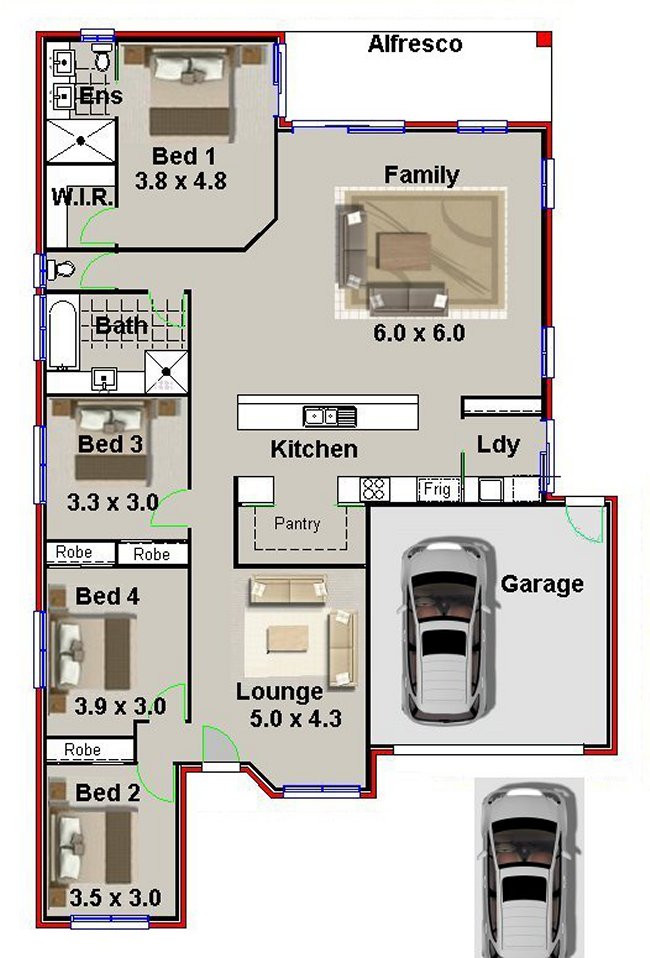
Kitchens in narrow homes demand special attention because they're often the most active part of the house. The island concept works beautifully here, providing extra counter space and serving as a visual separator between the cooking area and dining space. However, the island needs to be carefully sized to avoid making the kitchen feel cramped. Sometimes, the kitchen is designed as a U-shape that wraps around a small center area. This layout maximizes workflow while keeping the space feeling open. Smart appliances and multi-functional furniture can also help keep the kitchen functional and uncluttered despite limited square footage.
Building Practical Tips and Considerations
When constructing a narrow four-bedroom home, there are several practical aspects to consider. First, ensure that your foundation and framing can support the structure properly. Narrow homes often require more precise engineering due to their limited dimensions. Electrical and plumbing work needs careful planning to avoid conflicts in tight spaces. Consider the impact of local building codes and zoning restrictions, as these can vary significantly between areas. Also, think about future flexibility - will the home easily accommodate changes in family size or lifestyle? Finally, budget considerations are important, as specialized designs may require additional investment in custom elements and materials.
Narrow four-bedroom homes represent more than just architectural challenges - they're opportunities to create innovative, efficient living spaces that work perfectly with modern lifestyles. The key is embracing the limitations rather than fighting them. When thoughtfully designed, these homes can offer all the comfort and functionality of larger houses while being more sustainable and economical to maintain. The beauty of narrow designs lies in their ability to force us to prioritize what truly matters in our daily lives. Every room, every window, every piece of furniture must earn its place in the space. This creates homes that are not only practical but also deeply personal, reflecting the unique needs and preferences of their inhabitants. Whether you're designing a new home or renovating an existing one, remember that the best narrow four-bedroom plans are those that make you feel comfortable, organized, and happy in every corner of your living space.


