
Imagine having your grown children, parents, or even extended family members living right under your roof. It's not just a dream anymore – it's becoming a smart housing strategy. In-law suites are transforming how families think about space, privacy, and togetherness. These separate living areas within a main house offer the perfect balance between family connection and personal independence.
In recent years, we've seen a significant shift in how families approach housing and living arrangements. With rising housing costs, changing family dynamics, and the desire for intergenerational support, in-law suites have emerged as a popular solution. These self-contained living spaces offer a way to provide housing for family members while maintaining individual privacy and autonomy. Whether you're planning a new construction project or remodeling an existing home, understanding the ins and outs of in-law suite design is crucial. From layout considerations to legal requirements, let's explore what makes these spaces work so well for modern families.
What Are In Law Suites?
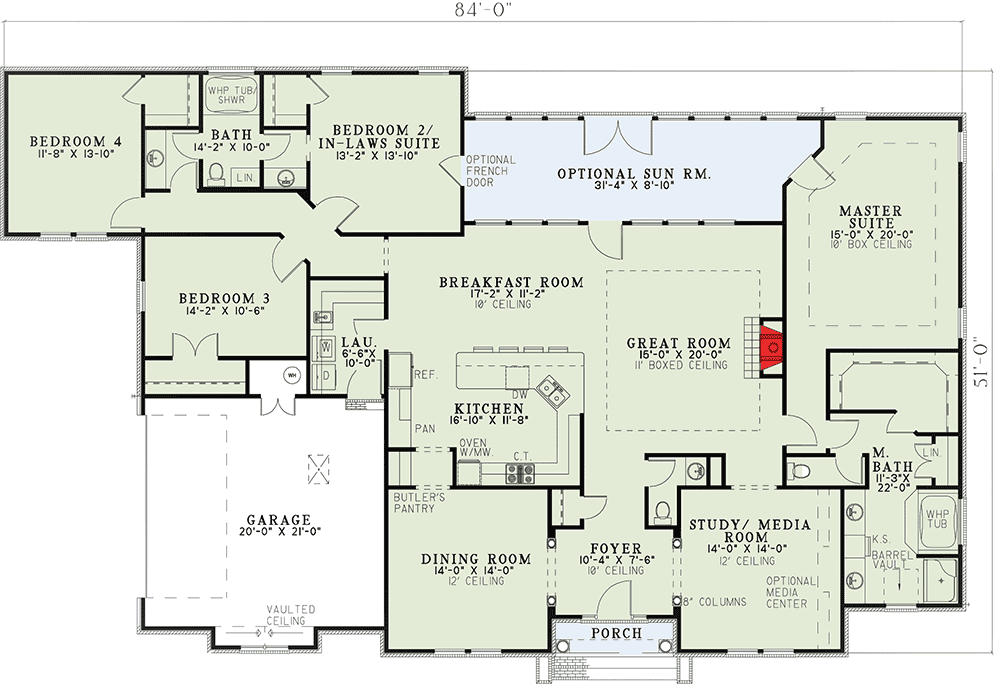
An in-law suite is essentially a separate living unit within a larger home. Think of it as a mini-apartment or detached accessory dwelling unit (ADU) that's connected to the main house. These spaces typically include their own kitchen, bathroom, bedroom, and living area. They're designed to function independently while remaining part of the larger property. The term 'in-law' comes from the idea that these spaces were originally meant for in-laws to live with married children. Today, they serve many purposes – from elderly parents needing assistance to adult children wanting to save money on rent or housing costs.
The beauty of in-law suites lies in their flexibility. They can be built as separate structures, converted from existing spaces like basements or attics, or integrated directly into the main house. The key is creating a functional space that feels both independent and connected to the rest of the home.
Benefits of Including an In Law Suite
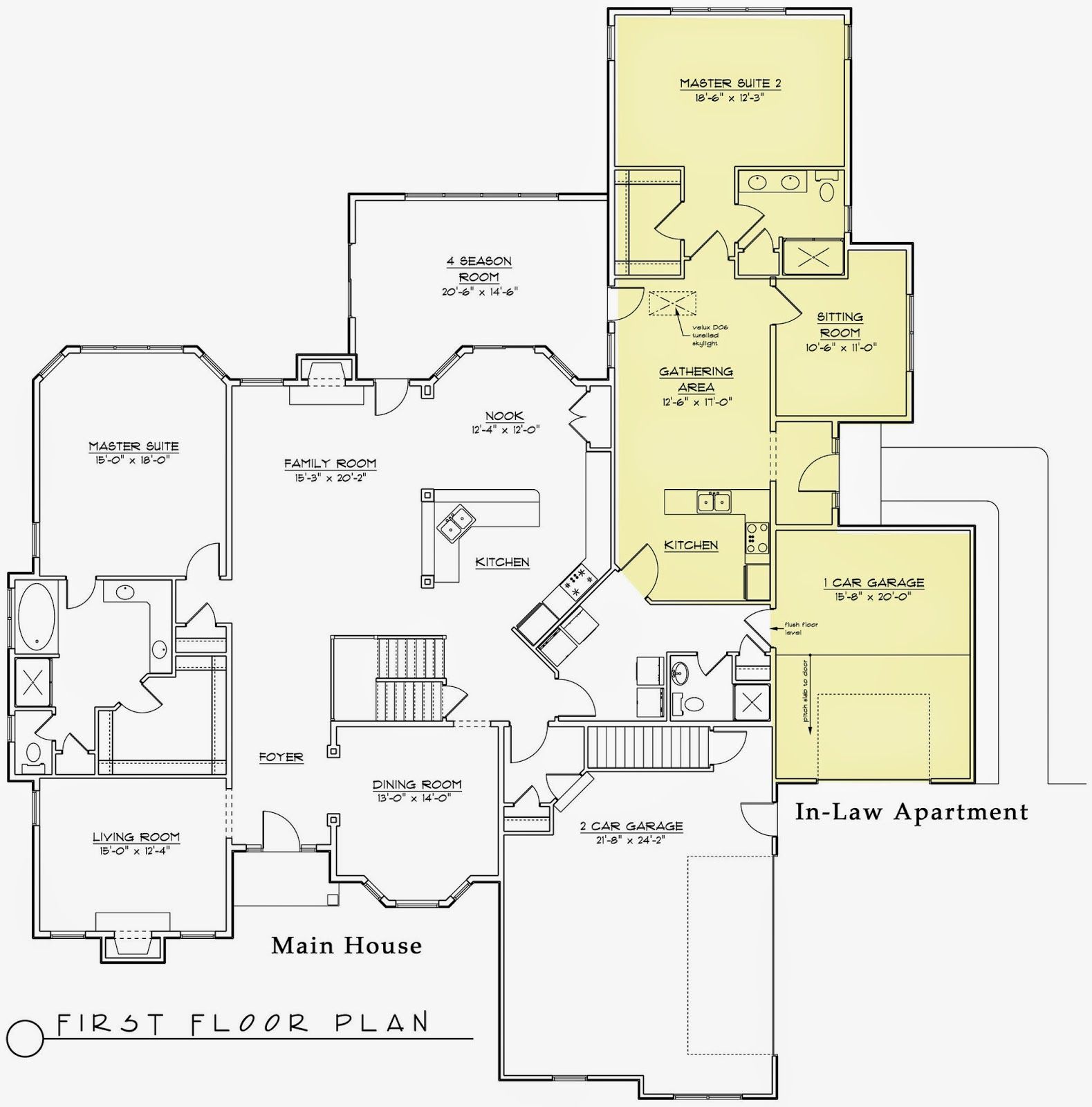
There are numerous advantages to incorporating an in-law suite into your home design:
Many homeowners find that the investment pays off quickly through reduced housing expenses and increased property appeal. Plus, there's something deeply satisfying about creating a space where loved ones can thrive together.
Key Design Considerations
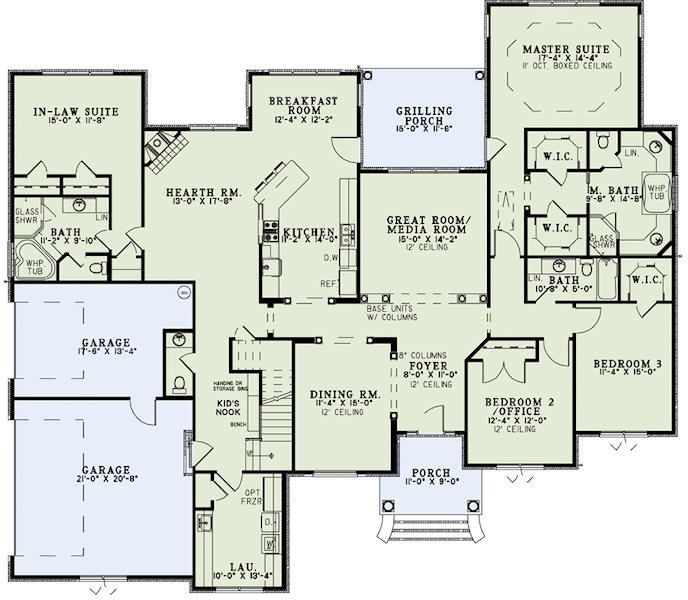
When designing an in-law suite, several important factors must be addressed:
Consider how the suite will connect to the main house. Will it share walls? How will utilities be managed? These decisions shape both the functionality and cost of the project. Some families prefer suites that open directly into the main house for easy access, while others opt for completely separate entrances for maximum privacy.
Popular Layout Options
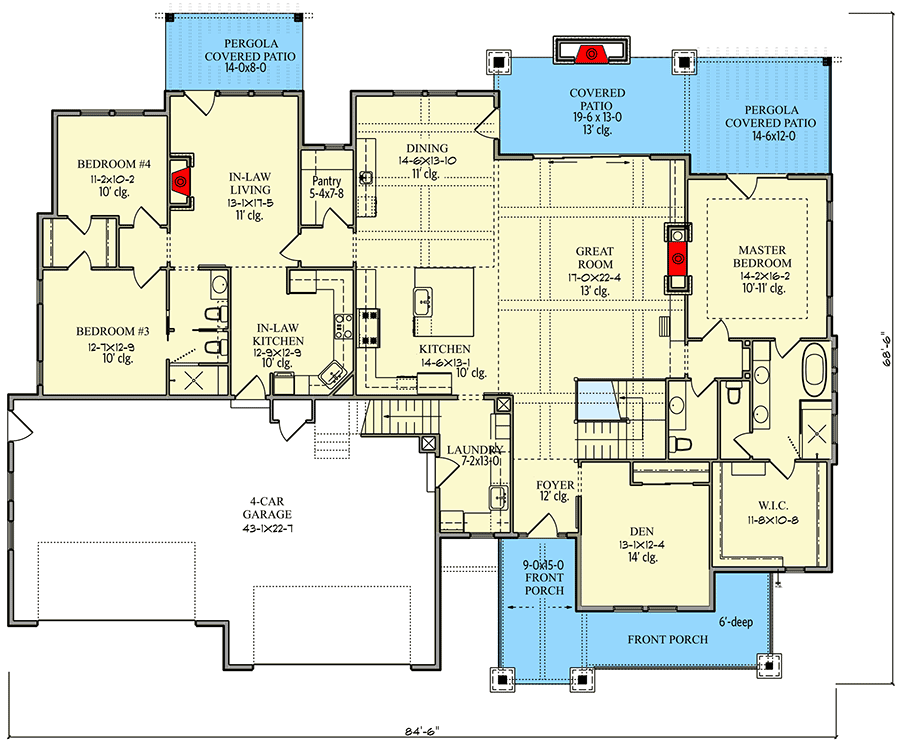
There are several effective approaches to designing in-law suite layouts:
Each approach offers different benefits and challenges. Basement suites often provide the most privacy and are usually the most affordable, while backyard structures offer maximum independence. Side additions can create the most integrated feeling with the main house. The choice depends largely on your property layout, budget, and desired level of separation between spaces.
Legal and Regulatory Requirements
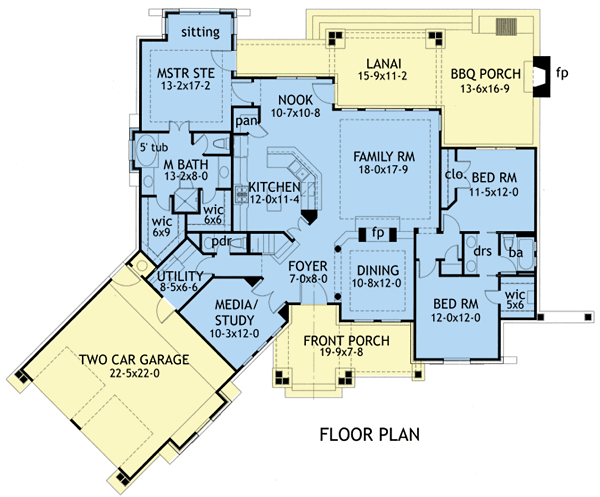
Before diving into any in-law suite project, understanding local laws and regulations is absolutely crucial. Building codes, zoning restrictions, and permit requirements vary dramatically from one location to another. Some areas embrace ADUs enthusiastically, while others have strict limitations or outright bans on secondary housing.
Important considerations include:
Don't assume that what works in one neighborhood will work in another. Always consult with local building officials and possibly hire a professional to navigate the regulatory landscape. The upfront investment in proper research can save you significant time and money later.
Practical Tips for Success
Here are some tried-and-true strategies for making your in-law suite project successful:
One common mistake is underestimating the complexity of integrating utilities and ensuring proper insulation. Another is overlooking the importance of good lighting and ventilation. Remember, these spaces aren't just functional – they need to feel welcoming and comfortable. The key is treating them as serious residential spaces rather than afterthoughts.
In-law suites represent more than just clever space management – they embody our evolving understanding of family, community, and practical living. As housing costs continue to rise and family structures become more diverse, these versatile living spaces offer a practical solution that brings people together while respecting individual needs. Whether you're planning a new build or considering renovations, investing in thoughtful in-law suite design can transform your home into a place where multiple generations thrive together. The key is balancing functionality with comfort, independence with connection. With proper planning, these spaces can become the heart of family life for years to come. The question isn't whether you should consider an in-law suite – it's how you can make it work best for your unique situation and family needs.


