
Imagine waking up each morning to breathtaking views, with your home seamlessly integrated into the natural slope of your land. Front sloping lot house plans offer homeowners a unique opportunity to embrace their terrain rather than fight against it. These designs don't just look beautiful – they can also maximize your property's potential in ways traditional flat lot homes simply cannot match.
When you own a property with a front-facing slope, the possibilities for creative home design become truly exciting. Unlike the typical rectangular layouts found on flat lots, front sloping lot house plans utilize the natural grade of the land to create distinctive architectural features. These designs often feature dramatic rooflines, strategic window placement, and clever indoor-outdoor transitions that make every room feel connected to the surrounding landscape. The key lies in understanding how to work with gravity, drainage, and sight lines while creating functional living spaces that feel both modern and grounded in their environment.
Understanding Front Sloping Lot Characteristics
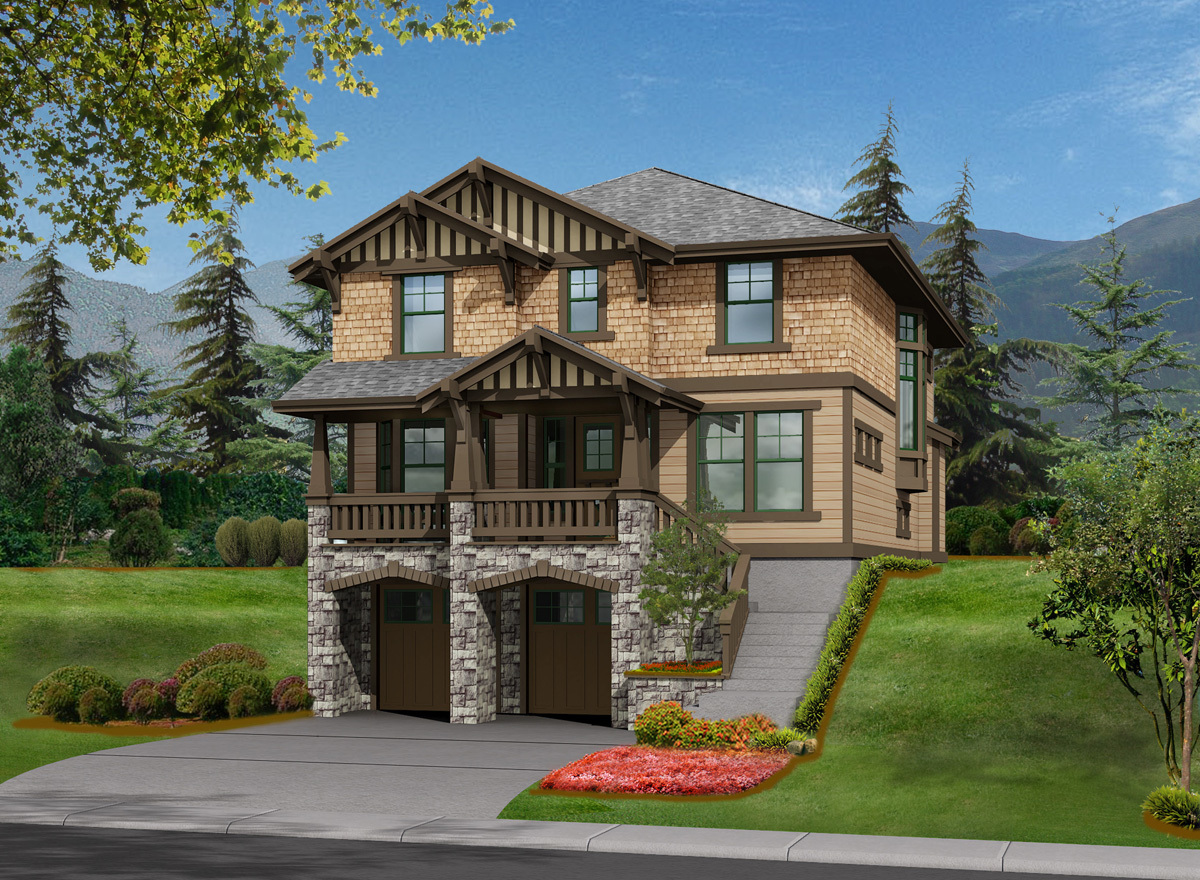
A front sloping lot presents several unique challenges and opportunities. The most obvious distinction is the change in elevation from the street to the back of the property. This natural gradient affects everything from foundation design to outdoor entertaining areas. Some lots may have a gentle incline of just a few feet, while others might drop dramatically over a hundred feet. The key is recognizing how much of this slope you want to incorporate into your design. For instance, a slight grade might allow for a partial basement or walkout level, while a steeper slope could enable a fully underground living space or dramatic terraced outdoor areas. Many homeowners find that working with the slope creates more interesting floor plans than fighting against it. Consider how you'll use the different levels – perhaps the lower portion for family rooms and entertainment, while keeping bedrooms and private spaces on higher ground.
Key Design Elements That Define These Plans
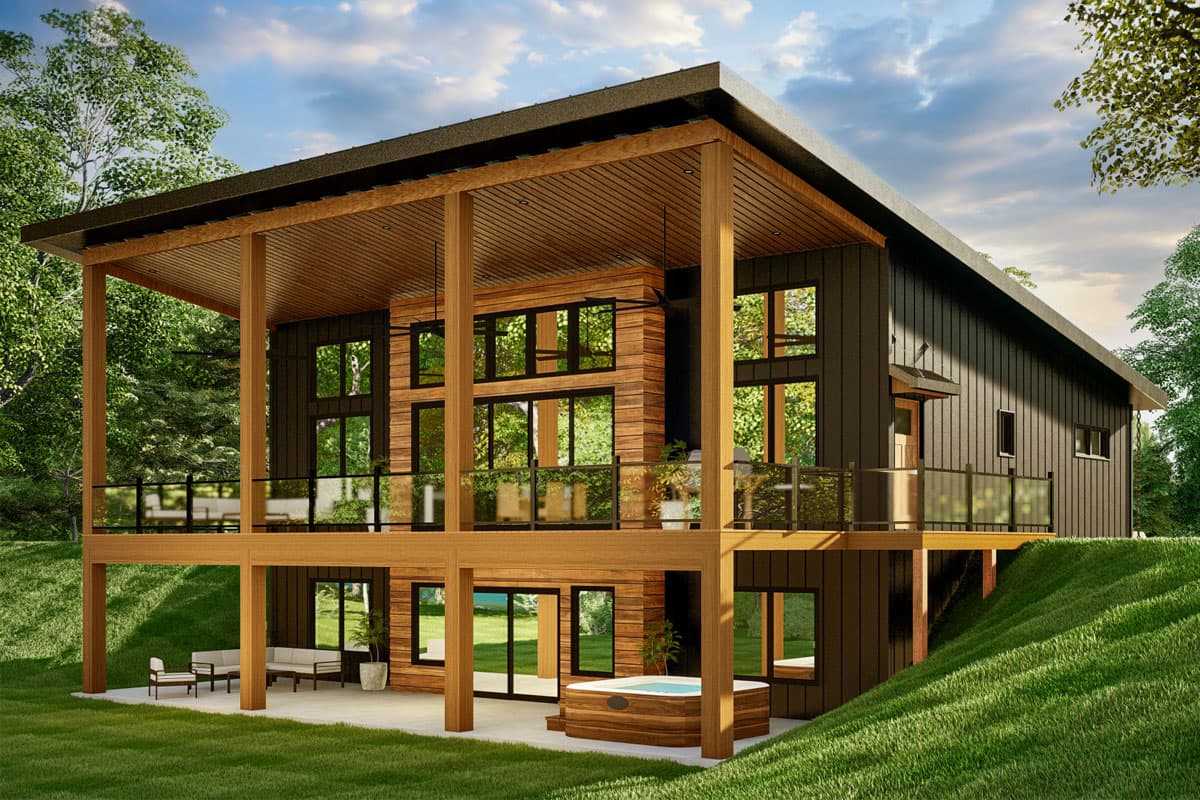
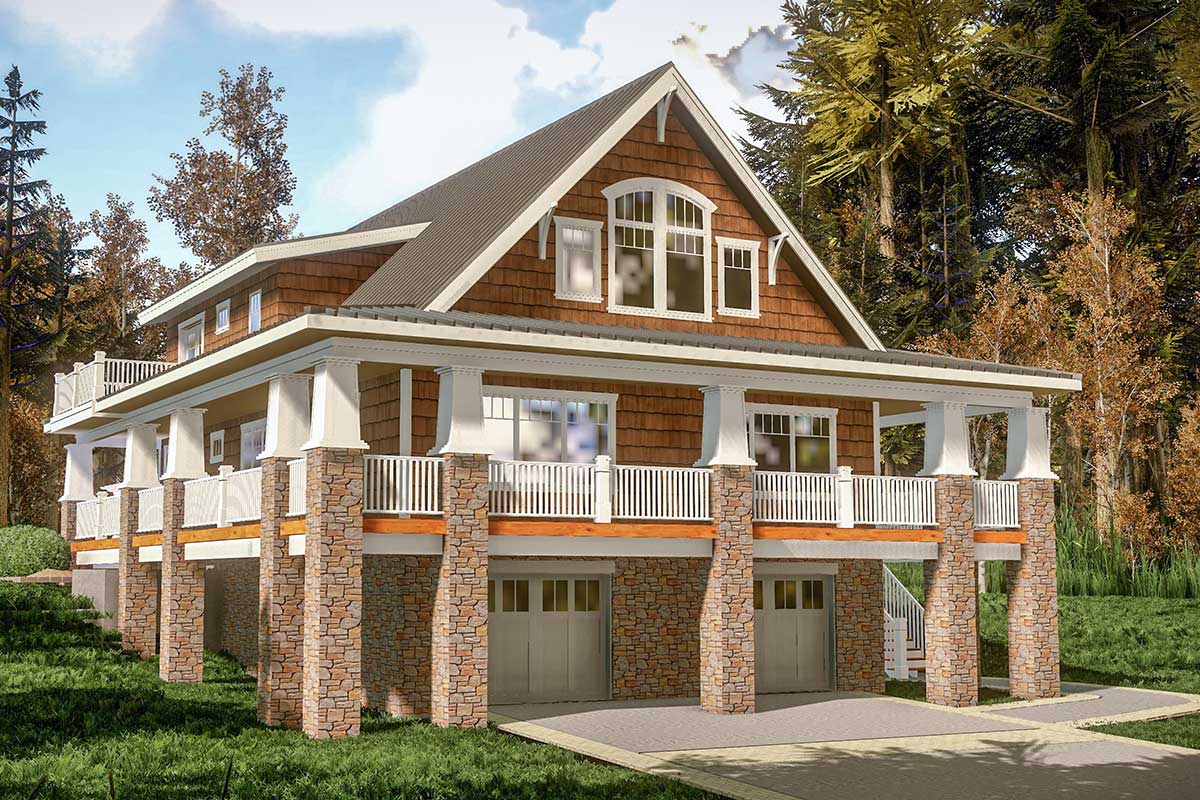
Front sloping lot house plans often showcase several signature elements that set them apart from conventional designs. The most notable feature is usually the strategic positioning of windows and doors to take advantage of the slope's natural angles. Large picture windows positioned to frame views of the landscape become common, while sliding glass doors often lead directly onto terraces that follow the slope's contours. The roofline frequently adapts to the grade, creating interesting visual dynamics that vary from one side of the house to another. Many designs incorporate a split-level approach where different areas of the home sit at varying elevations. This isn't just about aesthetics though – it's also practical. The elevated portions can provide better drainage, while the lower sections often benefit from natural cooling effects due to their position relative to prevailing winds. The challenge lies in ensuring all levels remain accessible and that the overall design feels cohesive rather than disjointed.
Structural Considerations and Foundation Options
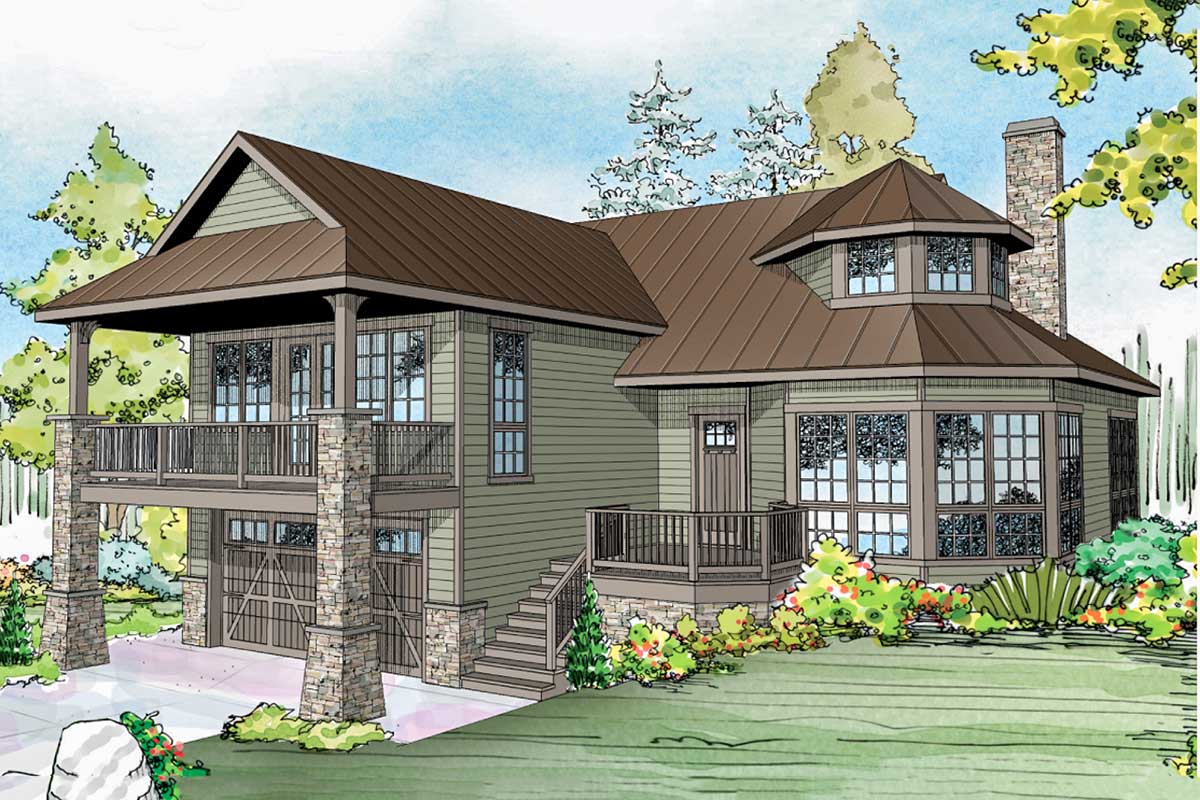
Working with a sloping front lot requires careful attention to structural engineering. The foundation design becomes crucial when dealing with significant changes in elevation. Traditional basements may not be feasible if the slope is too steep, but alternative approaches like raised foundations or stepped footings can work beautifully. Some architects prefer using concrete piers that support the house at different levels, allowing the structure to follow the land's natural curve. Another popular method involves creating a combination of full and partial basements, where the lower level sits naturally within the slope's depression. The drainage system must also be carefully planned, since water flows downhill and needs proper management to prevent erosion or basement flooding. Many successful front sloping lot homes incorporate French drains along the property line and strategic grading to direct water away from the foundation. The cost implications vary greatly depending on the extent of the slope and the chosen foundation type, but the investment often pays off in increased property value and reduced maintenance issues.
Outdoor Living Integration and Terracing Solutions
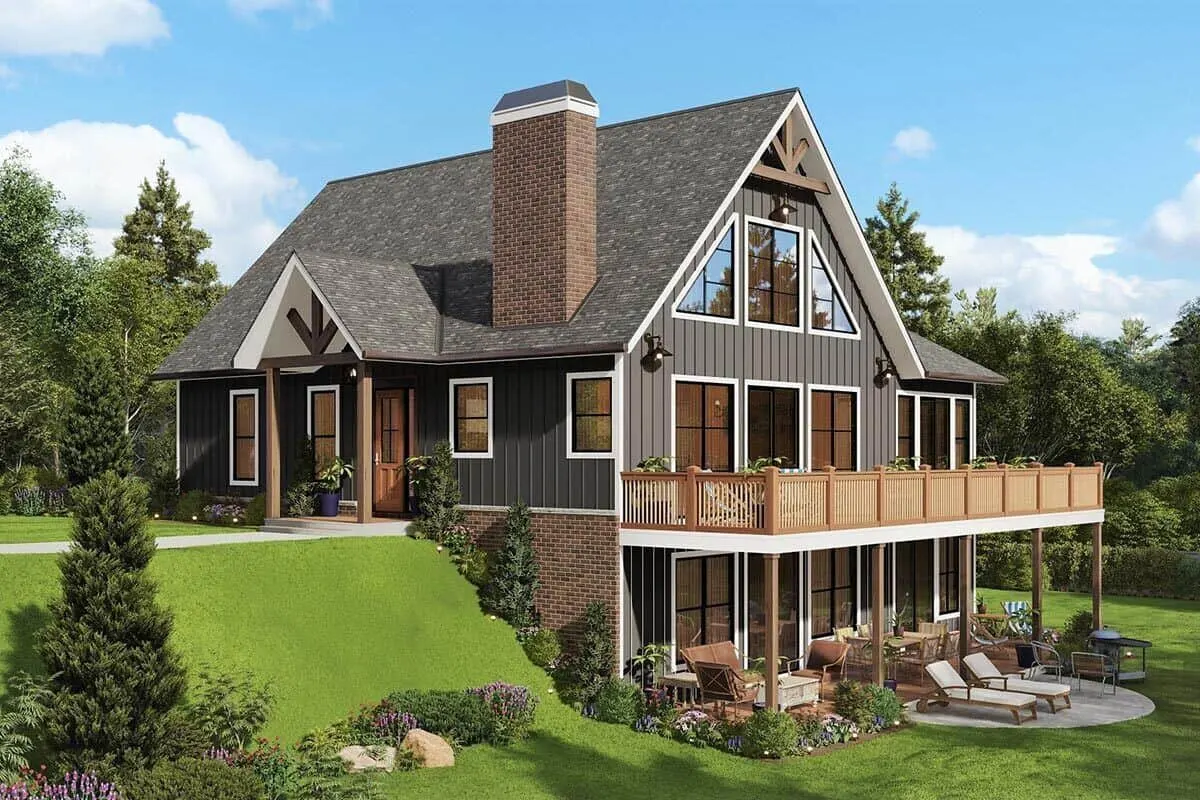
One of the greatest advantages of front sloping lot house plans is the seamless integration between indoor and outdoor living spaces. The natural grade allows for creative outdoor terracing that can serve multiple purposes. A series of stone steps leading down from the main entrance might open into a patio area where families gather for meals and celebrations. The gradual decline of the land often provides excellent spots for outdoor kitchens, fire pits, or even swimming pools that blend naturally with the landscape. Some homeowners choose to build their outdoor spaces at different levels, creating distinct zones that mirror the home's interior layout. This approach works especially well when the slope allows for a natural separation between public and private areas. The challenge lies in ensuring all outdoor spaces remain accessible and safe, particularly for elderly residents or those with mobility concerns. Proper handrails, appropriate step heights, and thoughtful lighting can make a huge difference in usability and safety.
Legal Requirements and Permits You'll Need
Before diving into front sloping lot house plans, it's essential to understand the regulatory landscape. Zoning laws vary significantly between municipalities, and many areas have specific restrictions for homes built on sloped terrain. Building codes often require additional considerations for retaining walls, drainage systems, and foundation stability. Some jurisdictions mandate that any construction exceeding a certain height or covering a specific area must go through an environmental impact review. The permit process can be more complex when dealing with slopes, as authorities need to verify that the proposed design won't cause erosion or flooding issues. Many cities require detailed topographical surveys showing exactly how the land slopes and where water flows. It's also important to check if there are any easements or utility lines that might affect your building plans. Some areas even require special permits for retaining walls that exceed certain dimensions, as these structures can impact neighboring properties.
Cost Analysis and Value Proposition
The financial aspects of front sloping lot house plans can vary dramatically based on site conditions and design complexity. Generally speaking, these homes tend to cost more than standard flat lot designs due to the additional engineering required and the specialized materials needed for foundation work. However, the potential return on investment can be substantial. Properties on sloped lots often command premium prices because they offer unique design opportunities and superior views. The added value comes not just from the aesthetic appeal but also from the practical benefits such as natural drainage and improved privacy. Many homeowners report that their investment pays for itself through increased property taxes and potential resale value. The key is finding a balance between ambitious design features and practical functionality. A well-designed front sloping lot home can easily become the crown jewel of any neighborhood, commanding attention and admiration from neighbors and visitors alike.
Front sloping lot house plans represent more than just architectural innovation – they embody a philosophy of working with nature rather than against it. These designs offer homeowners a rare chance to create truly distinctive living spaces that reflect both personal style and environmental awareness. While they may present additional challenges in terms of planning and construction, the rewards are considerable. From the way light plays across angled surfaces to the seamless flow between indoor and outdoor spaces, front sloping lot homes create experiences that simply cannot be replicated on flat terrain. Whether you're looking to maximize your view, create unique living spaces, or simply enjoy the satisfaction of designing a home that truly belongs to its landscape, these plans offer an exciting path forward. The key is partnering with professionals who understand both the technical requirements and the artistic vision that makes these designs so compelling.


