
Imagine waking up to the sound of lapping water, your feet touching cool stone floors, and a view of the lake from your bedroom window. This isn't just a dream – it's possible with the right walkout basement plan. These underground retreats transform ordinary lake houses into extraordinary homes that blend seamlessly with nature while offering year-round comfort.
When you think about lake houses, you probably picture sprawling decks, cozy fireplaces, and stunning waterfront views. But there's another dimension to consider – the underground space that can dramatically enhance your lake house experience. Walkout basements offer a unique way to maximize your property's potential while creating functional living spaces that feel like they belong in the great outdoors. Whether you're planning a new build or renovating an existing home, understanding how to design and implement effective walkout basement plans is crucial.
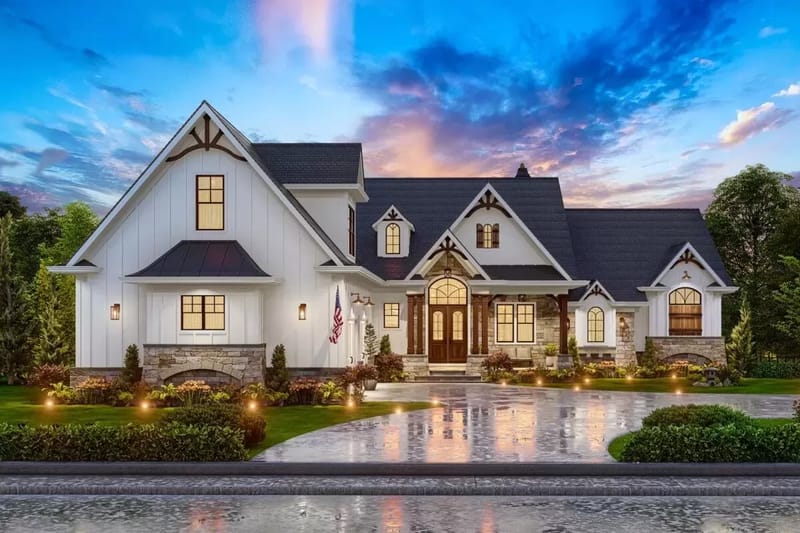
What Makes a Walkout Basement Special
A walkout basement isn't just a regular basement with a door leading outside. It's a carefully designed space that provides direct access to the exterior, creating a seamless transition between indoor and outdoor living. Picture this: you step out of your finished basement room directly onto a patio or deck that overlooks the lake. The architectural beauty lies in how these spaces blur the lines between inside and outside. Many homeowners find that walkout basements provide the perfect solution for adding extra bedrooms, entertainment areas, or even a home office that feels connected to nature. The key advantage? You get additional square footage without increasing your footprint on the land.

Key Design Considerations for Lake Houses
Designing a walkout basement for a lake house requires special attention to several factors. First, you must assess your lot's topography carefully. The slope of your land determines whether a walkout is feasible and how much space you'll have for your basement. A gentle slope allows for easier access, while steeper terrain might require more extensive excavation work. Another critical factor is drainage. Water management becomes paramount when you're dealing with lakefront properties. Proper grading and waterproofing systems prevent moisture issues that could compromise your basement's integrity. Consider also the orientation of your walkout entrance. Facing south or east often provides better natural light and warmth, especially during those crisp lake house mornings. The overall design should complement your existing architecture while providing the functionality you desire.

Structural Requirements and Foundation Planning
Building a walkout basement demands strong structural planning. The foundation must support both the weight of the structure above and the lateral pressure from the earth surrounding it. Reinforced concrete walls are typically required, with proper reinforcement bars placed strategically to handle these forces. You'll also need to consider the load-bearing capacity of your soil. Some soils may require additional support measures or specialized foundation techniques. The depth of your basement will vary based on local building codes and your specific needs. In many lake house locations, basements extend deeper than standard residential basements due to the need for adequate headroom and proper insulation. Professional consultation early in the process helps avoid costly mistakes later on. Remember, this isn't just about digging a hole – it's about creating a secure, durable space that will last for decades.

Waterproofing and Drainage Solutions
Water management stands as perhaps the most important aspect of walkout basement construction, particularly for lake house properties. Moisture can seep through concrete, cause structural damage, and create uncomfortable living conditions. Effective waterproofing starts with proper site preparation and continues through every stage of construction. Exterior waterproofing membranes protect the foundation walls from water infiltration, while interior drainage systems catch any water that does make its way through. French drains around the perimeter of your basement help redirect water away from the structure. Proper grading ensures water flows away from your foundation rather than toward it. Think about seasonal changes too – lake levels fluctuate, and your drainage system should account for these variations. Many successful lake house walkout basements incorporate sump pumps as backup protection against flooding or excessive groundwater.
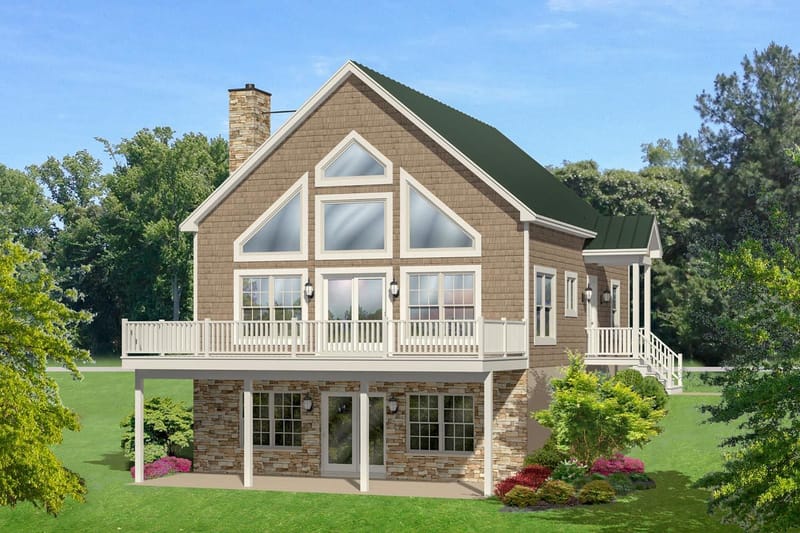
Finishing Your Walkout Basement Space
The finishing phase transforms a basic concrete shell into a comfortable living area. Choosing the right materials matters enormously, especially given the moisture considerations. Waterproof flooring options include vinyl planks, tile, or specially treated wood products that can withstand humidity. Ceilings might feature exposed concrete beams or carefully selected materials that complement the rustic lake house aesthetic. Lighting plays a crucial role – natural light from windows creates a bright, welcoming atmosphere, while strategic artificial lighting adds ambiance and functionality. Consider including features like built-in storage, custom cabinetry, and multi-functional furniture that maximizes space efficiency. The finished basement should feel like a natural extension of your main living areas, not a separate entity. Many homeowners choose to finish their walkout basements as family rooms, guest suites, or recreational spaces that take full advantage of the lake views.
Cost Analysis and Budget Planning
Walkout basement projects can vary significantly in cost depending on several factors. Basic excavation and foundation work typically ranges from $15,000 to $40,000, while finishing costs add another $30,000 to $70,000 or more. The total investment depends heavily on your lot's characteristics, desired finishes, and regional labor costs. Some areas charge more for specialized waterproofing and drainage work due to local climate conditions. It's essential to budget for unexpected issues like encountering bedrock or discovering poor soil conditions during excavation. Many builders recommend setting aside 10-20% of your total budget for unforeseen expenses. Consider financing options – some lenders offer construction loans specifically for basement renovations. Keep in mind that a well-executed walkout basement can significantly increase your home's value, often providing a solid return on investment. The key is balancing your dream space with realistic financial expectations.
Creating a walkout basement for your lake house represents more than just expanding your living space – it's about crafting a lifestyle that connects you more deeply with your surroundings. From the initial planning stages to the final finishing touches, each decision shapes how you'll enjoy your property year-round. Whether you're envisioning a quiet study overlooking the water or a bustling family room that welcomes guests, the right walkout basement plan can turn your lake house dreams into reality. The investment pays dividends not just in added square footage, but in the joy of having a space that feels truly special. As you begin planning your project, remember that careful consideration of design, structure, and practicality will ensure your underground retreat becomes one of your lake house's greatest assets.


