
There's something magical about stepping into a Mediterranean home and feeling the warmth of centuries-old design principles. The courtyard isn't just a space in the middle of your house - it's the soul of the Mediterranean lifestyle. Think of it as the beating heart that connects all rooms, brings nature indoors, and creates that perfect balance between private living and outdoor enjoyment.
Mediterranean architecture has captivated homeowners for generations with its timeless appeal and practical design solutions. When you think of Mediterranean homes, the image of a beautiful central courtyard often comes to mind. These architectural gems aren't just pretty pictures in magazines - they represent a deeply rooted philosophy of living that prioritizes connection with nature, community, and comfort. Whether you're planning a complete renovation or building a new home, understanding how courtyards work within Mediterranean design can transform your entire approach to residential architecture.
Historical Roots of Mediterranean Courtyard Design
The tradition of incorporating courtyards into Mediterranean homes dates back thousands of years. Ancient Romans, Greeks, and Arab civilizations all understood that creating a protected indoor-outdoor space was essential for comfortable living in hot climates. These early architects discovered that a central courtyard provided several key benefits:
This design philosophy traveled through centuries and across continents, eventually becoming the foundation for what we now recognize as classic Mediterranean architecture. The courtyard became more than just a practical element - it evolved into a symbol of hospitality and family life. You'll notice that even today's most sophisticated Mediterranean designs still honor these original principles.
Essential Elements of Mediterranean Courtyard Layouts
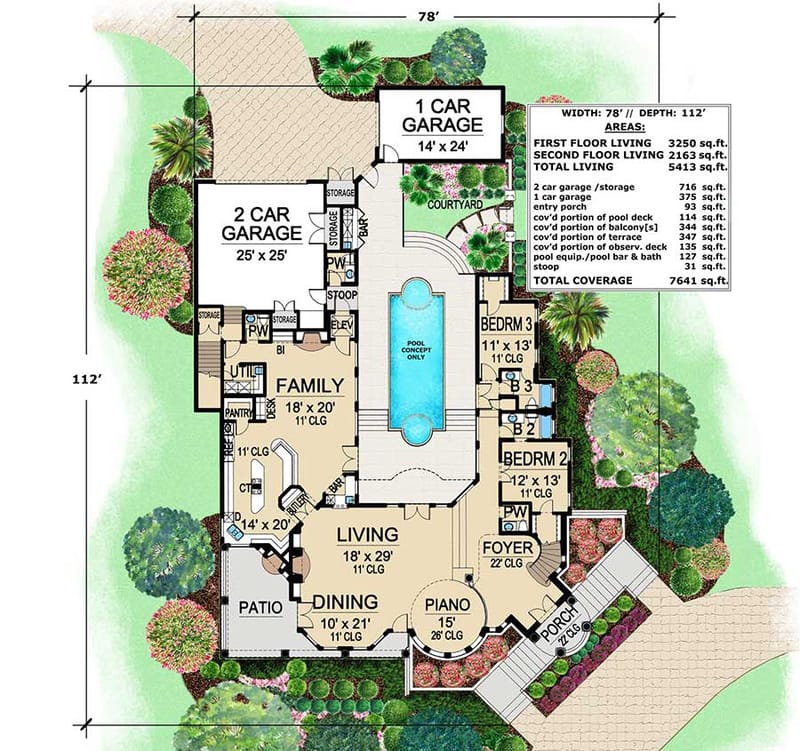
Creating an authentic Mediterranean courtyard requires attention to several fundamental components that work together harmoniously. Think of these elements as ingredients in a recipe - each one matters, but they must blend perfectly to create the right flavor.
Water Features: Fountains, small pools, or even simple birdbaths bring life to the space. Water naturally cools the air and creates soothing sounds that make any courtyard feel like a retreat.
Plantings: Mediterranean plants like olive trees, lavender, rosemary, and citrus trees are staples. They provide both beauty and utility - you can harvest herbs and fruits while enjoying their fragrance.
Seating Areas: These should be arranged to encourage conversation and relaxation. Consider different zones - perhaps a formal dining area and a more casual lounge spot.
Lighting: Proper illumination extends the usability of the courtyard into evening hours. String lights, lanterns, and strategically placed fixtures create atmosphere and safety.
Materials: Natural stones, terracotta tiles, and wrought iron help maintain that authentic feel. These materials also handle the Mediterranean climate well and age gracefully.
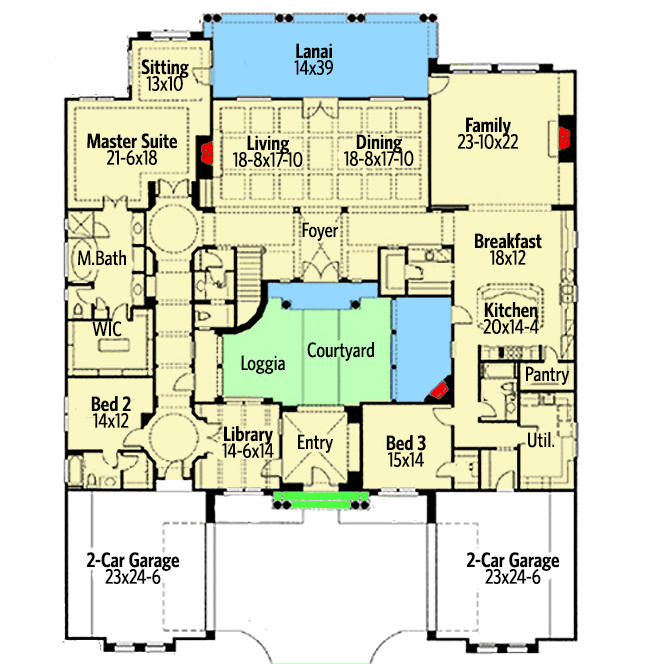
Choosing the Right Courtyard Size and Shape
Not every home can accommodate a grand, formal courtyard, but that doesn't mean smaller spaces lack impact. The key lies in understanding how size affects function and aesthetics.
Small Courtyards (under 100 square feet) work best when they're focused and purposeful. Think of them as intimate gathering spaces rather than large entertaining areas. They might feature a single seating area around a small fountain, surrounded by potted plants.
Medium Courtyards (100-300 square feet) offer more flexibility. These spaces can include multiple seating areas, a dining spot, and room for a small garden. They're ideal for families who want to enjoy outdoor meals regularly.
Large Courtyards (over 300 square feet) allow for elaborate designs including water features, multiple plantings, and distinct zones. These are perfect for those who love hosting guests or want to create a true oasis within their home.
The shape also matters. Square and rectangular courtyards tend to feel more structured and formal, while irregular shapes can create a more relaxed, organic feel. Many successful Mediterranean homes incorporate both approaches.

Practical Benefits Beyond Aesthetics
While the visual appeal of a Mediterranean courtyard is undeniable, the practical advantages are equally compelling. These spaces provide real value beyond decoration.
Energy Efficiency: Courtyards naturally regulate temperature by providing shade during hot afternoons and allowing sunlight to warm the space in cooler months. This passive cooling system can significantly reduce air conditioning costs.
Privacy: A well-designed courtyard creates a buffer zone between public streets and private living spaces. It allows homeowners to enjoy outdoor time while maintaining their privacy.
Family Functionality: Courtyards serve as natural gathering places for family activities. Children can play safely within the enclosed space, and adults can easily supervise while relaxing.
Property Value: Homes with attractive courtyards typically command higher prices in the real estate market. Buyers consistently rate these features as highly desirable, making courtyards a smart investment.
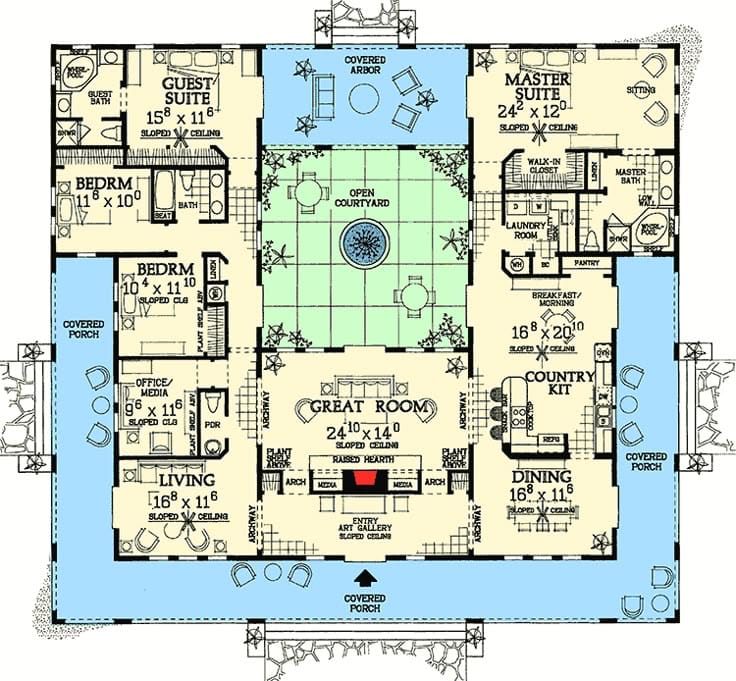
Health Benefits: Spending time in courtyards with plants and natural light has been scientifically proven to improve mental health and reduce stress levels.
Designing for Climate and Location
The Mediterranean style works best when it's adapted to your specific environment. What works perfectly in Southern California might not suit a Florida climate, and vice versa. Here are some considerations:
Hot, Dry Climates: Focus on shade-providing elements like pergolas, large trees, and strategic plant placement. Water features become essential for cooling effects.
Humid Regions: Choose plants that thrive in moisture and ensure good drainage. Consider covered areas to protect furniture from rain.
Cold Weather Areas: Plan for winter protection of plants and consider heated surfaces or fire pits for extended use.
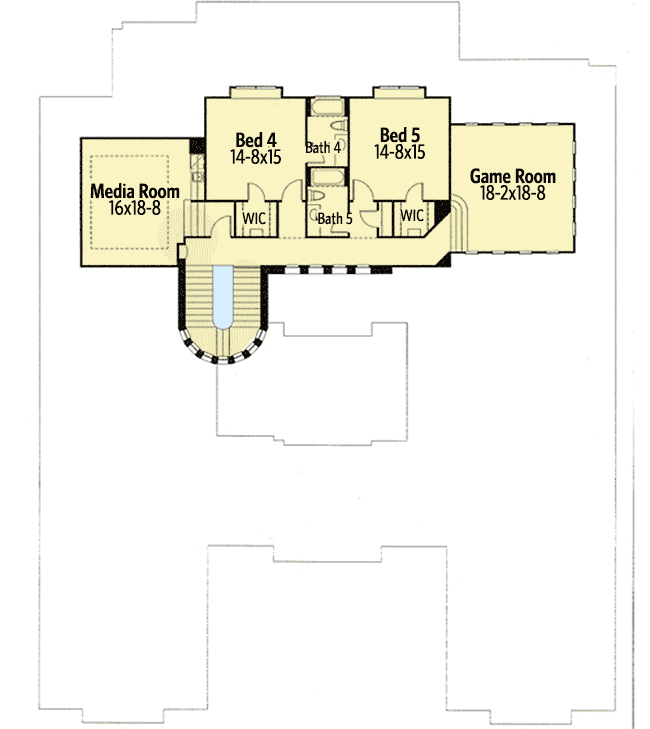
Space Limitations: Urban settings may require creative solutions like vertical gardening, small water features, or multi-functional furniture that can be moved seasonally.
The most important thing is to understand your local conditions and design accordingly. A Mediterranean home should feel like it belongs in its environment, not like a transplant from another region.
Modern Interpretations and Contemporary Trends
Today's Mediterranean courtyard design isn't just about copying old patterns - it's about evolving those traditions for modern living. Newer trends show how these timeless elements can adapt to contemporary lifestyles.
Smart Technology Integration: Modern courtyards often include automated irrigation systems, LED lighting that can be controlled remotely, and even smart speakers for entertainment.
Sustainable Practices: Rainwater harvesting systems, drought-resistant plants, and solar-powered lighting reflect current environmental consciousness.
Multi-Functional Spaces: Today's homeowners want their courtyards to serve multiple purposes - dining, entertaining, gardening, and relaxation all in one area.
Minimalist Approaches: Some designers prefer clean lines and fewer elements, focusing on quality over quantity. This trend makes older homes feel fresh and updated.
Mixed Materials: Combining traditional Mediterranean materials with modern finishes creates interesting contrasts. Think sleek concrete with natural stone accents or contemporary metalwork with traditional tile patterns.
Mediterranean house plans with courtyards represent more than just architectural choices - they embody a way of life that emphasizes harmony between indoor and outdoor spaces. Whether you're designing a new home or renovating an existing one, understanding the principles behind courtyard design can help you create a space that feels both timeless and thoroughly modern. The key is to start with the fundamentals - understand how the space will be used, consider your local climate, and remember that the best courtyard designs are those that reflect your personal lifestyle and values. After all, a truly great courtyard isn't just about the tiles or the fountain - it's about creating a place where memories are made and relationships grow.


