
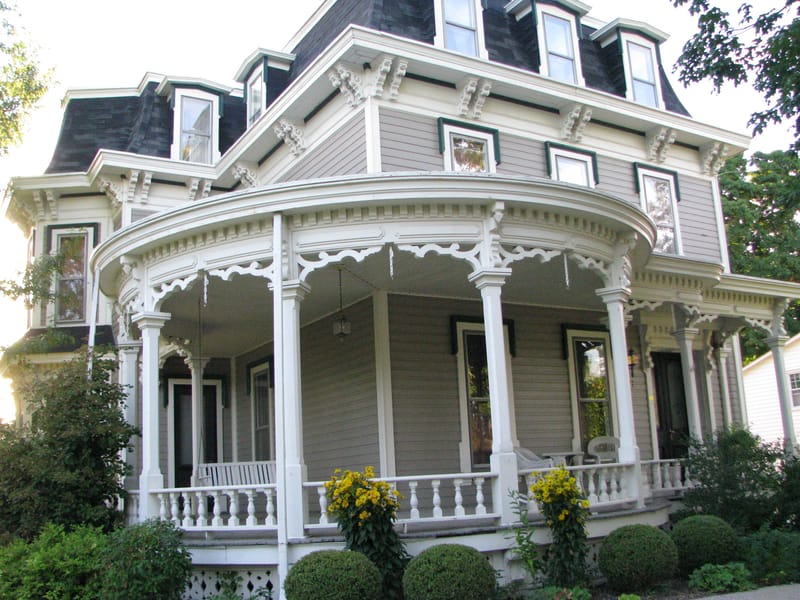
Picture this: a grand Victorian home with a sprawling wrap-around porch that seems to embrace the entire structure. It's not just a design feature – it's a window into a bygone era of craftsmanship and social tradition. These homes represent more than just architectural style; they embody a way of life that valued community, elegance, and the simple pleasure of outdoor living.
When you think of Victorian architecture, images of ornate details, intricate woodwork, and grand scale probably come to mind. But there's one element that truly defines the Victorian aesthetic – the wrap-around porch. These sweeping verandas weren't just decorative; they served as the heart of family life and social interaction. Whether you're considering purchasing one of these magnificent homes or simply admiring them from afar, understanding their significance adds depth to appreciating their enduring appeal. The Victorian wrap-around porch represents a perfect blend of form and function, creating spaces that invite both relaxation and connection with neighbors and nature.
Historical Origins and Cultural Significance
The Victorian era, spanning from 1837 to 1901, brought about a revolution in American home design. During this time, the wrap-around porch emerged as a defining characteristic of middle-class residential architecture. These porches weren't merely additions to the house – they were statements about lifestyle and social status. The concept was influenced by European designs but adapted to suit American climate conditions and cultural preferences.
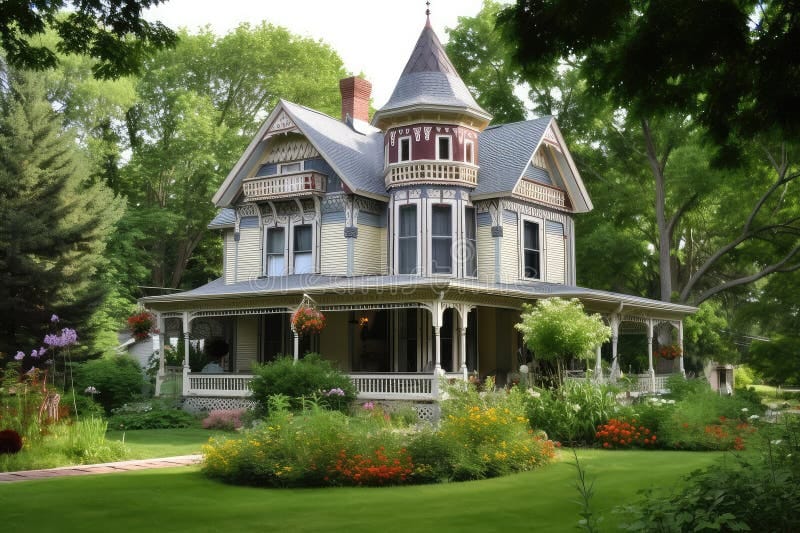
In many ways, these porches represented a shift toward domesticity and the idea that home was not just a place to live, but a space for gathering and community. Families would spend hours on their porches, entertaining guests, enjoying evening breezes, and watching neighborhood activities unfold. This social aspect was crucial during an era when indoor spaces were often formal and restricted.
The Victorian porch became a symbol of prosperity and good taste. Wealthier families could afford elaborate woodwork, decorative brackets, and ornamental details that made their porches true works of art. Even modest homes featured their own versions of these porches, though often with simpler designs.
Architectural Features and Design Elements
What makes a Victorian porch truly distinctive? Several key elements set these structures apart from other architectural styles:
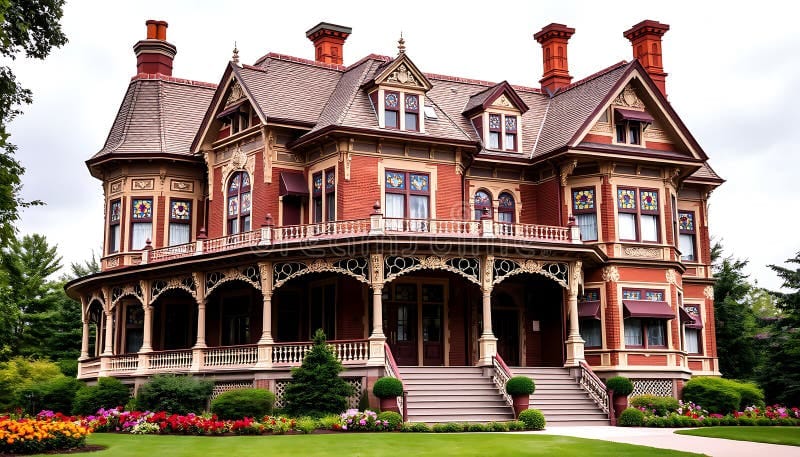
The proportions matter enormously. Victorian porch designers followed strict guidelines that emphasized symmetry and balance. The height of the porch typically matched or exceeded the main house, creating a sense of grandeur and permanence.
Many Victorian homes feature what's called a 'front porch' that extends around the entire facade. This creates a continuous space that can be used year-round, depending on climate and weather conditions. The design often includes built-in seating areas and storage solutions that were cleverly integrated into the overall structure.
Materials and Construction Techniques
Building a Victorian porch required skillful craftsmanship and quality materials. The most common construction methods involved:
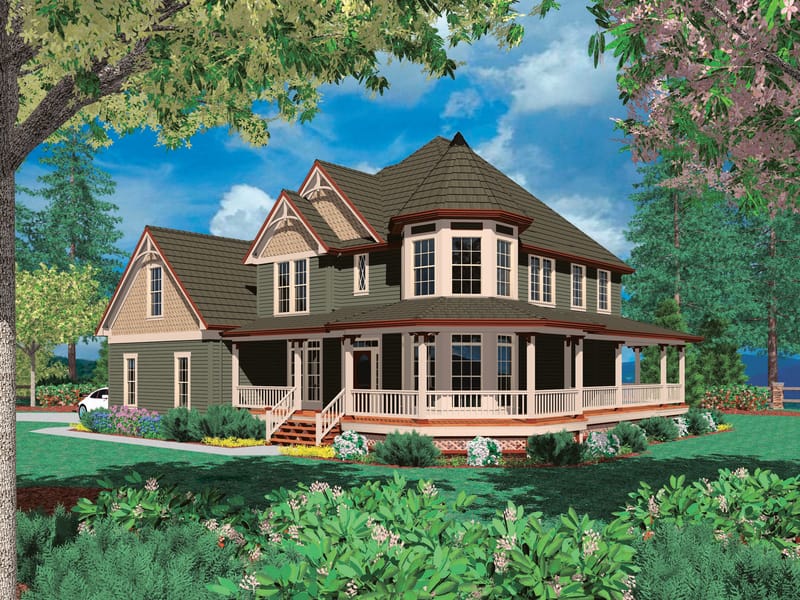
The construction process was labor-intensive and expensive, which meant only those with sufficient means could afford such elaborate structures. Many Victorian homes featured porches made entirely of locally-sourced timber, often with distinctive grain patterns that added character to each building.
Some homes incorporated stone or brick elements, particularly around column bases or foundation areas. These materials were chosen not only for durability but also to complement the overall aesthetic of the property. The integration of different materials created visual richness and helped define the architectural style.
Maintenance Challenges and Solutions
Maintaining a Victorian porch requires dedication and knowledge of traditional techniques. Common challenges include:
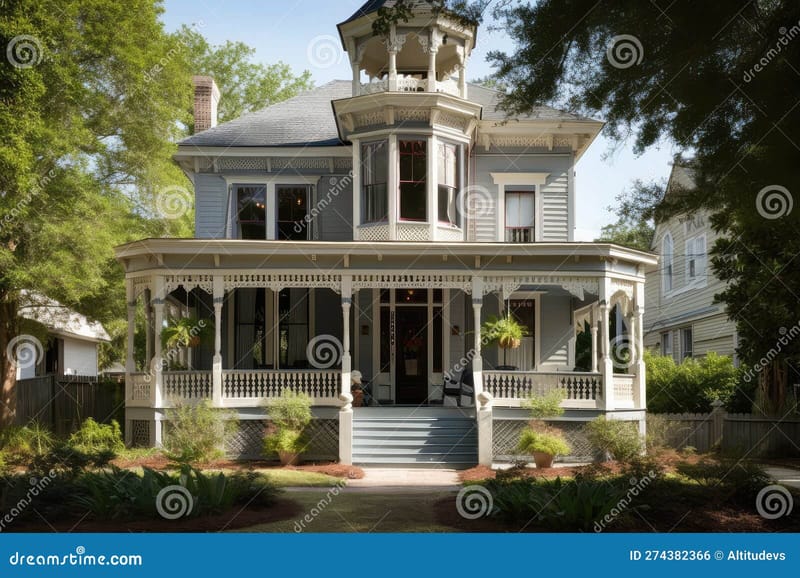
Regular inspection is essential. Check for loose boards, damaged trim, and signs of insect activity. Many homeowners find that quarterly maintenance checks help prevent major issues.
The key to successful maintenance lies in understanding the original construction methods and materials. Using compatible products and techniques helps preserve authenticity while ensuring structural soundness. For example, traditional wood preservatives work better than modern alternatives on historic porches.
Professional consultation is often worth the investment, especially for homes with extensive original features. Restoration experts can guide you through proper techniques and materials that will extend the life of your porch while maintaining its historical character.
Modern Adaptations and Contemporary Uses
Today's homeowners face unique challenges when working with Victorian porches. Modern adaptations must respect historical integrity while meeting contemporary needs:
Many families now use their Victorian porches as extended living spaces. They serve as informal dining areas, outdoor workspaces, or cozy reading nooks. The versatility of these spaces allows them to adapt to changing lifestyles while maintaining their classic appeal.
Some homeowners choose to modernize certain aspects while keeping the overall character intact. This might mean updating electrical systems, adding modern flooring options, or incorporating contemporary furniture that complements rather than competes with the vintage elements.
Preservation and Restoration Considerations
Preserving a Victorian porch involves careful planning and often substantial investment. Here are key considerations:
Restoration projects often reveal hidden treasures – original hardware, unique wood species, or unexpected architectural details. These discoveries can guide further preservation efforts and help maintain the porch's historical accuracy.
Budget considerations are significant. Restoration costs can easily exceed initial estimates due to the complexity of traditional construction methods and the scarcity of skilled craftspeople. However, properly maintained Victorian porches retain their value and continue to attract buyers interested in historic properties.
Community involvement matters too. Many neighborhoods have historic preservation societies that provide guidance, resources, and support for homeowners working to maintain their properties. These groups often offer educational workshops and can connect owners with qualified professionals.
Victorian homes with wrap-around porches represent more than mere architectural choices – they embody centuries of social tradition, craftsmanship, and aesthetic evolution. These homes remind us that good design isn't just about looking beautiful; it's about creating spaces that enhance our lives and connect us to something larger than ourselves. Whether you're drawn to their historical significance, their architectural complexity, or their timeless appeal, these porches offer a glimpse into how Americans once lived, gathered, and celebrated community. The enduring popularity of Victorian porches shows that some designs transcend trends and remain relevant across generations. For those lucky enough to own or visit such homes, the wrap-around porch continues to serve as a bridge between past and present, offering both shelter and social connection in an increasingly digital world. The beauty of these structures lies not just in their appearance, but in the stories they tell and the memories they help create.


