
There's something deeply appealing about the idea of a French country home – the warm, earthy tones, the cozy interiors, and that effortless charm that seems to wrap around you like a comfortable blanket. Whether you're planning a complete renovation or building from scratch, understanding the fundamental principles of French country design can transform your vision into reality.
French country homes have captured the hearts of homeowners worldwide for their ability to blend rustic comfort with elegant sophistication. These designs aren't just about aesthetics – they represent a lifestyle that values simplicity, warmth, and connection to nature. From the rolling hills of Provence to the charming villages of Normandy, these homes tell stories of generations past while offering modern comfort. The secret lies in understanding how to balance traditional elements with contemporary needs, creating spaces that feel both historic and fresh.
Core Characteristics of French Country Design
The foundation of any successful French country home lies in recognizing its essential characteristics. Think of the color palette first – warm terracotta, creamy whites, deep forest greens, and sun-drenched yellows dominate the visual landscape. These hues work together to create a feeling of warmth and comfort that's hard to replicate elsewhere.
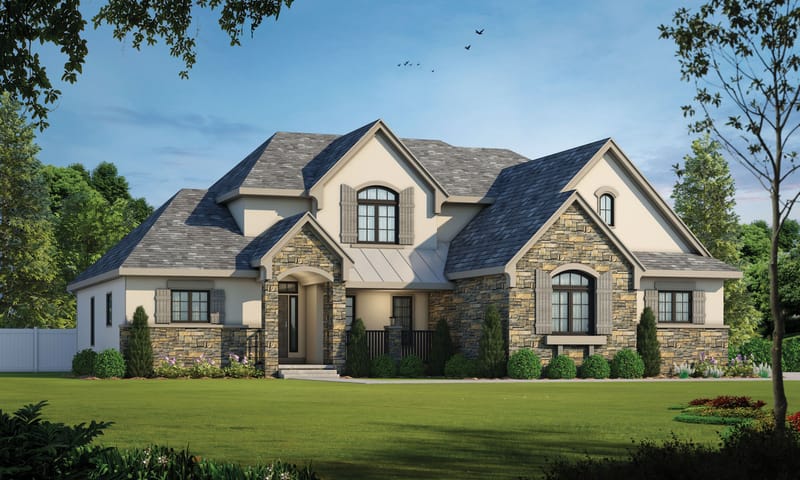
Another defining feature is the use of natural materials. Exposed wooden beams, stone accents, and weathered brick create texture and visual interest. You'll often find these materials used in both interior and exterior design elements. The key is to embrace imperfection – the slight variations in wood grain or the gentle patina on stone add character that feels genuine rather than manufactured.
French country homes also emphasize open floor plans and generous spaces. This isn't about having the biggest rooms – it's about creating flow between areas that encourages conversation and social interaction. A kitchen that opens to the dining area, or a living room that flows into a library, creates the kind of interconnectedness that makes a house feel lived-in and loved.
Layout Planning Essentials
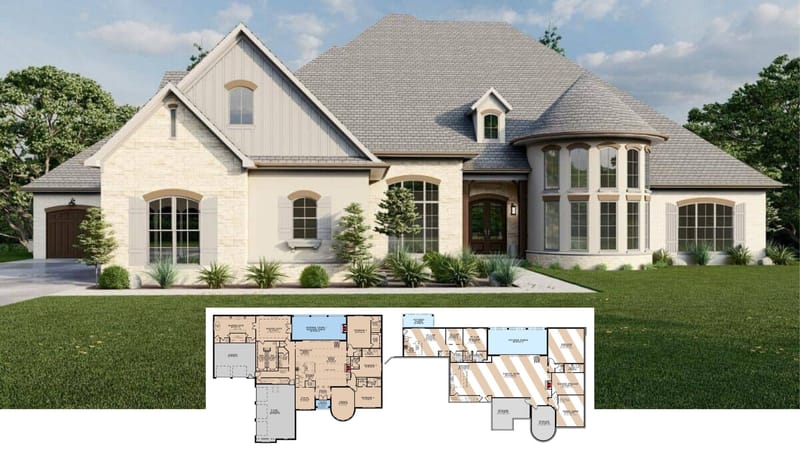
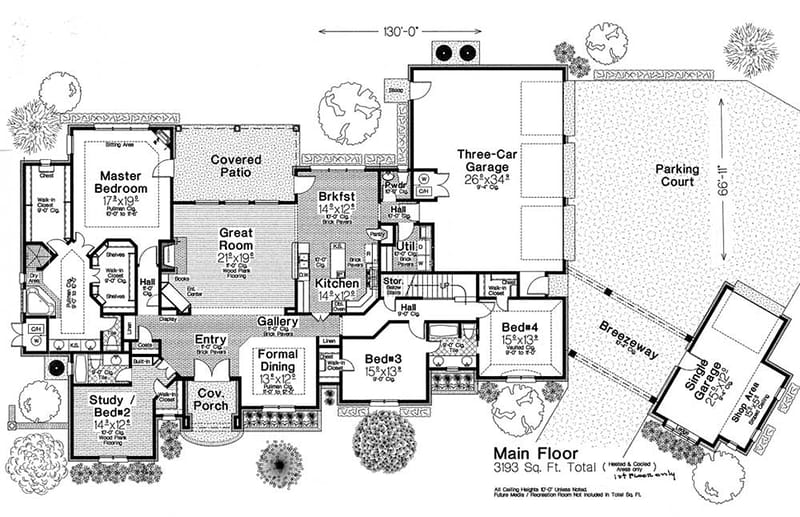
When designing your French country home, start with the layout. The typical French country floor plan centers around a central hearth or fireplace that becomes the heart of the home. This focal point draws people together and creates natural gathering spaces.
Consider these important layout elements:
The overall flow should feel organic rather than rigid. People should move naturally through the space, discovering new corners and features along the way.
Color Schemes That Work
Colors play a crucial role in achieving that authentic French country look. The palette should feel grounded and earthy, drawing inspiration from the countryside itself.
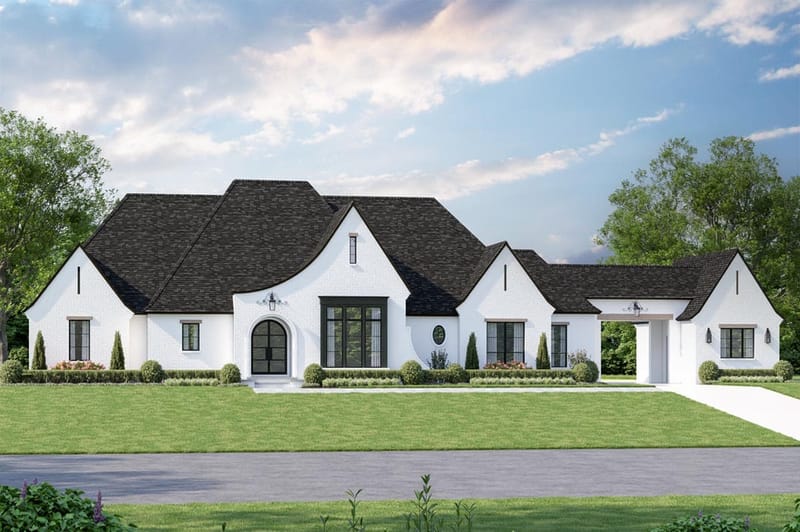
Start with base colors like:
Don't overlook the importance of layering different shades. A room might have a cream base with terracotta accents, but then incorporate deeper greens in textiles and accessories. This creates depth and prevents the space from feeling flat or one-dimensional.
Consider using a technique called 'color blocking' where you assign specific colors to different zones within your home. For instance, the living room might feature warm browns and golds, while bedrooms could lean toward softer blues and greens. This helps create distinct personalities within each space while maintaining overall harmony.
Natural Materials and Textures
The beauty of French country design lies in its celebration of natural materials and textures. These elements don't just look good – they contribute to the overall feeling of comfort and authenticity.
Wood plays a starring role in French country homes. Exposed wooden beams in ceilings, wainscoting on walls, and wooden flooring all add warmth and character. The key is to use wood that shows its natural grain and imperfections. You want to see the history in the material, not a perfectly uniform surface.
Stone works beautifully too. Whether it's a stone fireplace, accent walls, or even a stone pathway leading to the front door, natural stone adds weight and permanence to the design. It's also incredibly practical for high-traffic areas.
Other materials worth considering:
The combination of these materials creates a tactile experience that makes every room feel inviting and lived-in.
Lighting and Ambiance
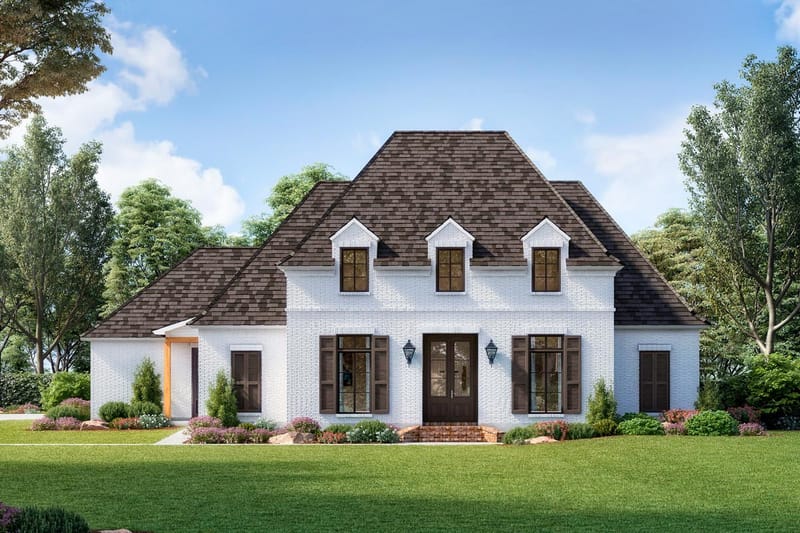
Lighting in French country homes goes beyond simply providing illumination. It's about creating atmosphere and enhancing the overall mood of each space. Natural light should be maximized wherever possible, with large windows and skylights bringing in the sunshine that makes these homes feel so welcoming.
Artificial lighting needs to complement rather than compete with natural elements. Consider:
The trick is to layer lighting sources so that you can adjust the mood throughout the day. A bright, airy morning might call for full natural light and simple overhead fixtures, while evening might require softer, warmer lighting to create intimacy.
Don't forget about outdoor lighting too. Porch lights, pathway lighting, and garden illumination all contribute to the overall appeal of a French country home. These elements extend the living space outdoors and create a sense of completeness.
Practical Tips for Implementation
Designing a French country home isn't just about following rules – it's about understanding how to apply principles in ways that work for your lifestyle and budget. Here are some practical approaches:
Remember that French country design is ultimately about creating a home that feels like a sanctuary – a place where you want to spend time and where others feel welcome too.
Common Mistakes to Avoid
Even with the best intentions, many people fall into traps when trying to implement French country design. Understanding these pitfalls can save you time, money, and frustration.
One common error is overdoing the decorative elements. French country design is about creating spaces that feel lived-in and comfortable, not cluttered or overly decorated. Less often truly is more when it comes to achieving that authentic look.
Another mistake is ignoring the climate and location. What works in Provence might not translate well to other regions. Consider how your local weather affects materials and design choices.
Many also try to mix French country elements with other design styles without proper consideration. While some fusion can work, it's better to stick with one cohesive aesthetic to avoid confusion.
Finally, not thinking about scale and proportion can lead to spaces that feel either too cramped or too empty. French country homes typically emphasize generous proportions and comfortable seating arrangements.
These mistakes aren't disasters – they're learning opportunities that can guide you toward a better final result.
Final Thoughts on Creating Your French Country Space
Creating a French country home is more than just following design trends – it's about capturing a way of life that values comfort, connection, and appreciation for the simple things. The process involves careful thought, attention to detail, and a willingness to embrace both tradition and modernity.
Whether you're renovating an existing home or building from scratch, remember that this design approach is ultimately about creating a space that reflects your personality and meets your practical needs. The authentic French country home doesn't just look beautiful – it feels right. It's a place where memories are made, conversations flow easily, and everyone feels at home.
The journey toward your dream French country home might take time, but each step brings you closer to a space that truly embodies the essence of this beloved style. The key is to stay true to the principles while allowing your personal touch to shine through.
French country home design offers a wonderful middle ground between formal elegance and casual comfort. By understanding the core elements – from natural materials to thoughtful layouts – you can create a space that feels both timeless and personally meaningful. The beauty of this style lies in its flexibility, allowing you to adapt classic principles to your unique lifestyle and circumstances. Whether you're drawn to the warm color palettes, the emphasis on natural textures, or the overall sense of tranquility these homes provide, the journey toward your ideal French country space is one that rewards patience and attention to detail. The result is a home that not only looks stunning but also provides the kind of comfort and joy that makes a house feel like a true sanctuary.


