
When you think about small homes, you might imagine cramped spaces and limited possibilities. But what if we told you that incorporating a walkout basement could completely change your perspective? These clever designs take advantage of natural light, outdoor views, and smart space planning to create homes that feel spacious and welcoming. Whether you're building a new home or renovating an existing one, understanding how to integrate a walkout basement into small home plans can open up a world of design opportunities.
Small homes have become increasingly popular over the past decade, appealing to people who want to simplify their lives while reducing costs. However, many homeowners struggle with the challenge of creating enough functional space within limited square footage. Enter the walkout basement – a brilliant solution that transforms what might otherwise be a dark, unused area into a bright, usable living space. This approach isn't just about adding more square footage; it's about reimagining how you interact with your home and connecting with the outdoors even when you're inside.
What Is a Walkout Basement?
A walkout basement is a type of basement that has direct access to the outside through doors or windows that open onto the ground level. Unlike traditional basements that are entirely below grade, walkout basements feature a portion of the walls that rise above the surrounding landscape. This design allows for natural light to enter, creates a sense of openness, and provides easy access to outdoor areas.
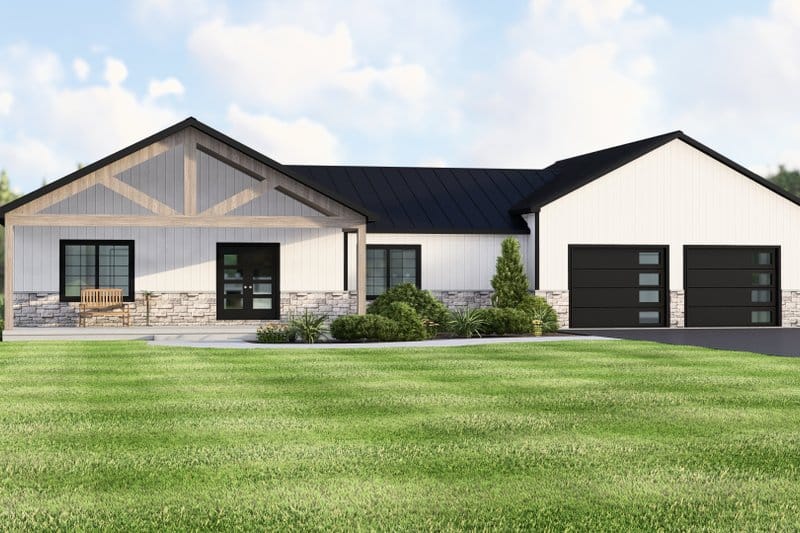
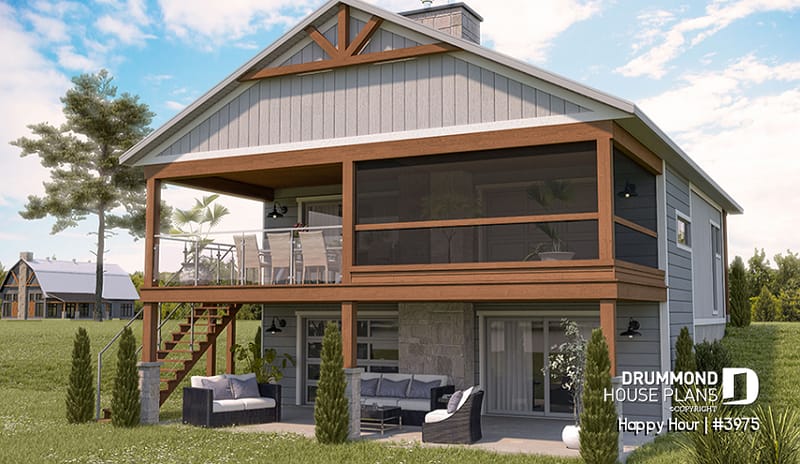
The key characteristic is that the basement level is partially exposed to the exterior, typically with a patio or deck area directly adjacent to the living space. The term "walkout" refers to the fact that you can walk directly out of your basement room to the outside without going through the main house. This design element makes the basement feel like a true part of the home rather than a separate, forgotten space.
Benefits of Walkout Basements in Small Homes
Walkout basements offer several advantages that make them particularly attractive for small home plans:
Design Considerations for Small Home Plans
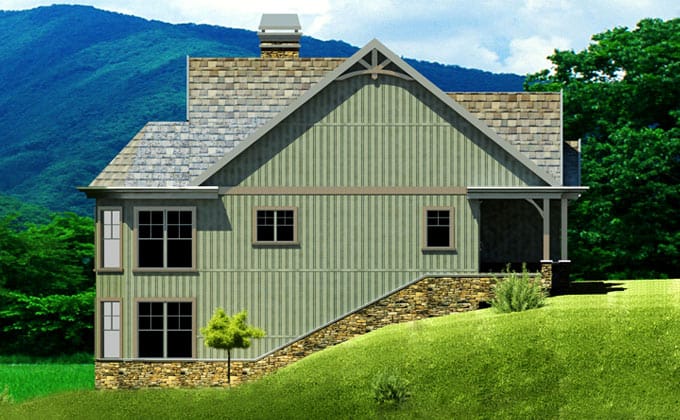
Planning a walkout basement in a small home requires careful attention to several factors. First, consider the site's topography. The lot should slope downward toward the rear to accommodate the walkout design. If your land is relatively flat, you may need to do some grading work to achieve the desired effect.
The orientation of your home matters too. Ideally, the walkout side should face a direction that receives good sunlight during winter months. Also, think about privacy concerns – how will neighbors see into your living space? You might want to incorporate landscaping or fencing to create a buffer.
For small homes specifically, maximizing the utility of each space becomes crucial. Consider multi-functional furniture, built-in storage solutions, and clever layout arrangements. A kitchenette in the basement might serve as a casual dining area or coffee station, while a bedroom can double as a guest room or study.
Another important factor is drainage. Proper waterproofing and drainage systems are essential to prevent moisture issues. The basement walls must be properly sealed, and a good foundation system is necessary to support the structure.
Popular Layout Options for Small Homes
There are several ways to arrange a walkout basement in a small home plan. One common approach is the open-concept layout, where the main living areas flow together seamlessly. This works particularly well in smaller homes because it creates an illusion of larger space.
Another popular option is to create distinct zones within the basement. For example, you might have a family room on one side and a bedroom or office on the other. This separation helps maintain privacy while still keeping everything connected.
Some homeowners choose to make the basement the primary living area, using the main floor for bedrooms and cooking. Others prefer to keep the main floor as the primary living space and use the basement for additional rooms or recreational activities.
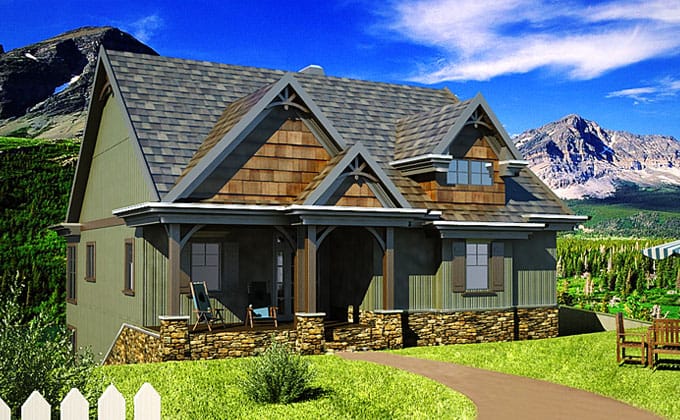
The choice often depends on your lifestyle and priorities. Do you want the basement to be your go-to space for entertaining guests? Or would you prefer it to function more as quiet retreat space? Answering these questions early in the planning process will guide your design decisions.
Practical Tips for Implementation
Getting started with a walkout basement in a small home requires some practical planning:
Real-Life Examples and Inspiration
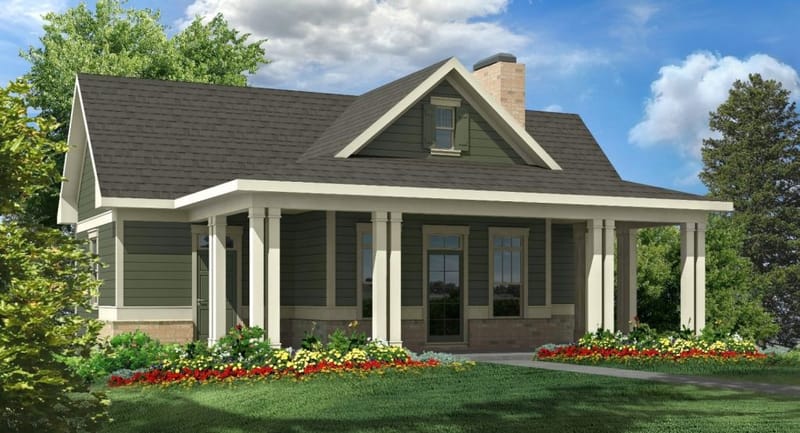
Many homeowners have successfully integrated walkout basements into their small home projects. One example features a modern farmhouse-style home where the basement serves as a cozy family room with a large window overlooking the backyard. The space feels airy despite its compact size, thanks to strategic placement of windows and mirrors.
Another case shows a small studio home that uses the walkout basement as a private workspace and guest quarters. The owner was able to create a dedicated office area while maintaining the home's intimate feel.
These examples demonstrate how thoughtful design can make even the smallest homes feel spacious and comfortable. The key is balancing the practical needs of daily life with aesthetic appeal and functionality.
Walkout basements represent a smart and innovative approach to maximizing small home living. They bring natural light, outdoor connection, and additional usable space to homes that might otherwise feel cramped or underutilized. By carefully considering site conditions, design options, and practical implementation details, homeowners can create functional and beautiful living spaces that truly meet their needs. Whether you're building a new home or remodeling an existing one, a walkout basement can be a game-changer that transforms your relationship with your space. The investment pays off not just in added square footage, but in increased comfort, enjoyment, and property value. As small home trends continue to evolve, walkout basements offer a timeless solution that combines practicality with style, proving that sometimes the best innovations come from thinking outside the box – literally.


