
In today's world, families are staying together longer and building homes that accommodate multiple generations. The in-law suite has become a popular feature in modern home designs, offering privacy while maintaining family connection. These separate living spaces provide solutions for aging parents, young adults, or extended family members who want their own space within the family home.
The concept of in-law suites has transformed from a luxury to a necessity in many households. As baby boomers age and younger generations face financial challenges, the demand for flexible housing solutions continues to grow. These self-contained living areas offer the perfect balance between family unity and personal independence. Whether you're planning a new build or renovating an existing home, understanding the essentials of in-law suite design can save you time, money, and headaches down the road. Let's explore what makes these spaces work so well.
What Is an In-Law Suite?
An in-law suite is essentially a separate living area within a larger home that functions independently. Think of it as a small apartment tucked inside your main house. These spaces typically include a private entrance, kitchenette or full kitchen, bathroom, and sleeping area. The beauty lies in their versatility - they can serve as guest rooms, teenage bedrooms, home offices, or even rental units. The key is that residents have their own access and feel like they're living in their own space rather than just a bedroom. Many people think of them as a way to keep aging parents close while maintaining their dignity and independence. Others see them as a practical solution for young adults who need space but aren't ready to move out completely.
Benefits of Adding an In-Law Suite
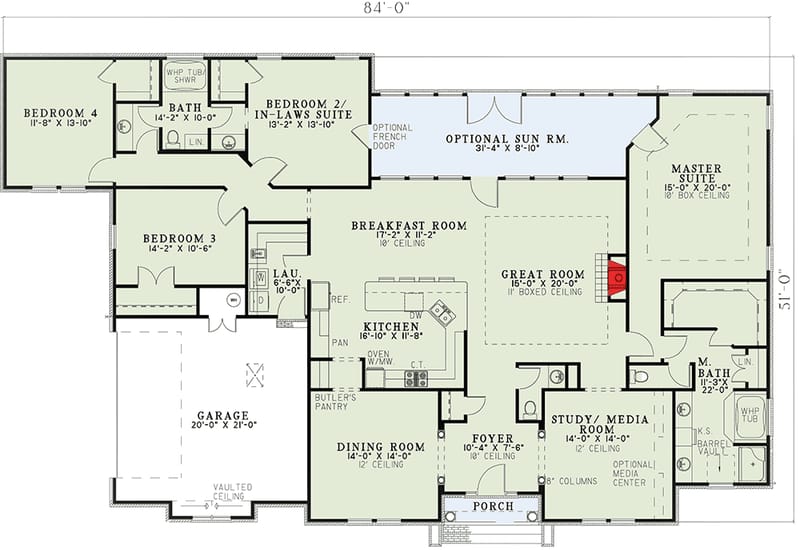
There are numerous advantages to incorporating an in-law suite into your home. Consider these benefits:
The appeal isn't just emotional either. From a practical standpoint, having a dedicated space means fewer conflicts about shared bathrooms, kitchens, or living areas. It's particularly helpful when you have teenagers who want privacy or elderly relatives who prefer their own space. Some families find that the suite becomes a place where younger people can live while saving money for college or starting their careers.
Key Design Elements
Creating a successful in-law suite requires careful planning and attention to detail. Here are the essential components:
The layout should feel like a complete living space. Some suites include a dining area, while others might have a small sitting area. The size depends on your needs and available space. Consider the flow from the main house to the suite - it should feel natural and seamless. Many people overlook the importance of proper ventilation and heating/cooling systems. Without these basics, the space can feel uncomfortable and unwelcoming.
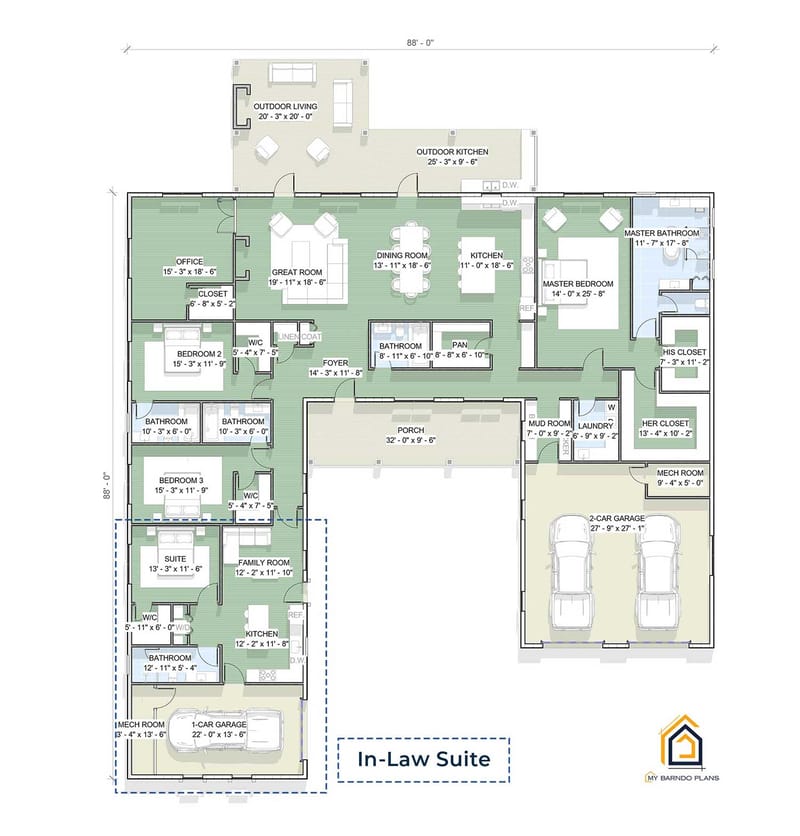
Where to Place Your In-Law Suite
Location matters significantly in in-law suite placement. Here are common options:
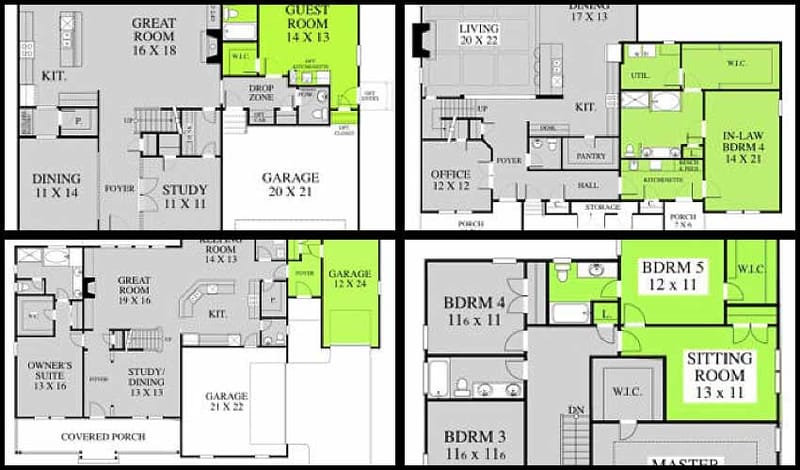
Each location comes with its own set of pros and cons. Basements often work well because they're naturally quiet and private. However, they may lack natural light and require good drainage. Attic conversions can be challenging due to low headroom and structural limitations. Finished garages offer easy access but might lack the privacy some people desire. The side or rear addition usually provides the best balance of privacy and accessibility. Many homeowners find that placing the suite near the main staircase works well for both convenience and privacy.
Planning Considerations
Before diving into design, consider these important factors:
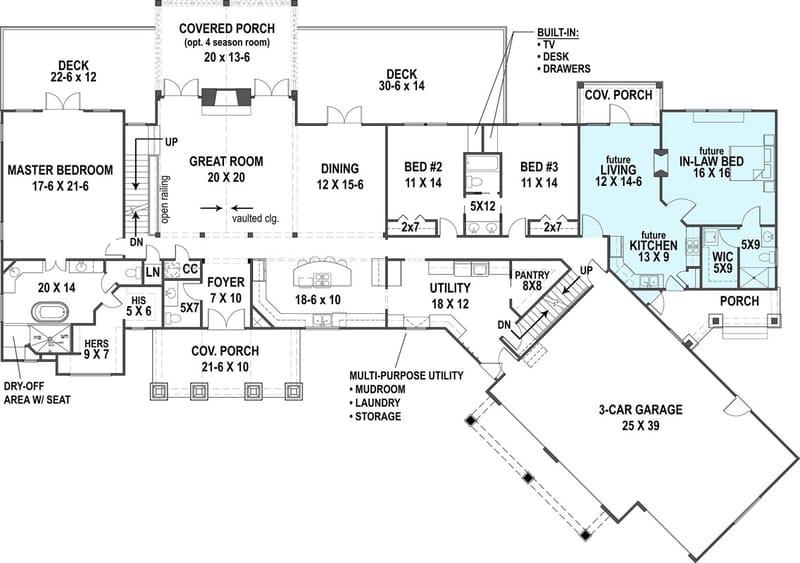
These considerations can make or break your project. For example, some areas require permits for any structural changes. Others have restrictions on how you can modify existing spaces. Plumbing and electrical work can add significant costs if not planned properly. Many people underestimate how much time and money it takes to meet local codes. It's also worth noting that the suite must be safe for emergency responders to navigate. Fire exits, smoke detectors, and adequate lighting are non-negotiables. Some homeowners discover that their basement suite needs additional work to meet current safety standards.
Cost Factors and Budgeting
Budgeting for an in-law suite varies widely based on several factors. On average, expect to spend between $20,000 and $80,000 for a basic setup. Here's what affects pricing:
Some people find that adding a suite increases their home's value by 5-10%. Others report that the investment pays off quickly through reduced rental costs. It's important to factor in ongoing maintenance costs as well. These spaces require regular upkeep just like any other part of your home. Many homeowners find that their initial budget doesn't account for unexpected issues during construction. Planning for a 10-15% contingency fund is wise.
Legal and Regulatory Issues
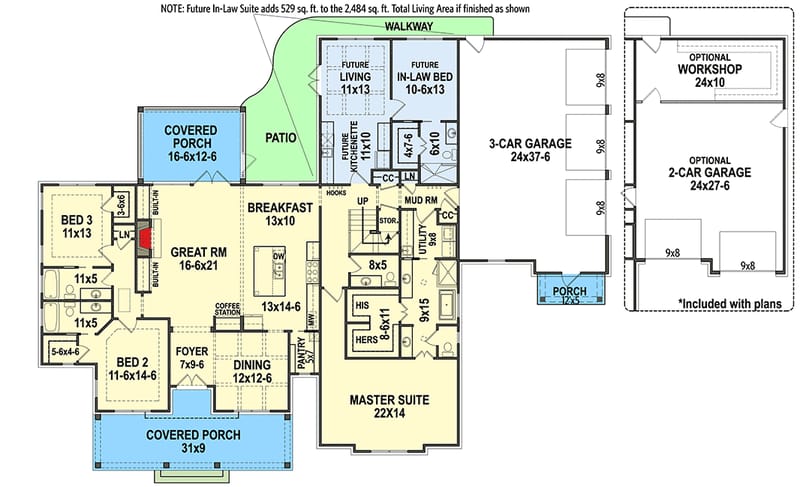
Navigating legal requirements can be tricky but necessary. Check these important aspects:
Local regulations vary dramatically across regions. What's allowed in one neighborhood might be prohibited in another. Some areas require special approval for in-law suites, especially those built after certain dates. Homeowners associations often have strict rules about modifications. Insurance companies might not cover certain types of conversions unless specifically requested. Many people find that working with a local contractor familiar with regional requirements saves time and money. The process can take several months, so early planning is crucial.
Maintenance and Long-Term Care
Once installed, in-law suites require regular attention. Here's what to keep in mind:
These spaces don't magically stay clean or functional without care. Regular maintenance prevents costly problems later. Some people find that their suite requires more attention than expected. The kitchen, in particular, needs frequent cleaning and occasional repairs. Bathroom fixtures might need replacement every few years. Keeping spare parts handy for common issues helps avoid emergency situations. Many homeowners discover that their suite becomes their favorite part of the house after a few months of use.
Modern Trends and Innovations
Contemporary in-law suite design includes several innovative features:
Technology plays an increasingly important role in these spaces. Smart thermostats, security systems, and automated lighting can enhance comfort and safety. Multi-functional furniture allows smaller spaces to serve multiple purposes. Some modern suites include features designed for aging in place, such as grab bars and wider doorways. Sustainability trends mean more people choose eco-friendly materials and energy-efficient systems. These innovations make suites more appealing to a broader range of buyers and users.
Real-Life Examples and Case Studies
Let's look at some practical examples:
These stories show how different families solve similar problems with creative approaches. Each case demonstrates unique solutions to common challenges. Some families found that their original plans didn't work as expected. Others discovered unexpected benefits from their decisions. The key is being flexible and willing to adapt as circumstances change.
In-law suites represent more than just a design trend - they're a practical response to changing family dynamics and housing needs. Whether you're planning a new home or renovating an existing one, considering an in-law suite can add tremendous value and functionality to your living situation. The key is thoughtful planning, understanding local requirements, and designing with both current and future needs in mind. With proper consideration, these spaces can bring families closer together while respecting individual privacy and independence. The investment in an in-law suite often pays dividends in family relationships, property value, and overall quality of life. Remember, the best design emerges from understanding your specific situation and needs. Every family's journey with in-law suites is unique, but the underlying principles remain consistent - create spaces that support the people who live there.


