
When we think of construction, we often picture workers with hammers and steel beams. But before any brick gets laid or concrete poured, there's something much more important happening – someone is looking at a blueprint. These detailed drawings are the foundation of every building project, but how exactly do builders use them? Let's explore the fascinating journey from paper to structure.
Have you ever wondered how architects' creative visions become reality? It's not magic, but rather a carefully orchestrated process that starts with a blueprint. These detailed technical drawings serve as the roadmap for construction teams, guiding them through every step of building a structure. But here's the thing – the relationship between blueprints and actual construction isn't always straightforward. Sometimes things change, sometimes they don't match perfectly, and sometimes the real work begins once you're on site. Let's take a closer look at this essential part of the building process.
What Exactly Is a Blueprint?
A blueprint isn't just a fancy drawing. It's a comprehensive set of technical documents that tell builders exactly what to construct. Think of it like a recipe, but instead of ingredients, it lists materials, measurements, and specifications. Blueprints include floor plans, elevations, sections, and details for everything from electrical systems to plumbing layouts.
These documents are created by architects and engineers using specialized software. They show not just the final product, but also the step-by-step process of how to get there. Every line, every number, and every symbol has meaning. The blueprint becomes the builder's instruction manual, though it's not always followed exactly as written.
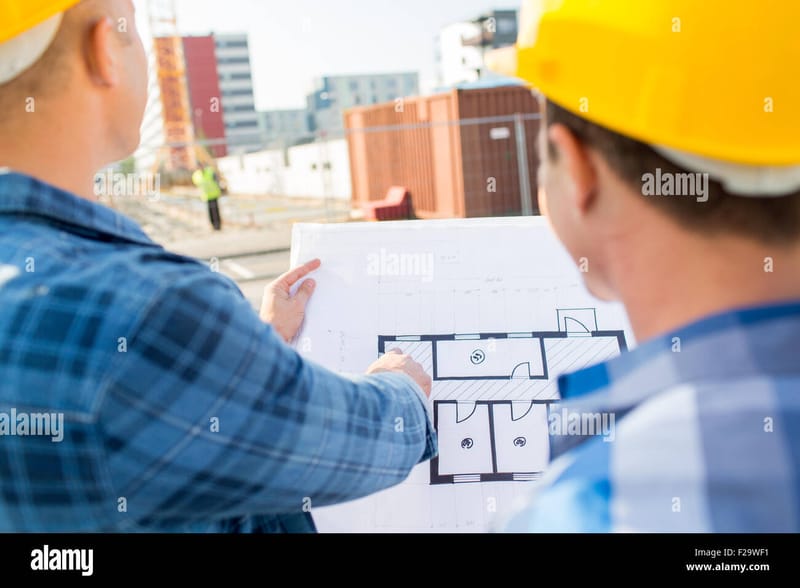
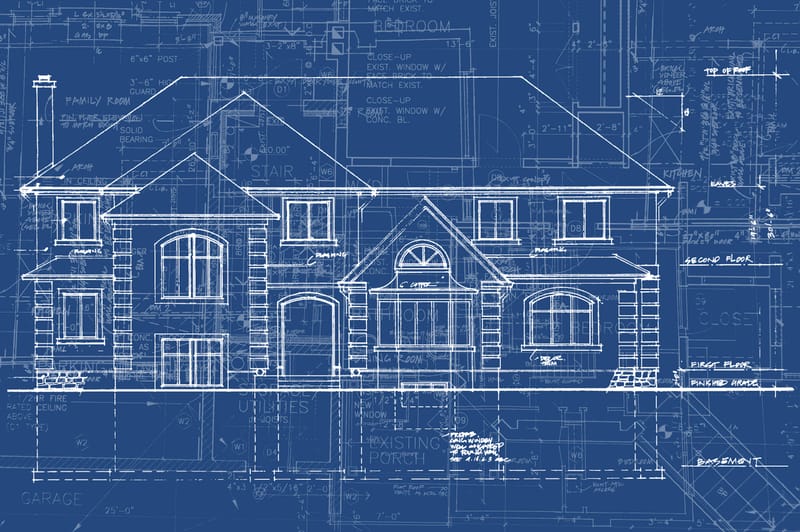
Consider a typical residential blueprint set. It might have 30-40 different sheets covering everything from foundation plans to roof details. Each sheet tells a story about how the building should look and function. But when you're standing on a construction site, you'll notice that the blueprint is just the starting point.
The Blueprint-to-Building Process
Here's where it gets interesting. While blueprints provide the framework, real construction involves constant adaptation. Builders don't simply follow instructions word-for-word. They must interpret the blueprint based on site conditions, material availability, and unexpected challenges.
Take, for example, a new home being built. The blueprint might specify a particular type of foundation, but when crews arrive on-site, they discover unstable soil conditions. The builder must adjust their approach while still meeting the design intent. This flexibility is crucial.
Many builders use what's called a 'construction phase plan.' This isn't just the original blueprint, but a living document that evolves as the project progresses. The blueprint sets expectations, but the actual work requires judgment and experience.
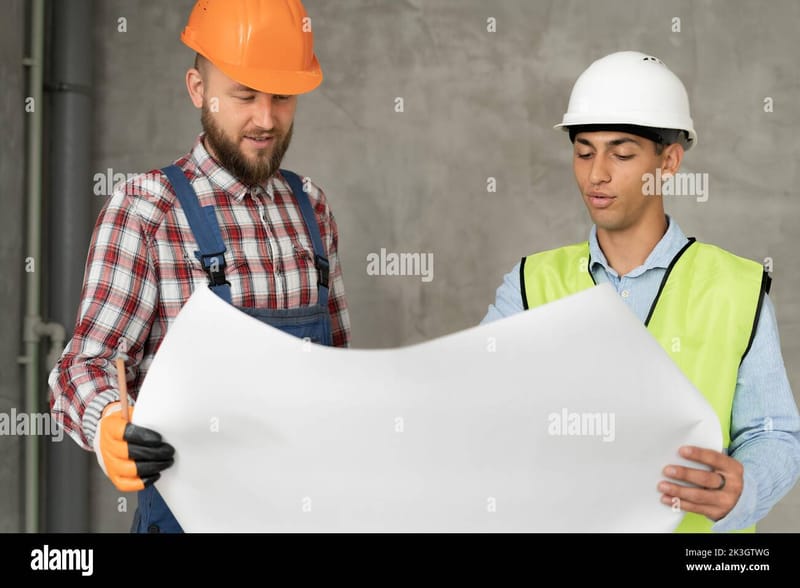
The process involves multiple steps: reviewing the blueprint thoroughly, preparing the site, ordering materials, then executing the work according to the specifications. Each step requires careful attention to detail and constant communication between designers and builders.
Common Challenges Builders Face
Despite having detailed blueprints, builders regularly encounter obstacles that weren't anticipated. Weather delays can halt progress, especially during foundation work. Material shortages happen all too often, forcing builders to find alternatives that still meet design requirements.
One major issue is what happens when the blueprint conflicts with real-world conditions. For instance, a blueprint might call for a specific wall thickness, but local building codes require additional reinforcement. Builders must navigate these changes without compromising safety or quality.
Another common challenge involves coordination problems. Different trades – electricians, plumbers, carpenters – all need access to the same space at different times. The blueprint helps organize this, but it's not always enough. Builders must constantly adapt their schedules and methods.
Sometimes the most significant issues arise from miscommunication. A builder might misunderstand a specification, leading to costly corrections later. That's why experienced builders often say they learn as much from mistakes as they do from successful builds.
How Technology Changes Everything
Modern construction has embraced digital tools that transform how blueprints are used. Instead of paper drawings, many builders now work with computerized plans that can be updated instantly. This technology allows for better collaboration between architects, engineers, and construction teams.
Building Information Modeling (BIM) represents a major shift in how blueprints work. Rather than static drawings, BIM creates three-dimensional digital models that show how all building components fit together. Builders can virtually walk through a structure before it's even built.
Mobile apps now let construction workers access blueprints directly on-site. They can mark up drawings, add notes, and communicate changes immediately with the design team. This real-time collaboration reduces errors and speeds up the building process.
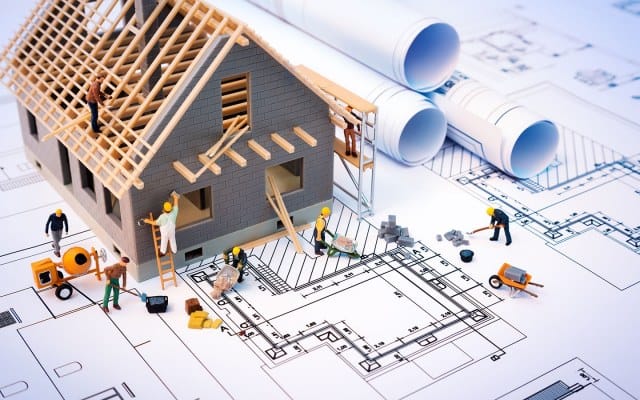
However, technology hasn't eliminated the need for human judgment. Even with the best digital tools, builders must still make decisions based on experience and on-site conditions. The blueprint remains the guide, but the builder's expertise determines success.
The Role of Communication in Success
Building from a blueprint isn't just about following instructions – it's about effective communication. Builders must understand what the blueprint is trying to communicate and ask questions when something isn't clear.
Regular meetings between architects, engineers, and construction teams help ensure everyone is on the same page. These discussions often reveal potential issues before they become problems on site.
Good communication also means documenting changes clearly. When a builder needs to modify something from the original blueprint, those changes must be recorded and communicated properly. Otherwise, future work can become confusing and error-prone.
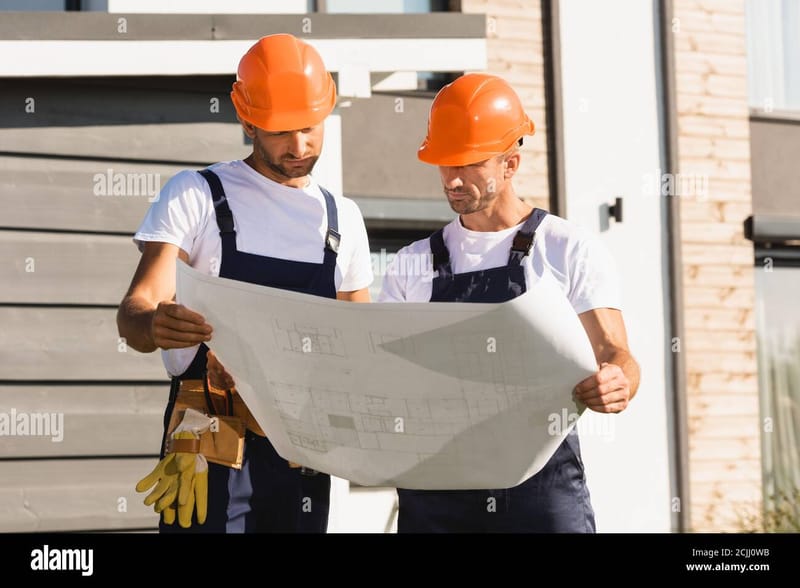
Trust plays a big role too. Builders need to trust that the blueprint accurately reflects the design intent, while architects need to trust that builders will execute the plans properly. This mutual understanding is what makes large projects successful.
Some of the most successful construction teams develop strong working relationships that go beyond simple project management. They understand each other's perspectives and work collaboratively to solve problems.
Real-World Examples of Blueprint Execution
Let's look at some practical examples of how blueprints translate into buildings. A commercial office building might have hundreds of blueprint sheets, each detailing different aspects of construction. The structural engineer's drawings show load-bearing walls, while the mechanical plans cover HVAC systems.
In one case, a builder was constructing a school and found that the original blueprint didn't account for seismic requirements in their area. Rather than abandoning the project, they worked with engineers to update the design while keeping costs manageable.
Residential construction offers its own lessons. When building a custom home, the blueprint must accommodate unique client requests. A family might want a specific window placement or an unusual kitchen layout. The builder works with the architect to incorporate these changes while maintaining structural integrity.
Even seemingly simple projects can reveal complexities. A small garage addition might seem straightforward, but the blueprint must consider drainage, utilities, and connections to the main house. These details often determine whether the project succeeds or fails.
So yes, builders do build from blueprints, but it's more nuanced than many people realize. Blueprints provide the foundation, but the real magic happens when skilled professionals interpret those plans in the context of real-world constraints and opportunities. The process involves constant problem-solving, communication, and adaptation. Whether you're planning a small renovation or a large commercial development, understanding this relationship between design and execution is crucial.
The next time you see a construction crew at work, remember that they're not just following instructions – they're bringing creative vision to life. The blueprint is their guide, but their expertise and judgment are what ultimately make a building successful. It's a partnership between human creativity and technical precision that continues to evolve with new technologies and approaches.


