
Every building tells a story, but its truest narrative lives in its blueprints. These detailed drawings hold the secrets of construction, design decisions, and structural integrity. Whether you're renovating your home, researching a historic property, or planning a new construction project, finding those elusive blueprints can feel like searching for a needle in a haystack. But what if we told you there's a method to this madness? Let's explore the various ways to uncover these crucial documents.
Blueprints aren't just dusty paper in old filing cabinets anymore. They're digital files stored on servers, tucked away in municipal offices, or even hidden in the minds of long-time residents. Finding them requires patience, persistence, and a bit of detective work. Imagine walking into a house and suddenly understanding why the kitchen is where it is, or why there's a mysterious wall in the basement. That's the power of blueprints. They reveal not just what was built, but why it was built that way. Whether you're a homeowner, contractor, architect, or curious researcher, knowing how to track down these documents can save you time, money, and countless headaches. This guide will walk you through every possible avenue, from official records to informal networks, ensuring you have the tools to unlock the secrets of any structure.
Official Records and Government Archives
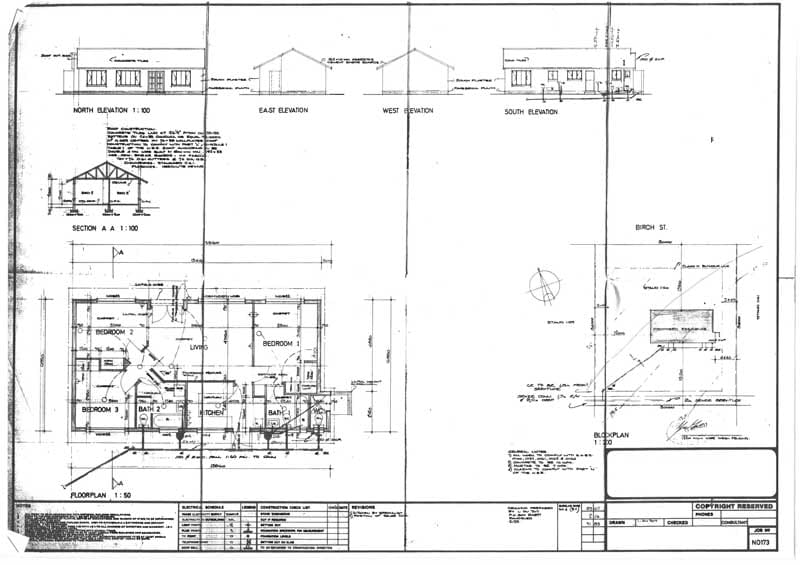
The most reliable starting point for finding building blueprints lies in official government channels. Local building departments, city halls, and county offices often keep detailed records of construction permits and approved plans. These agencies typically require permits before construction begins, and they retain copies of all submitted blueprints. Start by calling your local building department or visiting their website. Many cities now offer online databases where you can search for permit information and sometimes even view digital copies of plans. Some areas have digitized their entire archives, while others still maintain physical storage systems. Don't overlook state-level records either – many states maintain centralized databases that can be searched by address or property owner name. You might need to provide proof of ownership or legal interest in the property to access these records, but the effort usually pays off. For older buildings, especially those over fifty years old, check with historical societies or preservation organizations. They often have collections of architectural documents that might not be available through standard public channels. The key is to ask about both current and historical records, because sometimes the most useful information is found in unexpected places.
Real Estate Professionals and Property Records
Real estate agents, brokers, and property managers often have access to important documentation that includes building plans. When purchasing or selling property, these professionals frequently compile comprehensive packages that contain everything from inspection reports to previous renovation details. Ask your agent if they have any archived plans or if they can help you locate them through their network. Many realtors keep digital copies of blueprints on file, particularly for properties they've handled in the past. Property managers might also have access to these documents, especially for commercial properties or rental units they manage. Consider reaching out to previous owners or their heirs if the property has changed hands recently. Sometimes family members or former tenants have kept copies of original plans or have knowledge of where to find them. Real estate attorneys or title companies can also be valuable resources when dealing with older properties. They often maintain extensive files related to property history and may have discovered blueprints during due diligence processes. The real estate community isn't just about buying and selling – it's also a network of people who know the ins and outs of properties, including their architectural secrets.
Architects, Contractors, and Construction Professionals
If you know who designed or built the structure, reaching out to the original architects or contractors can be incredibly fruitful. Even decades after completion, many architects maintain archives of their projects, and some actively help former clients locate missing documents. Contact firms that worked on the building, particularly if they specialize in renovations or restoration work. These professionals often have detailed knowledge of the original construction and may have copies of plans in their files. Construction companies, especially those that have been around for generations, frequently preserve records of their completed projects. They might even have plans for properties they've worked on that are no longer in their active portfolio. Don't forget to check with local trade associations or professional organizations. Many have directories of members and might be able to connect you with someone who worked on your specific building. Some contractors even maintain personal collections of plans, particularly for notable or unusual projects. These relationships can be invaluable, especially for unique or historically significant structures where the original plans might be rare or difficult to find through official channels.
Digital Resources and Online Repositories
The internet has revolutionized how we access building information. Numerous online platforms host vast collections of architectural drawings, though access varies significantly. Some websites specialize in historical architecture, offering free or paid access to their repositories. Others focus on specific regions or time periods, making them excellent resources for particular projects. Google searches can lead you to unexpected sources – sometimes municipal websites, academic institutions, or private collectors who have digitized their collections. Many libraries, particularly those with strong architectural or historical sections, maintain digital archives that are accessible to the public. University libraries often house extensive collections of architectural drawings from their respective regions. Consider checking with local university architecture schools – they frequently have student projects, thesis work, or faculty research that relates to your area. Some online forums and communities dedicated to architecture or renovation projects have members who share information about blueprints they've obtained or locations where they've found specific plans. Social media groups, especially those focused on local history or architecture, can be surprisingly helpful for tracking down documents. The digital landscape is constantly evolving, so staying informed about new platforms and resources is essential for modern blueprint hunting.
Historical Societies and Cultural Institutions
Historical societies and cultural organizations often serve as guardians of architectural heritage. These groups frequently maintain archives that include blueprints, especially for buildings of historical significance. If your structure dates back several decades or has cultural importance, these organizations might have detailed records that aren't available elsewhere. Many societies have staff members specifically trained to research architectural history and can guide you toward appropriate resources. They often collaborate with local museums, universities, and government agencies to preserve and catalog important documents. Some historical societies have created databases or catalogs that make searching for specific buildings easier. Contact them directly and explain what you're looking for – they might already have the information you need or know exactly where to look. These organizations also frequently organize events or lectures that could connect you with knowledgeable individuals who might have personal knowledge about the building. They often maintain relationships with property owners, former residents, and other stakeholders who could provide additional leads. For very old buildings, historical societies might have discovered original plans through estate sales, inheritance proceedings, or other sources that haven't made their way into public records.
Practical Tips and Alternative Approaches
Sometimes finding blueprints requires thinking outside the box. Consider examining the building itself for clues – original floor plans might be hidden behind walls, under flooring, or in utility closets. Look for any stamps, labels, or markings that might indicate where plans were stored or referenced. Sometimes the best approach is to talk to neighbors, long-time residents, or local historians who might have heard stories about the building's construction or know where to find specific documents. Community bulletin boards, local newspapers, and old photographs can sometimes provide hints about the building's history and potential plan locations. For older structures, consider hiring a professional surveyor or architectural historian who specializes in locating lost documents. They often have established networks and techniques for finding missing plans. Document everything you discover – even seemingly insignificant details might prove valuable later. Keep a log of your search efforts, including dates, contacts, and results. Sometimes the most helpful information comes from unexpected sources, so remain open to alternative suggestions. Remember that some plans might exist in different formats than expected – they could be scanned images, hand-drawn sketches, or even computer files saved on old hard drives. Persistence pays off, and each small discovery brings you closer to finding the complete set of plans.
Finding building blueprints is rarely a straightforward process, but it's one that's often worth the effort. Whether you're planning renovations, researching a property's history, or simply curious about how a structure came to be, these documents provide invaluable insights into the building's design and construction. The journey to locate them involves multiple approaches – from official government channels to informal networks of professionals and community members. Each path offers unique opportunities and challenges, but together they form a comprehensive strategy for uncovering these architectural treasures. Remember that blueprints aren't just technical documents; they're windows into the past, revealing the intentions of designers, the needs of builders, and the stories of the people who lived and worked within those walls. The process of searching for them can be as rewarding as finding them, often leading to connections with people who share your passion for architecture and building history. So don't give up if your first attempt doesn't yield results. Sometimes the most important blueprints are found through persistence, creativity, and a willingness to explore unconventional paths. With the right approach and some patience, you'll likely discover that the blueprint you've been seeking is just waiting to be found.


