
Think back to when your parents' house had separate dining rooms, living rooms, and bedrooms. Those walls were thick, those doors were heavy, and privacy was king. Now, imagine stepping into a space where the kitchen flows into the living area, where the bedroom feels like it's floating above the main floor, and where every room seems to breathe with life. That's the magic of open floor plans with loft spaces. They're not just trendy anymore—they're becoming the standard for modern living.
Open floor plans have been transforming homes for decades, but when you add a loft element to the mix, you get something truly special. These designs create a sense of spaciousness, allow for creative zoning, and offer a unique visual experience. Whether you're planning a new build, renovating an existing space, or simply dreaming about your ideal home, understanding how to properly implement open floor plans with loft features can change everything. Let's explore what makes these layouts so appealing, how they work, and why they're capturing the imagination of homeowners everywhere.
What Makes Open Floor Plans with Loft Special
Picture this: you're standing in your kitchen, looking out over a sprawling living area, with a beautiful staircase leading up to a second story. This isn't just a big room—it's a carefully designed space that maximizes both function and form. Open floor plans with loft elements do more than just remove walls. They create layers of space that feel connected yet distinct.
The key is balance. You want enough openness to feel spacious, but not so much that you lose the sense of intimacy. A loft adds vertical dimension, creating a natural separation between different zones while keeping the overall feeling airy. It's like having two levels of living within one seamless environment.
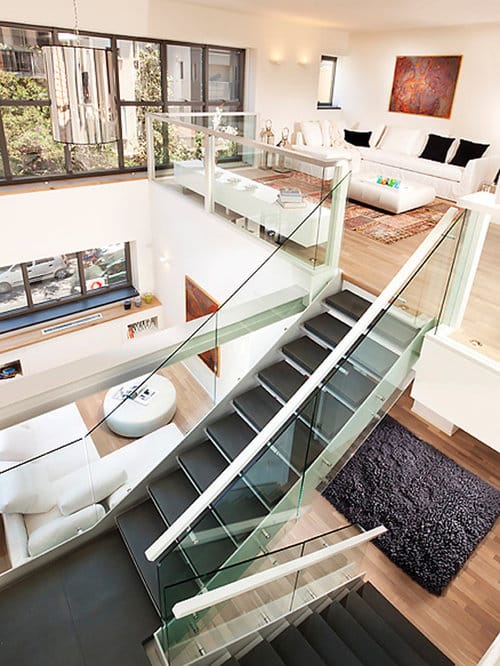
When done right, these spaces make even small homes feel grand. The ceiling height alone can transform a room from cramped to cathedral-like. Think about how a high ceiling can make you feel like you're in a barn or a church rather than a typical house. That's the power of elevation in design.
The Psychology Behind Open Layouts
Why do we find open floor plans so appealing? It goes beyond just aesthetics. Our brains are wired to respond to openness and connection. When you have a space where different areas flow together, it creates a sense of community and togetherness. Families gather more easily in open kitchens, children play in wider spaces, and guests feel welcomed rather than confined.
But there's another layer. Open layouts also provide a sense of freedom. You're not restricted by doorways or walls. You can move freely between activities, cooking while chatting with friends, or watching TV while doing paperwork. This fluidity mirrors how we actually live today.
The loft element adds a psychological bonus too. It provides a sense of escape, a place to retreat when you need quiet time. It's like having a secret hideaway within your main living area. The feeling of being able to rise above your daily routine is surprisingly comforting.
Design Principles for Success
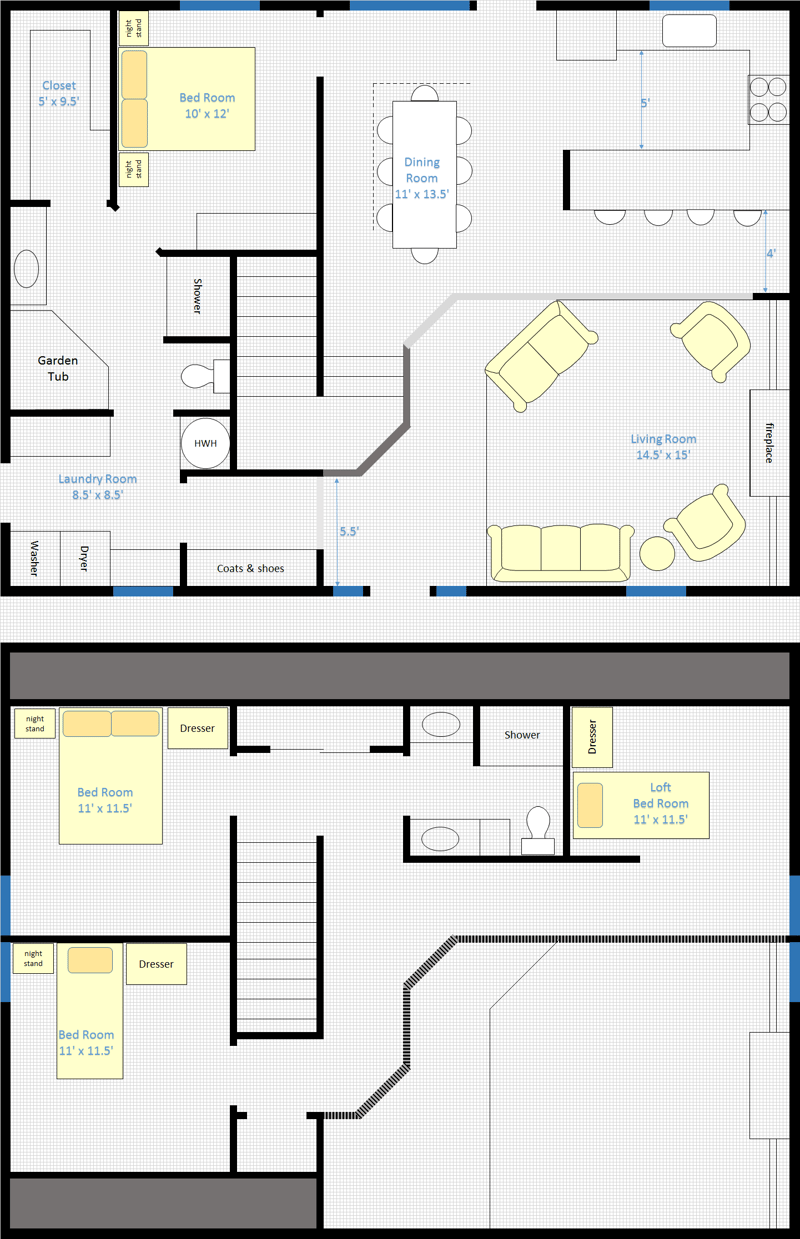
Creating the perfect open floor plan with loft requires some careful thought. Here are the essential principles:
One common mistake is trying to make everything look identical. Instead, use textures, colors, and furniture arrangements to distinguish each zone. A kitchen island might define the cooking area, while a dining table creates a different focal point.
The loft itself needs attention too. It should feel like its own space, even though it's part of the larger layout. Consider using a different material for the loft floor, or adding a railing that defines the boundary.
Practical Benefits and Challenges
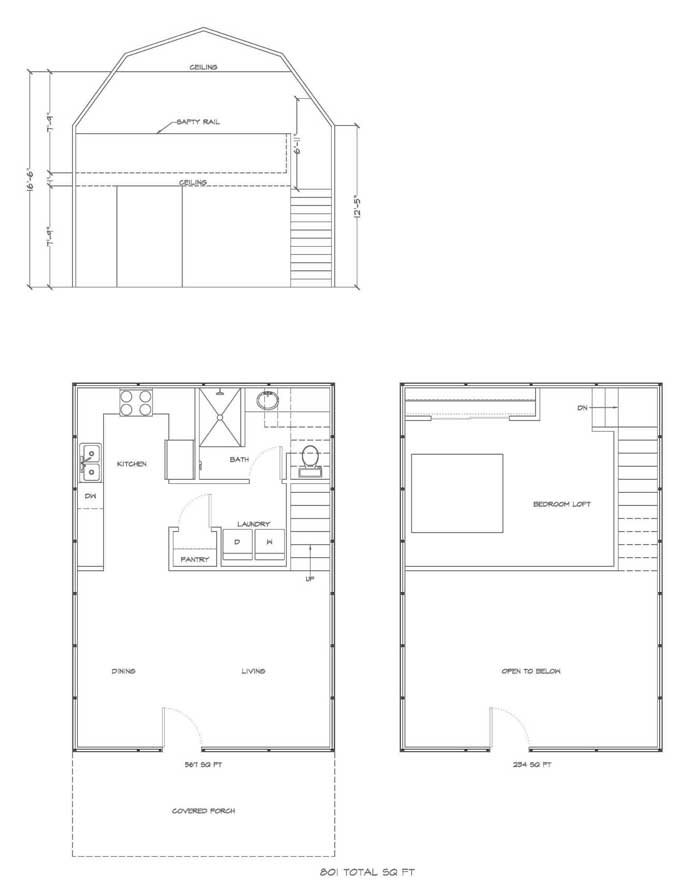
There are undeniable advantages to open floor plans with loft spaces. They're perfect for entertaining because everyone can participate in conversations while cooking or relaxing. They're great for families with children since parents can keep an eye on kids in different areas. The increased natural light and air circulation make them feel healthier and more pleasant to live in.
But let's be honest—these designs come with their own set of challenges. Sound travels differently in open spaces, so you'll need to consider acoustics. Privacy becomes trickier when you can see into different areas. And maintenance might be more complex when everything is interconnected.
The loft itself presents unique considerations. How will you access it? What safety measures are needed? Will it serve a practical purpose, or is it purely decorative? These questions need answers before you start building.
Real-World Examples and Inspiration
Looking at actual homes can give you a better sense of what's possible. One family transformed their entire first floor into a seamless open space, with a beautiful wooden loft above that serves as their reading nook and guest room. The kitchen flows into the living area, and the dining table sits right in the middle of it all.
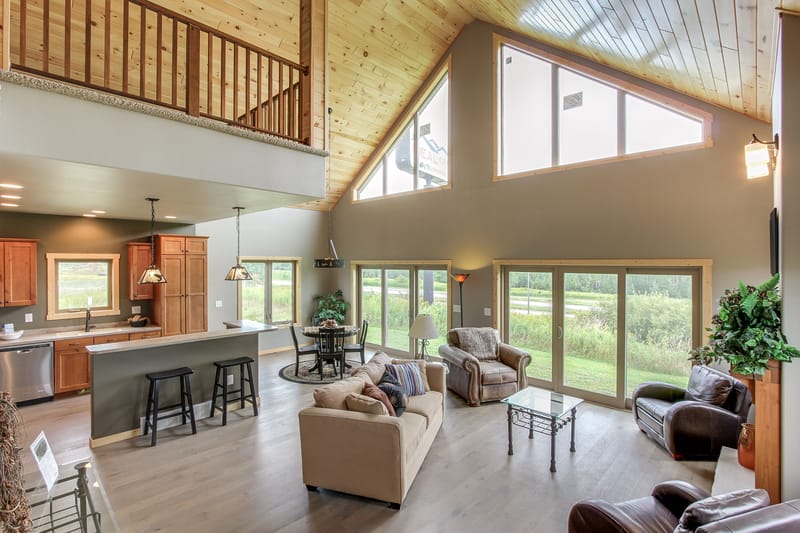
Another example shows a home where the master bedroom has a private balcony that overlooks the main living area. The bedroom feels like it's floating, while still maintaining the privacy needed for rest and relaxation.
In smaller spaces, designers often use the concept of "floating" rooms. A kitchen island might seem to float above the living area, creating a visual separation without physical walls. The loft can be used as a study or office, providing a quiet space for focused work.
These examples show how flexible the approach can be. Whether you have a large suburban home or a modest apartment, there are ways to incorporate these elements.
Tips for Implementation and Maintenance
If you're considering implementing an open floor plan with loft in your home, here are some practical tips:
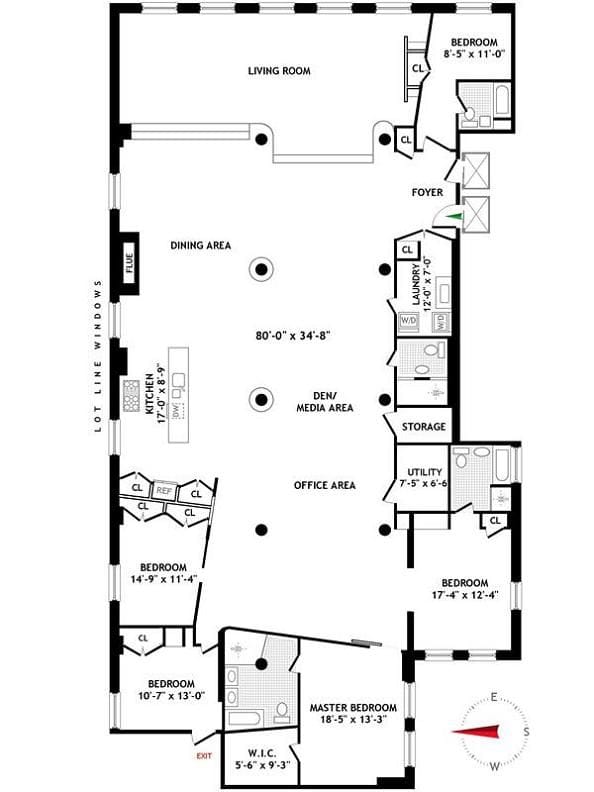
Maintenance is crucial for keeping these spaces looking fresh. Regular cleaning routines are important, especially if you have pets or children. The open nature means dust and debris can spread easily, so a consistent cleaning schedule helps maintain the intended aesthetic.
Consider how you'll use the loft space. Is it for storage, a bedroom, or a hobby area? Whatever the purpose, make sure it fits seamlessly with the rest of the design. Sometimes, a simple addition like a skylight can dramatically improve the feeling of openness and connection.
Open floor plans with loft elements represent more than just a design trend—they're a reflection of how we want to live today. They combine the best aspects of traditional home layouts with modern needs for flexibility and connectivity. Whether you're designing a new home or renovating an existing space, these concepts offer endless possibilities for creating a living environment that feels both spacious and intimate.
The key is to remember that good design isn't about following rules—it's about creating spaces that support your life. If you're thinking about open floor plans with loft features, take time to really think about how you use your space. What makes you feel comfortable? What would make your daily routine easier?
These layouts can transform your home from merely functional to truly inspiring. They're not just about removing walls; they're about creating experiences that bring people together and provide space for individual moments of peace. As you consider your options, keep in mind that the most successful designs are those that reflect the people who live in them. The loft might be the architectural feature, but it's the stories you tell in that space that make it truly special.


