
Picture this: snow-capped peaks stretching endlessly, fresh mountain air filling your lungs, and a warm fire crackling in a stone hearth. Now imagine calling that view your backyard. That's the magic of chalet homes - those distinctive mountain retreats that blend rustic charm with contemporary comfort. Whether you're dreaming of a weekend getaway or considering a permanent residence, understanding what makes a chalet special is essential. These aren't just houses; they're lifestyle statements that connect you to nature in the most beautiful way.
When you think of chalet homes, images of Swiss Alps villages and ski resort communities probably come to mind. But what exactly defines a chalet home? At its core, a chalet is a type of dwelling that originated in the Alpine regions of Europe, particularly Switzerland and Austria. These homes were traditionally built for mountain workers and skiers, designed to withstand harsh weather conditions while providing warmth and comfort. Today, chalet homes have evolved far beyond their humble beginnings, becoming sought-after properties around the world. They're not just about the location though - there's something deeply satisfying about their design philosophy that speaks to our primal desire for shelter and connection with nature.
Origins and Historical Roots
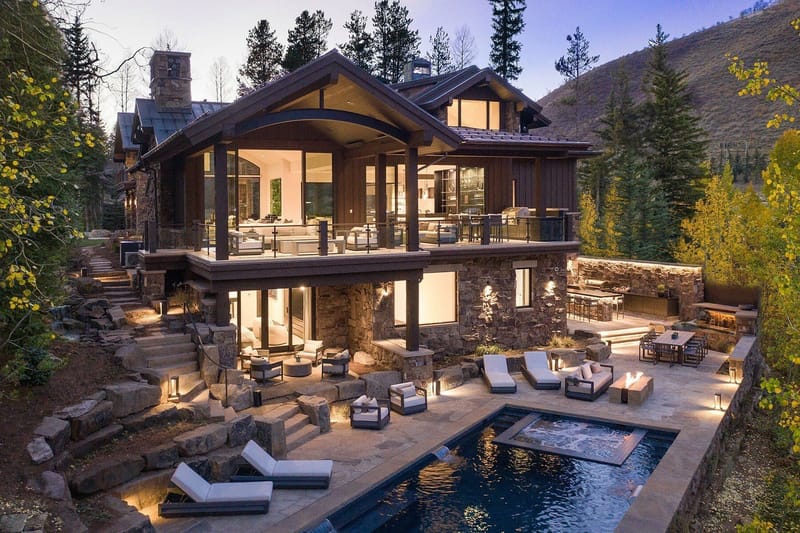
The word 'chalet' comes from the French term for a small cottage, and these buildings have ancient roots dating back centuries. Originally, chalets were simple structures built by local mountain dwellers using locally-sourced materials like wood, stone, and clay. The design was practical above all else - steep roofs to shed snow, thick walls for insulation, and large windows to let in precious mountain light. These early chalets served multiple purposes: they housed families, stored supplies, and provided workspaces for craftsmen. As tourism grew in the Alps during the 1800s, chalets began transforming into guesthouses and vacation homes. The architecture became more refined while maintaining its essential character. You might wonder why these homes have such enduring appeal. It's because they represent a perfect marriage of function and beauty, creating spaces that feel both grounded and elevated.
Distinctive Architectural Features
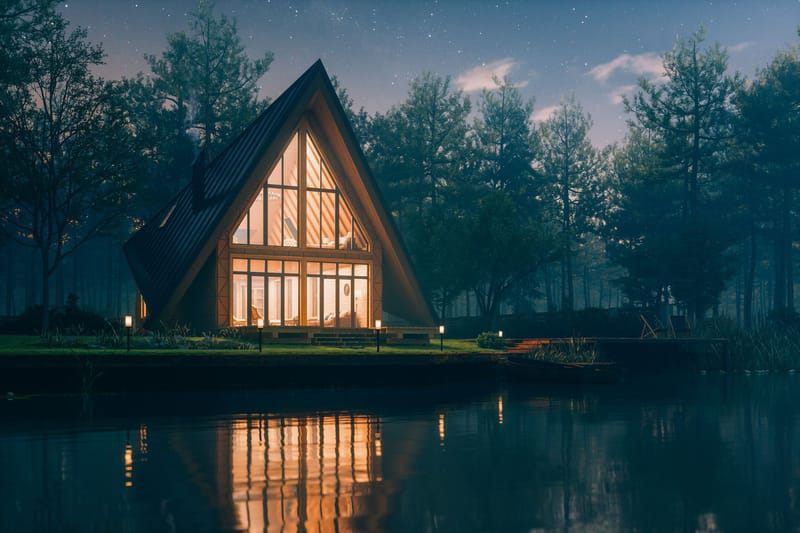
Chalet homes have several defining characteristics that set them apart from other architectural styles:
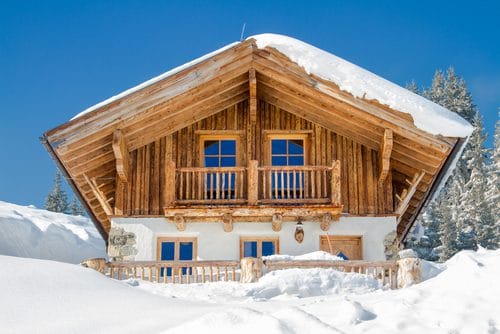
These elements work together to create a cohesive aesthetic that feels both traditional and modern. The combination of natural materials and clean lines makes chalet homes versatile enough to suit various tastes and lifestyles. Some chalets even incorporate contemporary touches like glass walls or modern kitchens while keeping their classic silhouette.
Where You'll Find Chalet Homes
While chalet homes are most commonly associated with the European Alps, they've spread across the globe. In North America, you'll find them nestled in Colorado's Rocky Mountains, the Canadian Rockies, and even the Pacific Northwest. Each region puts its own spin on the style, incorporating local materials and climate considerations. For instance, American chalets often feature more elaborate stone work and larger porches than their European counterparts. In Asia, chalets have become popular in places like Japan and South Korea, where they're adapted to local preferences and seasonal variations. The appeal isn't limited to mountainous regions either - many people choose chalet-style homes in suburban settings to capture that same sense of retreat and connection with nature. What's fascinating is how these homes adapt to different environments while maintaining their essential character.
Modern Interpretations and Design Trends
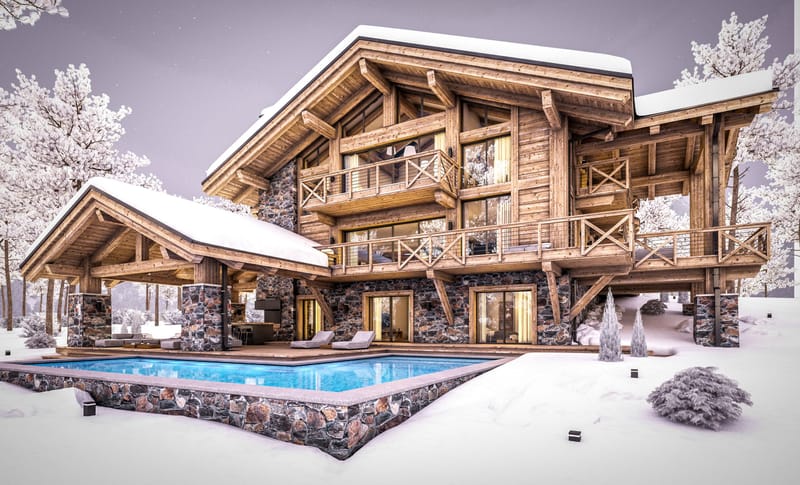
Today's chalet homes embrace both tradition and innovation. Modern designers are reimagining classic chalet elements with updated amenities and sustainable materials. Key trends include:
Many new chalet developments feature luxury amenities like heated floors, panoramic windows, and gourmet kitchens. Yet they still maintain the charm that made the original chalets so appealing. The challenge for architects and homeowners today is balancing nostalgia with modern convenience. How do you preserve that authentic feeling while meeting contemporary needs? The best chalet homes achieve this balance beautifully, offering both comfort and character.
Benefits Beyond Aesthetics
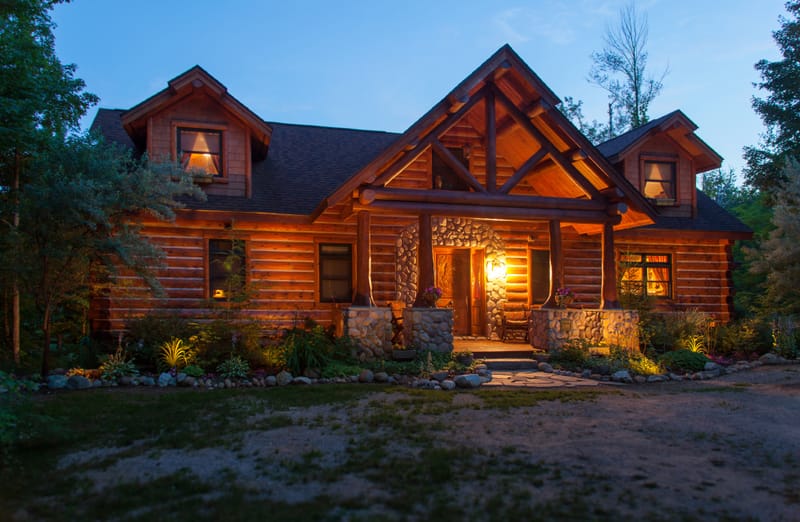
There's more to chalet homes than just their visual appeal. They offer numerous practical advantages:
These benefits make chalet homes attractive to people seeking a simpler, more intentional lifestyle. They're ideal for families wanting to escape urban chaos, retirees looking for peaceful retirement spots, or anyone wanting a place to recharge. The lifestyle they promote - slow, mindful, connected to nature - resonates with people increasingly seeking balance in their lives.
Considerations and Challenges
While chalet homes have many appealing qualities, they're not without challenges. Consider these factors before making a decision:
Despite these challenges, many homeowners find the rewards outweigh the drawbacks. The key is understanding what you're getting into and being prepared for the unique aspects of mountain living. It's not just about the house - it's about embracing a different way of life.
Chalet homes represent much more than architectural style - they embody a way of life that celebrates simplicity, connection with nature, and timeless beauty. Whether you're drawn to their historical charm, their practical advantages, or their potential for modern living, these homes offer something special to those willing to embrace their unique character. From their humble beginnings in Alpine villages to their global popularity today, chalet homes continue to evolve while preserving their essential appeal. They remind us that sometimes the best solutions come from the past, reimagined for the present. If you've ever dreamed of having a mountain retreat or simply want to experience the joy of a well-designed, nature-connected home, consider what a chalet could offer you. The question isn't whether you can afford one, but whether you're ready to embrace the lifestyle they represent.


